Linoleic Acid for Skin: Benefits, Sources & Tips

  • Zicail
  • /
  • Blog
  • /
  • Linoleic Acid for Skin: Benefits, Sources & Tips
Discover how linoleic acid enhances skin hydration, reduces acne, and strengthens the skin barrier. Learn its benefits, sources, and usage tips.

Linoleic acid is an important fatty acid that your skin needs to stay healthy. Since your body can’t make it, you must get it from food or skincare products. It’s found in oils like sunflower and safflower oil and helps keep your skin smooth and hydrated.

Linoleic acid, also known as “Vitamin F,” helps strengthen your skin’s barrier. This keeps moisture in and protects your skin from damage, making it key for healthy, glowing skin.

Scientific Role in Skin Health
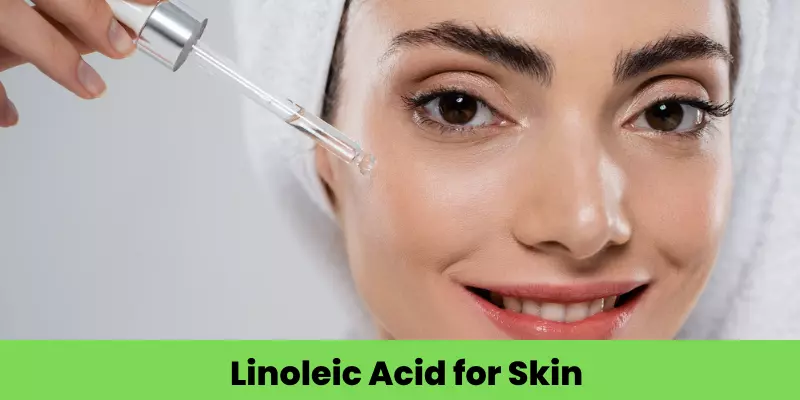
A woman applying linoleic acid serum to her skin - Linoleic Acid for Skin: Benefits, Sources & Tips 2026 - Zicail

Skin Barrier Function

Linoleic acid helps strengthen your skin’s barrier by forming ceramides. These ceramides protect your skin from harmful factors and prevent moisture from escaping, keeping your skin hydrated and healthy. Without enough linoleic acid, your skin may become dry and irritated.

Moisture Retention

Linoleic acid helps your skin hold onto moisture. It prevents water from leaving your skin, keeping it soft and hydrated. This is especially helpful in dry or cold weather when your skin can easily become dry and flaky.

Anti-inflammatory Properties

Linoleic acid has anti-inflammatory effects. It gets converted into gamma-linolenic acid (GLA), which calms skin irritation and reduces redness. This makes it great for sensitive or acne-prone skin, helping to soothe and heal inflammation.

Benefits for Acne-Prone Skin

A woman showing her skin improvement after using linoleic acid - Linoleic Acid for Skin: Benefits, Sources & Tips 2026 - Zicail

Regulates Sebum Production

Linoleic acid helps balance your skin’s oil production. When your skin produces too much oil, it can clog pores and lead to acne.

Linoleic acid helps regulate this process, reducing the risk of breakouts. By keeping oil levels in check, it helps keep your skin clear and healthy.

Reduces Inflammation

Linoleic acid also has anti-inflammatory properties, which makes it great for calming inflamed skin. It can help reduce redness and irritation from acne, while also aiding in the healing of acne scars. This makes it a valuable ingredient for those looking to soothe active breakouts and promote smoother skin.
Hydration and Anti-Aging Effects

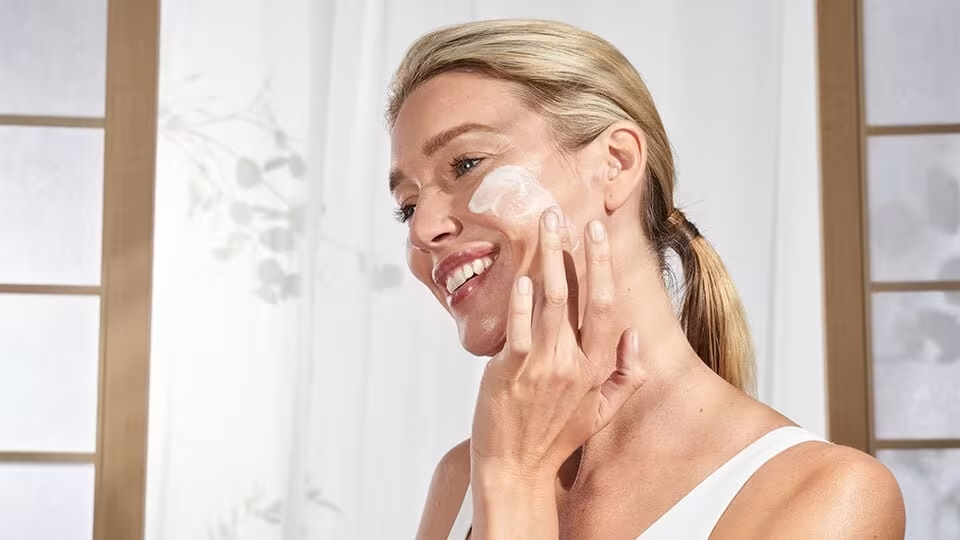
Smiling woman applying peptide rich skincare cream to enhance skin hydration and reduce signs of aging - Linoleic Acid for Skin: Benefits, Sources & Tips 2026 - Zicail

Enhances Skin Elasticity

Linoleic acid helps improve your skin’s texture and elasticity. It promotes collagen production, which helps the skin stay firm and youthful. This leads to a smoother, more even skin surface and can reduce the appearance of fine lines and wrinkles.

Protects Against Environmental Damage

Linoleic acid also acts as a shield for your skin, protecting it from oxidative stress and UV-induced damage. It helps fight free radicals that cause aging and skin damage. By preventing this damage, linoleic acid helps maintain a healthy, youthful complexion for longer.

Topical Application: Best Practices 

Close ups of different skin types - Linoleic Acid for Skin: Benefits, Sources & Tips 2026 - Zicail

Usage Tips

For best results, add linoleic acid to your skincare routine by using serums or oils. Apply it after cleansing and before moisturizing to help your skin absorb it better and lock in moisture.

Suitable Skin Types

Linoleic acid is great for all skin types, including sensitive and acne-prone skin. It helps keep dry skin hydrated and soothes irritation, making it suitable for a wide range of skin concerns.

Dietary Sources of Linoleic Acid

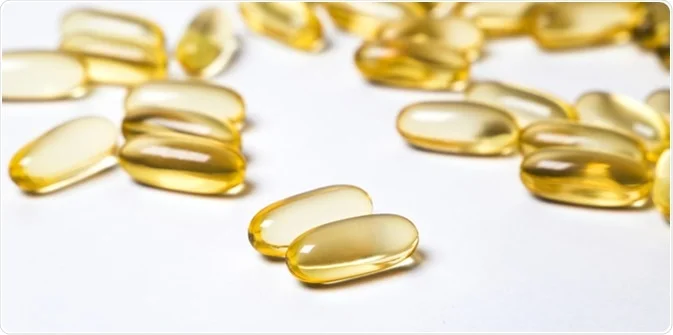
Soft gel capsules of linoleic acid for skin health and care - Linoleic Acid for Skin: Benefits, Sources & Tips 2026 - Zicail

Foods Rich in Linoleic Acid

Linoleic acid is found in several plant-based foods. The best sources include sunflower, safflower, and soybean oils. You can also get linoleic acid from nuts and seeds like flaxseeds, chia seeds, and pumpkin seeds. Adding these foods to your diet can help ensure you’re getting enough of this essential fatty acid for healthy skin.

Supplementation

If you’re not getting enough linoleic acid from your diet, supplements can be a good option. Consider adding linoleic acid supplements, such as evening primrose oil or borage oil, to your routine to help support skin health, especially if you have dietary restrictions or skin concerns. Always consult with a healthcare provider before starting supplements.

Safety and Side Effects

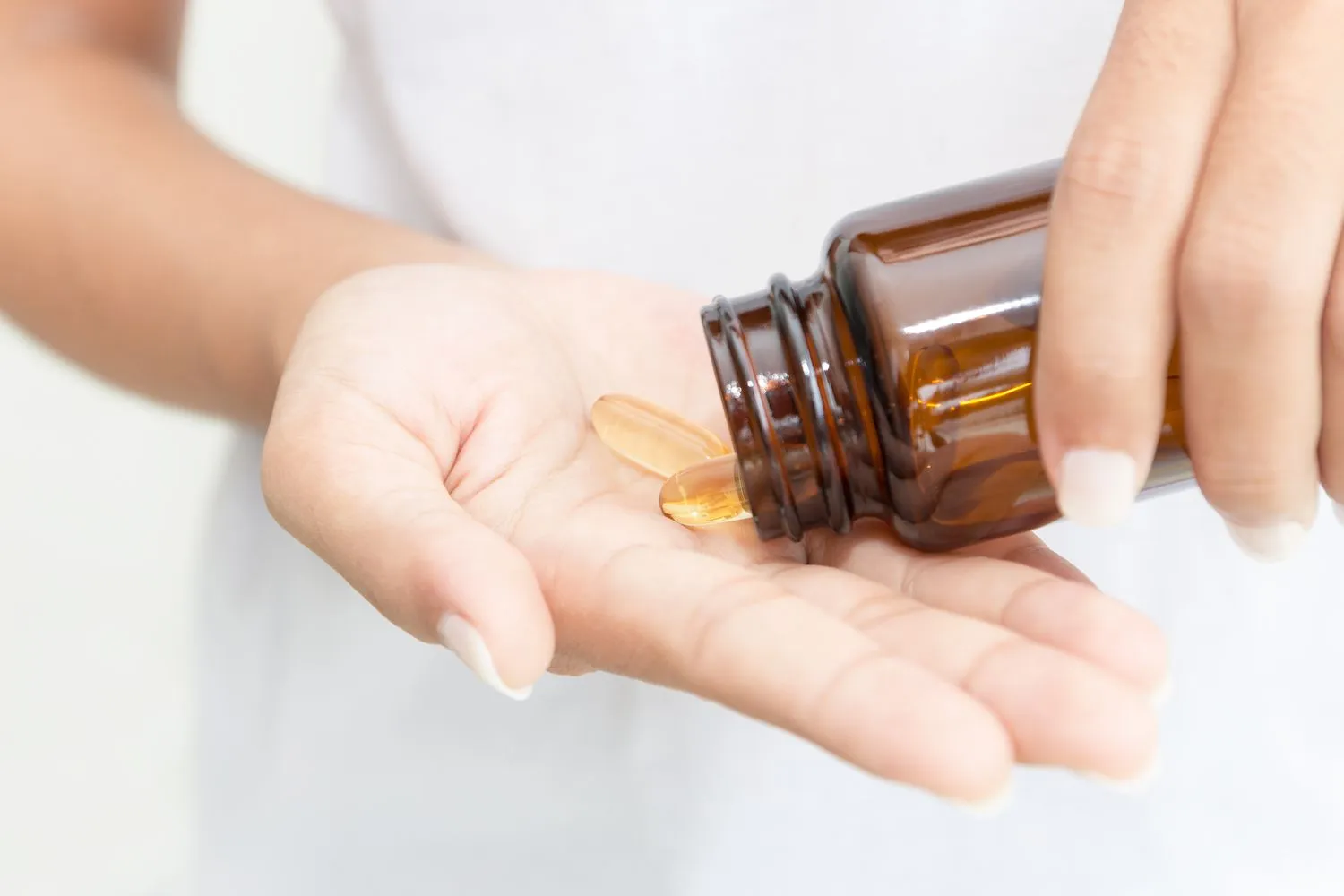
A person pouring linoleic acid soft gel capsules into their hand - Linoleic Acid for Skin: Benefits, Sources & Tips 2026 - Zicail

General Safety

Linoleic acid is generally safe for both your skin and diet. It’s a natural ingredient that’s effective for most people and can improve skin health without causing harm.

Potential Side Effects

While linoleic acid is usually well-tolerated, overuse can sometimes irritate sensitive skin. Always patch test new products first to make sure your skin reacts well. If irritation occurs, stop using the product and consult a dermatologist.

Ready to give your skin the care it deserves with linoleic acid?

Whether you’re looking for high-quality skincare products or expert advice on incorporating linoleic acid into your routine, we’re here to help!

A woman applying linoleic acid serum for glowing healthy skin - Linoleic Acid for Skin: Benefits, Sources & Tips 2026 - Zicail

Contact us today to learn more or to find the perfect products for your skin type. Our team is ready to assist you with personalized recommendations and answers to all your skincare questions. Don’t wait – take the first step toward healthier, glowing skin!

FAQs

Can linoleic acid help with acne scars?

Yes, linoleic acid can aid in the healing of acne scars. Its anti-inflammatory properties help reduce redness and irritation, while its ability to promote skin barrier repair can support the healing process of scars over time.

Absolutely! Linoleic acid helps balance oil production in the skin. By regulating sebum levels, it can actually reduce excess oil and prevent clogged pores, making it ideal for those with oily or acne-prone skin.

While results can vary, many people start to notice improvements in skin hydration and texture within 2–4 weeks of regular use. It may take longer to see significant changes in acne or scarring, but consistency is key.

Yes, linoleic acid is safe to use with most other skincare ingredients, including vitamin C, hyaluronic acid, and retinol. However, it’s always best to introduce new products one at a time and monitor how your skin reacts.

Linoleic acid can be used both morning and night. It’s light and non-greasy, making it suitable for daytime use. Just be sure to apply sunscreen if you use it in the morning, as it helps protect your skin from environmental damage.

Picture of Zoe

Zoe

Zoe has 5 years of experience in the skincare industry and brings a strong factory-first and real-life perspective to her writing. Her experience includes production workshops, everyday skincare practice, pregnancy and postpartum routines, and lifestyle factors that affect skin health. Note: Zoe is not a medical professional. Her content is based on industry experience and personal practice. For medical concerns, please consult a dermatologist.

Table of Contents

Like this post? Share it on:

Related Articles for You

en_USEN
Rose-Makeup-Remover

Get Wholesale Prices & Custom Requests