

What Skin Type Means
Skin type describes how much oil (sebum) and moisture your skin naturally produces—and how your skin typically reacts to products and the environment. This balance influences whether skin feels dry, looks shiny, stays comfortable, or reacts easily.

Knowing your skin type helps you make better skincare choices. When cleansers, moisturizers, and actives match your skin’s baseline needs, they’re more effective and less likely to cause irritation or breakouts.
Skin type is your starting point—not a fixed label. It’s shaped by genetics and can shift over time due to age, hormones, climate, and lifestyle. That’s why understanding your skin type is the first step toward building a routine that truly works.
Main Skin Types & Their Traits
Here’s how to recognize each skin type—and the challenges that often come with it.
Quick Comparison: Skin Types at a Glance
| Skin Type | Oil Level | Typical Feel | Common Issues |
|---|---|---|---|
| Normal | Balanced | Comfortable | Occasional dryness or breakouts |
| Dry | Low | Tight, rough | Flaking, sensitivity |
| Oily | High | Shiny | Breakouts, enlarged pores |
| Combination | Mixed | Uneven | Oily T-zone, dry cheeks |
| Sensitive | Varies | Reactive | Redness, irritation |
Normal Skin
Balanced oil and moisture
Feels comfortable, not tight or greasy
Pores are small to medium
Breakouts are occasional, not frequent
Common challenge: Maintaining balance as skin changes with age or seasons.
Dry Skin
Produces less oil
May feel tight, rough, or flaky
Can look dull or feel itchy
Fine lines may appear more noticeable
Common challenge: Dehydration and a weakened skin barrier.
Oily Skin
Produces excess sebum
Shiny appearance, especially midday
Enlarged pores
More prone to blackheads and breakouts
Common challenge: Managing oil without over-drying the skin.
Combination Skin
Oily in some areas, dry or normal in others
Oily T-zone (forehead, nose, chin)
Drier cheeks or jawline
Different needs across the face
Common challenge: Finding products that work for multiple zones.
Sensitive Skin
Reacts easily to triggers
Redness, stinging, or burning
Reacts to weather, stress, or new products
Often linked to a fragile skin barrier
Common challenge: Avoiding irritation while still treating skin concerns.
Skin Type vs. Skin Condition (What’s the Difference?)
This is one of the most common—and confusing—topics in skincare.

Skin Type = Your Baseline
Your skin type is your skin’s natural tendency.
It’s mainly determined by genetics and describes how much oil your skin produces over time (dry, oily, normal, combination, or sensitive).
Skin type usually stays fairly consistent, even though it can shift with age, hormones, or climate.
Skin Condition = What’s Happening Right Now
A skin condition is a temporary or situational issue that can affect any skin type.
Common examples include:
Acne (can occur on oily or dry skin)
Dehydration (lack of water, not oil)
Rosacea or redness
Eczema or irritation
Conditions can come and go depending on weather, stress, products, health, or lifestyle.
A Simple Way to Tell Them Apart
Skin type: your skin’s long-term behavior
Skin condition: a short-term problem your skin is dealing with
For example, you can have oily but dehydrated skin, or dry skin with acne.
Treating only the condition—without respecting your skin type—often leads to irritation or poor results.
Practical takeaway: Choose your base routine (cleanser, moisturizer) based on skin type, then adjust treatments (actives, spot care) based on current conditions.
How to Identify Your Skin Type (Simple Methods)
Quick 60-Second Skin Type Check
• Feels tight, rough, or flaky after cleansing → Dry skin
• Looks shiny across most of the face within an hour → Oily skin
• Shiny T-zone but comfortable or dry cheeks → Combination skin
If your skin feels mostly balanced, it’s likely normal skin.
If it reacts easily with redness or stinging, you may also have sensitive skin.
Method 1: Wait & Observe
This is the simplest and most accurate first step.
Cleanse your face with a gentle cleanser.
Pat dry and do not apply any products.
Wait 30 minutes.
Observe how your skin looks and feels.
Tight or flaky → likely dry skin
Shiny all over → likely oily skin
Comfortable and balanced → normal skin
Shiny T-zone, comfortable cheeks → combination skin
Method 2: Blotting Paper Test
This helps confirm oil production.
Gently press blotting paper on different areas of your face.
Check how much oil transfers.
Little to no oil → dry or normal skin
Oil across most areas → oily skin
Oil mainly on forehead, nose, chin → combination skin
Method 3: Check Facial Zones
Pay attention to patterns over several days.
T-zone (forehead, nose, chin) gets shiny faster
Cheeks feel normal or dry
This uneven behavior is a classic sign of combination skin.
Tips for Accurate Results
Test when your skin is calm (not irritated or broken out)
Avoid testing right after trying new products
Repeat seasonally—skin can change with climate and hormones
Dermatologist note: These tests help identify your baseline skin type. If symptoms are severe or confusing, a dermatologist can provide a more precise assessment.
Why Skin Type Matters for Skincare
Your skin type should guide how your routine is built—from cleanser to moisturizer to sunscreen.
When products match your skin’s natural needs, they work more effectively and are less likely to cause irritation.
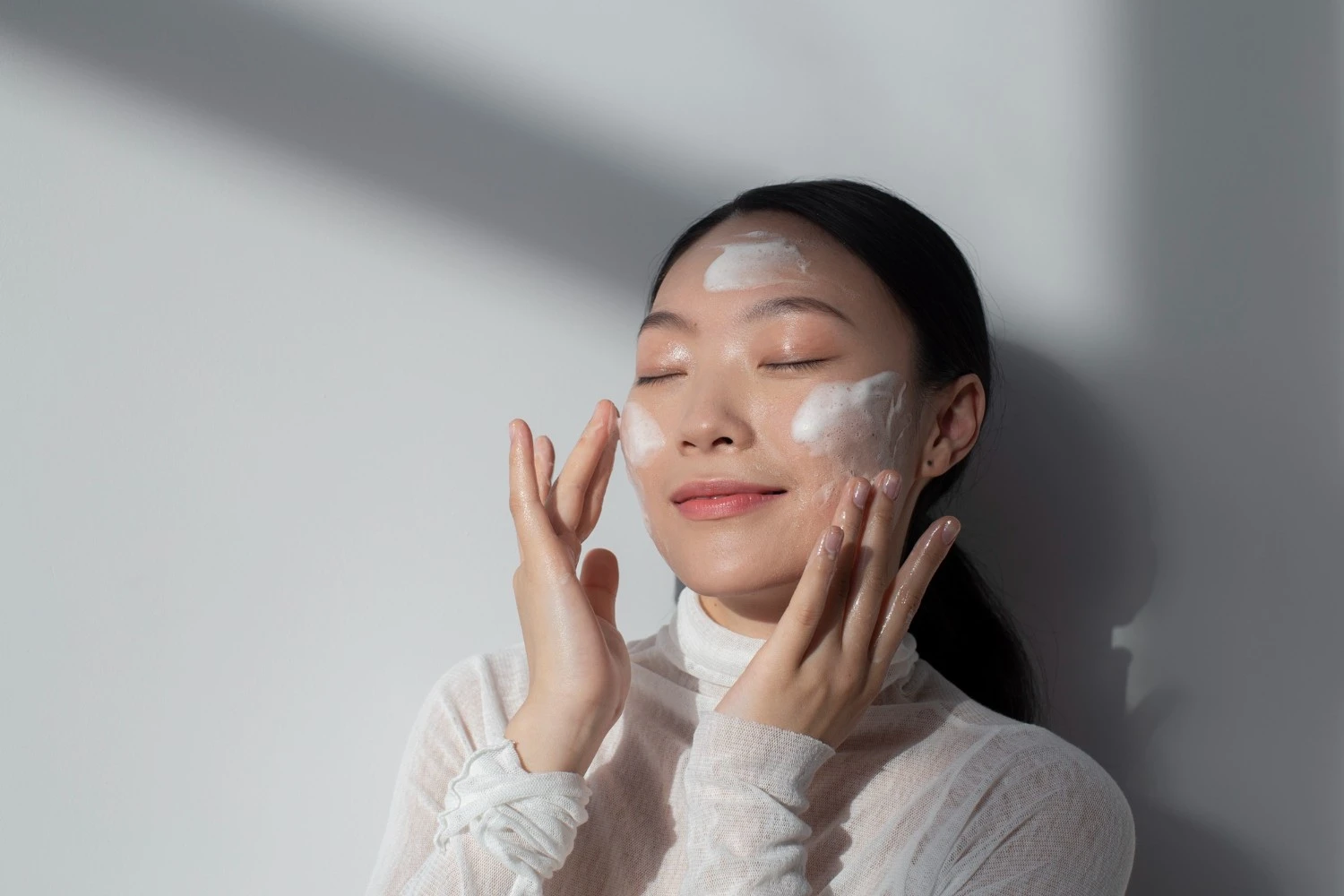
How Skin Type Shapes Your Routine
Cleansers: Oily skin benefits from lightweight, foaming or gel cleansers, while dry skin does better with creamy, non-stripping formulas.
Moisturizers: Gel or lotion textures suit oily and combination skin; richer creams help dry skin maintain barrier health.
Sunscreen: All skin types need daily SPF, but textures matter—fluid or gel SPFs for oily skin, moisturizing SPFs for dry or sensitive skin.
What Happens When Products Don’t Match
Using the wrong products can backfire:
Heavy creams on oily skin may clog pores and trigger breakouts
Harsh, drying cleansers on dry skin can worsen tightness and flaking
Strong actives on sensitive skin can cause redness or stinging
Real-World Example
Oily skin: Lightweight gel moisturizer helps hydrate without shine
Dry skin: Rich cream replenishes moisture and reduces tightness
Practical takeaway: Skin type isn’t a label—it’s a decision tool. When your routine matches your skin’s baseline needs, results come faster and irritation is easier to avoid.
Tailored Care for Each Skin Type
Once you know your skin type, you can make small, targeted adjustments that improve results—without overcomplicating your routine.

Normal Skin
Goal: Maintain balance
Use a gentle cleanser, lightweight moisturizer, and daily sunscreen
Focus on consistency rather than frequent product changes
Helpful ingredients: glycerin, ceramides, niacinamide (low strength)
Skincare Routine for Normal Skin
Dry Skin
Goal: Restore moisture and support the barrier
Choose hydrating, non-foaming cleansers
Use richer creams to reduce water loss
Prioritize barrier-repair ingredients
Helpful ingredients: hyaluronic acid, ceramides, shea butter, squalane
Oily Skin
Goal: Control oil without stripping
Use non-comedogenic, lightweight products
Avoid harsh cleansers that trigger rebound oil
Manage pores and breakouts gently
Helpful ingredients: salicylic acid, niacinamide, zinc, lightweight gels
Skincare Routine for Oily Skin
Combination Skin
Goal: Treat different areas appropriately
Use lighter hydration on oily zones (T-zone)
Apply richer creams only where skin feels dry
Don’t force one texture to work everywhere
Helpful ingredients: glycerin, hyaluronic acid, niacinamide (moderate)
Skincare Routine for Combination Skin
Sensitive Skin
Goal: Minimize irritation
Choose fragrance-free, gentle formulas
Introduce new products one at a time
Always patch test before full use
Helpful ingredients: ceramides, panthenol, colloidal oatmeal, allantoin
Skincare Routine for Sensitive Skin
Common Myths & Misconceptions About Skin Types
Misinformation about skin types often leads to poor product choices and irritation.
Let’s clear up a few common myths.
“Skin type never changes”
Not true. While genetics set your baseline, skin type can shift with age, hormones, climate, stress, and lifestyle.
For example, skin may become drier over time or oilier in humid environments.
“Sensitive skin means dry skin”
Sensitivity isn’t a skin type—it’s a reactivity pattern.
Oily, combination, or even normal skin can be sensitive and prone to redness or irritation.
“Oily skin doesn’t need moisturizer”
This is one of the most damaging myths.
Oily skin still needs hydration.
Skipping moisturizer can trigger more oil production and worsen breakouts.
When to Re-Evaluate or See a Dermatologist
Most people can manage their skincare by understanding their skin type and adjusting products as needed.
However, there are times when it’s smart to pause, reassess, or seek professional advice.

Re-Evaluate Your Skin Type If You Notice:
Persistent irritation after changing products or routines
Skin that suddenly feels much drier, oilier, or more reactive than usual
Seasonal or hormonal shifts that change how your skin behaves
Re-checking your skin type helps prevent using products that no longer fit your skin’s needs.
See a Dermatologist If You Experience:
Sudden or unexplained changes in skin texture, color, or sensitivity
Severe or painful acne, ongoing redness, or frequent flare-ups
Symptoms that don’t improve despite simplifying your routine
Safety note: When skin changes are intense, persistent, or uncomfortable, they may point to an underlying condition—not just a skin type mismatch.


 EN
 JA
