Vitamin F for Skin: Benefits & How to Use in Skincare
Learn the benefits of Vitamin F for skin, including hydration, soothing irritation, and UV protection. Discover how to incorporate it into your routine.
You’ve probably heard of Vitamin A, C, and E for skin, but have you heard of Vitamin F? It’s an essential blend of fatty acids that helps keep your skin healthy and hydrated.
Although it’s called Vitamin F, it’s not actually a vitamin. Instead, it’s a mix of omega-3 and omega-6 fatty acids that support your skin’s barrier and reduce inflammation. Adding it to your skincare routine can help improve your skin’s overall health.
What is Vitamin F?
Vitamin F is a blend of essential fatty acids that play a vital role in keeping your skin healthy and hydrated. It’s made up of two key fatty acids: alpha-linolenic acid (ALA), an omega-3 fatty acid, and linoleic acid (LA), an omega-6 fatty acid.
While it’s called Vitamin F, it’s not actually a vitamin—it’s a combination of fats that are essential for your skin’s overall health.
The two main components, ALA and LA, are found in many natural sources. You can find these healthy fats in foods like chia seeds, flaxseeds, and macadamia nuts.
These ingredients are great additions to your diet, and their oils are often used in skincare products to help nourish and protect your skin.
Sources of Vitamin F
You can find Vitamin F in both your diet and skincare products, making it easy to incorporate into your daily routine.
Dietary Sources
Vitamin F comes from healthy fats found in foods like chia seeds, flaxseeds, avocados, and almonds. These foods are packed with omega-3 and omega-6 fatty acids that support overall skin health. Adding them to your diet can help nourish your skin from the inside out.
Topical Sources
Vitamin F is also found in essential oils like argan oil and rosehip oil. These oils are rich in fatty acids, offering numerous benefits for your skin. They help moisturize, repair the skin barrier, and reduce inflammation. Using these oils topically can provide a natural way to hydrate and protect your skin.
Many natural skincare formulations now include Vitamin F-rich oils, making them a popular choice for those looking to nourish their skin with gentle, plant-based ingredients.
How Vitamin F Benefits Your Skin
Vitamin F offers a wide range of benefits for your skin, from protecting the skin barrier to reducing fine lines and wrinkles. Let’s take a closer look at how it can improve your skin’s health.
Protects the Skin Barrier
One of the most important benefits of Vitamin F is its ability to support the lipid barrier of your skin. This barrier helps prevent moisture loss and keeps irritants from entering.
By strengthening this barrier, Vitamin F ensures that your skin stays hydrated and protected from environmental stressors. It also helps block pollutants, UV rays, and allergens, which can damage your skin over time.
Calms Inflammation
Vitamin F is also great for those with inflammatory skin conditions like acne, eczema, rosacea, and psoriasis. It helps reduce redness, irritation, and swelling, calming your skin and providing relief from discomfort.
Whether your skin is irritated from breakouts or sensitive to environmental factors, Vitamin F can soothe and restore balance.
Hydrates and Nourishes
When applied topically, Vitamin F works wonders for hydrating your skin. It locks in moisture, improving your skin’s hydration levels and helping it feel soft and plump. Regular use can also boost your skin’s elasticity, making it appear more youthful and healthy.
Reduces Fine Lines and Wrinkles
Vitamin F can help reduce the appearance of fine lines and wrinkles by improving the skin’s elasticity. As it nourishes and hydrates, it helps your skin maintain a smoother, more youthful look.
If you’re looking for a natural way to address signs of aging, Vitamin F might just be the solution your skin needs.
Vitamin F’s Role in Preventing Skin Damage
Vitamin F plays an important role in protecting your skin from damage caused by the sun and environmental factors.
UV Protection
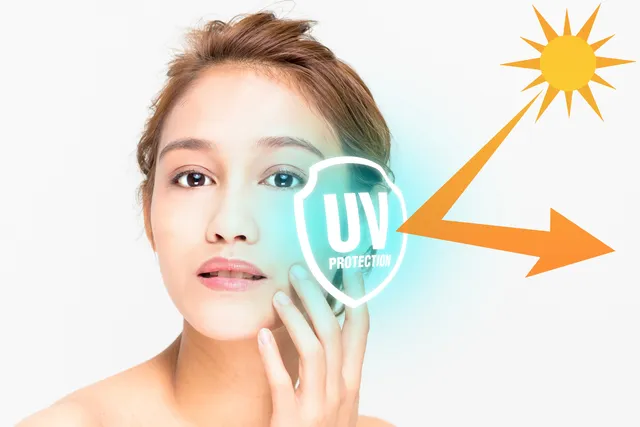
Vitamin F helps combat sun damage by supporting the skin’s natural response to UV rays. While it shouldn’t replace your regular sunscreen, it provides extra protection, helping to reduce the effects of sun exposure on your skin.
Environmental Protection
In addition to UV protection, Vitamin F also fights off damage caused by free radicals, pollution, and other harmful external factors. By strengthening the skin barrier, it helps protect your skin from everyday environmental stressors, keeping it healthier and more resilient.
Vitamin F for Different Skin Types
Vitamin F is beneficial for a variety of skin types, offering unique advantages depending on your skin’s needs.
For Sensitive Skin
If you have sensitive skin, Vitamin F is safe and soothing. It helps calm irritation and inflammation, making it an ideal choice for those with reactive skin that easily gets red or irritated.
For Acne-Prone Skin
Vitamin F helps regulate sebum production, which can prevent clogged pores and breakouts. It’s a great option for acne-prone skin, as it keeps the skin balanced without causing excess oil or dryness.
For Dry and Aging Skin
For those with dry or aging skin, Vitamin F works wonders by improving hydration and reducing fine lines. It replenishes the skin’s moisture barrier, helping to restore a plump, youthful appearance.
How to Use Vitamin F in Your Skincare Routine
Incorporating Vitamin F into your skincare routine is easy and effective, thanks to its versatile forms and compatibility with other ingredients.
Best Forms
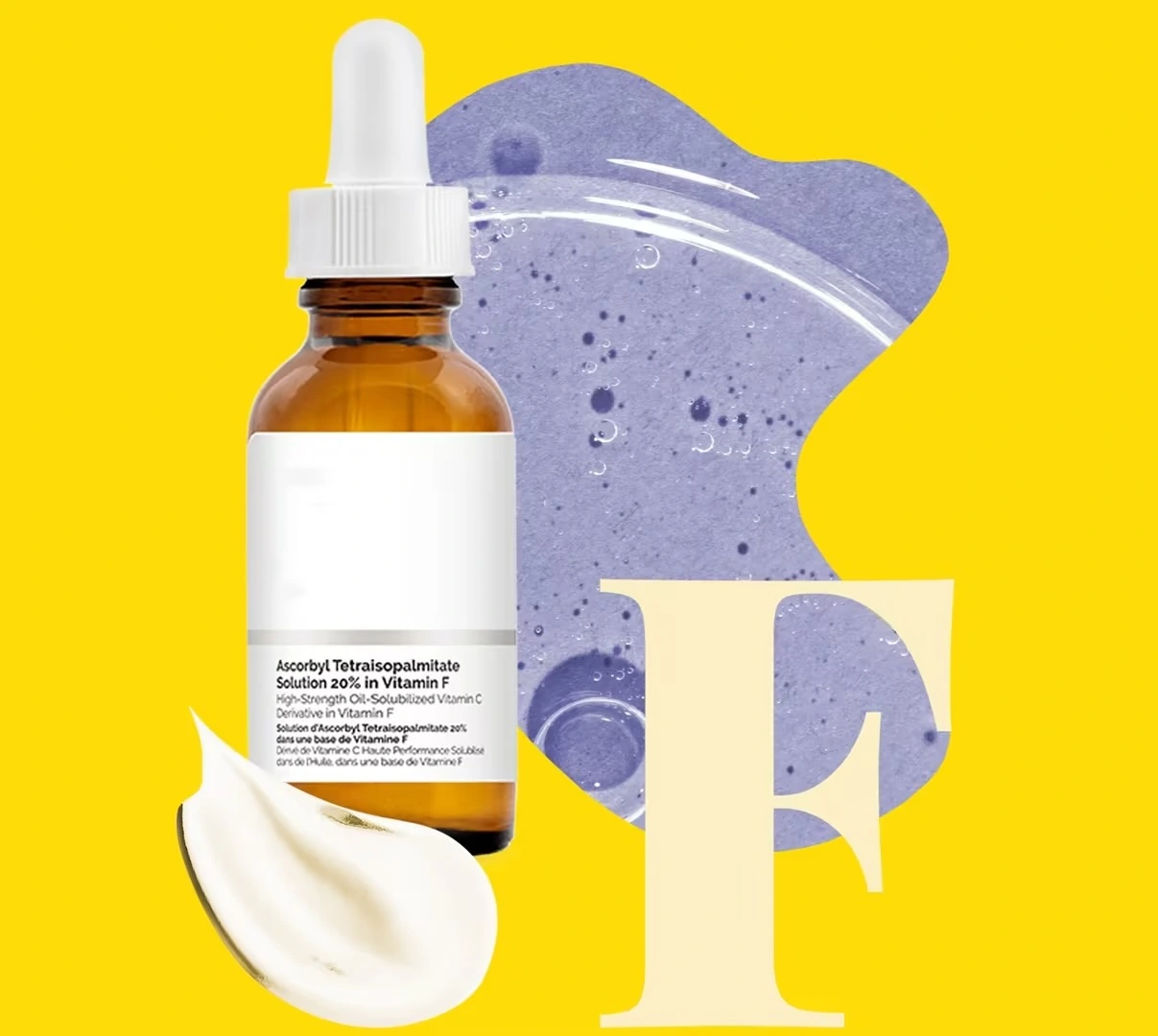
The best forms of Vitamin F for skincare include topical oils, serums, and moisturizers. These products are packed with omega-3 and omega-6 fatty acids, making them ideal for hydrating, soothing, and protecting your skin.
Daily Usage
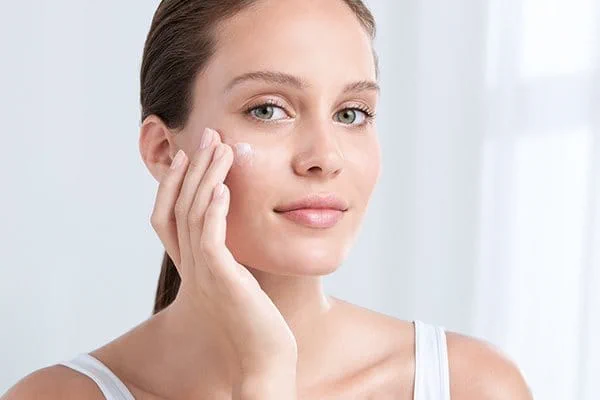
For best results, apply Vitamin F-based products twice daily—once in the morning and once before bed. In the morning, you can apply a lightweight Vitamin F serum or moisturizer after cleansing, and at night, you can use a richer Vitamin F oil to lock in moisture and nourish your skin while you sleep.
Pairing with Other Actives
Vitamin F works well with other active ingredients like Vitamin C, retinol, and hyaluronic acid. You can layer it with your favorite Vitamin C serum in the morning to boost brightening and anti-aging effects, or pair it with retinol at night for enhanced skin renewal. Just make sure to use sunscreen during the day, especially when using retinol.
Step-by-Step Usage Tips:
Cleanse: Start with a gentle cleanser to remove makeup and impurities.
Serum: Apply a Vitamin F serum to damp skin to lock in hydration.
Moisturize: Use a moisturizer containing Vitamin F to seal in moisture.
Sunscreen: If using Vitamin F in the morning, don’t forget your sunscreen to protect against UV damage.
By following this simple routine, you’ll ensure your skin gets the maximum benefits from Vitamin F every day.
Potential Side Effects and Considerations
While Vitamin F is generally safe for most skin types, it’s always important to take a few precautions when introducing new products into your routine.
Patch Testing
Before using a new Vitamin F product, do a patch test on a small area of your skin to make sure you don’t have an allergic reaction. Apply a small amount and wait 24 hours to check for any redness or irritation.
How to Choose Vitamin F Products
When choosing Vitamin F products, look for high-quality oils like organic rosehip oil, flaxseed oil, and chia seed oil. These oils are packed with the essential fatty acids your skin needs for the best results. Always choose products that are pure and organic.
Conclusion
Vitamin F is a great way to improve your skincare routine, providing hydration, barrier repair, calming inflammation, and protection against skin damage. It helps keep your skin looking healthy, smooth, and radiant.
Add Vitamin F to your routine for better skin health. Explore products rich in Vitamin F oils like rosehip, flaxseed, and chia seed oil. If you have specific skin concerns, reach out to Zicail for expert advice and product recommendations.
FAQs
What is Vitamin F and how does it benefit the skin?
Vitamin F is a blend of essential fatty acids, primarily omega-3 (ALA) and omega-6 (LA). It supports the skin barrier, keeps your skin hydrated, reduces inflammation, and protects against UV damage and environmental stressors.
Is Vitamin F suitable for sensitive skin?
Yes! Vitamin F is gentle and soothing, making it ideal for sensitive skin. It helps calm irritation, redness, and inflammation, providing relief for those with easily irritated skin.
Can Vitamin F help with acne-prone skin?
Absolutely. Vitamin F helps regulate sebum production, preventing clogged pores and breakouts. It also reduces inflammation, which can improve the appearance of acne-prone skin.
How do I incorporate Vitamin F into my skincare routine?
You can incorporate Vitamin F into your routine through topical oils, serums, or moisturizers. Apply twice daily—once in the morning and once before bed. It’s also great when paired with other active ingredients like Vitamin C or retinol.
Can Vitamin F replace sunscreen?
While Vitamin F offers some protection against UV damage, it should not replace your regular sunscreen. It provides extra protection, but you should still apply sunscreen during the day to protect your skin from harmful UV rays.
Emma has 6 years of experience in the skincare industry, with a strong focus on formulation logic, ingredient function, and real-world skin behavior. She is especially interested in how different skin types respond to routines and products, and she regularly studies professional skincare and dermatology resources to improve her practical guidance.
Note: Emma is not a medical professional. Her writing is based on industry experience and continuous learning. For persistent skin issues, consult a dermatologist.
Orange-peel skin can be caused by enlarged pores, collagen loss, clogged pores, or body dimpling. Learn what helps, what to avoid, and when to seek medical advice.
Oily skin is caused by genetics, hormones, climate, and skincare habits. Learn what triggers excess oil and how to reduce shine with the right routine.
To provide the best experiences, we use technologies like cookies to store and/or access device information. Consenting to these technologies will allow us to process data such as browsing behavior or unique IDs on this site. Not consenting or withdrawing consent, may adversely affect certain features and functions.
Functional
Always active
The technical storage or access is strictly necessary for the legitimate purpose of enabling the use of a specific service explicitly requested by the subscriber or user, or for the sole purpose of carrying out the transmission of a communication over an electronic communications network.
Preferences
The technical storage or access is necessary for the legitimate purpose of storing preferences that are not requested by the subscriber or user.
Statistics
The technical storage or access that is used exclusively for statistical purposes.The technical storage or access that is used exclusively for anonymous statistical purposes. Without a subpoena, voluntary compliance on the part of your Internet Service Provider, or additional records from a third party, information stored or retrieved for this purpose alone cannot usually be used to identify you.
Marketing
The technical storage or access is required to create user profiles to send advertising, or to track the user on a website or across several websites for similar marketing purposes.






 EN
 JA
