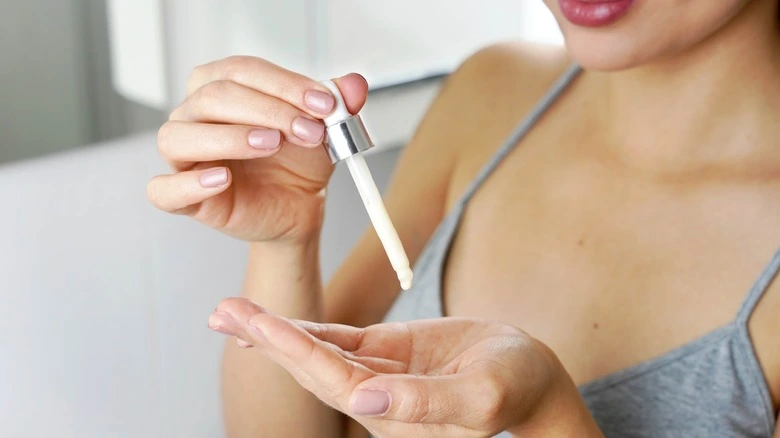
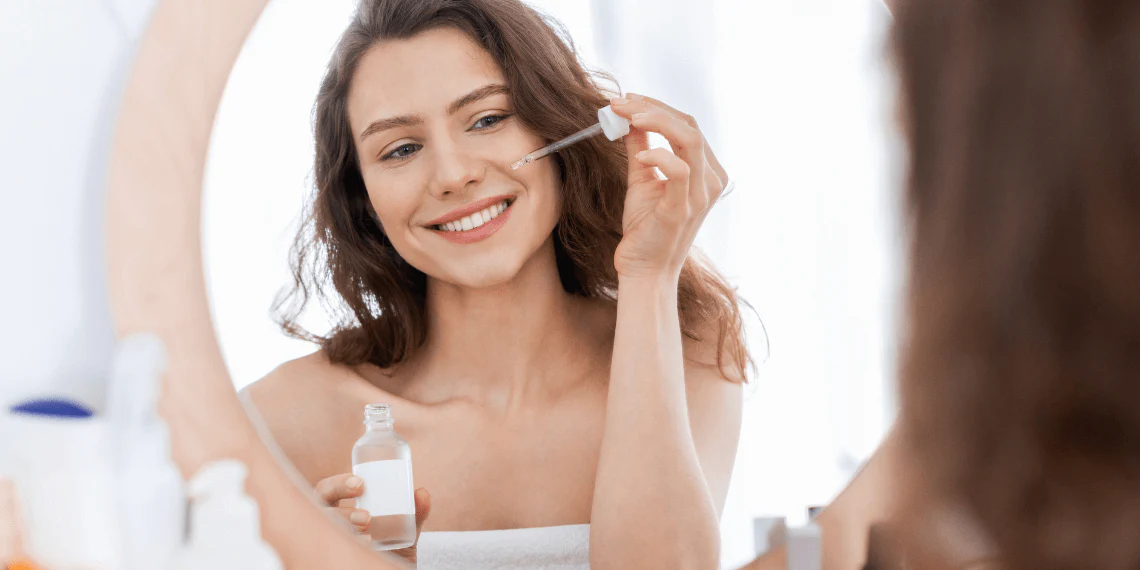
Tartaric Acid for Skin: Exfoliation & Anti-Aging Benefits

  • Zicail
  • /
  • Blog
  • /
  • Tartaric Acid for Skin: Exfoliation & Anti-Aging Benefits
Discover how tartaric acid, a natural AHA from grapes, gently exfoliates, brightens, and combats signs of aging for smoother, radiant skin.

Tartaric acid is a natural acid found in fruits like grapes, tamarinds, and bananas. It’s commonly used in skincare for its ability to exfoliate the skin and provide antioxidant protection. By removing dead skin cells, tartaric acid helps reveal smoother, fresher skin.

Tartaric acid is becoming more popular because it’s gentler than other acids, making it great for sensitive skin. It’s also sourced sustainably, often from winemaking by products, making it an eco-friendly choice for skincare.

Key Benefits for Skin
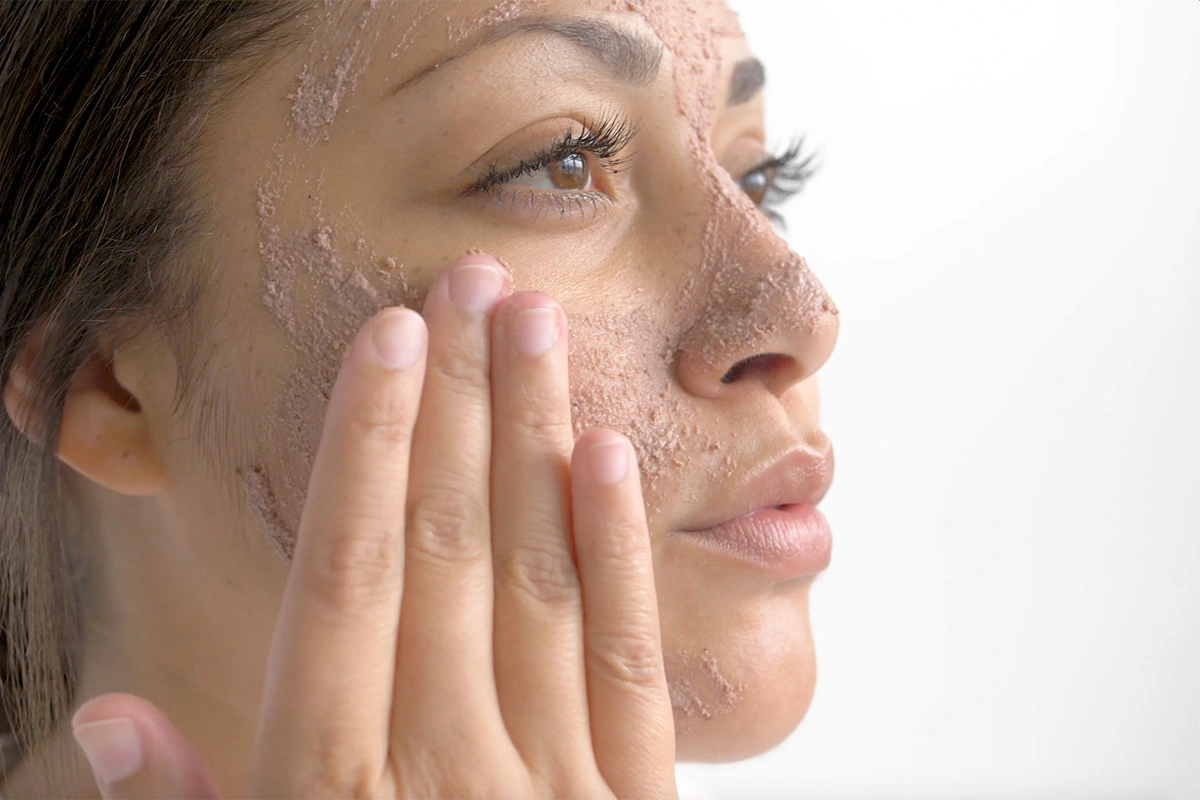
A woman applying a scrub with tartaric acid to her skin - Tartaric Acid for Skin: Exfoliation & Anti-Aging Benefits 2026 - Zicail

Gentle Exfoliation

Tartaric acid gently removes dead skin cells, promoting healthy cell turnover. This helps reveal smoother, brighter skin by improving texture and reducing dullness. It’s an ideal choice for those looking for a mild exfoliant that doesn’t irritate the skin.

Antioxidant Protection

Rich in antioxidants, tartaric acid helps protect the skin from free radicals and environmental stressors, which can cause premature aging.

It may also reduce the effects of UV-induced damage, making it a valuable addition to your skincare routine for defending against everyday skin damage.

Hydration and Healing

Tartaric acid helps bind moisture to the skin, keeping it hydrated and soft. It also aids in soothing and healing irritated or inflamed skin, making it an excellent choice for calming sensitive skin while maintaining a healthy, balanced complexion.
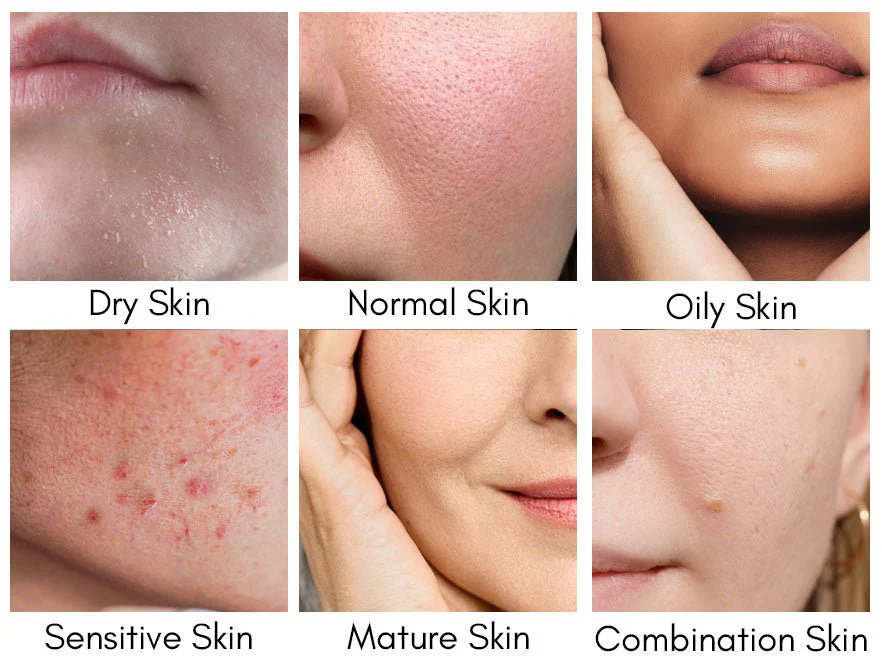
Who Should Use Tartaric Acid?

Different skin types dry normal oily sensitive mature and combination - Tartaric Acid for Skin: Exfoliation & Anti-Aging Benefits 2026 - Zicail

Ideal for:

Tartaric acid is perfect for dry, sensitive, or mature skin types. It offers gentle exfoliation, making it an excellent choice for people looking to refresh their skin without causing irritation.

If you want to improve your skin texture, reduce dullness, and enhance hydration, tartaric acid can be a great addition to your routine.

Use with Caution:

If you have active skin conditions like eczema or rosacea, it’s best to consult a dermatologist before using tartaric acid. While it’s gentle for most, it’s always a good idea to get professional advice to ensure it’s safe for your specific skin concerns.

How to Incorporate It into Your Routine

A woman undergoing an allergy patch test to identify skin reactions - Tartaric Acid for Skin: Exfoliation & Anti-Aging Benefits 2026 - Zicail

Product Types:

Tartaric acid can be found in various skincare products, including serums, toners, masks, and exfoliating cleansers. When shopping, look for products that contain tartaric acid in concentrations between 1–10%, which are generally effective and safe for regular use.

Application Tips:

To get the best results, start by doing a patch test to ensure your skin responds well to tartaric acid. Begin with 1–2 applications per week and gradually increase the frequency as your skin builds tolerance.

For best results, apply tartaric acid products in the evening to reduce sun sensitivity. And, of course, always follow up with a broad-spectrum sunscreen during the day to protect your skin from UV damage.

Safety and Side Effects

A woman applying a skincare serum highlighting safety and side effects - Tartaric Acid for Skin: Exfoliation & Anti-Aging Benefits 2026 - Zicail

General Safety

Tartaric acid is usually safe for most skin types. However, using it too often can cause irritation, so it’s important to follow product instructions.

Potential Side Effects

First-time users may experience mild redness, tingling, or peeling. If irritation continues, stop using the product and consult a dermatologist. Always start with a small amount to see how your skin reacts.

Ready to Transform Your Skin with Tartaric Acid?

Looking to enhance your skincare routine with the power of tartaric acid? Whether you’re seeking expert advice or high-quality products, we’re here to guide you every step of the way.

A woman applying skincare serum with tartaric acid for her skin - Tartaric Acid for Skin: Exfoliation & Anti-Aging Benefits 2026 - Zicail

Get in touch with us today for personalized recommendations and start your journey to healthier, glowing skin. Our team is ready to answer your questions and help you find the perfect skincare solutions!

FAQs

Can I use tartaric acid if I have oily skin?

Yes, tartaric acid is suitable for oily skin. It helps exfoliate and unclog pores, reducing the risk of acne and promoting a clearer complexion.

While tartaric acid is generally considered safe for topical use, it’s advisable to consult with a healthcare professional before using any new skincare products during pregnancy or breastfeeding to ensure safety.

Tartaric acid can be combined with other AHAs like lactic or glycolic acid, but it’s essential to monitor your skin’s response. Overuse of multiple exfoliating acids can lead to irritation.

Tartaric acid is milder than some other AHAs, making it suitable for sensitive skin. It offers gentle exfoliation and antioxidant protection, similar to other AHAs but with a lower risk of irritation.

Yes, tartaric acid can assist in reducing hyperpigmentation by promoting cell turnover and evening out skin tone. Regular use can lead to a brighter and more uniform complexion.

Picture of Emma

Emma

Emma has 6 years of experience in the skincare industry, with a strong focus on formulation logic, ingredient function, and real-world skin behavior. She is especially interested in how different skin types respond to routines and products, and she regularly studies professional skincare and dermatology resources to improve her practical guidance. Note: Emma is not a medical professional. Her writing is based on industry experience and continuous learning. For persistent skin issues, consult a dermatologist.

Table of Contents

Like this post? Share it on:

Related Articles for You

en_USEN
Rose-Makeup-Remover

Get Wholesale Prices & Custom Requests