

A skincare routine is a set of daily habits that help keep skin clean, comfortable, and protected. Because skin needs change with environment, lifestyle, and individual differences, no single skincare routine fits everyone.
This guide helps you understand how routines work and choose the right path for your situation, rather than offering step-by-step instructions or product recommendations.

What Is a Skincare Routine?
A skincare routine is not simply a list of products or steps. At its core, it is a set of daily habits designed to help skin stay stable, comfortable, and resilient as it faces changing environments and daily stress.
Most routines serve a few basic purposes: keeping skin clean, maintaining hydration, protecting it from environmental exposure, and supporting its natural recovery processes. These functions remain similar for everyone, but how they are balanced varies from person to person.
No two routines look exactly the same because skin responds differently under changing conditions and personal sensitivity. A routine works best when it adapts to real-life conditions rather than following a universal formula.
Understanding this foundation makes it easier to choose a routine path that fits your own needs instead of trying to copy someone else’s system.
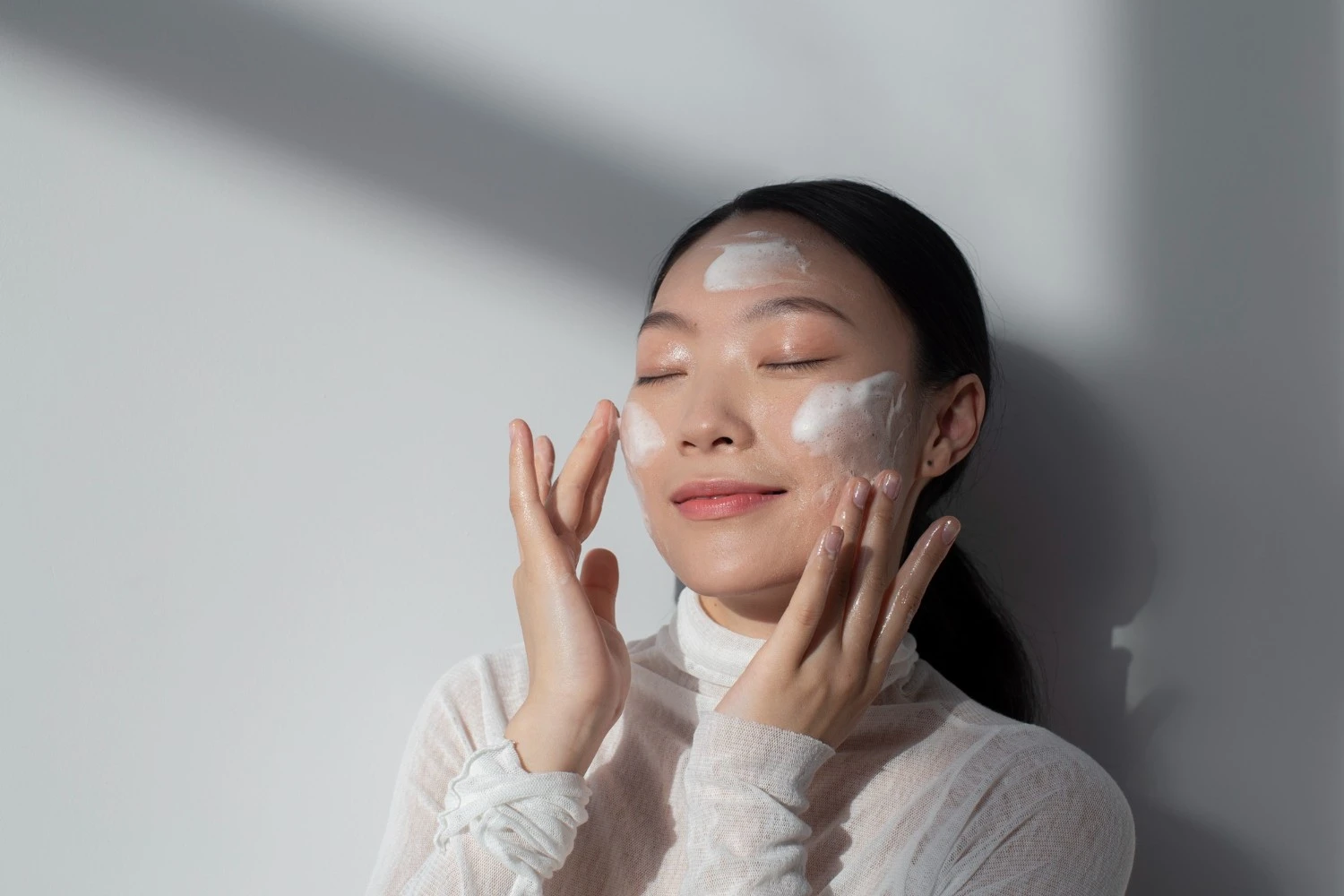
Why No Single Routine Works for Everyone
Many people look for a single “best” skincare routine, but routines naturally differ because skin lives in different conditions and responds in different ways. What works well for one person may feel uncomfortable or ineffective for someone else.
Several factors influence how routines need to adjust:
Skin type affects how much oil, dryness, or sensitivity a person experiences.
Climate and environment influence hydration levels, oil production, and barrier comfort.
Lifestyle habits, such as time outdoors, travel, or sleep patterns, change how skin reacts day to day.
Age and sensitivity can alter how skin tolerates products and environmental stress.
Daily exposure and stress, including pollution, sun exposure, or indoor heating, also affect skin balance.
Because these factors constantly shift, routines work best when they adapt to real-life conditions rather than follow popular trends.

The Four Building Blocks of a Routine
Although routines vary from person to person, most skincare habits are built around four basic functions. These building blocks help explain how routines support skin without requiring everyone to follow the same structure every day.
Cleanse
Cleansing helps remove sweat, oil, sunscreen, and environmental buildup so skin can stay comfortable and less prone to congestion or irritation.Treat
Treatment steps support specific skin concerns or goals, such as uneven texture or sensitivity. Not every routine needs treatment products all the time, but they can play a supporting role when needed.Moisturize
Moisturizing helps maintain hydration and supports the skin barrier so skin feels balanced rather than tight, dry, or overly oily.Protect
Protection mainly focuses on shielding skin from daily environmental stress, especially sunlight, which affects skin year-round.
Not every routine needs all four steps every day, and many routines keep things simpler depending on skin needs.

How Routines Change by Situation
A skincare routine is not fixed. It often shifts depending on when, where, and how skin is exposed to different conditions. Understanding this flexibility helps routines stay effective without becoming unnecessarily complicated.
Several situations commonly influence how routines adjust:
Morning vs. night differences
Daytime routines usually focus on preparing and protecting skin, while nighttime routines tend to support recovery after daily exposure.Seasonal changes
Temperature, humidity, and sunlight vary throughout the year, which can affect oil production, hydration levels, and skin comfort.Skin type variations
Oily, dry, or sensitive skin may respond differently to the same products, requiring adjustments over time.Lifestyle influences
Travel, outdoor activity, work environments, and stress levels can all affect how skin behaves.
The key idea is simple: routines work best when they evolve with changing conditions rather than staying rigid all year.
Choose the Right Routine Path
Once you understand how routines work, the next step is choosing guidance that matches your current needs. Different readers arrive here with different questions, so the best path depends on what you want to solve next.
If you’re starting skincare and want a safe, simple foundation
→ Explore the Beginner Skincare Routine for an easy starting point.If you want to understand how product layering works
→ Read How to Layer Skincare to learn how routines are structured.If you’re unsure how morning and night routines differ
→ See the AM vs PM Routine Guide to understand timing logic.If you want to adjust routines across the year
→ Check the Seasonal Skincare Routine guide.If you already know your skin type
→ Explore routines designed for oily, dry, combination or sensitive skin.
Choose the path that best answers your current question so your routine evolves naturally over time.
Common Routine Mistakes
Many routine problems don’t come from using the wrong products, but from decisions that make decisions that make routines harder for skin to tolerate or benefit from over time. Understanding these patterns helps build routines that stay stable over time.
Common logic mistakes include:
Adding too many products at once
More steps don’t always lead to better results. Overloading routines can make it harder to see what actually works and may overwhelm skin.Copying someone else’s routine
A routine that works for another person may not suit your skin type, environment, or lifestyle conditions.Ignoring skin signals
Tightness, irritation, or sudden oiliness often indicate that routines need adjustment rather than more products.Changing products too often
Frequent switching prevents skin from adapting and makes it difficult to judge whether a routine is helping.
Recognizing these patterns helps routines become guided by skin’s responses instead of trends or expectations.


 EN
 JA
