Why Even Water Irritates Your Skin: Full Guide

  • Zicail
  • /
  • Blog
  • /
  • Why Even Water Irritates Your Skin: Full Guide
If even water stings your skin, the cause is often a weakened skin barrier, hard water minerals, chlorine, or rare water-induced conditions. Understanding your triggers helps reduce irritation.

Have you ever splashed your face with plain water and still felt a sting, burn, or tightness afterward? It can be confusing, especially when you’re not using any cleanser or product. But this reaction is actually more common than you might think.

In this article, we break down the real reasons why even water can irritate your skin. From a weakened skin barrier to water quality issues, you’ll learn what might be going on and how to start fixing it. The explanations are simple, clear, and backed by dermatology insights and findings from top-ranked articles.

How Healthy Skin Should React to Water

Woman washing face with water in skincare routine - Why Even Water Irritates Your Skin: Full Guide 2026 - Zicail

The Skin Barrier and Acid Mantle

Healthy skin is protected by a strong barrier made of natural oils, lipids, and a thin acidic layer called the acid mantle.

This layer normally stays around pH 4.7–5.5, helping your skin stay moisturized and protected from irritants. When this barrier is intact, water should feel neutral and non-irritating (1).

Why a Weakened Barrier Reacts to Water

When the barrier becomes damaged, your skin loses moisture more easily and becomes more reactive. Even plain water can make it sting or burn because the skin can’t protect itself the way it normally does.

Your skin’s microbiome, the community of good bacteria on the surface, also plays a big role in keeping the barrier stable. When this balance is disrupted, sensitivity increases even more.

Water Itself Can Irritate Skin: Here’s Why
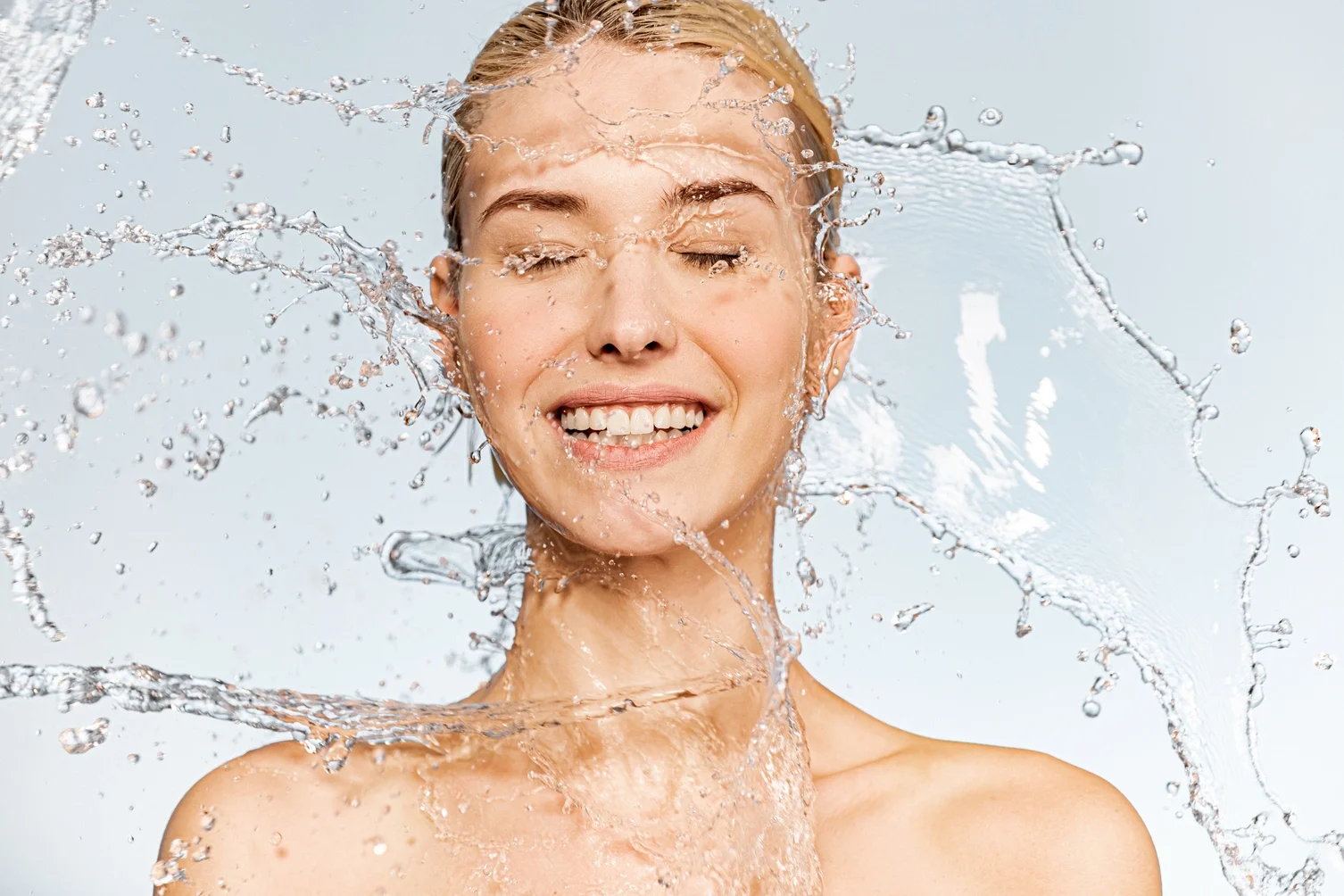
Smiling woman splashed with clear fresh water - Why Even Water Irritates Your Skin: Full Guide 2026 - Zicail

  • Hard Water Minerals: Hard water has calcium and magnesium (2), which can mix with cleansers and leave a film on your skin. This buildup leads to dryness and barrier damage, and it may trigger eczema flare-ups in sensitive people.
  • Chlorine and Disinfectants: Tap water often contains chlorine or chloramine. These can strip away your skin’s natural oils, causing tightness, redness, or a burning feeling.
  • Water pH Mismatch: Many cities use water that is more alkaline than your skin. Alkaline water can weaken the acid mantle and raise the risk of irritation.
  • Heavy Metals and Water Impurities: Some tap water carries (3) iron, copper, or small contaminants from old pipes. These impurities can irritate sensitive or damaged skin.

Underlying Skin Conditions That Make Water Feel Irritating

Woman examining acne and blemishes on her cheek - Why Even Water Irritates Your Skin: Full Guide 2026 - Zicail

  • A Weakened Skin Barrier: When your skin barrier is damaged, it can’t hold moisture or protect you from irritants the way it should. Even plain water can feel sharp, sting, or burn because the skin is already exposed and vulnerable.
  • Eczema / Atopic Dermatitis: People with eczema often have dry, cracked, and inflamed skin. Water can easily seep into these tiny breaks in the skin, causing discomfort or a burning sensation.
  • Contact Dermatitis: If you’ve reacted to soaps, detergents, fragrances, or other products in the past, your skin may already be irritated. When water hits inflamed skin, the stinging can feel stronger and more noticeable.
  • Seborrheic Dermatitis: This condition affects oily areas like the face and scalp. When the skin is inflamed, even gentle water contact may feel uncomfortable.
  • Rosacea: Rosacea-prone skin is very reactive. Temperature changes, water pressure, or even plain water can trigger redness, heat, or burning.
  • Psoriasis: Psoriasis causes thick, inflamed patches of skin with a weakened barrier. Water can irritate these areas and make them feel sore or sensitive.

When Irritation Isn’t About Water — But About What Touches the Skin With the Water
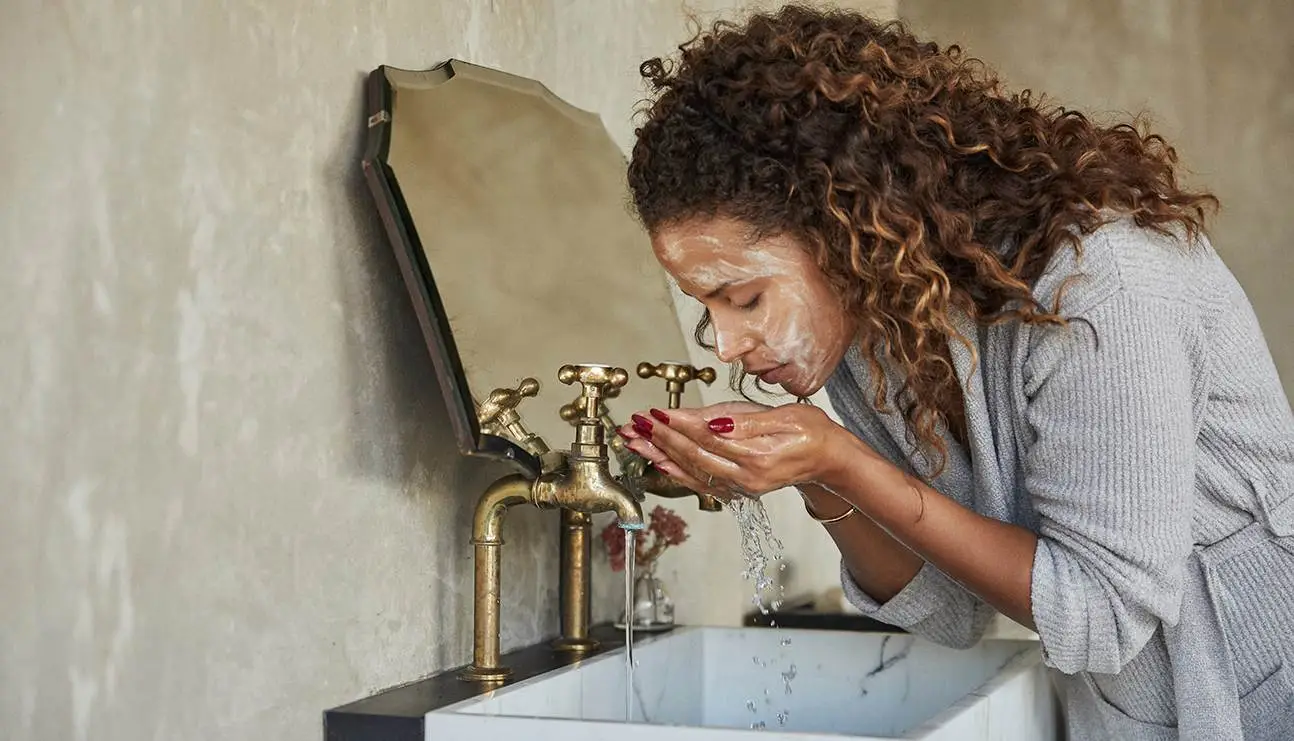
Woman rinsing her face with foamy cleanser at a vintage sink - Why Even Water Irritates Your Skin: Full Guide 2026 - Zicail

Leftover Products on the Skin

Sometimes the problem isn’t the water at all — it’s what’s sitting on your skin when the water hits it. Residue from soap, shampoo, conditioner, or shaving foam can react with water and cause stinging, especially if the formulas are strong or not fully rinsed off.

High-Fragrance or High-pH Cleansers

Cleansers with fragrance, alcohol, or a high pH can disrupt the acid mantle and leave your skin more vulnerable. When you rinse them off, the water simply highlights the irritation that’s already happening underneath.

Harsh Exfoliants

If you use AHA, BHA, retinoids, or scrubs, your skin may already be more sensitive. Adding water right after exfoliation can make your skin sting because the barrier is temporarily weakened.

Overcleansing

Washing too often or using strong cleansers can strip your skin of its natural oils. This leads to barrier damage, dryness, and sensitivity — which makes even plain water feel like it burns.
Environmental & Lifestyle Triggers

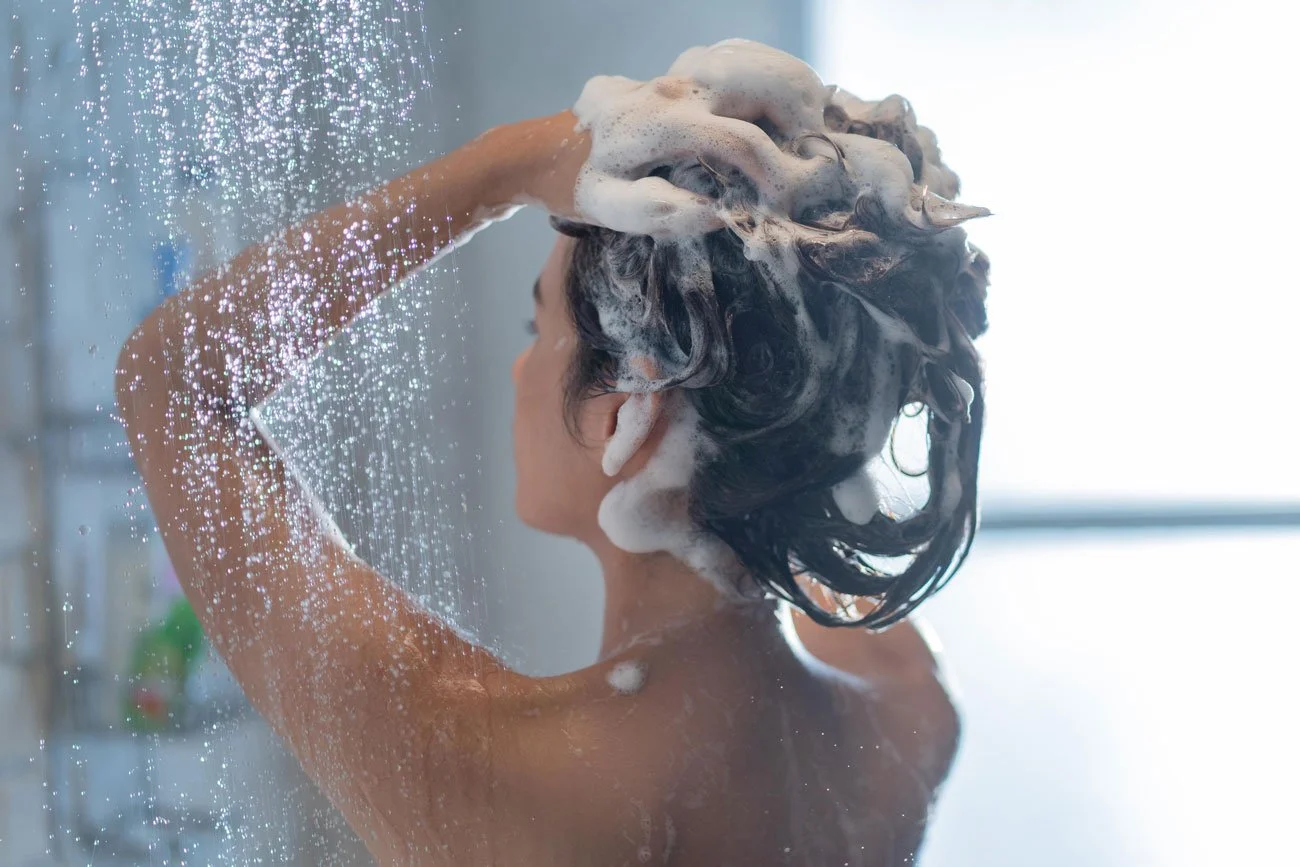
Woman shampooing hair under running shower water - Why Even Water Irritates Your Skin: Full Guide 2026 - Zicail

  • Long Hot Showers: Hot water can strip your skin’s natural oils much faster than lukewarm water. Over time, this leads to dryness and a weakened barrier, making your skin more reactive — even to plain water.
  • Overuse of Exfoliating Acids: Using too much AHA or BHA can thin the top layer of your skin and leave it sensitive. When the barrier is compromised, rinsing with water can easily trigger burning or stinging.
  • Retinoids on Irritated Skin: Retinoids speed up skin turnover, which can cause peeling, dryness, and irritation. If you apply them on already sensitive skin, even water can feel harsh during cleansing.
  • Low Humidity and Dry Seasons: Dry air pulls moisture from your skin, especially in winter or desert climates. When the skin is dehydrated and tight, water may feel irritating instead of soothing.
  • Living in Hard-Water Regions: If you live in an area with hard water, the mineral buildup can dry out your skin over time. This long-term exposure often leads to chronic sensitivity and makes water feel uncomfortable.

How to Reduce Irritation When Water Hurts Your Skin

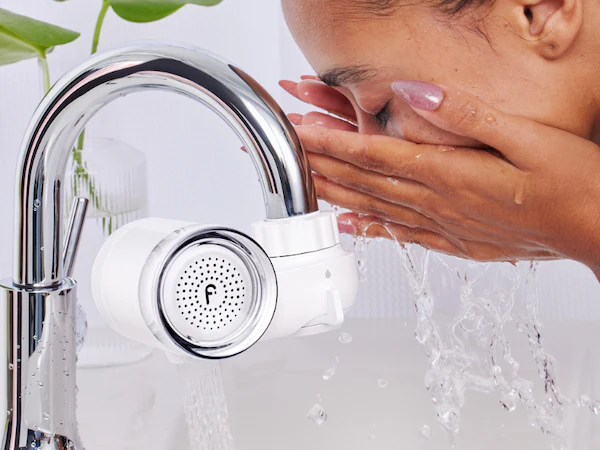
Close up of woman washing face using faucet filter - Why Even Water Irritates Your Skin: Full Guide 2026 - Zicail

Improve Water Quality

Using a shower filter can help remove chlorine and metals that irritate the skin. If you live in a hard-water area, a water softener may reduce dryness. For very sensitive skin, try rinsing your face with filtered or mineral water.

Adjust Your Cleansing Routine

Pick pH-balanced, fragrance-free cleansers to avoid stripping your skin. Keep showers short and avoid very hot water. Choose gentle products that protect and support your skin barrier.

Strengthen the Skin Barrier

Look for barrier-repair ingredients like ceramides and use niacinamide at a low percentage if you’re sensitive. Add occlusives to lock in moisture, and wear sunscreen daily to prevent more barrier damage.

When to See a Dermatologist

If your skin still burns even with a gentle routine, or if you think you may have a water-related condition, see a dermatologist. Get help if symptoms worsen or don’t improve after a few weeks.

Ready to Get Personalized Skincare Help?

If your skin reacts to even plain water and you’re not sure why, you don’t have to figure it out alone. Our team can help you understand your triggers and guide you toward a routine that actually works for sensitive skin.

Woman washing face at sink with towel wrapped on head - Why Even Water Irritates Your Skin: Full Guide 2026 - Zicail

Have questions or need expert advice? Contact us today — we’re here to help you get clearer, calmer, and more comfortable skin.

Can simply switching to bottled or distilled water stop skin irritation?

Yes — for some people, using filtered, distilled, or low-mineral water can reduce skin irritation. Hard water often leaves mineral residue that dries out skin or blocks pores. Many dermatologists recommend soft or filtered water for sensitive skin.

It’s extremely rare, but there are conditions like Aquagenic Urticaria or Aquagenic Pruritus, in which skin reacts to water contact — causing hives or intense itching.

However, most cases of water-related irritation are due to water quality or a weakened skin barrier, not a true “water allergy.”

Yes. Pool water often contains chlorine and other disinfectants that strip skin’s natural oils and dry it out. This can trigger flares of eczema or dermatitis, especially in sensitive individuals.

Quite possibly. Hard water can leave mineral and soap residue on skin. That build-up can clog pores, make skin dry or irritated, and aggravate acne — especially for those prone to breakouts.

Yes. Even with the gentlest routine, if the water quality is poor (hard minerals, chlorine, wrong pH) or if your skin barrier is already weak, you may still feel stinging or tightness. In those cases, improving water quality or using filtered water can make a major difference.

References for this information:

(1) Healthline, “Is Tap Water Bad for Your Skin?”, Healthline Official Website, 2025.

(2) Culligan, “Can Hard Water Cause Acne? The Link Between Water Quality and Skin Health”, Culligan Official Website, 2025.

(3) Springwell Water, “6 Toxic Water Contaminants That May Irritate Your Skin”, Springwell Water Official Website, 2025.

Picture of Lucy

Lucy

Lucy is a Senior Sales Manager with 8 years of experience in the skincare industry, combining market insight with hands-on product knowledge. She works closely with R&D and production teams, tests products in daily routines, and brings a global perspective shaped by frequent overseas market visits. Note: Lucy is not a medical professional. Her content reflects industry experience, market exposure, and personal testing. For medical advice, please consult a dermatologist.

Table of Contents

Like this post? Share it on:

Related Articles for You

en_USEN
Rose-Makeup-Remover

Get Wholesale Prices & Custom Requests