

Polyglutamic acid (PGA) is a polypeptide made from amino acids and produced by Bacillus bacteria during fermentation. It’s a powerful humectant, meaning it draws moisture from the air and pulls it into your skin, holding up to 5000 times its weight in water—even more effective than hyaluronic acid.
PGA helps to keep your skin hydrated, plump, and smooth, while also boosting skin elasticity and reducing fine lines. Lightweight and non-greasy, it’s suitable for all skin types, including sensitive and oily skin. Whether you’re looking to restore moisture or fight aging, polyglutamic acid is an excellent addition to your skincare routine.
What is Polyglutamic Acid?

Polyglutamic acid is a powerful ingredient used in skincare to help your skin stay hydrated. It’s made up of glutamic acid molecules that are linked together in a chain, forming a polymer. This structure makes it very effective at holding moisture on your skin.
Origin and Production
Polyglutamic acid is found in fermented foods like natto, a Japanese dish made from soybeans. In skincare, it’s mostly made in labs using bacteria to create a pure, effective version for your skin.
Key Benefits of Polyglutamic Acid

Polyglutamic acid is an amazing skincare ingredient that brings many benefits to your skin. Let’s take a look at what makes it so special.
Hydration Power
Polyglutamic acid can hold up to 4 times more moisture than hyaluronic acid, helping to keep your skin hydrated even in dry or low-humidity environments. It works by locking in moisture, keeping your skin soft and plump.
Anti-Aging Effects
By keeping your skin well-hydrated, polyglutamic acid helps reduce the appearance of fine lines, wrinkles, and pores. Hydrated skin looks more youthful and fresh, making you look younger overall.
Smoother, Plumper Skin
Polyglutamic acid helps improve your skin’s texture by keeping it hydrated and smooth. This gives your skin a plumper and healthier look, making it the perfect base for makeup.
Promoting Natural Moisturizing Factors (NMF)
Polyglutamic acid helps support your skin’s natural ability to stay hydrated by promoting natural moisturizing factors (NMF). It also helps boost the performance of hyaluronic acid, keeping your skin moisturized and glowing.
Polyglutamic acid is a must-have ingredient for anyone looking to improve skin hydration, smoothness, and overall appearance. It’s perfect for keeping your skin looking youthful and healthy.
Polyglutamic Acid vs. Hyaluronic Acid

Both polyglutamic acid and hyaluronic acid are fantastic for keeping your skin hydrated, but they each have their own strengths. Let’s break down how they compare.
Comparison of Effectiveness
Polyglutamic acid can hold up to 4 times more moisture than hyaluronic acid, making it a more powerful hydrating ingredient. While both draw moisture to the skin, polyglutamic acid is better at locking it in, especially in dry conditions, keeping your skin hydrated for longer.
Synergistic Benefits
These two ingredients actually work well together. Polyglutamic acid locks moisture in, while hyaluronic acid helps bring water into the skin. When used together, they provide deep, long-lasting hydration and help protect the skin barrier, leaving your skin feeling soft and smooth all day.
Using both in your routine can give your skin the best hydration and protection, no matter your skin type.
How to Use Polyglutamic Acid in Your Skincare Routine
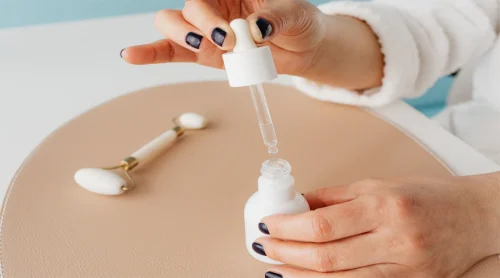
Best Formulations:
- Polyglutamic acid is available in various skincare products such as serums, creams, gels, and lotions.
- For the most effective hydration and skin elasticity, look for products with a high concentration of PGA.
- Many serums and moisturizers now feature polyglutamic acid as a key ingredient due to its powerful hydration and anti-aging benefits.
Layering Tips:
- To get the full benefit from polyglutamic acid, layer it in the correct order.
- Start by applying PGA first on clean skin, as it acts as a humectant and pulls moisture into your skin.
- Follow up with other active ingredients like vitamin C, retinol, or AHAs. These can work alongside PGA without causing irritation, as PGA is lightweight and non-irritating.
- For added hydration and to lock in moisture, apply a moisturizer or occlusive cream after PGA. This helps trap the moisture and keeps your skin feeling plump and smooth.
Application Order:
- To maximize the hydration benefits, apply PGA under your moisturizer to create a barrier and lock in the moisture.
- PGA can be easily layered with sunscreen and makeup as well, offering extra hydration and a smooth base for your makeup.
- Always apply sunscreen after PGA to ensure your skin is protected from UV rays, keeping it hydrated and safe from sun damage throughout the day.
- For night care, you can use PGA under your night cream to ensure deep hydration while you sleep.
By following these steps, you’ll help ensure that polyglutamic acid performs its best, offering your skin continuous hydration and supporting its overall health and appearance.
What Skin Types Can Benefit from Polyglutamic Acid?

All Skin Types:
One of the great things about polyglutamic acid is its lightweight, non-oily texture, which makes it suitable for all skin types. Whether you have dry, oily, or combination skin, PGA can provide the hydration your skin needs without leaving it feeling greasy or heavy.
Dry, Dehydrated Skin:
If you struggle with dry or dehydrated skin, polyglutamic acid could be a game-changer. Its powerful humectant properties allow it to draw in moisture from the air and bind it to the skin, keeping your skin hydrated for hours. This makes PGA an ideal solution for those looking to improve moisture retention and restore a healthy, glowing complexion.
Sensitive Skin:
Even if you have sensitive skin, polyglutamic acid is a safe option. Studies show that PGA is non-irritating and can be used without causing redness or irritation. Its soothing properties help calm the skin while providing deep hydration, making it a great addition to a sensitive skin routine.
By including polyglutamic acid in your skincare routine, you can enjoy its hydrating, anti-aging, and skin-repairing benefits, no matter your skin type.
Possible Side Effects and Precautions
 Allergic Reactions:
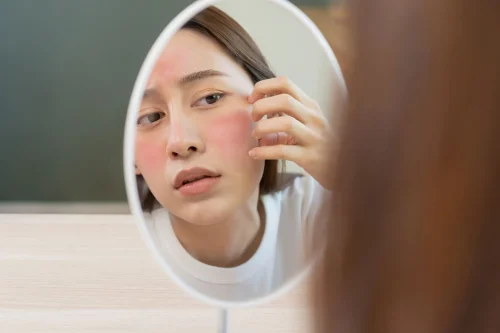 Allergic Reactions:
While polyglutamic acid is generally considered safe for most skin types, it’s always a good idea to do a patch test before using any new product. This will help you check for any potential sensitivities or allergic reactions. Common signs to watch for include redness, irritation, or itchiness.
Simply apply a small amount of the product to a discreet area of skin (like your inner arm) and wait for 24 hours to see if any reactions occur. If you experience any of these symptoms, it’s best to discontinue use and consult with a dermatologist.
Safe for Daily Use:
Polyglutamic acid is widely regarded as safe for daily use in your skincare routine. In fact, several studies have confirmed its safety and effectiveness, making it a great addition to both morning and evening skincare regimens.
Since it is a gentle humectant, it works well alongside other products like vitamin C, retinol, and sunscreen without causing irritation. However, always remember to introduce new products gradually, especially if you have sensitive skin.
Conclusion

Polyglutamic acid is an amazing ingredient that provides deep hydration and helps keep your skin plump and smooth. It can hold up to 4 times more moisture than hyaluronic acid, making it a great choice for reducing the appearance of fine lines and wrinkles. It works well for all skin types and helps improve your skin’s overall health and appearance.
If you want to enjoy the benefits of hydrated, youthful-looking skin, it’s time to try products with polyglutamic acid. Check out our skincare collection to experience the difference it can make. For more information or personalized advice, feel free to contact Zicail. We’re here to help you find the best products for your skin!


 EN
 JA
