

What Vitamin C for Skin Is
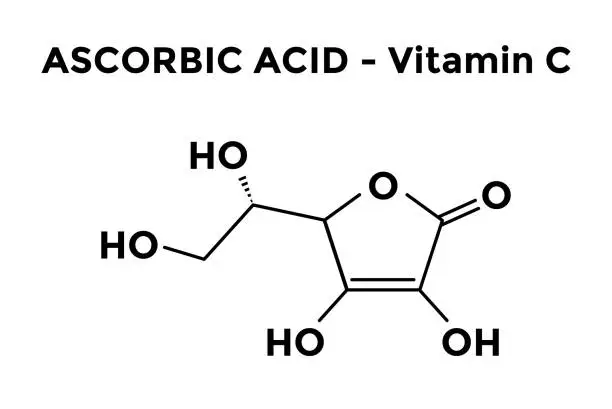
When people talk about vitamin C for skin, they’re usually referring to topical vitamin C—serums or creams applied directly to the skin.
This is different from dietary vitamin C, which supports overall health but delivers far fewer visible skin benefits.
In skincare, vitamin C is best known for three core roles:
Antioxidant protection against environmental stress
Brightening to improve uneven tone and dark spots
Collagen support to help keep skin firm and smooth
Unlike retinoids or exfoliating acids, vitamin C does not exfoliate the skin.
Instead, it works by protecting and supporting the skin, which is why it’s often used daily and commonly paired with sunscreen.
In this guide, we’ll break down how vitamin C works, which forms are most effective, and how to use it safely—so you can decide if it fits your routine and skin goals.
How Vitamin C Works in Skin
Vitamin C works in the skin through a few well-studied biological actions.
You don’t need a science background to understand the basics—here’s what actually matters for your skin.
Neutralizes Free Radicals (Antioxidant Protection)
Vitamin C is a potent antioxidant.
It helps neutralize free radicals created by:
Sun exposure (UV light)
Air pollution
Normal skin metabolism
Free radicals damage skin cells and accelerate visible aging.
By neutralizing them, topical vitamin C helps reduce long-term stress on the skin.
Supports Collagen Production
Collagen is the protein that keeps skin firm and smooth.
Vitamin C plays a direct role in:
Collagen synthesis
Collagen stability
With consistent use, this support can help soften the appearance of fine lines and improve overall skin texture.
Helps Reduce Dark Spots and Uneven Tone
Vitamin C can inhibit excess melanin formation, the process that leads to dark spots and uneven pigmentation.
This is why it’s commonly used for:
Post-acne marks
Sun spots
Dull or uneven skin tone
It doesn’t bleach the skin—instead, it helps regulate pigment production over time.
Supports the Skin Barrier
Vitamin C may also help strengthen the skin barrier by supporting lipid balance and reducing oxidative stress.
A healthier barrier can:
Improve moisture retention
Make skin feel smoother and more resilient
This effect is supportive rather than dramatic, but it contributes to overall skin health.
Top Benefits of Vitamin C for Skin
Used consistently, vitamin C supports several visible improvements in skin quality.
These benefits build over time—think weeks, not days.

Brightens Complexion & Reduces Dark Spots
Vitamin C helps regulate excess pigment formation, which can:
Fade the look of sun spots and post-acne marks
Improve uneven tone
Restore a brighter, more even complexion
Results are gradual but noticeable with regular use.
Boosts Collagen & Firmness
Vitamin C supports collagen production and stability.
Over time, this can help:
Improve skin firmness
Soften the appearance of fine lines
Support smoother-looking skin
It won’t replace in-office treatments, but it’s a strong daily support ingredient.
Protects Against Environmental Stress
As an antioxidant, vitamin C helps defend the skin against daily stressors like:
UV exposure
Air pollution
Oxidative damage from normal metabolism
This protective role is one reason vitamin C is commonly used in morning routines.
Improves Overall Texture & Tone
By supporting cell health and reducing oxidative stress, vitamin C can:
Make skin look smoother
Improve overall clarity
Enhance skin’s natural glow
These changes tend to appear subtly but steadily with consistent use.
Best Forms & Concentrations of Vitamin C in Skincare
Not all vitamin C products work the same.
The form, concentration, and packaging determine how effective—and how gentle—a product will be.
Common Forms of Vitamin C
| Form | What It Is | Pros | Cons | Best For |
|---|---|---|---|---|
| L-Ascorbic Acid (LAA) | Pure vitamin C | Most potent; strongest evidence | Unstable; can sting; oxidizes easily | Experienced users, normal–oily skin |
| Sodium Ascorbyl Phosphate (SAP) | Water-soluble derivative | More stable; gentler; acne-friendly | Less potent than LAA | Sensitive or acne-prone skin |
| Magnesium Ascorbyl Phosphate (MAP) | Water-soluble derivative | Gentle; hydrating | Slower results | Dry or sensitive skin |
| THD Ascorbate | Oil-soluble derivative | Very stable; penetrates well | Higher cost; slower onset | Sensitive skin, long-term use |
Dermatologist note: “Stronger” isn’t always better. Tolerability and consistency matter more than peak strength.
Recommended Concentrations
5–10%: Good starting range; suitable for sensitive skin or beginners
10–15%: Balanced efficacy and tolerability for most users
15–20%: Higher potency; suitable for experienced users with good tolerance
Higher percentages don’t guarantee better results and can increase irritation.
Many dermatologists recommend starting low and increasing only if your skin stays comfortable.
Why Packaging Matters
Vitamin C—especially L-ascorbic acid—degrades with light, air, and heat.
Poor packaging can make a product ineffective before you finish it.
Look for:
Dark or opaque bottles
Airless pumps or tightly sealed droppers
Fresh color (clear to pale yellow; deep yellow/brown suggests oxidation)
How to Use Vitamin C Safely & Effectively
Using vitamin C the right way helps you get results without irritation.
A few simple habits make a big difference.
When to Apply
Morning is ideal. Vitamin C provides antioxidant support during the day and works especially well under sunscreen.
Night use is also fine if your skin prefers it or if you’re layering other actives in the morning.
Correct Routine Order
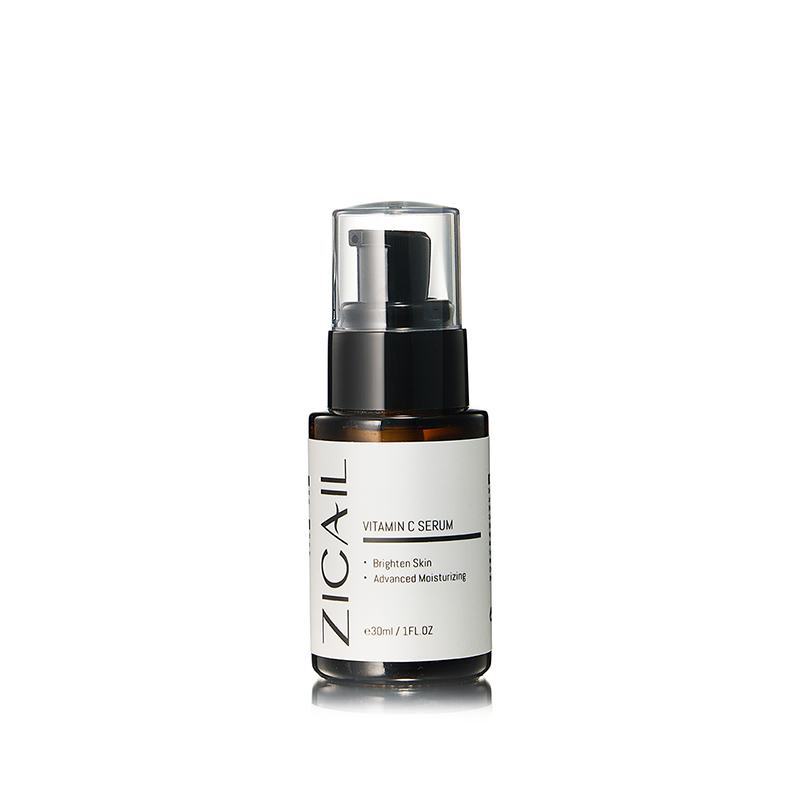
Apply vitamin C on clean skin so it can absorb properly:
Vitamin C serum
Moisturizer
Sunscreen (AM)
Keep layers light and allow each step to absorb before the next.
Patch Test & Introduce Gradually
If you’re new to vitamin C—or have sensitive skin:
Patch test on a small area for 24 hours
Start 2–3 times per week, then increase as tolerated
Mild tingling can be normal; burning or redness is not
Layering with Other Actives
With retinol: Many people prefer vitamin C in the morning and retinol at night to reduce irritation.
With exfoliating acids (AHA/BHA): Avoid using them at the same time, especially if your skin is sensitive. Alternate days if needed.
Dermatologist tip: If your routine stings, simplify. Vitamin C works best on calm, well-hydrated skin.
Store It Properly
Vitamin C can oxidize and lose potency.
Keep products tightly closed
Store away from heat and direct light
Discard if the color turns dark yellow or brown
Common Mistakes & How to Avoid Them
Vitamin C is effective, but results depend on how it’s used.
These common mistakes can limit benefits—or cause unnecessary irritation.
Expecting Instant Results
Vitamin C works gradually.
Brightening and texture improvements usually take several weeks of consistent use.
Give your skin time to respond before switching products.
Avoid it by: committing to regular use for at least 6–8 weeks before judging results.
Mixing with Strong Actives at the Same Time
Using vitamin C alongside exfoliating acids (AHA/BHA) or benzoyl peroxide can increase irritation or reduce effectiveness.
Avoid it by:
Using vitamin C in the morning
Reserving acids or benzoyl peroxide for night or alternate days
Using Unstable or Oxidized Products
Vitamin C—especially L-ascorbic acid—can degrade with air, light, or heat.
Oxidized products are less effective and more likely to irritate.
Avoid it by:
Choosing well-packaged products
Checking color regularly and discarding if it turns dark yellow or brown
Starting with Too High a Concentration
Higher percentages aren’t always better.
Sensitive skin may react to strong formulas, leading to redness or stinging.
Avoid it by:
Starting with lower concentrations
Increasing strength only if your skin tolerates it comfortably
Vitamin C & Specific Skin Concerns
Vitamin C is versatile, but how it helps—and which form works best—depends on your main skin concern.
Here’s how to use it more strategically.
Aging & Wrinkles
Vitamin C supports collagen production and stability, which helps skin stay firmer and smoother over time.
With consistent use, it can soften the look of fine lines and improve overall texture.
Expert note: Vitamin C won’t erase deep wrinkles, but it’s a strong daily support ingredient—especially when paired with sunscreen.
Best approach:
Moderate to higher strengths (as tolerated)
Daily use for long-term maintenance
Dark Spots & Hyperpigmentation
Vitamin C helps regulate excess melanin formation, making it useful for:
Sun spots
Post-acne marks
Uneven tone
Results are gradual and depend on consistent use and sun protection.
Best approach:
Daily application
Pair with sunscreen to prevent new discoloration
Expect visible improvement over weeks, not days
Acne & Inflammation Support
Vitamin C isn’t an acne treatment, but it can help by:
Reducing inflammation and redness
Supporting healing of post-acne marks
Providing antioxidant protection without clogging pores
Expert note: Some forms are better tolerated on acne-prone skin than others.
Best approach:
Use gentler, water-based derivatives
Avoid layering with strong acne treatments at the same time
Choosing the Right Vitamin C for Your Skin Type
Dry skin: Look for gentler forms paired with hydrating ingredients to support barrier function.
Oily skin: Lightweight, water-based formulas absorb quickly and won’t feel greasy.
Sensitive skin: Start with lower concentrations or stable derivatives; patch test and introduce slowly.
Dietary Vitamin C vs. Topical Vitamin C
Vitamin C supports skin health in two different ways—from the inside (diet) and directly on the skin (topical).
Both matter, but they don’t do the same job.
How Diet Supports Skin Health
Vitamin C from food helps maintain overall oxidative balance in the body.
Adequate intake supports:
Normal collagen formation throughout the body
Wound healing and immune function
Baseline antioxidant protection
Eating fruits and vegetables rich in vitamin C is important for general health—but it sets a foundation, not a targeted skin treatment.
Why Topical Vitamin C Drives Visible Results
Topical vitamin C delivers the ingredient directly to the skin, where it can:
Reach higher local concentrations in the epidermis
Neutralize free radicals from UV and pollution at the surface
Support collagen and brightening exactly where needed
This direct delivery is why topical vitamin C is linked to visible improvements in tone, texture, and radiance.
Limits of Oral Supplements for Skin Changes
Oral vitamin C must pass through digestion and circulation before reaching the skin.
As a result:
Only a small amount reaches skin cells
Levels are tightly regulated by the body
Supplements alone won’t replicate the effects of a well-formulated topical product
Product Selection Guide: How to Choose the Right Vitamin C
With so many vitamin C products on the market, choosing the right one comes down to label reading, format, and formulation quality—not hype.

What to Look for on Labels
Start with the ingredient list. It tells you far more than marketing claims.
Form of vitamin C:
Look for L-ascorbic acid or a clearly named derivative (such as sodium ascorbyl phosphate or THD ascorbate).Concentration (when listed):
Products that disclose percentages are often more transparent. Higher isn’t always better—tolerability matters.Packaging clues:
Dark, opaque bottles or airless pumps help protect vitamin C from light and air.Simple supporting formulas:
Fewer unnecessary fragrances or irritants reduce the risk of sensitivity.
Professional tip: If the ingredient list is vague or hides the form of vitamin C, results may be inconsistent.
Best Formats: Serum vs. Cream vs. Powder
Each format has pros and cons depending on skin type and routine.
Serums
Lightweight and fast-absorbing
Often deliver vitamin C more efficiently
Best for most skin types, especially normal to oily skin
Creams or lotions
More moisturizing and barrier-supportive
Often gentler for dry or sensitive skin
May contain lower vitamin C strength but better comfort
Powders
Very stable when dry
Allow custom mixing
Require careful use to avoid uneven dosing or irritation
There’s no single “best” format—consistency and comfort matter more than texture.
Stabilizers That Improve Performance
Vitamin C works better and lasts longer when paired with stabilizing antioxidants.
Common stabilizers to look for:
Vitamin E (tocopherol): Enhances antioxidant protection
Ferulic acid: Improves stability and boosts overall effectiveness
These combinations help vitamin C stay active longer and may improve visible results over time.


 EN
 JA
