

What Glass Skin Means
Glass skin describes a complexion that looks clear, smooth, luminous, and deeply hydrated—with light reflecting evenly across the skin’s surface. It’s not about shine or oiliness; it’s about plump hydration, refined texture, and balanced tone.

The term comes from K-Beauty (Korean beauty), where skincare emphasizes gentle cleansing, layered hydration, and long-term skin health. As these routines gained global attention, “glass skin” became a popular goal worldwide.
Importantly, glass skin is not makeup, filters, or Photoshop. It reflects how healthy, well-hydrated skin behaves in real life. While genetics play a role, the look is largely supported by consistent skincare habits, not quick fixes.
In this guide, we’ll explain what glass skin really involves, what helps achieve it, and what expectations are realistic—so you can build a routine that supports skin health, not hype.
The Science Behind Glass Skin
At its core, the glass skin look is driven by hydration.
When skin cells are well hydrated, they swell slightly, creating a plump, smooth surface that reflects light more evenly—this is what gives skin that glass-like glow.
What “Smooth, Poreless, Reflective” Really Means
Biologically, glass skin isn’t about having no pores—it’s about how the skin behaves:
Plump cells reduce the appearance of texture
An even surface reflects light uniformly
A strong skin barrier holds water and prevents dehydration
When the barrier is healthy and well-supported, skin looks clearer, calmer, and more luminous.
The Role of Genetics & Skin Type
Genetics and skin type do influence how easily someone achieves this look.
For example:
Dry skin may need more layered hydration
Oily skin can still achieve glass skin—but with lighter textures
Sensitive skin requires a gentler approach to avoid irritation
Practical takeaway: Glass skin isn’t a trick—it’s the visible result of hydration, barrier health, and consistent care. The goal is skin function first; the glow follows.
Key Characteristics of Glass Skin
Before trying to achieve glass skin, it helps to understand what it actually looks like in real life.
Glass skin isn’t one single trait—it’s a combination of healthy skin signs working together.

Clear & Even Tone
Glass skin typically shows minimal uneven pigmentation, meaning fewer visible dark spots, redness, or blotchiness.
The overall tone looks balanced rather than perfectly flawless.
Refined Texture
Smooth texture is essential.
This comes from regular removal of dead skin cells and proper hydration, which help skin feel soft and look even without rough or flaky patches.
Deep Hydration & Barrier Health
Hydration is the foundation.
Well-hydrated skin with a strong moisture barrier appears plump and resilient, holding water instead of losing it throughout the day.
Natural Luminosity (Not Greasy Shine)
Glass skin reflects light evenly, creating a healthy glow.
This is different from oily shine, which can look slick or heavy rather than fresh and luminous.
Core Skincare Steps to Achieve Glass Skin
In practice, glass skin comes down to three things: consistent hydration, a strong skin barrier, and minimal irritation.
The routine below focuses on these principles through simple, repeatable steps—no excessive products required, just the right care for your skin type.

1) Double Cleansing
Start with an oil-based cleanser to dissolve sunscreen, makeup, and excess oil, followed by a gentle water-based cleanser to remove residue without stripping the skin.
This keeps pores clear and prepares skin to absorb hydration.
2) Gentle Exfoliation
Exfoliation helps remove dead skin cells that dull the surface.
Use chemical exfoliants like AHAs or BHAs, or very mild resurfacing products
Limit frequency to avoid irritation—more is not better
Smooth texture allows light to reflect evenly, which is key to the glass skin look.
3) Layered Hydration
This is the heart of glass skin.
Apply lightweight hydration in layers (toner, essence, serum)
Look for ingredients like hyaluronic acid and glycerin
Pat gently to help absorption
Multiple thin layers hydrate more effectively than one heavy product.
4) Moisturize & Seal
Finish with a moisturizer to lock in water and support the skin barrier.
Gel textures suit oily or combination skin
Creams work better for dry or compromised skin
A strong barrier keeps skin plump, calm, and reflective.
5) Sun Protection (Non-Negotiable)
Daily broad-spectrum sunscreen protects hydration, prevents pigment changes, and preserves skin smoothness.
Without sun protection, it’s difficult to maintain glass skin long term.
How to Layer Products Smartly
Proper layering helps products absorb better and prevents heaviness or irritation—key for achieving a glass skin finish.
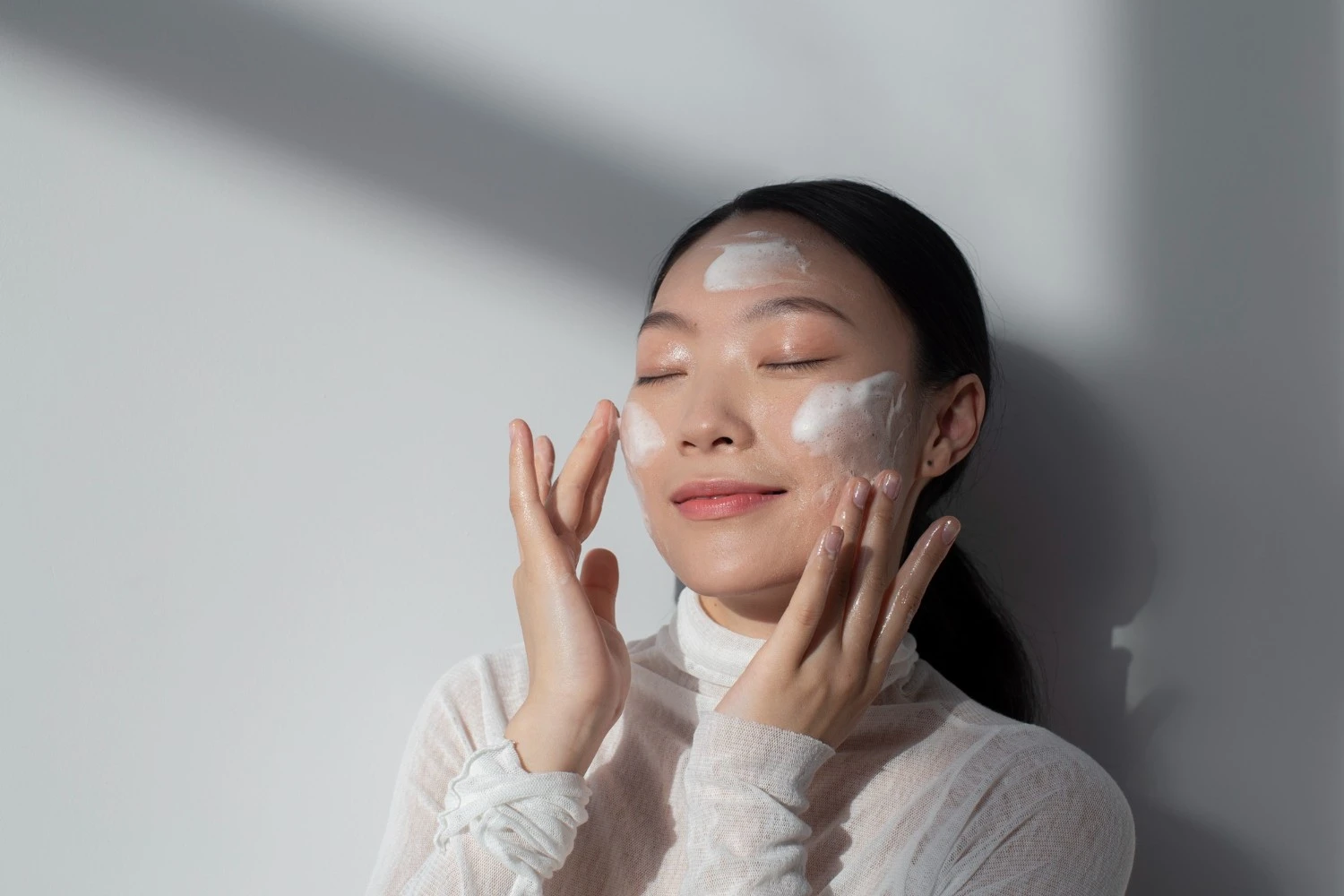
Follow the Light-to-Heavy Rule
Apply products from thinnest to thickest texture:
Toner → essence → serum → moisturizer
This order allows lighter, water-based formulas to hydrate first, while heavier products seal everything in.
Tips for Better Absorption
Apply to slightly damp skin to improve hydration uptake
Use gentle patting, not rubbing
Wait a short moment between layers so each product can settle
These small steps reduce pilling and help skin feel smoother, not sticky.
Be Careful with Actives
Avoid layering multiple exfoliants in one routine
Don’t combine strong actives if skin feels sensitive or tight
If irritation appears, simplify and focus on hydration
Targeted Ingredients for Glass Skin
Glass skin is supported by specific ingredients that hydrate, protect the barrier, and refine texture.
Choosing the right ones—and using them gently—matters more than using many.
Hyaluronic Acid (Deep Hydration)
Hyaluronic acid attracts and holds water in the skin, helping it look plump, smooth, and fresh.
Improves surface hydration
Enhances light reflection
Works well for all skin types
Ceramides & Glycerin (Barrier Support)
A healthy skin barrier is essential for glass skin.
Ceramides help repair and maintain the barrier
Glycerin draws moisture into the skin and reduces water loss
Together, they keep skin comfortable, resilient, and evenly hydrated.
Antioxidants: Vitamin C & Niacinamide (Even Tone)
These ingredients support clarity and balance:
Vitamin C helps brighten and protect against environmental stress
Niacinamide supports even tone, calmness, and barrier strength
Used consistently, they contribute to a clearer, more luminous complexion.
AHAs & BHAs (Gentle Cell Turnover)
Mild exfoliating acids help remove dead skin cells that dull the surface.
AHAs smooth and refine texture
BHAs help keep pores clear
Used sparingly, they improve smoothness without compromising hydration.
Lifestyle & Diet Factors That Support Glass Skin
Skincare products matter—but daily habits play a supporting role in how skin looks and functions.

Hydration, Sleep & Balanced Nutrition
Adequate water intake helps maintain skin hydration from within
Quality sleep supports skin repair and barrier recovery
A balanced diet with enough protein, healthy fats, vitamins, and antioxidants supports overall skin resilience
These factors don’t replace skincare, but they make your routine work better.
Stress Management & Physical Activity
Chronic stress can weaken the skin barrier and trigger inflammation.
Gentle exercise supports circulation
Stress management helps maintain barrier balance
Overtraining or poor recovery can work against skin health
Reality check: Glass skin isn’t built by products alone. Consistent skincare + supportive lifestyle habits create the best long-term results.
Common Myths & Misconceptions About Glass Skin
Glass skin is often misunderstood online. Clearing up these myths helps set realistic, healthy expectations.
“Glass skin requires a 10-step routine”
Not true.
Glass skin comes from quality products used consistently, not the number of steps.
A simple routine focused on cleansing, hydration, and protection can be just as effective as a long one.
“It’s just a makeup trick”
Makeup can enhance glow, but true glass skin starts with healthy, well-hydrated skin.
Without good skin function underneath, makeup alone can’t create the glass effect.
“Instant glow equals glass skin”
A temporary shine isn’t the same as glass skin.
The glass look develops through ongoing care over weeks or months, as hydration, texture, and barrier health improve.


 EN
 JA
