

Why Men’s Skin Needs a Routine
Men’s skin deals with a few built-in stressors that add up fast. A simple routine isn’t about vanity—it’s basic maintenance.

Common real-life triggers
-
Shaving irritation: Daily or frequent shaving disrupts the skin barrier and can lead to redness, bumps, and stinging.
-
Higher oil production: Testosterone tends to increase sebum, which can mean shine, clogged pores, or breakouts if skin isn’t cleansed properly.
-
Outdoor UV exposure: Work, sports, and commuting add up. UV damage happens even on cloudy days and accelerates aging.
-
Hot showers & harsh washes: Long, hot showers and strong soaps strip natural oils, leaving skin tight or flaky.
What changes fast vs. slow
-
Fast (days): Comfort improves first—less tightness after washing, reduced sting when shaving, calmer feel overall.
-
Slow (weeks): Tone and texture take longer. Smoother skin, fewer bumps, and more even appearance come with consistent care.
Step 0: Know Your Skin Type in 30 Seconds
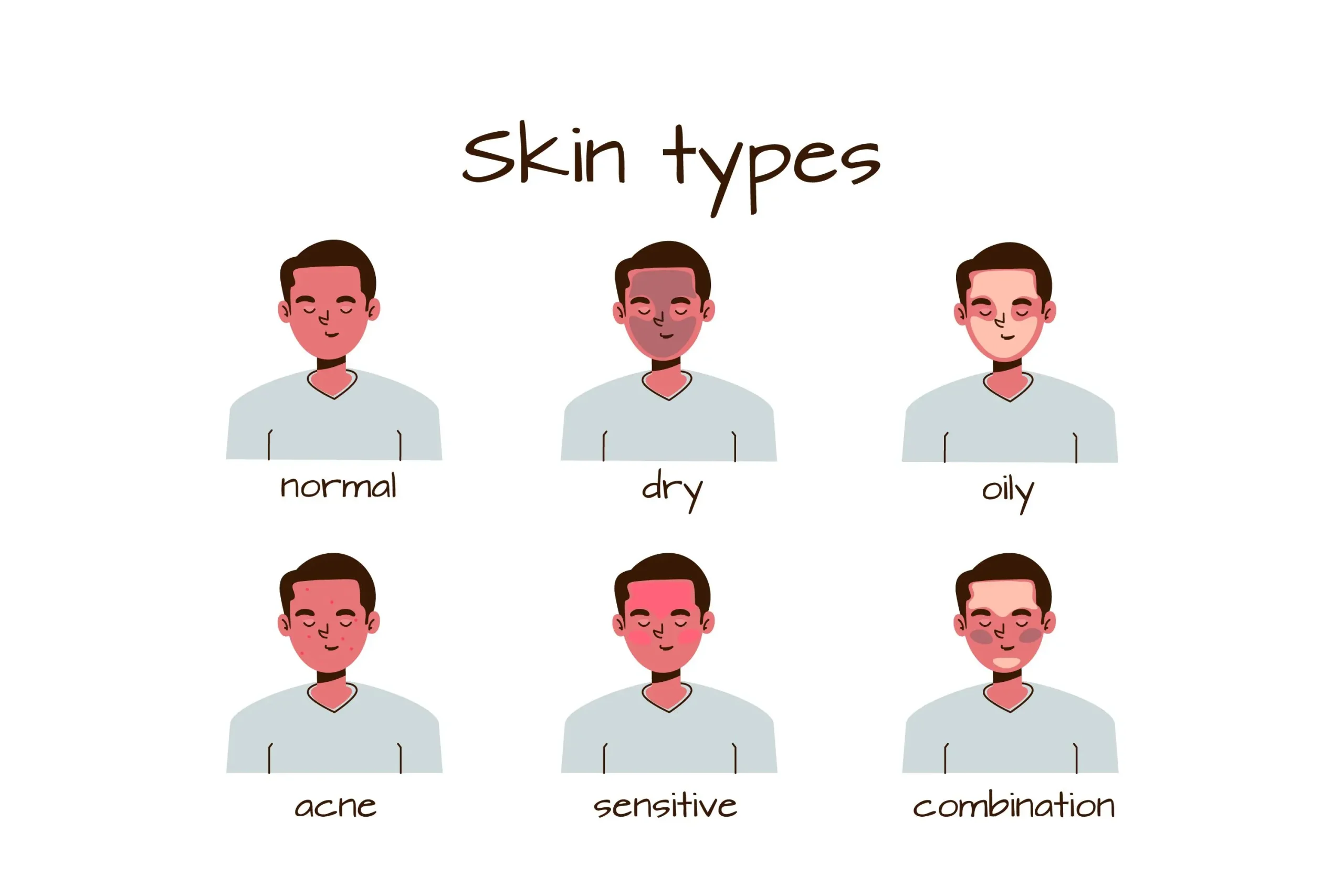
You don’t need tools or tests. Most men can figure out their skin type by how it feels a few hours after washing.
Quick Self-Check
-
Oily: Shiny by noon, especially on the forehead and nose
-
Dry: Feels tight, rough, or flaky after washing
-
Combination: Oily in the T-zone, normal or dry on cheeks
-
Sensitive: Stings, burns, or gets red easily—especially after shaving or using new products
If more than one description fits, that’s normal. Skin can change with weather, stress, and shaving habits.
Not Sure? Use the Safe Default
If you can’t clearly identify your type, start simple:
-
Gentle cleanser (no harsh scrubs)
-
Lightweight moisturizer (non-greasy, fragrance-free if possible)
-
Daily sunscreen in the morning
This basic setup works for most skin types and lets you see how your skin responds before adding anything else.
Tip: A routine that feels comfortable is usually the right one. If it stings or feels tight, scale back and simplify.
The Beginner AM Routine (2–3 Minutes)
This morning routine is designed to be fast, effective, and easy to stick with.
No extra steps—just what your skin actually needs to face the day.
AM Step 1 — Cleanse (or Rinse)
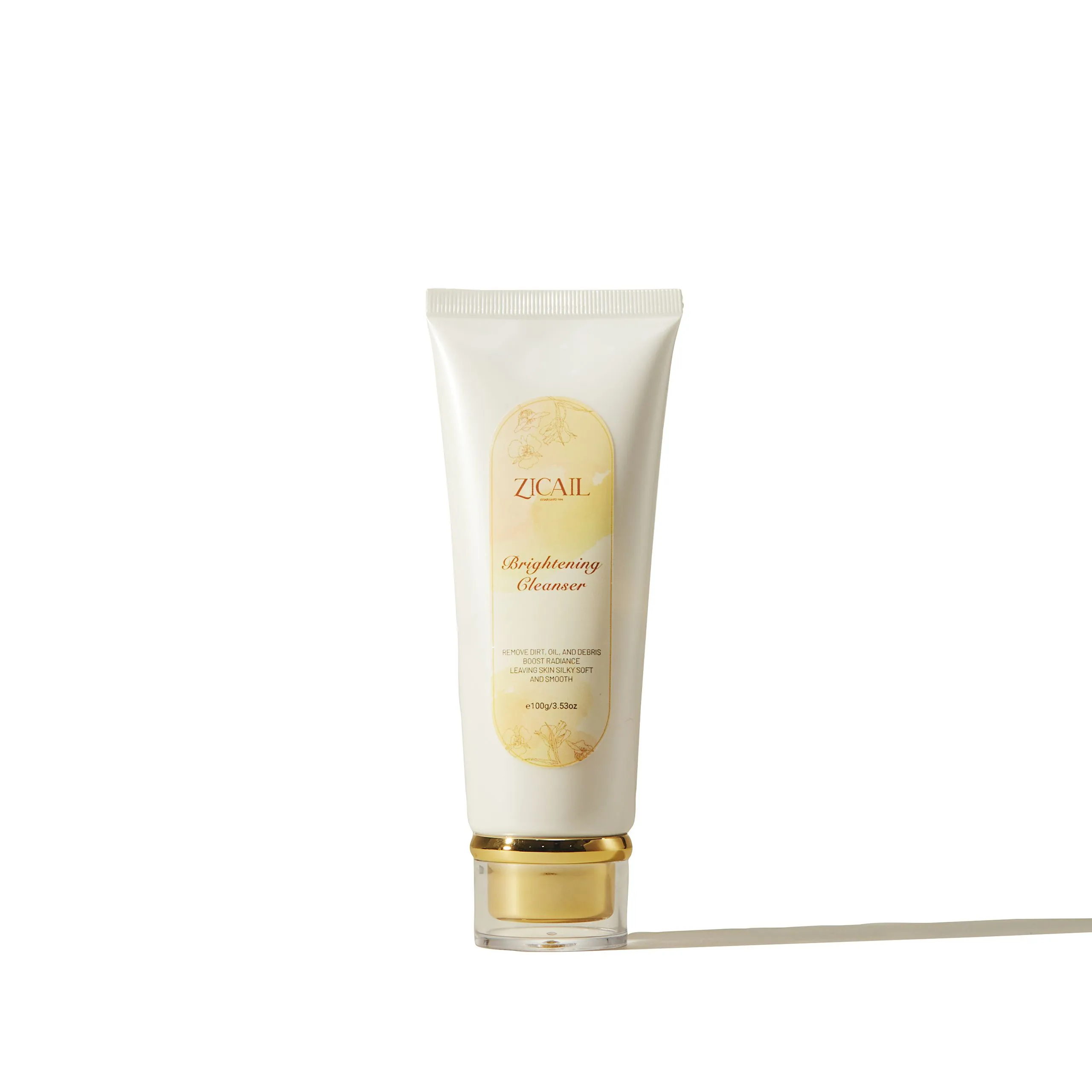
Whether you cleanse or just rinse depends on oiliness and sensitivity.
-
Cleanse in the morning if:
-
Your skin feels oily or sweaty when you wake up
-
You break out easily
-
You used heavy products the night before
-
-
Rinse with water only if:
-
Your skin feels tight, dry, or easily irritated
-
Cleansing in the morning causes stinging or redness
-
Many skincare chemists note that over-cleansing can strip the barrier, especially for sensitive or dry skin. If water feels better, that’s a valid choice.
How to do it right
-
Use lukewarm water
-
Massage gently for ~20 seconds
-
No scrubbing or harsh towels
AM Step 2 — Moisturize
Moisturizer helps prevent dryness, irritation, and post-shave discomfort.
Choose by how your skin feels, not by gender labels:
-
Lightweight lotion or gel: oily or combination skin
-
Richer cream: dry or tight-feeling skin
Apply a small amount while skin is slightly damp to improve comfort.
AM Step 3 — Sunscreen (Non-Negotiable)
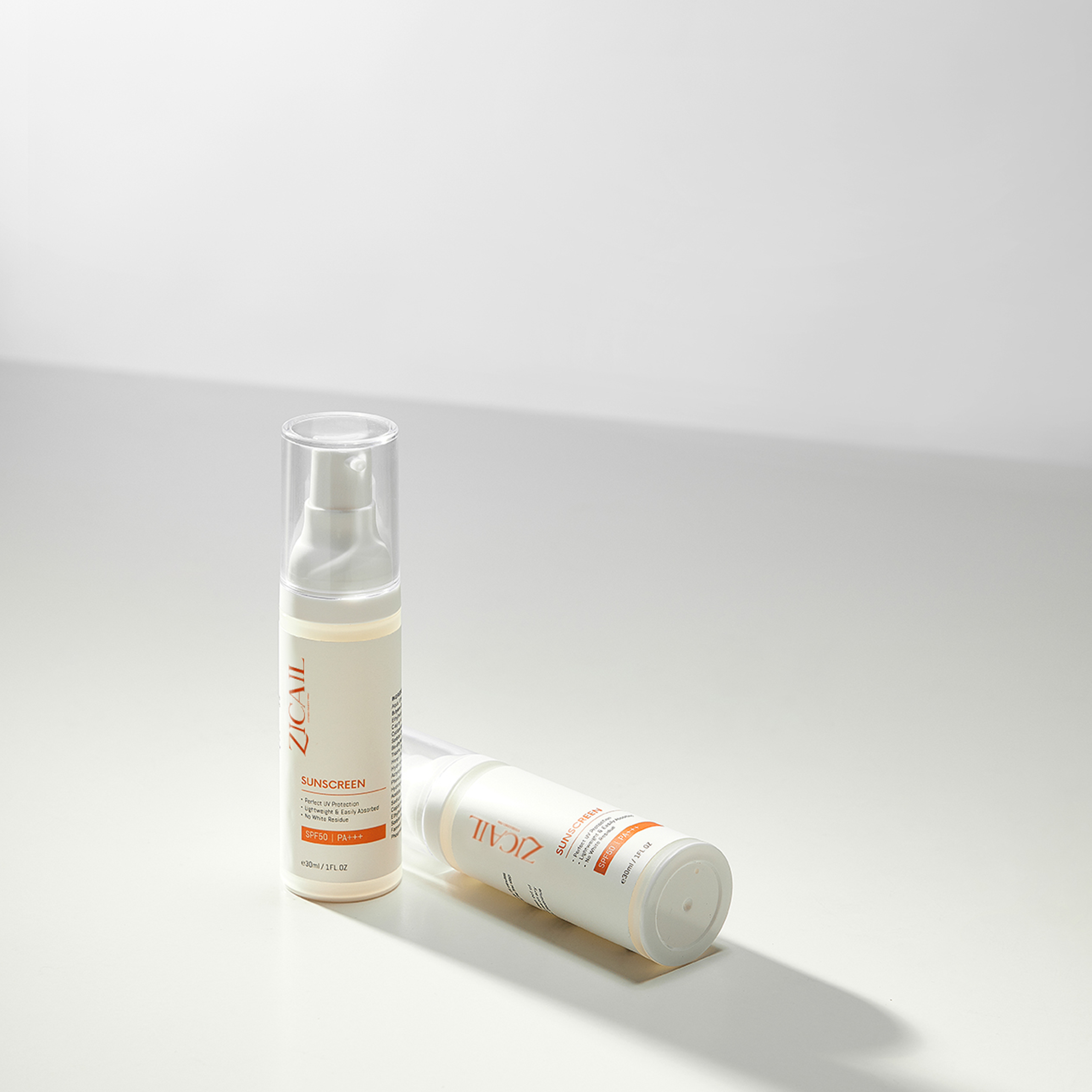
This is the most important anti-aging and skin-protecting step.
What to look for
-
Broad-spectrum (protects against UVA + UVB)
-
Comfortable, non-greasy finish you’ll actually wear
-
SPF you can use every day, not just at the beach
UV exposure adds up during commutes, outdoor work, and sports—even on cloudy days.
The Beginner PM Routine (3–4 Minutes)
Nighttime is when skin cleans up the day and repairs itself.
Keep this routine short and consistent—no stacking, no guesswork.
PM Step 1 — Cleanse
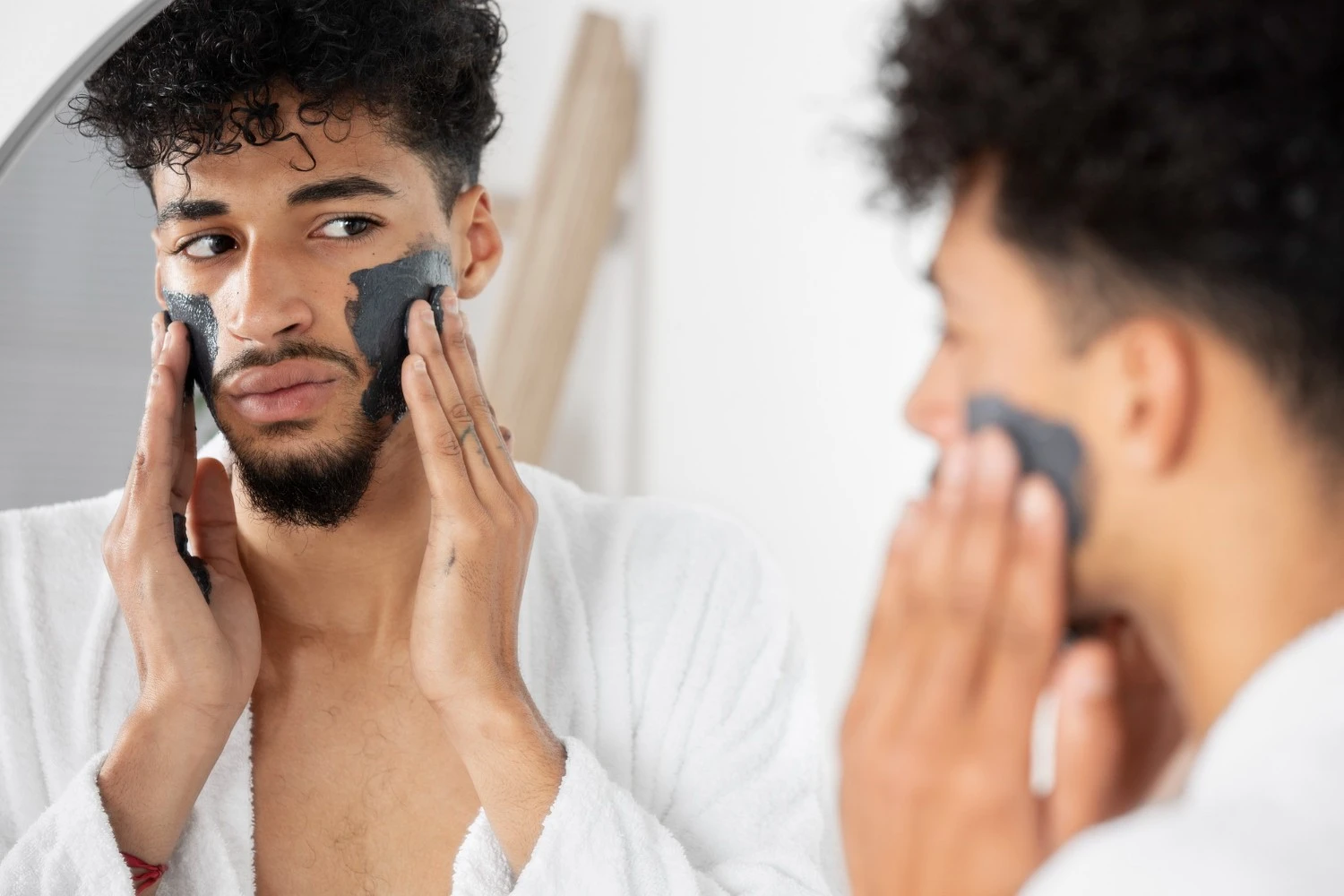
Cleansing at night is especially important if you wore sunscreen, makeup, or spent time outdoors.
Beauty editors and dermatologists frequently emphasize this step because residue left on skin can contribute to irritation and breakouts.
How to cleanse at night
-
Use a gentle cleanser
-
Lukewarm water, ~20–30 seconds
-
Rinse thoroughly; don’t scrub
If your skin feels tight after washing, the cleanser is likely too strong.
PM Step 2 — Moisturize
This is your recovery step. Moisturizer at night helps:
-
Reduce tightness from cleansing or shaving
-
Support the skin barrier
-
Improve comfort by morning
Choose the same texture rules as morning:
-
Lighter lotions for oily skin
-
Creams for dry or tight-feeling skin
Apply to slightly damp skin if comfortable.
PM Optional Step 3 — One Targeted Product (Pick ONE)
Only add this step if you have a clear goal. More is not better.
If acne is the main concern
-
Start low strength, 2–3 nights per week
-
Increase slowly if skin tolerates it
If anti-aging is the goal
-
Retinol or retinoid
-
Begin 2–3 nights per week, then build
-
Expect mild dryness early—moisturize well
If dark spots are the concern
-
Choose a gentle brightening product
-
Avoid stacking multiple actives at once
-
Consistency matters more than strength
Rule: If irritation shows up, pause the active and focus on moisturizing.
Where Shaving Fits (The Part Most Routines Miss)
Shaving is one of the biggest stressors for men’s skin.
Done right, it doesn’t have to derail your routine—or cause bumps and irritation.

Pre-Shave: Set Skin Up to Succeed
Good prep reduces friction and barrier damage. Guidance from clinics like Dermatology Physicians of Connecticut commonly emphasizes technique over products.
Do this before you shave
-
Shave after a warm shower (softens hair)
-
Use a gentle cleanser, not bar soap
-
Apply a slick, fragrance-light shaving product
-
Shave with the grain, using light pressure
-
Avoid going over the same area repeatedly
Aftershave: Calm, Don’t Sting
That burning feeling isn’t “working”—it’s irritation. The American Academy of Dermatology advises avoiding harsh aftershaves, especially if you get bumps or redness.
Choose aftershave wisely
-
Skip strong fragrance and high alcohol
-
Look for soothing, alcohol-free formulas
-
A simple moisturizer often works better than traditional aftershave
Suggested Flow (Simple & Effective)
Shave → Rinse → Moisturize → SPF (AM only)
Moisturizing right after shaving helps restore the barrier and reduces post-shave tightness and bumps.
In the morning, finish with sunscreen.
Build Your Routine by Goal (Decision Paths, Not Extra Steps)
You don’t need a different routine for every concern.
Keep the same core steps and adjust how you use them based on your main goal.

If You’re Oily or Acne-Prone
Goal: control oil without triggering rebound breakouts
-
Keep steps light and consistent
-
Use a gentle cleanser; avoid scrubbing or harsh soaps
-
Don’t skip moisturizer—stripping oil often makes skin produce more
Watch for: skin feeling less greasy by midday, fewer irritated breakouts
If You’re Dry or Tight
Goal: reduce water loss and improve comfort
-
Cleanse less often if skin feels tight
-
Use a richer moisturizer, especially at night
-
Avoid very hot water and long showers
Watch for: less tightness after washing, smoother feel over time
If You’re Sensitive
Goal: protect the barrier and minimize triggers
-
Choose fragrance-aware products
-
Patch-test new items before full use
-
Add actives last, only after your skin feels stable
Watch for: reduced stinging, calmer skin day to day
How to Choose Products Without Getting Trapped by Marketing
You don’t need “for men” labels or long ingredient lists.
The right products are chosen by format and feel, not hype.

Start With Format Logic (It Matters More Than Claims)
Cleanser
-
Gel cleanser: better for oily or acne-prone skin
-
Cream or lotion cleanser: better for dry or sensitive skin
If your face feels tight after washing, the cleanser is likely too harsh—regardless of what the label promises.
Use the Moisturizer Texture Ladder
Match texture to how your skin feels, not the season or trend:
-
Gel or gel-lotion: oily or combination skin
-
Cream: normal to dry skin
-
Balm or ointment: very dry, flaky, or compromised skin
Richer isn’t better unless your skin actually needs it.
Sunscreen: Comfort = Consistency
The “best” sunscreen is the one you’ll wear every day.
What to prioritize
-
Comfortable finish (not greasy or heavy)
-
No strong fragrance if you’re sensitive
-
Easy to apply and reapply
If a sunscreen feels unpleasant, you’ll skip it—and protection only works when it’s used.
Common Mistakes (Fast Fixes)
Most skin problems come from a few repeat mistakes.
The fixes are simple once you spot them.
Over-Cleansing or Using Harsh Scrubs
What goes wrong: Skin feels tight, irritated, or gets oilier over time.
Fast fix: Cleanse gently, once or twice daily max. Skip scrubs—friction damages the barrier.
Skipping Moisturizer Because You’re “Oily”
What goes wrong: Skin overcompensates and produces even more oil.
Fast fix: Use a lightweight lotion or gel. Hydration helps oil balance.
Using Multiple Actives at Once
What goes wrong: Stinging, redness, breakouts, or sudden sensitivity.
Fast fix: Pick one active (acne or anti-aging). Add slowly and stop if irritation appears.
Only Wearing Sunscreen at the Beach
What goes wrong: Daily UV damage adds up—aging and dark spots worsen.
Fast fix: Apply sunscreen every morning. Commutes and outdoor time count.
When to See a Dermatologist
A basic routine fixes many everyday issues—but some problems need medical guidance.
Don’t wait too long if you notice any of the following:
-
Persistent acne that doesn’t improve after 6–8 weeks of consistent care
-
Painful or deep bumps (especially on the jawline, neck, or back)
-
Widespread rash, redness, or itching that keeps returning
-
Shaving bumps or ingrown hairs that don’t improve despite gentler shaving and moisturizing
These signs can point to conditions like inflammatory acne, folliculitis, contact dermatitis, or rosacea—issues that often require prescription treatments or targeted advice.


 EN
 JA
