

Waterless skincare is quickly becoming one of the most exciting trends in the beauty world.
But what exactly is it, and why are so many people making the switch?
In simple terms, waterless skincare products are formulated without water as the main ingredient, focusing instead on using concentrated natural oils, extracts, and butters.
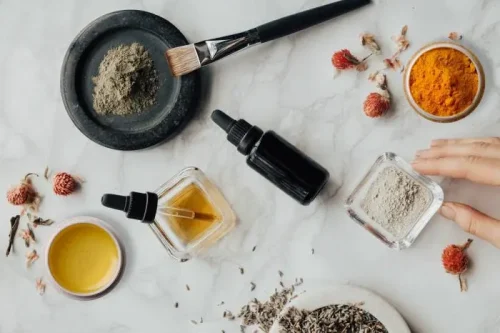
This trend is gaining popularity not just because it’s good for your skin, but because it’s great for the environment too.
The beauty industry is shifting towards sustainability, and waterless skincare is leading the way by reducing water waste and environmental impact.
These potent, eco-friendly products use less packaging and deliver more effective results.
Curious how this trend could benefit your skin and the planet?
Keep reading to find out!
What is Waterless Skincare?
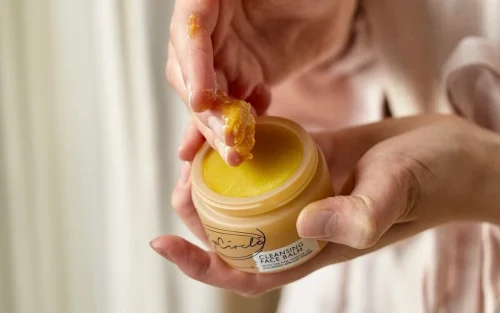
Waterless skincare refers to beauty products formulated without water as the primary ingredient.
Instead, these products rely on potent botanicals, oils, and extracts to deliver concentrated benefits.
Originally popularized in South Korea around 2015, this trend has spread globally due to its sustainability and effectiveness.
Unlike traditional water-based products, which can contain up to 80% water, waterless formulations focus on delivering higher concentrations of active ingredients.
This means fewer fillers, longer-lasting results, and more nourishment for your skin—all while reducing the environmental impact.
Why Waterless? The Benefits Explained

Waterless skincare brings several powerful benefits, making it a standout choice for both beauty enthusiasts and eco-conscious consumers.
- Potency of Active Ingredients: Without water, active ingredients aren’t diluted, meaning waterless products are more concentrated and effective. You get more of the good stuff, which translates to faster and better results for your skin.
- Longer Shelf Life: Since water promotes bacterial growth, water-based products often require preservatives. Waterless formulations have a longer shelf life because they don’t rely on water, reducing the need for harsh preservatives that can irritate sensitive skin.
- Eco-Friendly & Sustainable: Waterless skincare helps reduce water waste—a growing concern as water scarcity becomes a global issue. Additionally, these products often require less packaging, further lowering their environmental impact.
- Travel-Friendly: With more concentrated formulas, waterless products usually come in smaller, lighter packaging. This not only makes them easy to carry but also lowers their carbon footprint by reducing shipping weight.
- Less Skin Irritation: Some ingredients, like certain oils or botanical extracts, work better without water, preventing the dryness and irritation that water-based products can sometimes cause.
Common Types of Waterless Skincare Products
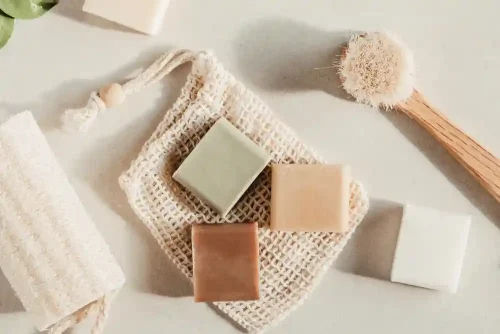
- Concentrated Oils & Balms: These products replace water with nourishing natural oils, offering deeper hydration and more potent skincare benefits.
- Powdered Cleansers: Activated with water at home, powdered cleansers allow you to customize your skincare routine and reduce waste.
- Solid Bars: Long-lasting and eco-friendly, solid bars use less packaging and are ideal for travel due to their compact size.
Top Waterless Ingredients for Healthier Skin
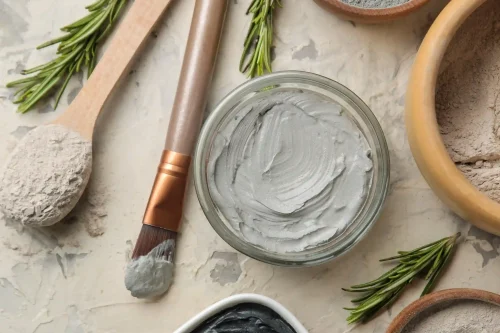
- Botanical Oils (Olive, Rosehip, etc.): These oils are packed with antioxidants and essential fatty acids, providing deep hydration while protecting and nourishing the skin.
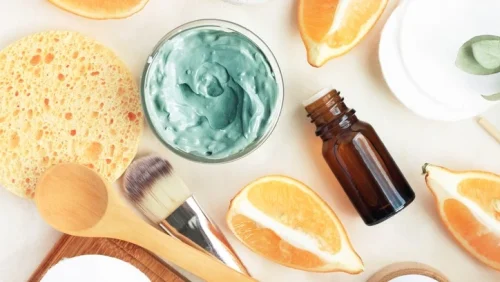
- Powdered Clays: Known for their detoxifying properties, powdered clays help exfoliate the skin and draw out impurities, leaving your skin refreshed and smooth.
- Butters (Shea, Cocoa): These rich butters moisturize deeply and repair the skin barrier, making them perfect for maintaining soft, healthy skin.

Conclusion
Waterless skincare is revolutionizing the beauty industry by offering potent, eco-friendly, and sustainable alternatives to traditional products.
With concentrated ingredients and less water waste, these products provide effective results while helping to conserve natural resources—a win for both your skin and the planet.
Ready to make the switch?
Start exploring waterless skincare products today and join the movement towards a more sustainable, effective beauty routine.
Let your skin benefit from the concentrated power of waterless formulations!


 EN
 JA
