

Before comparing cleanser and toner in detail, it helps to understand how cleansing fits into a complete skincare routine.
If you’re unsure how cleansing works within a full routine, you can see our complete Face Cleansing Guide to understand how cleansing, hydration, and treatment steps work together.
Now, let’s break down what each product actually does and how to choose between them.
What is a Cleanser?
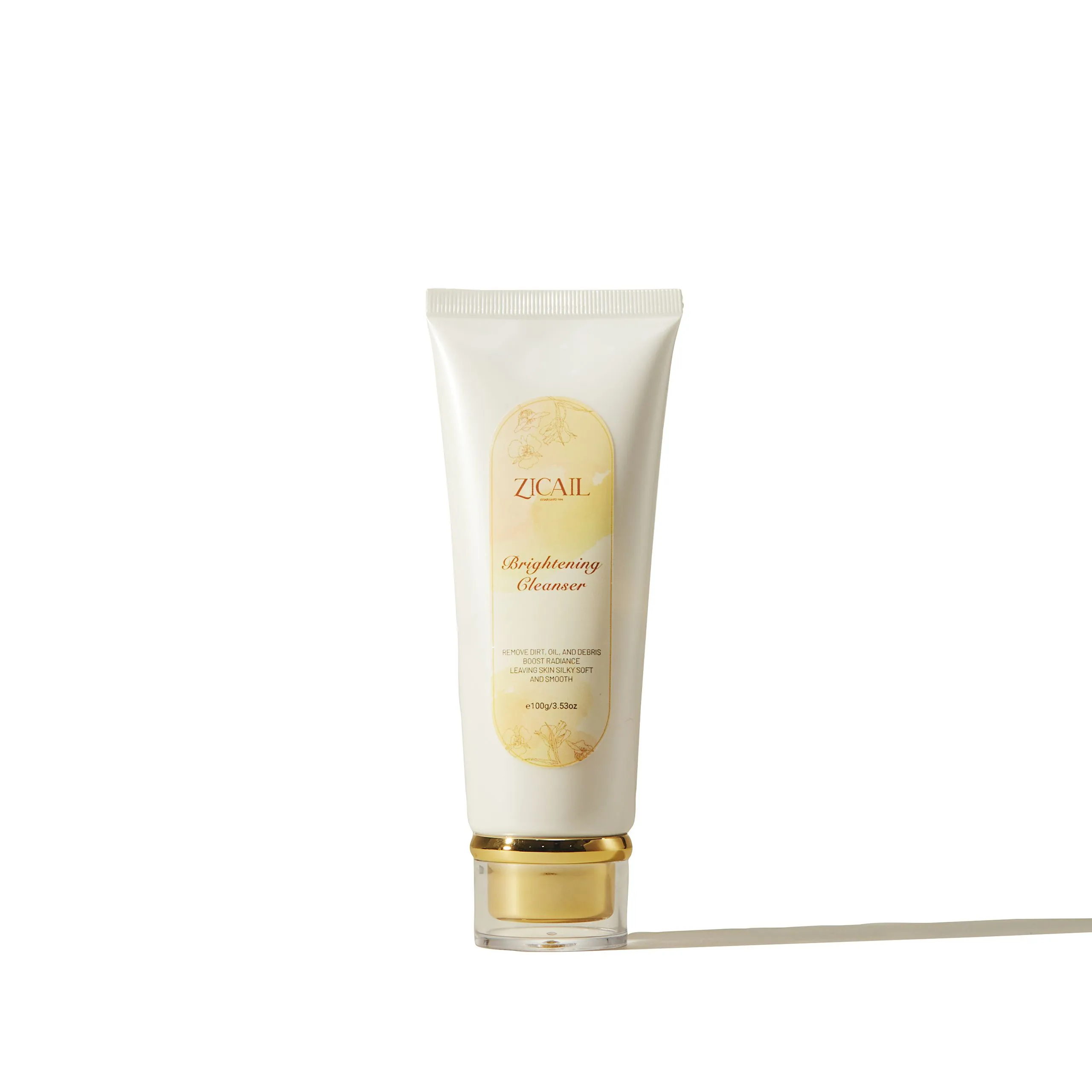
A cleanser is a rinse-off skincare product used to remove oil, dirt, sunscreen, and makeup from the skin. It prepares the skin for the rest of your routine but does not treat specific skin concerns.
What a cleanser does:
Removes excess oil, sweat, and daily buildup
Breaks down sunscreen and makeup residue
Helps prevent clogged pores before treatment steps
What Is a Toner?

A toner is a leave-on skincare product applied after cleansing to help hydrate, soothe, or lightly refine the skin. Unlike cleansers, toners are not rinsed off and work as a prep step before serums and moisturizers.
What a toner does:
Adds light hydration after cleansing
Helps calm the skin and reduce tightness
Prepares the skin for better absorption of follow-up products
Optionally provides gentle exfoliation (depending on formula)
Cleanser vs Toner: Side-by-Side Comparison

Core Differences at a Glance
The table below shows how cleansers and toners differ in purpose, use, and realistic results.
| Aspect | Cleanser | Toner |
|---|---|---|
| Purpose | Removes oil, dirt, sunscreen, and makeup from the skin surface | Adds hydration, soothes skin, and prepares it for leave-on products |
| Texture & Use | Rinse-off product; gels, foams, creams, oils | Leave-on liquid; applied with hands or cotton pad |
| When It Matters Most | Heavy makeup or SPF days, oily or acne-prone skin | Dehydrated skin, post-cleansing tightness, sensitive skin |
| What It Can Realistically Change | Cleaner skin, fewer clogged pores, reduced buildup | Skin feels calmer, softer, and more receptive—but no deep structural change |
Purpose: Removal vs Preparation
The key difference is function.
A cleanser is designed to remove what doesn’t belong on your skin.
A toner is designed to support what comes next in your routine.
They are not interchangeable, and one does not “replace” the other.
Texture & Use: Rinse-Off vs Leave-On
This is a critical distinction many users overlook.
Cleansers work during short contact time and are washed away.
Toners stay on the skin and interact longer with the surface layer.
From a functional standpoint, this explains why toners can hydrate or soothe, while cleansers generally cannot.
When Each Step Matters Most
Different situations highlight different steps:
Makeup or SPF-heavy days → cleanser matters more
Oily or congested skin → cleanser plays a bigger role
Dehydration or tightness after washing → toner becomes more helpful
Sensitive or reactive skin → toner can help calm, cleanser choice must be gentle
This is why many routines always include a cleanser, but treat toner as conditional.
What Each Step Can (and Can’t) Change
It’s helpful to keep expectations realistic.
A cleanser helps reduce buildup and keeps pores clearer by removing oil, dirt, and residue from the skin.
A toner can improve short-term comfort by adding light hydration or calming tightness after cleansing.
However, neither step can permanently shrink pores or change the skin’s deeper structure.
Do You Need Both? A Decision Guide by Skin Goal
The right choice depends on what your skin actually needs, not how many steps you follow.

Choose a Cleanser If You Need to Remove Buildup
A cleanser is the non-negotiable step if you:
Wear sunscreen or makeup regularly
Have oily or combination skin
Notice clogged pores or dullness from daily buildup
If your skin is not properly cleaned, adding more products on top usually makes things worse, not better.
Add a Toner If You Want Extra Support After Cleansing
A toner can be helpful if you want to:
Add light hydration after washing
Reduce tight or dry feeling post-cleanse
Improve how serums and moisturizers layer
Get gentle exfoliation (from specific toner formulas)
Think of toner as a fine-tuning step, not a fix for poor cleansing.
When Toner May Be Unnecessary
You can likely skip toner if:
Your skin feels comfortable after cleansing
You use a hydrating cleanser and a good moisturizer
Your routine already works and causes no irritation
In these cases, adding toner won’t harm your skin—but it may not add noticeable benefits either.
Best Routine Order (AM & PM): Where Toner Fits
A toner is always used after cleansing and before serums or moisturizers. It should be applied to clean skin and left on—never rinsed off.
Basic routine order:
Cleanser → removes oil, dirt & sunscreen buildup
Toner (optional) → hydrates or preps
Serum / Treatment → targets skin concerns
Moisturizer → locks in moisture
Sunscreen (AM only) → protects the skin
AM vs PM difference:
Morning routines are usually simpler and focus on protection
Evening routines may include richer treatments or exfoliating toners
If your skin feels comfortable after cleansing, you can skip toner without affecting the rest of the routine.
How to Choose the Right Cleanser and Toner (By Skin Type)
You don’t need to overthink this step.
The goal is simple: clean without damage, then support what your skin lacks.
Here’s a practical way to choose both—without overlap or overuse.

Start With Your Skin Type
Oily or acne-prone
Cleanser: gentle but effective; removes oil and SPF without leaving skin tight
Toner: optional; if used, keep it light and non-comedogenic
Watch out: over-cleansing can trigger more oil production
Dry or dehydrated
Cleanser: creamy or hydrating formulas that don’t foam aggressively
Toner: hydrating toners can help reduce post-wash tightness
Focus: comfort and moisture, not “deep cleaning”
Sensitive or reactive
Cleanser: minimal formulas; avoid harsh surfactants and strong fragrance
Toner: soothing or barrier-supporting types only
Habit to keep: patch test new products before full use
Ingredients That Matter in Toners
Hydrating toners: humectants like glycerin or hyaluronic acid help draw in moisture
Barrier-focused toners: ingredients such as ceramides or niacinamide support the skin barrier
Exfoliating toners (AHA/BHA/PHA):
Use sparingly (not daily for most people)
Avoid if your skin is already irritated or compromised
Common Mistakes to Avoid (Cleanser + Toner)
Cleansing too often or for too long
Using very hot water, which weakens the skin barrier
Scrubbing aggressively or using rough tools
Layering exfoliating toners on already sensitive skin
Choosing alcohol-heavy or fragrance-heavy formulas if you’re reactive
Application Methods That Actually Change Results
How you apply products—especially toner—can affect comfort, tolerance, and short-term results.
This isn’t about technique for technique’s sake, but using the right method for the right goal.
Hands vs. Cotton Pad: When Each Makes Sense
Using hands
Best for hydrating or soothing toners
Reduces product waste
Gentler on sensitive or dry skin
Allows you to press product in, rather than wipe it away
Using a cotton pad
Useful when you want light residue removal
Common for exfoliating or clarifying toners
Can help distribute acids evenly—but may increase irritation if overused
Rule of thumb:
Hydration → hands
Refining or exfoliating → cotton pad (with care)
“Apply to Damp Skin” for Hydration Toners
Hydrating toners work best when applied to slightly damp skin, not fully dry.
Damp skin helps humectants attract and hold moisture
This can improve the skin’s hydrated feel without adding more product
This approach is often recommended for barrier-focused routines, including those promoted by brands like CeraVe
Just make sure your skin is clean, not dripping wet.
How Much to Use (Less Is Usually Better)

Overuse doesn’t equal better results—especially with active formulas.
Hydrating toners: a few drops or a light layer is enough
Exfoliating toners (AHA/BHA/PHA): use sparingly, often 2–3 times per week
Applying too much can lead to irritation, dryness, or barrier stress
If your skin starts feeling tight, stingy, or unusually shiny, it’s often a sign to scale back, not add more.


 EN
 JA
