

Toner and exfoliator serve different purposes in skincare. Toner mainly hydrates and soothes skin after cleansing, while exfoliators remove dead skin cells to improve texture and clarity.
Understanding when to use each helps keep routines effective without unnecessary steps.
What Is a Toner?

A toner is a liquid skincare product designed to be used right after cleansing.
Its primary purpose is to prepare your skin for the rest of your routine by supporting skin comfort and hydration after cleansing.
Key Benefits of Using Toner:
- Adds light hydration after cleansing
- Helps skin feel calmer and more comfortable
- Helps following products apply more smoothly

Types of Toners:
- Hydrating Toners: Perfect for dry or dehydrated skin, these contain ingredients like hyaluronic acid or glycerin to lock in moisture.
- Astringent Toners: Ideal for oily or acne-prone skin, these often include witch hazel or salicylic acid to minimize oil and tighten pores.
- Soothing Toners: Designed for sensitive skin, these use gentle, calming ingredients like rosewater, chamomile, or aloe vera.
How to Use Toner in Your Skincare Routine:
- Cleanse your face thoroughly.
- Apply toner to a cotton pad or your hands.
- Swipe gently across your face and neck, avoiding the eye area.
- Allow it to dry naturally before moving on to your serum or moisturizer.
What Is an Exfoliator?

An exfoliator is a skincare product designed to remove dead skin cells from the surface of your skin, helping it look and feel fresh and smooth.
Exfoliation is essential for promoting cell turnover, which keeps your complexion radiant and healthy.
Key Benefits of Exfoliators:
- Removes Dead Skin Cells: Clears away dull, flaky skin for a smoother, more refined texture.
- Improves Texture and Promotes Cell Turnover: Encourages the growth of new, healthy skin cells.
- Unclogs Pores and Brightens Skin: Prevents blackheads and reduces the appearance of dark spots and uneven skin tone.
Types of Exfoliators:
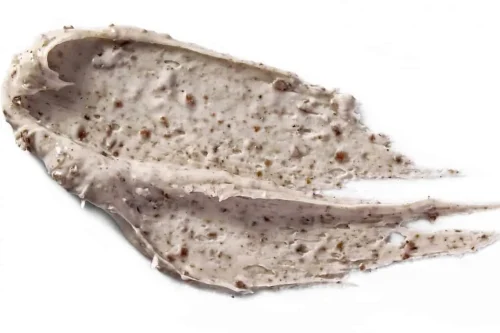
1. Physical Exfoliators:
Manually remove dead skin cells. Use gently to avoid irritation.
Best for: Normal to oily skin types (but use gently to avoid irritation).
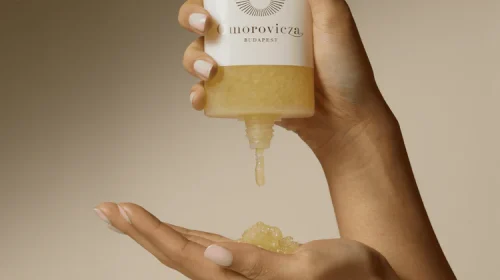
2. Chemical Exfoliators:
Use acids like AHAs (alpha hydroxy acids), BHAs (beta hydroxy acids), or PHAs (polyhydroxy acids) to dissolve dead skin cells.
- AHAs exfoliate the skin surface for smoother texture.
- BHAs penetrate pores to treat acne and excess oil.
- PHAs offer gentler exfoliation suitable for sensitive skin.
Best for: All skin types, depending on the acid type and concentration.

3. Enzymatic Exfoliators:
- Use natural enzymes like papain (papaya enzyme) or bromelain (pineapple enzyme) to break down dead skin cells.
- Best for: Sensitive skin, as they are gentle and less likely to cause irritation.
How to Use Exfoliators Effectively:
- Start Slowly: Use 1-2 times per week, especially if you’re new to exfoliation. Gradually increase frequency as your skin adjusts.
- Apply to clean, dry skin.
- For physical exfoliators: Massage gently in circular motions; avoid harsh scrubbing.
- For chemical or enzymatic exfoliators: Apply a thin layer and leave it on for the recommended time, then rinse or follow instructions.
- Always follow up with a moisturizer and sunscreen to protect your skin.
Toner vs. Exfoliator: Key Differences
Understanding the differences between toners and exfoliators is essential to building an effective skincare routine.
While both play unique roles, they work together to enhance your skin’s health.
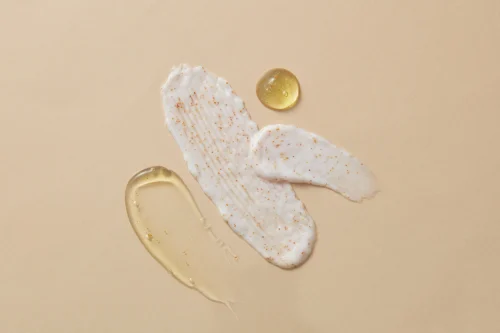
Side-by-Side Comparison Table:
| Aspect | Toner | Exfoliator |
|---|---|---|
| Purpose | Adds light hydration and prepares skin for following products | Removes dead skin cells and unclogs pores |
| Ingredients | Hydrators (hyaluronic acid), soothing agents (rosewater, aloe) | AHAs (glycolic acid), BHAs (salicylic acid), enzymes (papain) |
| Frequency | Daily, morning and evening | 1-3 times per week, depending on skin type |
| Skin Concerns | Hydration, soothing, prepping | Uneven texture, dullness, acne, dark spots |
| Results | Refreshed, balanced, and hydrated skin | Smoother, brighter skin with reduced congestion |
Benefits of Using Both Toner and Exfoliator in Your Routine
Incorporating both toners and exfoliators into your skincare routine creates a balanced approach to achieving healthy, radiant skin.

How Toners Enhance Hydration and Prepare Skin for Exfoliation
Toners are designed to restore balance after cleansing.
They hydrate and soothe your skin after cleansing.
This creates the perfect base for exfoliation by ensuring your skin is calm and ready to receive treatment.
Hydrated skin also tolerates exfoliation better, reducing the risk of irritation.
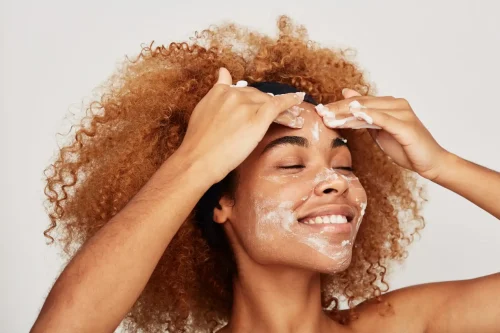
How Exfoliators Make Toners and Serums More Effective
Exfoliators work to remove dead skin cells, which can block the absorption of other products.
By clearing away this barrier, exfoliators allow toners, serums, and moisturizers to penetrate more deeply, delivering their active ingredients where they’re needed most.
The Synergy of Using Both for Glowing Skin
When used together, toners and exfoliators provide a two-step boost to your skincare routine.
The toner preps and hydrates your skin, while the exfoliator renews and brightens your complexion.
The result?
Skin that looks and feels smoother, more hydrated, and glowing with health.
Pro Tip: Use your toner daily and exfoliate 1-3 times a week depending on your skin type. Together, they work as a team to maximize the benefits of your skincare products.
Usage Tips for Toners and Exfoliators
To maximize the benefits of toners and exfoliators, it’s essential to use them correctly.

Frequency of Use Based on Skin Type
- Toners are generally gentle enough for daily use, depending on skin needs.
- Exfoliators: Start with 2–3 times per week, depending on your skin’s tolerance. For sensitive skin, reduce the frequency to once a week and opt for gentler options like PHAs or enzymatic exfoliators.
Avoid Over-Exfoliation
Excessive exfoliation can harm your skin’s protective barrier, leading to redness, sensitivity, or dryness. Watch for these signs:
- Persistent irritation or redness.
- A tight, uncomfortable feeling.
- Flaking or increased sensitivity to sunlight.
If these occur, reduce the frequency of exfoliation and prioritize hydrating products to restore your skin barrier.
Pro Tip: Always follow up exfoliation with a toner and moisturizer to lock in hydration and protect your refreshed skin.
Choosing the Right Product for Your Skin Type
Selecting the right toner and exfoliator for your skin type ensures that your skincare routine delivers the best results without irritation.

For Oily and Acne-Prone Skin
- Toners: Opt for toners with salicylic acid or witch hazel to control excess oil, tighten pores, and reduce breakouts.
- Exfoliators: Use BHAs like salicylic acid for deep pore cleansing, reducing blackheads, and fighting acne-causing bacteria.
For Dry Skin
- Toners: Look for hydrating ingredients such as hyaluronic acid and glycerin to replenish moisture and soothe dryness.
- Exfoliators: Choose AHAs like lactic acid or glycolic acid, which gently exfoliate while drawing in moisture for smoother, softer skin.
For Sensitive Skin
- Toners: Use calming toners with chamomile or aloe vera to soothe irritation and reduce redness.
- Exfoliators: Opt for enzymatic exfoliators containing papain or PHAs (polyhydroxy acids), which are mild and suitable for delicate skin.
Pro Tip: Always check the product label for additional irritants like alcohol or artificial fragrances, especially if you have sensitive or dry skin. Test new products gradually to ensure compatibility with your skin type.
Conclusion
Understanding the differences between toners and exfoliators is key to building an effective skincare routine.
Toners balance and hydrate, while exfoliators renew and brighten your skin.
Together, they enhance each other’s benefits, promoting a radiant, healthy complexion. Tailor their use to your skin type for the best results.
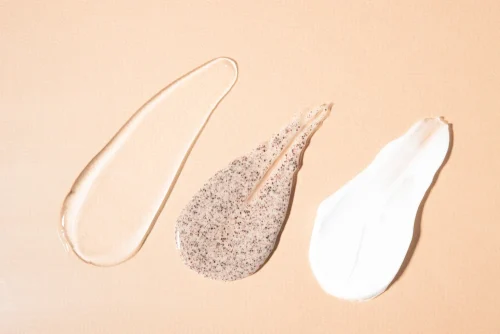
Choosing when to use toner and exfoliator depends on skin needs. Keeping routines simple and consistent usually leads to better long-term results than adding unnecessary steps.


 EN
 JA
