

In modern skincare, toner is a leave-on step used after cleansing, but many people still wonder whether they actually need one.
This guide explains toner’s role and helps you decide if and how it belongs in your skincare routine, without promoting products or fixed routines.
What Is a Toner?
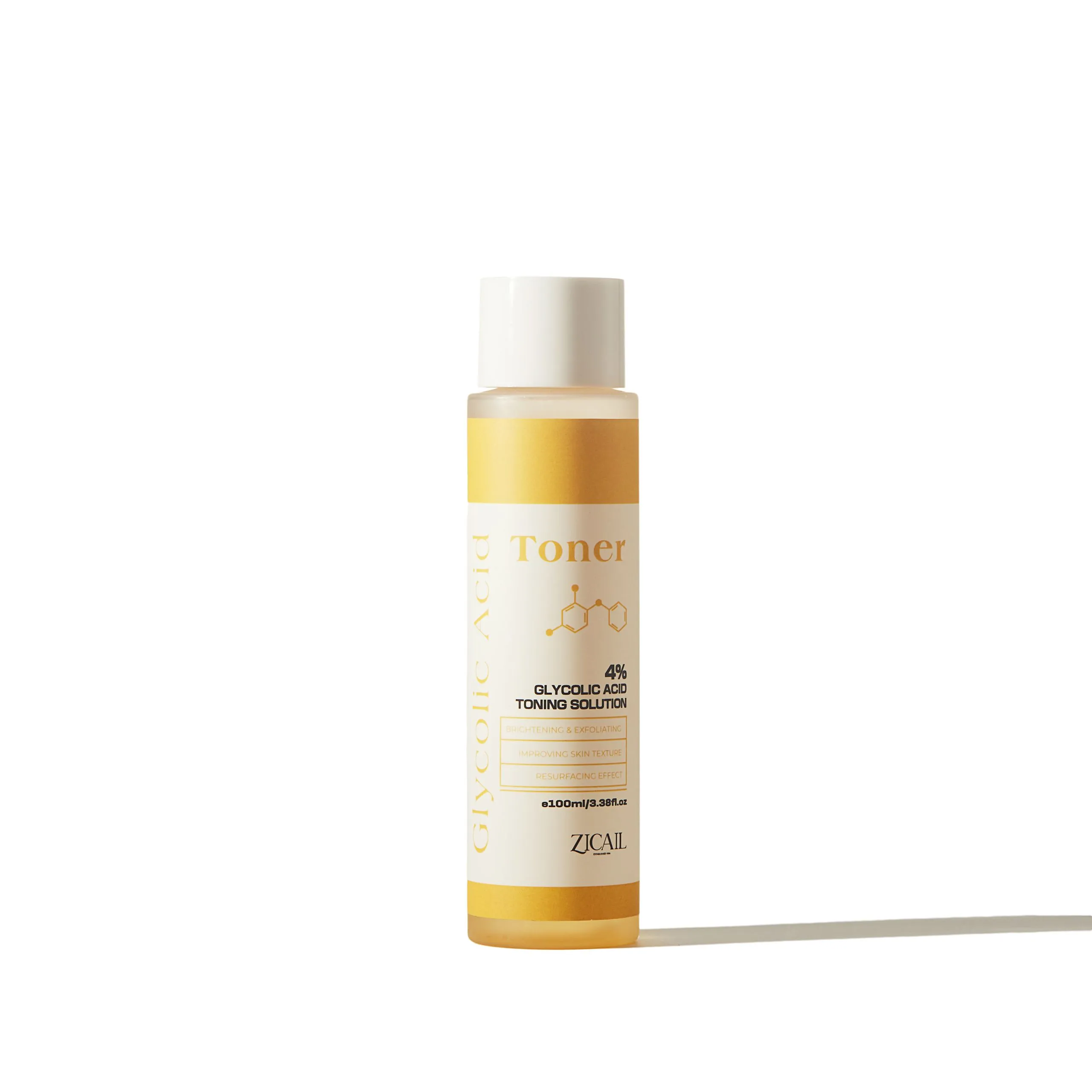
Toner in Modern Skincare
Toners have changed significantly over time. In the past, many toners were alcohol-based astringents designed mainly to remove leftover oil or residue after cleansing, often leaving skin feeling tight or dry.
Modern toners, however, are typically designed to support skin comfort. Instead of aggressively stripping oil, they often focus on hydration, soothing the skin, and helping routines feel more balanced. Understanding this shift helps prevent the common misconception that toner must feel harsh to be effective.
What Toner Does (Realistic Expectations)
Toner can:
Add light hydration after cleansing
Soothe skin and reduce post-cleansing tightness
Help following products layer more comfortably
Provide mild exfoliation in some formulas
Toner cannot:
Permanently shrink pores
Replace a cleanser
Replace a moisturizer
Understanding these realistic roles helps users see toner as an optional comfort and support step, rather than a mandatory or transformative one.
Do You Really Need a Toner?
Toner is often seen as a required skincare step, but in reality, not every routine needs one. Whether toner is helpful depends on how your skin feels after cleansing and whether your current routine already keeps skin comfortable and balanced.
For many people, toner mainly improves comfort and hydration rather than solving a specific skin problem. Understanding when toner helps—and when it can be skipped—prevents unnecessary complexity in a routine.

When Toner Helps
Toner may feel helpful if:
Skin feels tight or dry after cleansing
Skin often feels dehydrated or uncomfortable
Your routine feels incomplete or lacks hydration support
You use exfoliating toners to help manage congestion or dullness
When You Can Skip Toner
Toner is often unnecessary if:
Skin already feels comfortable after washing
A hydrating cleanser and moisturizer provide enough support
Your current routine feels stable and balanced
In many cases, toner improves comfort rather than being essential. If skin already feels balanced, skipping toner does not usually harm a routine.
Types of Toners Explained
Not all toners serve the same purpose. Understanding toner types helps you choose based on skin needs rather than trends, since formulas vary in function, comfort level, and suitability for different skin conditions.

Hydrating Toners
These focus on restoring light moisture after cleansing and improving skin comfort.
Commonly helpful for:
Dry or dehydrated skin
Skin that feels tight after washing
Routines focused on comfort and hydration
They mainly help skin feel softer and more balanced before applying thicker products.
Soothing Toners
Soothing toners aim to calm skin that easily reacts to environmental or routine stress.
Commonly helpful for:
Sensitive or easily irritated skin
Skin experiencing redness or discomfort
Routines that include active ingredients
Their role is to reduce discomfort and support skin tolerance rather than deeply treating concerns.
Exfoliating Toners (AHA/BHA/PHA)
These toners contain mild exfoliating ingredients that help clear buildup and smooth skin over time.
Commonly helpful for:
Oily or acne-prone skin
Congested or clogged pores
Dull or uneven texture
Because they actively affect the skin surface, they are usually used with more caution than hydrating types.
Barrier-Support Toners
These toners focus on helping skin feel stronger and less reactive, especially when the barrier feels weakened.
Commonly helpful for:
Dry or stressed skin
Skin recovering from irritation or overuse of actives
Routines focused on restoring comfort
Their goal is to improve resilience and comfort rather than immediate visible change.
Understanding these categories makes toner selection easier: the right type supports what your skin currently needs, while the wrong type may simply feel unnecessary.
How to Use Toner Correctly
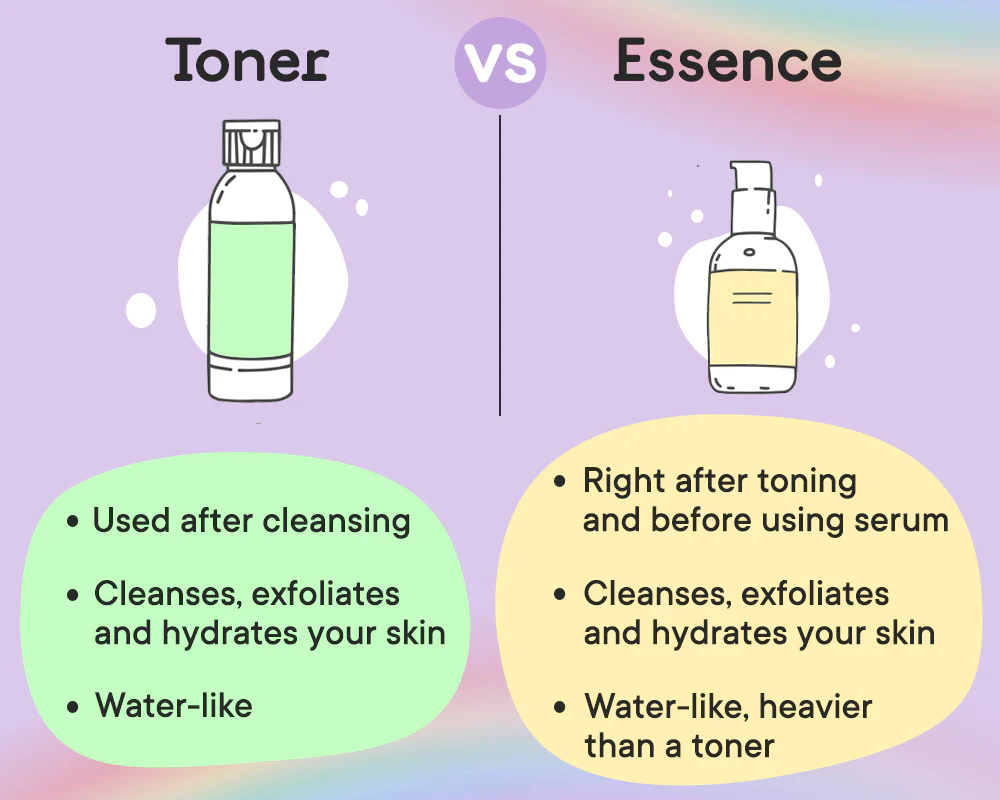
Toner is used after cleansing and before thicker leave-on products. Its role is to prepare the skin for the next steps in skincare layering and improve comfort, not to replace cleansing or moisturizing.

Correct Routine Order
A typical routine placement looks like this:
Cleanser → Toner → Serum → Moisturizer → Sunscreen (morning)
Toner sits between cleansing and treatment or moisturizing steps, helping skin feel ready for products that follow.
Hands vs. Cotton Pad
Application method often depends on toner type and purpose.
Hands are commonly used for:
Hydrating toners
Soothing toners
Barrier-support toners
Cotton pads are often used for:
Exfoliating toners
Toners intended to remove leftover residue
The goal is comfort and even distribution, not aggressive wiping.
How Much Toner to Use
More product does not mean better results. Toner should lightly cover the skin rather than soak it.
Using just enough to make skin feel comfortable is usually sufficient, while excessive amounts often add no extra benefit and may lead to product waste.
How to Choose Toner by Skin Type
Skin type influences whether toner feels helpful, unnecessary, or even uncomfortable. Choosing based on how your skin behaves is more useful than following trends or copying others’ routines.

Oily or Acne-Prone Skin
Skin that produces excess oil or clogs easily may benefit from toners that help reduce surface buildup and maintain a fresher feel after cleansing.
Helpful toner types often:
Provide light hydration without heaviness
Help keep pores feeling clearer
Offer gentle exfoliation in some cases
Avoid formulas that feel overly drying or harsh, as excessive stripping can sometimes trigger more oil production.
Dry Skin
Dry skin usually benefits from toners that support hydration and comfort after cleansing.
Helpful toner types often:
Add light moisture immediately after washing
Reduce tight or uncomfortable sensations
Support overall skin comfort before moisturizer
Avoid toners that leave skin feeling squeaky clean or tight, as they may worsen dryness.
Sensitive Skin
Sensitive skin often reacts easily to strong or heavily active formulas, so simplicity and soothing effects matter most.
Helpful toner types often:
Focus on calming and hydrating effects
Improve comfort after cleansing
Help routines feel gentler overall
Avoid formulas that sting, burn, or cause redness, as discomfort usually signals poor tolerance.
Combination Skin
Combination skin shows different needs across facial areas, often oilier in some zones and drier in others.
Helpful toner types often:
Provide balanced hydration
Feel lightweight enough for oily areas
Help maintain comfort across the whole face
Avoid very heavy or very stripping formulas, as they may worsen imbalance between zones.
In all cases, toner should make skin feel more comfortable, not complicated.
Common Toner Mistakes to Avoid
Many frustrations with toner come from misunderstandings about what it should do or how often it should be used. Common logic errors include:
Using alcohol-heavy toners daily
Strong, drying formulas can leave skin tight and uncomfortable, especially with frequent use.Overusing exfoliating toners
Applying exfoliating formulas too often may lead to irritation rather than smoother skin.Applying toner on uncleansed skin
Toner works best after cleansing; otherwise, oil and residue remain on the skin surface.Expecting toner to replace moisturizer
Toner can add hydration, but it does not replace the protective role of a moisturizer.
Most toner issues come from expecting too much or using it too aggressively, rather than from the step itself.


 EN
 JA
