

Choosing between a cleanser and a moisturizer isn’t about picking one over the other—they serve completely different roles in keeping skin healthy and balanced. Understanding how each step works helps you build a routine that actually supports your skin instead of complicating it.
If you’d like to see how cleansing fits into a complete routine, you can explore our Face Cleansing Guide for a clearer overview before choosing products.
What a Cleanser Does

A cleanser is the very first step in any skincare routine, and it does much more than simply “wash your face.”
A cleanser can come in different textures and formats, each suited to different skin needs.
Types of Cleansers
Not all cleansers feel the same, and that’s a good thing—your skin can choose what it likes best. Here are the most common types and how they work:
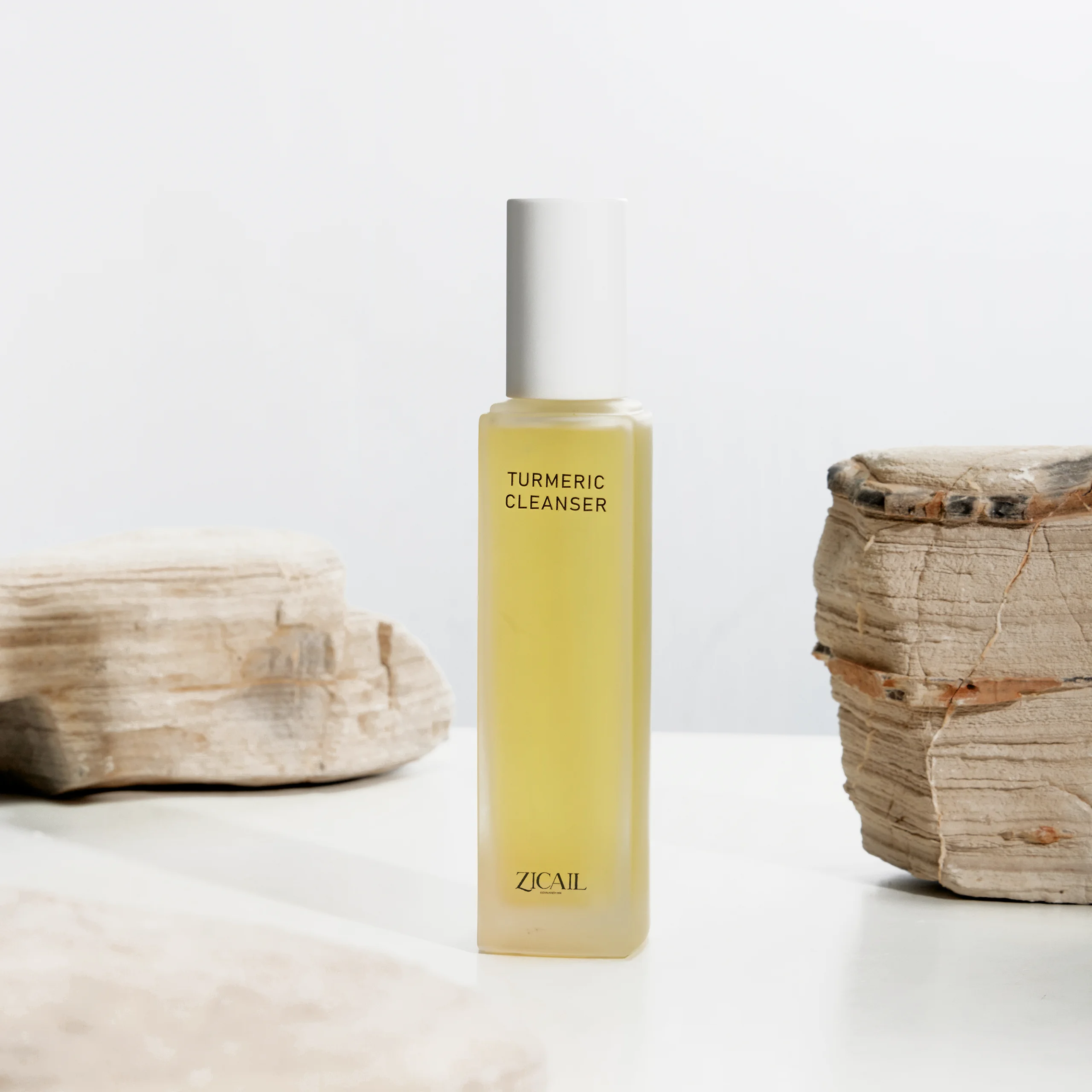
- Gel Cleansers: Light and refreshing; great for oily or combination skin. They help remove excess oil without feeling heavy.
- Foam Cleansers: Create a bubbly lather that feels extra clean. These work well for oily skin but can be too drying for some.
- Cream Cleansers: Soft and creamy; perfect for dry or sensitive skin. They clean gently while adding a bit of hydration.
- Oil Cleansers: Use oils to dissolve makeup and sunscreen. They’re ideal as the first step in a double-cleanse routine and work on all skin types.
- Balm Cleansers: Solid-to-oil formulas that melt into the skin. They’re especially effective for removing waterproof makeup and heavy sunscreen.
- Micellar Water: A no-rinse option that uses tiny cleansing molecules (micelles) to lift dirt and oil. It’s great for light makeup or quick cleansing.
Each type interacts with your skin differently, so the “best” one depends on your skin type, lifestyle, and personal preference.
What a Moisturizer Does

A moisturizer keeps your skin soft, smooth, and protected. While a cleanser resets your skin, a moisturizer protects it from losing water. Together, they help create a balanced, healthy routine.
Types of Moisturizers
Moisturizers come in many textures, from light gels to rich ointments. The texture you choose can make a big difference in how your skin feels throughout the day.

- Gel Moisturizers: Light, water-based, and quick to absorb. Great for oily or combination skin because they hydrate without feeling greasy.
- Lotion Moisturizers: A bit thicker than gels but still light. Good for normal or combination skin and easy to use every day.
- Cream Moisturizers: Rich and very hydrating. Best for dry or flaky skin, especially in cold or dry weather.
- Ointments: The thickest type. They seal in moisture and protect very dry or damaged skin. Often used on cracked areas or eczema.
Cleanser vs Moisturizer: The Core Differences
Cleansers and moisturizers play very different roles in your routine, but they work best when used together. Here’s how they compare.

| Category | Cleanser | Moisturizer |
|---|---|---|
| Main Function | Cleans dirt, oil, sweat, sunscreen, makeup | Hydrates skin and protects the barrier |
| Impact on Skin Barrier | Keeps barrier clean but may strip if too harsh | Strengthens barrier and locks in moisture |
| When to Use | 1–2 times daily; morning or night | After cleansing; morning & night |
| If You Skip It | Buildup, clogged pores, dull skin | Dryness, tightness, irritation |
| Overall Role | Resets your skin | Shields and hydrates your skin |
Function: Cleaning vs Hydrating/Protecting
- A cleanser removes dirt, oil, sweat, sunscreen, makeup, and pollution from your skin.
- A moisturizer adds hydration and helps your skin stay soft, smooth, and protected.
Think of the cleanser as a “reset,” and the moisturizer as a “shield.”
Impact on the Skin Barrier
Your skin barrier keeps water in and irritants out.
A gentle cleanser keeps the barrier clean without stripping it.
A moisturizer strengthens the barrier by locking in moisture and reducing dryness.
When both steps work together, your skin stays balanced and healthy.

When Each Product Should Be Used
Cleanser: Use at least once a day, usually morning or night. If you wear sunscreen or makeup, cleansing at night is important.
Moisturizer: Use after cleansing, both morning and night, to keep water from escaping your skin.
This simple order—cleanse, then moisturize—helps every skin type.
What Happens If You Skip One
If you skip the cleanser:
Dirt and oil stay on your skin
Your skin may look dull or uneven
Other products won’t absorb as well
If you skip the moisturizer:
Skin can become dry or tight
Your barrier gets weaker
You may see redness or irritation
Skin may produce more oil to make up for the dryness
Using both steps makes a big difference in how your skin looks and feels every day.
Which Comes First: Cleanser or Moisturizer?
Cleanser always comes first in a routine.
Cleansing removes oil, dirt, sunscreen, and buildup so moisturizer can properly hydrate and protect the skin. Applying moisturizer before cleansing would simply wash it away.
In short: cleanse first, moisturize second.
Choosing the Right Cleanser + Moisturizer for Your Skin Type
Every skin type needs both a cleanser and a moisturizer, but the best products for you depend on how your skin behaves. Here’s a simple guide to help you pick the right pair.
Oily / Acne-Prone Skin

- Cleanser: Choose a gentle gel or foam cleanser. These remove extra oil without stripping your skin. They help reduce shine and can keep pores from clogging.
- Moisturizer: Use a lightweight gel moisturizer or oil-free lotion. Even oily skin needs hydration, and these formulas won’t feel greasy or heavy.
Dry / Dehydrated Skin

- Cleanser: A cream cleanser or oil cleanser works best. These clean the skin but leave some moisture behind, so your skin doesn’t feel tight.
- Moisturizer: Pick a rich cream or balm moisturizer. These help repair dryness, soften rough areas, and keep water from escaping.
Combination Skin

Cleanser:
Use a balancing cleanser that removes oil from the T-zone without drying your cheeks.
Moisturizer:
A dual-texture routine works well.
Use lighter moisturizer on oily zones and richer formulas on dry areas.
This keeps your skin even and comfortable.
Sensitive Skin

- Cleanser: Choose a low-pH, fragrance-free cleanser. Harsh ingredients can cause redness or irritation, so gentle formulas are best.
- Moisturizer: Use a soothing moisturizer with minimal ingredients. Look for calming ingredients like ceramides or aloe, and avoid strong fragrances or alcohol.


 EN
 JA
