

Polyhydroxy acids (PHAs) are gentle exfoliants that smooth, brighten, and hydrate the skin. They work like AHAs and BHAs but are much milder, making them great for sensitive or dry skin. PHAs also help strengthen the skin barrier and reduce irritation.
In this article, you’ll learn what PHAs are, how they work, and how to use them safely. If you want smoother, brighter skin without harsh side effects, PHAs are a great choice.
What Are PHAs?

Polyhydroxy acids (PHAs) are gentle exfoliating acids that remove dead skin cells and make your skin smoother. They work like AHAs and BHAs but are milder and more hydrating, which makes them great for sensitive or dry skin.
Common PHAs include gluconolactone, lactobionic acid, galactose, and maltobionic acid. They not only exfoliate but also keep your skin soft and moist. PHAs stay on the surface of the skin, so they don’t cause irritation or sun sensitivity — giving you smooth, glowing skin without the sting.
Mechanisms of Action: How PHAs Work on Skin
Surface Exfoliation
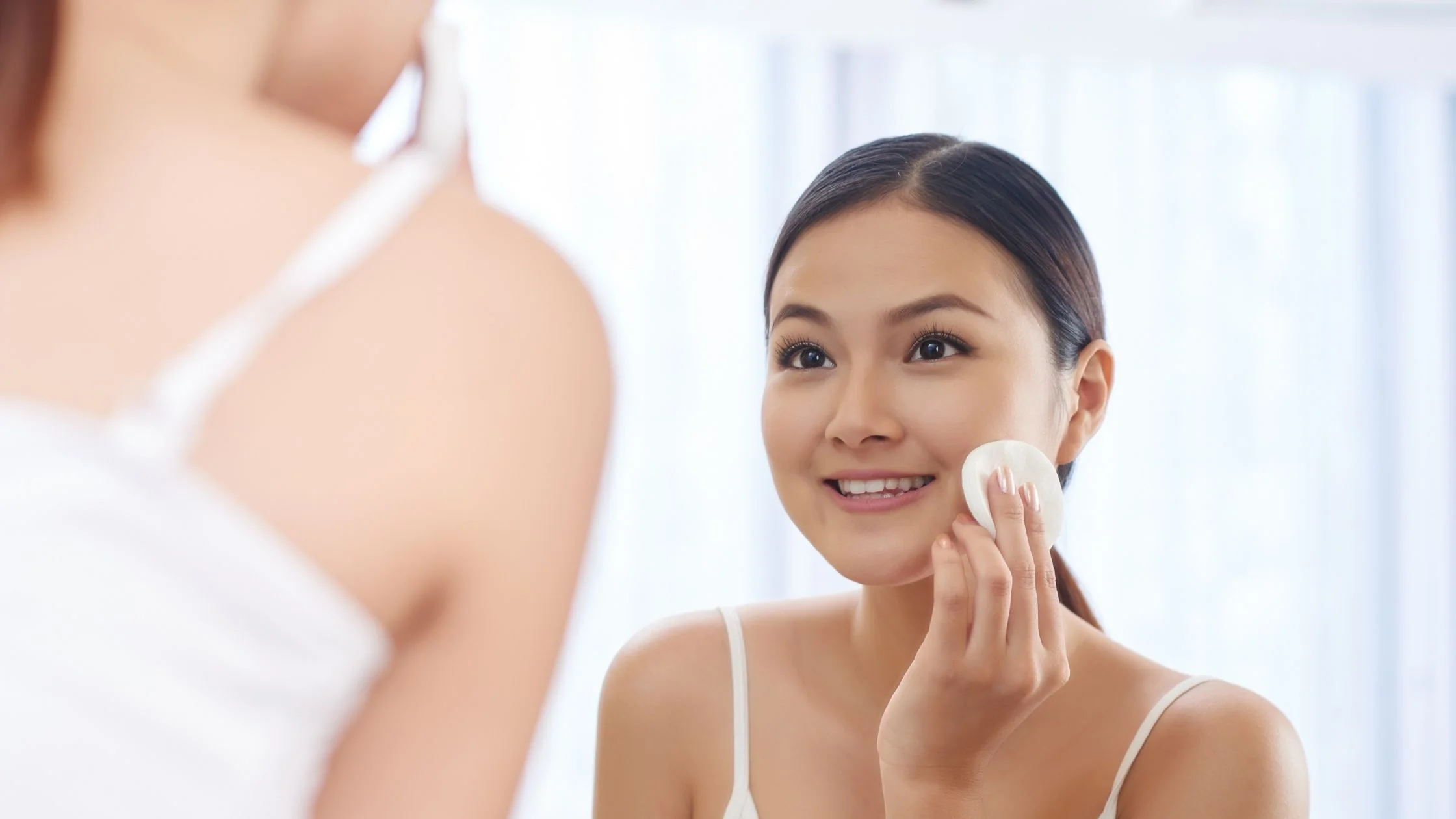
PHAs gently loosen and remove dead skin cells from the surface, helping your skin look smoother and brighter. They work slowly, so you get the benefits of exfoliation without redness or peeling.
Hydration and Water Retention
PHAs act as humectants, meaning they draw water into the skin and lock it in. This helps your skin stay soft, plump, and moisturized even after exfoliation.
Antioxidant Effect
Some PHAs, like gluconolactone and lactobionic acid, protect the skin from free radicals and pollution. This helps slow down signs of aging and keeps your skin looking healthy.

Barrier Support and Repair
Because PHAs are mild and moisturizing, they help strengthen your skin barrier instead of breaking it down. Regular use can make your skin more resilient and less sensitive over time.
Better Absorption
After removing dead cells, PHAs make it easier for other skincare products — like serums and moisturizers — to absorb more effectively and deliver better results.
Key Benefits in Skincare
Smoothing Texture and Brightening Skin

PHAs help gently remove dead skin cells, revealing a smoother, fresher surface underneath. With regular use, they even out skin tone, reduce dullness, and make your complexion look more radiant. Because they work slowly on the surface, PHAs are a great choice for everyday glow without the irritation that stronger acids can cause.
Anti-Aging Effects

Research shows that PHAs can help reduce fine lines, boost firmness, and improve skin luminosity. According to clinical studies published on PubMed and Healthline, PHAs like gluconolactone and lactobionic acid support collagen production and protect the skin from free radicals, slowing down signs of aging while keeping the skin plump and hydrated.
Protection Against Photodamage

PHAs also support skin exposed to sunlight. Studies on PubMed suggest that PHAs help repair and protect against photoaging, reducing the effects of UV damage such as roughness or uneven tone. Since they are non-photosensitizing, they can be safely used during the day with sunscreen for extra protection.
Great for Sensitive or Post-Treatment Skin
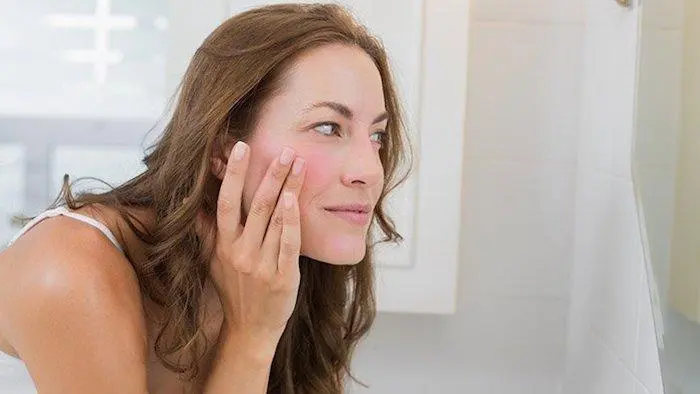
Because PHAs are mild and moisturizing, they’re safe for sensitive, rosacea-prone, or post-procedure skin. They gently exfoliate without disrupting the skin barrier, making them ideal for recovery periods after peels, laser treatments, or retinoid use.
Helps with Acne and Pores (Gently)

While PHAs don’t penetrate as deeply as BHAs, they still help clear surface buildup and refine pores. Their gentle exfoliation smooths rough texture and prevents clogging, making them suitable for mild breakouts or congested skin — especially for those who can’t tolerate stronger acids like salicylic acid.
Safety, Risks & Limitations

Irritation and Overuse
PHAs are gentle, but using them too often can still cause redness or dryness. Start slowly — about 2–3 times a week — and see how your skin reacts before using them more often.
Sun Sensitivity
PHAs don’t make your skin more sensitive to the sun, but new skin after exfoliation still needs protection. Always use sunscreen during the day to keep your skin safe and healthy.
When to Avoid PHAs
Don’t use PHAs on broken, irritated, or freshly treated skin. Wait until your skin is fully healed after peels, lasers, or microneedling before applying them again.
How to Stay Safe
Do a patch test before using a new PHA product. Choose mild formulas and pair them with hydrating or barrier-repair ingredients like hyaluronic acid or ceramides to prevent irritation.
Formulation & Technical Considerations

Concentration and pH Range
For PHAs to work effectively, they need to be in the right concentration and pH range. Most skincare products use 4–12% PHA with a pH between 3.5 and 4.5 — strong enough to exfoliate but still gentle on the skin. Too low a pH can cause irritation, while too high reduces exfoliating power.
Compatibility with Other Ingredients
PHAs are highly compatible with many skincare actives. They can be combined with vitamin C, peptides, and antioxidants for brightening effects.
However, when used with retinoids or other strong acids, they may increase sensitivity. It’s best to alternate these products — PHAs in the morning, retinol or stronger acids at night.
Delivery Systems
To make PHAs even gentler, brands often use encapsulation or slow-release systems. These methods allow the acid to work gradually, reducing the chance of irritation.
Some formulas also use microemulsions or gel-based textures to ensure even distribution and better skin comfort.
Cost and Stability
PHAs are relatively stable and easy to formulate, but their cost can vary depending on the source and purity.
They are more stable than AHAs, meaning a longer shelf life and less need for pH adjustment or preservatives. However, high-purity PHA ingredients may raise production costs for premium products.

Product Types and Design Choices
You can find PHAs in many skincare forms — toners, serums, masks, cleansers, and creams.
Toners and serums give a lightweight, fast-absorbing effect.
Masks provide a deeper, occasional exfoliation.
Cleansers offer gentle daily renewal.
According to Typology Paris, PHA formulations are now preferred for their multi-action balance — exfoliation, hydration, and skin comfort — making them suitable for daily use even on sensitive skin.
How to Incorporate PHAs in a Skincare Routine
Starting Guidelines
If you’re new to PHAs, start 2–3 times a week using a low concentration (around 4–6%). Once your skin adjusts, you can increase frequency or strength. Always apply to clean, dry skin and follow with a moisturizer.

Adjusting for Skin Type
Dry or sensitive skin: Choose hydrating PHA serums or toners with soothing ingredients like aloe or panthenol.
Oily or acne-prone skin: Use lightweight formulas such as gel-based toners to keep pores clear.
Combination skin: Apply PHAs to the T-zone more often, and use less on dry areas.

Pairing with Other Ingredients
PHAs pair well with most skincare actives. You can use them alongside vitamin C or niacinamide for brightening and barrier support. Avoid layering them with retinol or strong acids on the same night to prevent over-exfoliation — alternate instead (PHAs one night, retinol the next).
When and How to Apply
PHAs can be used in the morning or evening, but evening is preferred to let your skin renew overnight. After cleansing, apply your PHA product first, then follow with hydrating serums and moisturizer. If you use them in the morning, always finish with sunscreen to protect fresh skin.
Monitoring and Adjusting
Pay attention to how your skin reacts. Mild tingling is normal at first, but stop or reduce use if you notice redness or peeling.
You can also use barrier creams or hyaluronic acid to balance exfoliation. Once your skin adjusts, PHAs can become a safe and regular part of your skincare routine.
Ready to Transform Your Skincare Routine with PHAs?
If you’re looking to develop or source high-quality PHA skincare products, we can help. From custom formulations to private labeling and bulk manufacturing, our team specializes in creating gentle yet effective exfoliating solutions for all skin types.
Whether you’re building a new skincare line or expanding your product range, we’ll help you bring safe, science-backed, and high-performance PHA products to market. Contact us today to discuss your project, request samples, or get a free formulation consultation. Let’s create skincare that delivers real results — without irritation!
FAQs
Can I use PHAs every day?
Yes — many people tolerate PHAs daily, especially at moderate concentrations. But it depends on your skin’s sensitivity and the strength of the product. Start 3–4 times a week and work up only if your skin feels comfortable.
Can I layer PHA and vitamin C or retinol in one routine?
You can use them in the same routine, but avoid applying strong acids and retinoids on the same night — this may lead to irritation. A safer approach is to alternate (e.g. PHA one evening, retinol another) or use vitamin C in the morning and PHA at night.
Will PHA cause purging or breakouts?
Not typically — because PHAs act on the skin surface, they’re less likely to trigger purging. But if the formula has heavier oils or comedogenic ingredients, some may break out. Always patch test first.
How long before seeing results from PHA usage?
You may notice smoother texture and brightness within 2–4 weeks, but more significant changes (fine lines, tone improvement) often take 8–12 weeks of consistent use.
Can I use PHA on other body areas (neck, chest, hands)?
Yes — PHAs are gentle enough for broader areas. Many body lotions or creams use PHA to target dryness, rough patches, or uneven tone on hands, arms, and chest.


 EN
 JA
