Oleic acid is a natural fatty acid known for its ability to hydrate and nourish the skin. It is an unsaturated omega-9 fatty acid, which means it has a long carbon chain that allows it to form a protective barrier, helping to soften and smooth the skin. This makes it an excellent emollient in skincare products.
You can find oleic acid in oils like olive oil, avocado oil, and macadamia oil. These oils not only moisturize but also help other skincare ingredients absorb better, leaving your skin feeling nourished and protected.
Key Benefits of Oleic Acid for Skin

Deep Moisturization
One of the standout benefits of oleic acid is its ability to deeply hydrate the skin. It creates a protective barrier that locks in moisture, keeping your skin soft and smooth throughout the day. This makes it a great option for dry and dehydrated skin.
Anti-Aging Properties
Oleic acid is rich in antioxidants, which are essential for fighting the signs of aging. These antioxidants help reduce the appearance of fine lines and wrinkles, promoting a youthful and radiant complexion. Regular use of products with oleic acid can help you maintain healthy, glowing skin.
Anti-Inflammatory Effects
Oleic acid is also known for its anti-inflammatory properties. It can soothe irritated skin and is beneficial for conditions like eczema and psoriasis. By reducing redness and inflammation, it helps calm the skin, providing relief from flare-ups and discomfort.
Skin Repair and Barrier Strengthening
In addition to hydration, oleic acid helps strengthen the skin’s natural barrier. It plays a vital role in repairing damaged skin and protecting it from environmental stressors, ensuring your skin stays healthy and resilient.
Enhanced Absorption of Other Ingredients
Oleic acid is not only beneficial on its own but also helps improve the effectiveness of other ingredients. It enhances the absorption of vitamins, antioxidants, and other active compounds in skincare products, allowing them to penetrate deeper and work more effectively.
Potential Risks and Considerations

Comedogenic Nature
While oleic acid offers great hydration, it can be comedogenic, meaning it may clog pores for those with acne-prone skin. If you have oily or blemish-prone skin, it’s important to patch test before using products with high oleic acid content to ensure they don’t cause breakouts.
Skin Sensitivity
Oleic acid can sometimes cause irritation for people with sensitive skin. If you have a sensitivity to oils, it’s best to introduce oleic acid gradually into your routine, starting with a small amount to see how your skin reacts.
Oxidation Concerns
Another consideration is that oleic acid can degrade when exposed to air and light. This oxidation process can reduce its effectiveness over time. To avoid this, make sure to store oils and skincare products in a cool, dark place and always check expiration dates.
Not Ideal for Oily Skin
If you already have oily skin, oleic acid may not be the best choice for you. Its heavier texture can exacerbate oiliness, leading to a greasy feeling or shine. Opt for products that contain oils with a lower oleic acid content if you’re looking for a lighter option.
Oleic Acid vs. Linoleic Acid: Which Is Right for You?

Comparison of Properties and Benefits
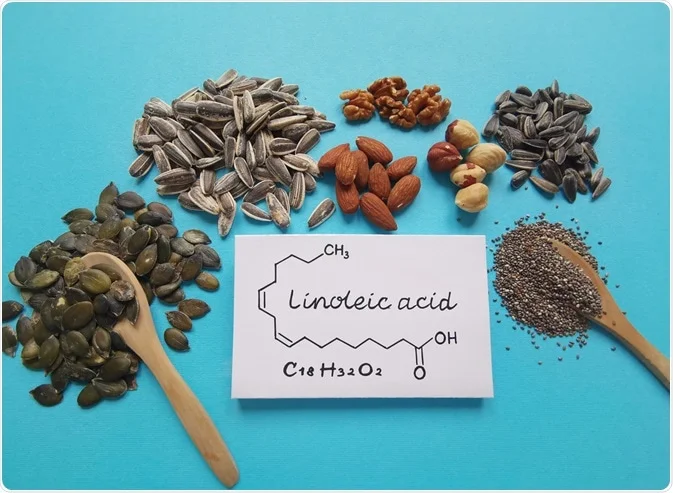
Oleic acid is a moisturizing fatty acid that helps lock in hydration and reduce fine lines. It’s great for dry skin. Linoleic acid, on the other hand, helps balance oil production and prevent acne. It’s perfect for oily or acne-prone skin.
Recommendations Based on Skin Type: Dry vs. Oily/Acne-Pron
If you have dry skin, oleic acid is your friend for deep hydration. If you have oily or acne-prone skin, linoleic acid can help balance oil and prevent breakouts.
Importance of Combining Both
Using both oleic and linoleic acids together can give you the best of both worlds. Oleic acid hydrates, while linoleic acid helps control oil and fight acne, leading to healthier, balanced skin.
Top Oils Rich in Oleic Acid

Olive Oil
Olive oil is one of the most popular oils rich in oleic acid. Known for its high antioxidant content, it helps nourish and protect the skin. It’s perfect for dry and mature skin, offering both hydration and anti-aging benefits.
Avocado Oil
Avocado oil is packed with oleic acid, making it an excellent choice for dry skin. It deeply moisturizes and helps repair the skin’s barrier, leaving your skin soft and smooth. It’s also rich in vitamins that nourish the skin.
Macadamia Oil
Macadamia oil is lightweight and absorbs quickly, making it ideal for those who need moisture without a greasy feel. It’s rich in oleic acid and helps restore hydration while keeping the skin smooth and healthy.
Marula Oil
Marula oil is a great option for hydration without clogging pores. It’s packed with oleic acid and provides deep moisture while still being lightweight, making it suitable for all skin types, including sensitive skin.
Sea Buckthorn Oil
Sea buckthorn oil is unique because it contains a balance of both oleic and linoleic acids. This combination makes it great for nourishing dry skin while also helping to balance oil production, making it suitable for a range of skin types.
How to Incorporate Oleic Acid into Your Skincare Routine

Choosing the Right Products
Look for oils and serums that are rich in oleic acid, like olive oil, avocado oil, or macadamia oil. These are great for dry skin and help lock in moisture.
Application Tips
Apply oleic acid products after cleansing and toning. Gently massage them into your skin in a circular motion to help them absorb better. Use them daily, especially at night, for the best results.
Patch Testing
Before using a new product, do a patch test on a small area of your skin, like your wrist. This helps ensure you don’t have any reactions, especially if you have sensitive skin.
Combining with Other Ingredients
Pair oleic acid with products that contain linoleic acid. This helps balance your skin by reducing excess oil and preventing clogged pores, making your routine more effective.
Expert Tips and Recommendations

Advice from Dermatologists on Using Oleic Acid in Skincare
Dermatologists suggest using oleic acid if you have dry or mature skin, as it’s great for hydration. If you have oily or acne-prone skin, be cautious, as it can clog pores. Always check with a dermatologist before trying new products.
Product Recommendations Based on Skin Type and Concerns
For dry skin, try oils like avocado or olive oil. They’re rich in oleic acid and provide deep moisture. If you have oily or acne-prone skin, look for lighter oils like marula oil or sea buckthorn oil, which hydrate without feeling heavy.
Precautions to Take When Introducing New Products
Start by introducing one product at a time and always patch test to avoid irritation. If you’re unsure, consult a dermatologist to safely add oleic acid to your routine and find the best products for your skin.
Conclusion

Oleic acid provides excellent hydration, anti-aging benefits, and helps soothe irritated skin. It strengthens the skin’s barrier and enhances the effectiveness of other ingredients, making it a great addition to many routines. However, it may not be suitable for oily or acne-prone skin.
Choose skincare products that suit your specific skin type and needs. If you’re looking to add oleic acid to your routine, make sure to select the right products for you. For personalized recommendations, contact Zicail for expert skincare advice.
FAQs
Can I use pure oleic acid directly on my skin?
It’s not recommended to apply pure oleic acid directly to your skin. While it’s a component in many skincare products, using it in its pure form can be too potent and may cause irritation or disrupt your skin’s natural barrier. Always opt for products formulated with oleic acid, as they are balanced for safe topical use.
Is oleic acid suitable for all skin types?
Oleic acid is best suited for dry, mature, or sensitive skin due to its moisturizing and barrier-strengthening properties. However, if you have oily or acne-prone skin, be cautious, as it may clog pores and exacerbate breakouts. It’s essential to choose products that match your skin type and needs.
How can I incorporate oleic acid into my skincare routine?
To add oleic acid to your routine, look for oils or serums containing ingredients like olive oil, avocado oil, or marula oil. Apply them after cleansing and toning, gently massaging into the skin. Always patch test new products to ensure compatibility with your skin.
Are there any side effects of using products with oleic acid?
While oleic acid is generally safe, some individuals may experience mild irritation or sensitivity, especially if they have oily or acne-prone skin. It’s crucial to monitor your skin’s response and discontinue use if any adverse reactions occur.
Can I use oils rich in oleic acid during the day?
Yes, oils like avocado or marula oil, which are rich in oleic acid, can be used during the day. However, if you’re using them in the morning, ensure you follow up with sunscreen, as some oils can make the skin more sensitive to the sun.