

Tired of your hair getting greasy too quickly? You’re not alone. In this guide, we’ll share simple, effective ways to treat and manage oily hair—so you can enjoy fresher, cleaner locks without constant washing or frustration.
Use the Right Shampoo

Managing oily hair starts with picking the right shampoo. Go for a formula designed for oily scalps—these are usually lightweight and help control sebum without stripping your hair.
To take it a step further, add a clarifying shampoo once a week to remove product buildup and excess oils that regular shampoos might miss. Just avoid anything too rich or creamy—heavy, oil-based shampoos can leave behind residue that worsens greasiness.
Adjust Your Washing Routine
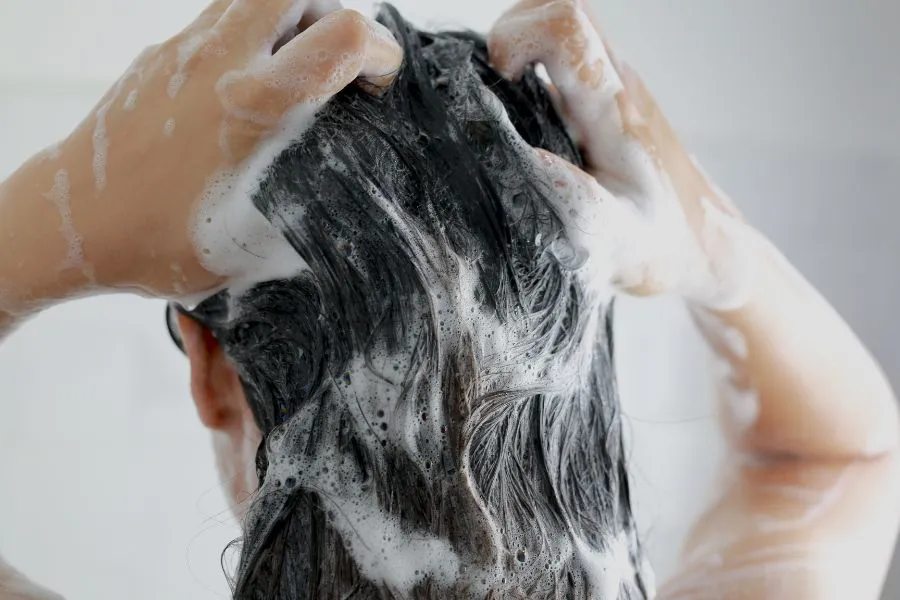
How often you wash your hair matters. If your scalp gets greasy quickly, try washing every day or every other day.
And skip the hot showers—lukewarm water is gentler on your scalp and won’t overstimulate oil glands like high heat does.
Always rinse thoroughly to ensure no shampoo or conditioner is left behind, as leftover residue can lead to even more oil.
Apply Conditioner Strategically
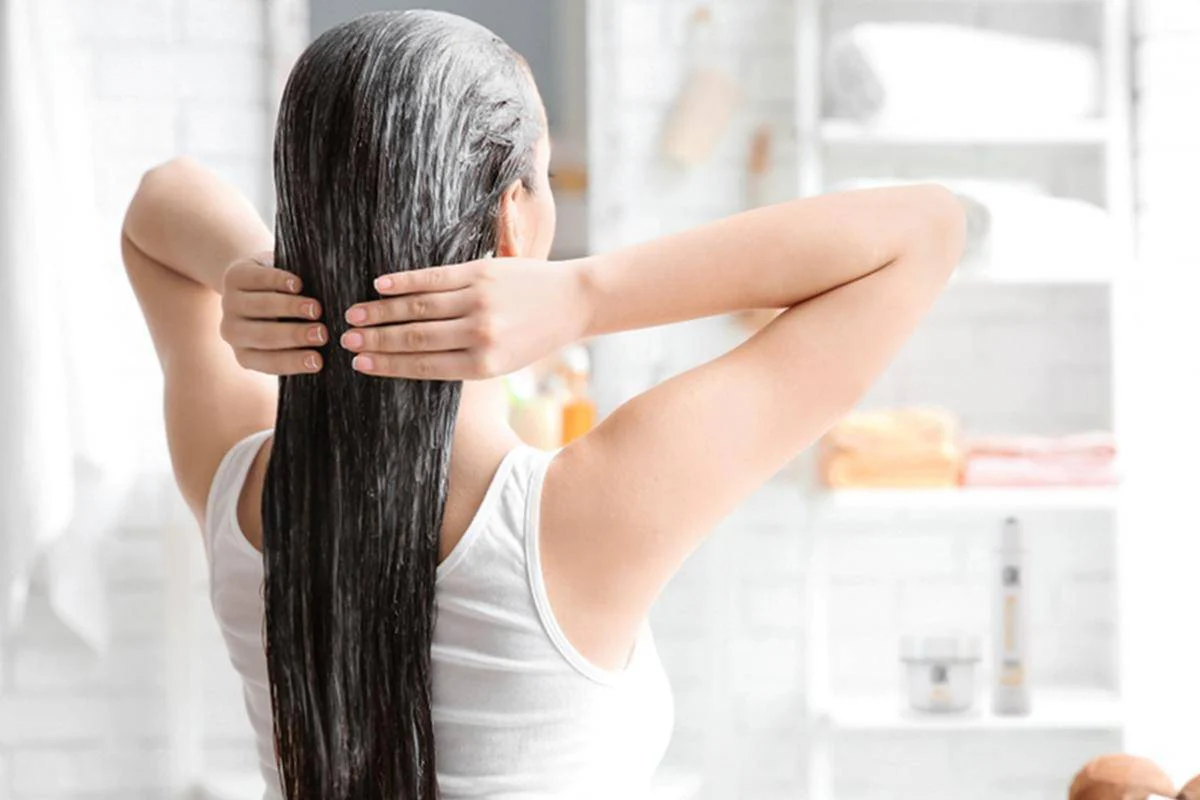
Even oily hair needs moisture—but it’s all about where and how you apply it. Use conditioner only on the ends of your hair, never near the scalp.
Look for lightweight, oil-free formulas that hydrate without weighing your hair down. Steer clear of leave-in oils or heavy masks unless your ends are particularly dry.
Exfoliate Your Scalp Weekly

A healthy scalp is key to controlling oil. Exfoliate once a week to remove buildup and dead skin cells.
Try chemical exfoliants with AHA or BHA for a deep clean, or use gentle physical scrubs designed for the scalp. Regular exfoliation can help prevent clogged pores and reduce flakes caused by excess oil.
Use Dry Shampoo (But Don’t Overdo It)
Dry shampoo can be a lifesaver between washes. It quickly absorbs oil, especially helpful after workouts or on humid days. But don’t rely on it every day—overuse can clog pores, irritate the scalp, and actually make oiliness worse over time.
Rethink Your Styling Products
Heavy styling products like mousses and creams can make oily hair worse. Instead, switch to lightweight formulas such as foams, serums, or mists. And remember—never apply products directly to your scalp.
Try Natural Remedies

Nature has some great options too. Aloe vera gel soothes the scalp. A diluted apple cider vinegar rinse helps balance scalp pH. A green tea rinse offers antioxidants, while diluted tea tree oil fights buildup and flakiness.
Adopt Gentle Haircare Habits
Be kind to your scalp. Avoid over-brushing or constantly touching your hair. Pat your hair dry instead of rubbing it. And try to limit hot tools, as heat can signal your scalp to produce more oil.
Maintain Scalp-Friendly Lifestyle Choices
What’s happening inside your body affects your scalp too. Drink plenty of water, eat a balanced diet, and cut down on greasy, sugary foods. Managing stress also helps regulate hormonal oil triggers, keeping your scalp in check.



 EN
 JA
