

Did you know that some sunscreen ingredients have been studied for their potential impact on coral reefs? Each year, sunscreen products enter coastal waters, raising concerns about their effects in sensitive marine environments.
Coral reefs, home to countless marine species, have been the focus of studies examining the potential effects of ingredients such as oxybenzone and octinoxate on coral health.
In response, places like Hawaii and Key West have restricted the sale of sunscreens containing specific ingredients, based on local environmental regulations.
Choosing sunscreen with greater environmental consideration is one practical way individuals can reduce potential impact when swimming in sensitive marine environments.
What Does “Reef-Safe” Sunscreen Mean?
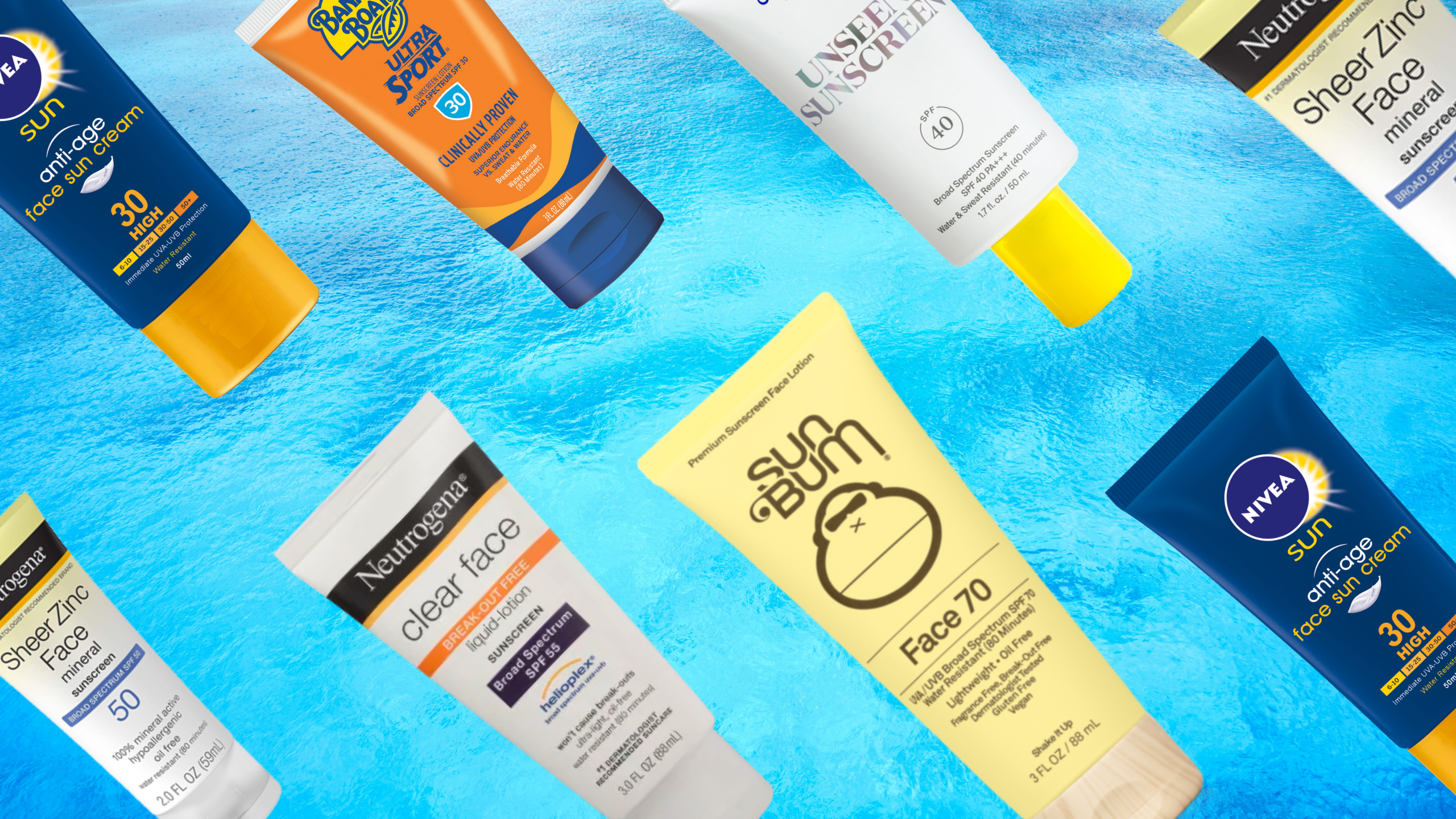
You’ve probably seen the term “reef-safe” on sunscreen labels, but what does it really mean? The truth is, there’s no official rule or standard for using this term. It’s often used as a marketing claim, so it’s important to look a little closer.
In most cases, “reef-safe” is used to describe sunscreens that do not contain ingredients like oxybenzone or octinoxate, which have been studied for potential environmental impact.
These ingredients have been restricted in certain regions based on local environmental regulations and ongoing scientific research.
But keep in mind, no sunscreen is completely reef-safe. Some are just less harmful than others.
Choosing these options is often seen as a more cautious approach when swimming in sensitive marine areas.
What Makes a Sunscreen Reef-Safe?
 If you’ve been hearing about reef-safe sunscreen, you might wonder what sets it apart from regular sunscreen. The term “reef-safe” reflects a commitment to protecting both your skin and the delicate ecosystems in our oceans, particularly coral reefs.
Here are the characteristics commonly associated with reef-conscious sunscreen choices.
Reef-Safe Labeling: What Does It Mean?
At its core, reef-safe sunscreen is formulated without certain harmful chemicals that have been linked to coral bleaching and reef degradation. Specifically, it avoids:
- Oxybenzone: A UV filter that has been associated with coral stress in laboratory and localized studies.
- Octinoxate: Another UV-blocking agent that contributes to coral bleaching.
By skipping these harmful ingredients, reef-safe sunscreens aim to minimize their impact on marine life while still offering effective sun protection.
Mineral-Based Formulas for Skin and Reef Safety
Mineral-based sunscreens are often preferred in reef-sensitive areas due to their different UV-filtering mechanisms.
These use natural, active ingredients like:
- Zinc oxide: A powerful UV blocker that sits on the skin’s surface, reflecting harmful rays.
- Titanium dioxide: Another effective mineral that provides broad-spectrum protection.
To ensure minimal environmental impact, look for products labeled as non-nano, meaning the particles are designed to remain on the skin’s surface and are less likely to disperse in marine environments.
Ingredients to Avoid
In addition to harmful UV-blocking chemicals, steer clear of the following:
- Parabens: Preservatives that have raised environmental concerns in aquatic ecosystems.
- Fragrances: Complex mixtures that may include compounds of environmental concern.
- Petrolatum (mineral oil): A petroleum-derived ingredient that is slow to biodegrade in marine environments.
By choosing sunscreens free from these ingredients, you’re taking a step toward protecting marine ecosystems while keeping your skin safe.
A Win-Win for Skin and the Planet
Switching to reef-safe sunscreen is a small change with a big impact. Not only does it shield your skin from harmful UV rays, but it also helps preserve coral reefs—vital ecosystems that support marine biodiversity.
Next time you’re shopping for sunscreen, check the labels carefully. A reef-safe option is a simple, effective way to care for your skin while doing your part to protect the planet.
How Reef-Safe Sunscreen Protects Your Skin
 Protecting your skin from harmful UV rays is essential, but why not choose a sunscreen that’s good for both your health and the environment? Reef-safe sunscreens are designed to provide effective sun protection while being gentle on your skin—and on our oceans.
The Efficacy of Mineral-Based Sunscreens
Reef-safe sunscreens often rely on mineral-based formulas, featuring active ingredients like zinc oxide and titanium dioxide. These minerals work by forming a physical barrier on your skin, reflecting and scattering harmful UV rays before they can cause damage. Unlike chemical sunscreens, mineral-based options start working immediately upon application.
Benefits of Non-Nano Formulations
Look for sunscreens labeled as non-nano, which means the particles are large enough to stay on the skin’s surface without penetrating the skin barrier. This makes non-nano sunscreens:
-
Highly effective at blocking UV rays.
-
Gentle on sensitive skin, reducing the risk of irritation or allergies.
-
Environmentally friendly, as they are less likely to be absorbed by marine life.
Gentle and Suitable for All Skin Types
One of the best things about reef-safe sunscreens is their versatility. They’re ideal for all skin types, including those with sensitive or acne-prone skin. Many mineral-based formulas are fragrance-free and hypoallergenic, making them a go-to option for anyone looking for safe, soothing sun protection.
Practical Tips for Reef-Safe Sun Protection
 We all want to protect our skin from harmful UV rays, but it’s equally important to consider the impact our sun protection has on the environment. Here are some practical tips to help you stay sun-safe without harming coral reefs:
Alternatives to Traditional Sunscreen
- UPF-rated clothing: Instead of relying solely on sunscreen, wear clothing with an Ultraviolet Protection Factor (UPF). This helps reduce the amount of sunscreen you need to apply, minimizing the impact on the environment.
- Hats, sunglasses, and beach umbrellas: These items offer extra protection and reduce the need for sunscreen, especially during peak sun hours.
Choosing the Right Sunscreen
- Non-nano, mineral-based formulas: Always look for sunscreens that use zinc oxide or titanium dioxide as the active ingredients. Non-nano means the particles are large enough not to be absorbed by coral, minimizing harm to marine life.
- Rub-on lotions over sprays: Sunscreen sprays may be convenient, but they can easily drift onto sand and into the ocean, causing contamination. Choose lotion formulas instead, which you can apply more precisely.
Water-Resistant Sunscreens and Proper Application
- Water-resistant formulas: If you’re swimming, ensure your sunscreen is water-resistant to reduce the chance of it washing off.
- Reapply properly: Follow the instructions on the label to make sure you’re getting adequate protection. Most sunscreens need to be reapplied every two hours, especially after swimming or sweating.
These small adjustments in your sun protection routine can make a big difference for both your skin and the environment.
Choosing the Right Reef-Safe Sunscreen for Skin Protection
 Navigating the sunscreen aisle can be overwhelming, but a little guidance goes a long way. Here’s how to pick a reef-safe sunscreen that suits your needs:
How to Read Labels
When choosing a sunscreen, always check the label for:
-
Broad-Spectrum Protection: Shields your skin from both UVA (aging) and UVB (burning) rays.
-
Water Resistance: Ideal for outdoor activities like swimming or sweating. This ensures the sunscreen stays effective longer.
SPF Levels for Every Skin Type
Selecting the right SPF depends on your skin type and activity level:
-
SPF 30: Offers sufficient protection for most people during daily activities.
-
SPF 50+: Recommended for extended outdoor exposure or fair skin that burns easily.
Remember, reapplying every two hours (or after swimming) is just as important as choosing the right SPF.
Rub-On Lotions Over Sprays
For better coverage and less environmental contamination, opt for rub-on lotions instead of sprays. Lotions are easier to control, ensuring even application and reducing the risk of inhaling particles.
Beyond Sunscreen: Other Threats to Coral Reefs
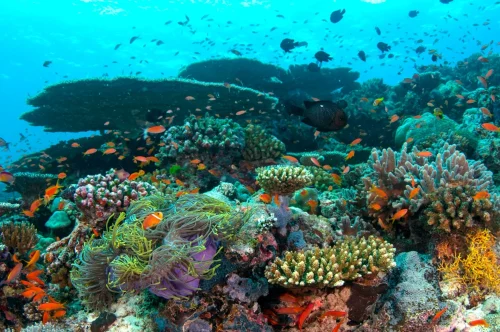 While choosing the right sunscreen is important, it’s not the only factor affecting the health of coral reefs. Other major threats also play a role in the ongoing degradation of these ecosystems.
- Climate Change: Rising ocean temperatures and acidification, driven by climate change, are major causes of coral bleaching and reef degradation.
- Overfishing: Destructive fishing practices, such as dynamite fishing, also harm coral reefs by damaging their physical structure and disturbing marine life.
- Pollution: Plastic pollution, oil spills, and agricultural runoff contribute to the overall stress on coral ecosystems, further exacerbating their decline.
Why Sunscreen is a Manageable Factor
While sunscreen chemicals are a significant threat to reefs, they are also one of the most manageable factors. By choosing reef-safe sunscreens and advocating for eco-friendly practices, we can make a tangible impact on coral reef conservation.
Sunscreen might not be the only challenge, but it’s a preventable one, and by making small, informed changes in our routines, we can all play a part in protecting these vital ecosystems.
Conclusion

Choosing sunscreen with greater environmental consideration is one practical step individuals can take when visiting marine environments.
Selecting formulas that avoid certain debated ingredients while still meeting sun-protection needs allows for a more balanced approach between skin care and environmental awareness. Small choices like this really do add up.


 EN
 JA
