

What Is Gluten and Why Is It in Skincare?

Gluten is a protein found in wheat, rye, and barley. It’s what gives bread its chewy texture. While we mostly think of gluten in food, it can also be used in skincare and sunscreen products.
Some skincare brands add gluten-based ingredients to make their products feel smooth or creamy. That means your sunscreen might have gluten—even if you wouldn’t expect it.
Here are some common gluten-derived ingredients you might see on skincare labels:
Hydrolyzed wheat protein
Barley extract
Wheat germ oil
Avena sativa (oat): Naturally gluten-free, but often cross-contaminated during processing unless certified gluten-free.
Tocopherol (Vitamin E): Can be derived from wheat, though many formulas now use non-wheat sources. Check labeling or confirm with the brand if gluten-free status matters to you.
If you see these on your sunscreen label and you’re trying to avoid gluten, it’s a good idea to skip that product or confirm with the brand whether it’s certified gluten-free.
Can Gluten in Sunscreen Harm You?
For most people, gluten in sunscreen does not cause a reaction through skin contact—but accidental ingestion can be a concern for those with celiac disease.

Let’s clear up a common concern: gluten cannot be absorbed through your skin. So if you apply sunscreen to your arms or legs, it won’t trigger a reaction—even if you have celiac disease. That’s because the gluten protein is too large to pass through the skin barrier.
But here’s where things get tricky—gluten can still cause problems if it’s accidentally ingested. This is especially important when you apply sunscreen to areas like your face, lips, or hands.
If you eat or touch your mouth after applying sunscreen, there’s a chance you could swallow a small amount of gluten without realizing it.
So even though sunscreen with gluten isn’t dangerous on its own, it’s still safer to choose a gluten-free formula—especially if you’re applying it near your mouth or using it on kids. A small step like this can give you peace of mind and help avoid accidental exposure.
Who Should Use Gluten-Free Sunscreen?

You might think gluten-free sunscreen is only for people with food allergies, but it can actually benefit a few different groups—and maybe even you.
People with Celiac Disease
If you have celiac disease, even a small amount of gluten can cause a reaction. Sunscreen used on your face, lips, or hands could accidentally get in your mouth—so using a gluten-free formula is a safer choice.
People with Gluten Sensitivity
You don’t need to have celiac disease to feel sick from gluten. Some people get headaches, stomach pain, or skin problems after gluten exposure. If this sounds like you, it’s a good idea to avoid it in your skincare too.
Anyone Avoiding Allergens
More people are choosing clean, allergy-friendly products. If you like to keep your skincare gentle and simple, gluten-free sunscreen is a smart pick—even if you’re not sensitive to gluten.
Ingredients to Watch Out For

Reading sunscreen labels can be tricky—especially when gluten hides behind names that don’t sound like wheat or barley. If you’re trying to avoid gluten, here are some common ingredients to look out for:
Avena Sativa (Oat): While oats are naturally gluten-free, they’re often cross-contaminated with wheat during processing. Unless labeled gluten-free, it’s best to skip it.
Hydrolyzed Wheat Protein: This is a clear sign of gluten. It’s often added to improve texture or moisture in skincare.
Barley Extract: Made from barley, this ingredient should be avoided if you have celiac disease or gluten sensitivity.
Tocopherol (Vitamin E): This one’s tricky—Vitamin E can be made from wheat or soy. If the product isn’t labeled gluten-free, it’s worth reaching out to the brand for confirmation.
Sometimes, gluten-based ingredients are listed under names that don’t sound harmful. To stay safe, always check the full ingredient list, and when in doubt, go for products that clearly state they are gluten-free. That little label can give you peace of mind.
Tips to Choose a Safe Gluten-Free Sunscreen
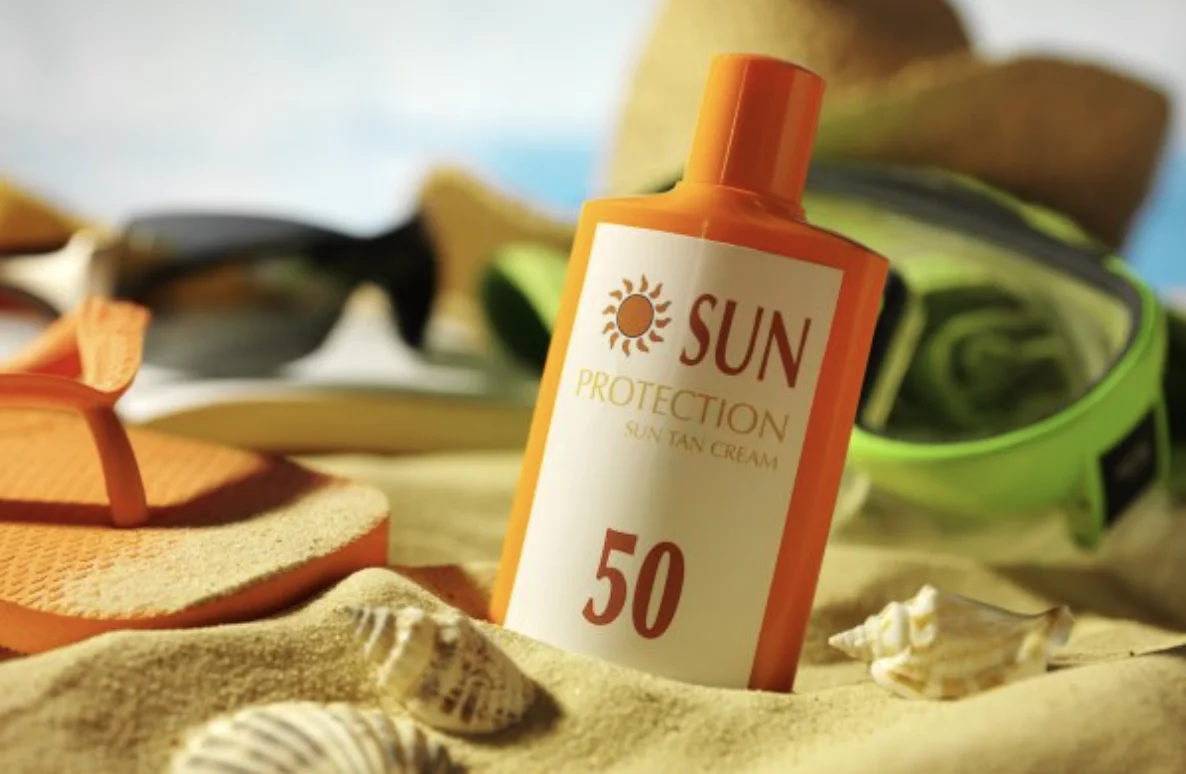
Shopping for sunscreen can feel overwhelming—especially when you’re trying to avoid gluten. But with a few simple tips, you can find a product that’s both safe and effective.
- Look for “Certified Gluten-Free”: The easiest way to stay safe is to choose sunscreens with a certified gluten-free label. This means the product has been tested and meets strict gluten-free standards—so you don’t have to guess.
- Read the Ingredient List: If there’s no gluten-free label, take a closer look at the ingredients. Watch for wheat, barley, oats, or hydrolyzed wheat protein—and anything that sounds grain-based.
- Prefer Mineral-Based Sunscreens: Mineral sunscreens use ingredients like zinc oxide or titanium dioxide, which are less likely to contain gluten or added irritants. They’re also a great option for sensitive skin.
- Choose Fragrance-Free if Unsure: Some fragrances are made using wheat-based alcohols or other hidden sources of gluten. If the label doesn’t clearly say what the fragrance is made from, it’s safer to go fragrance-free.
- When in Doubt, Ask the Brand: Still not sure? Most brands are happy to answer ingredient questions. Reach out to their customer service team to ask if the product is gluten-free—it’s better to be safe than sorry.
With a little care and label reading, you can find a sunscreen that keeps your skin safe from the sun and from gluten.
If you want a more complete framework for choosing sunscreen beyond gluten concerns, you can also refer to our expert guide on selecting the right sunscreen for your skin and lifestyle.
Best Practices for Using Gluten-Free Sunscreen

Choosing a gluten-free sunscreen is a great first step—but how you use it also matters, especially if you’re sensitive to gluten. Here are a few tips to help you stay safe and protected.
Always Do a Patch Test
Before using any new sunscreen, it’s a good idea to do a patch test—especially if you have sensitive skin. Apply a small amount to your inner arm and wait 24 hours to check for any reaction. This helps avoid irritation or allergies before applying it to your whole body.
Avoid Hand-to-Mouth Contact
Gluten can’t be absorbed through the skin, but it can cause trouble if it gets into your mouth. Be mindful after applying sunscreen to your hands or face—especially before eating or drinking. Washing your hands afterward can help reduce the risk of accidental ingestion.
Use Gluten-Free Lip Balms
The area around your lips is where sunscreen is most likely to be swallowed. That’s why it’s smart to use a gluten-free lip balm or SPF stick made specifically for this delicate area. It’s a small detail that can make a big difference in staying gluten-free.
Gluten-Free Sunscreen by Skin Type

Finding the right gluten-free sunscreen isn’t just about avoiding gluten—it’s also about matching the formula to your skin type. Here’s how to choose one that keeps your skin happy and healthy.
Conclusion

If you have celiac disease, gluten sensitivity, or just want to avoid hidden allergens, using gluten-free sunscreen is a smart choice. It helps you stay safe in the sun without worrying about accidental gluten exposure. Always check the label and pick products that match your skin’s needs.
Need help finding the right one? Zicail is here for you. We offer safe, trusted skincare options—including gluten-free sunscreen—for all skin types. Contact us anytime if you have questions or want product suggestions. Let’s keep your skin protected and gluten-free!


 EN
 JA
