

Spray sunscreens are a quick and easy way to protect your skin from the sun. Just spray and go—no mess, no heavy feeling. But what’s actually in that bottle?
Understanding the ingredients in spray sunscreen helps you know how it protects your skin and why it feels the way it does. Some ingredients block the sun’s rays, while others make the spray feel light, dry fast, or keep your skin moisturized. Knowing what each part does can help you choose the right one for your needs.
What Makes Up a Spray Sunscreen?

Spray sunscreens are more than just a refreshing mist—they’re carefully formulated products designed to protect your skin while feeling light and easy to apply. To understand how they work, it helps to break them down into two main components: active and inactive ingredients.
Active Ingredients: The Sun Protectors
These are the ingredients responsible for shielding your skin from UV rays. They either absorb or reflect UVA and UVB radiation, which are known to cause sunburn, aging, and skin damage. Common active ingredients include:
Avobenzone – absorbs UVA rays
Octocrylene – absorbs UVB and short UVA rays
Zinc Oxide and Titanium Dioxide – reflect both UVA and UVB rays (physical blockers)
Without these, your sunscreen wouldn’t offer the essential protection your skin needs under the sun.
Inactive Ingredients: The Comfort Enhancers
Inactive ingredients don’t block UV rays, but they’re just as important. They improve the product’s texture, feel, and performance. Some help the spray dry faster, others hydrate your skin, and some even help make the formula water-resistant. Examples include:
Glycerin – locks in moisture
Alcohol Denat – helps spray sunscreens dry quickly and feel lightweight; may feel drying for some skin types at higher concentrations.
Silicones – create a smooth, non-greasy finish
Aloe Vera – soothes and cools the skin
Together, active and inactive ingredients create a formula that’s not only effective but also skin-friendly and easy to wear, making sunscreen something you’ll actually want to use every day.
Active Ingredients: The UV Filters
The true power behind any sunscreen lies in its UV filters—the active ingredients that block or absorb harmful ultraviolet rays. These are what keep your skin safe from sunburn, premature aging, and long-term sun damage.
Spray sunscreens typically use a mix of chemical and physical (mineral) UV filters to provide broad-spectrum protection. Let’s take a closer look at each type and how they work.
Chemical UV Filters
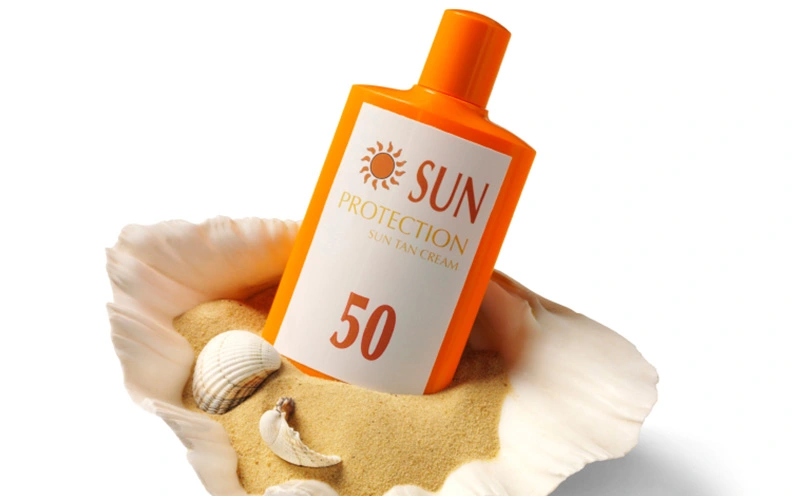
Chemical filters absorb UV radiation and convert it into harmless heat. They’re often lightweight and blend easily into spray formulas, making them a popular choice for a smooth, non-greasy feel.
Avobenzone: A go-to UVA absorber, especially effective at blocking deep-penetrating rays that cause aging. However, it needs to be stabilized with other ingredients (like octocrylene) to stay effective in sunlight.
Octocrylene: This multitasking filter absorbs UVB and short UVA rays. It also helps stabilize avobenzone, making the overall formula more durable. Plus, it adds water resistance, making it great for outdoor use.
Octinoxate: Known for its lightweight texture, it absorbs UVB rays and boosts SPF when paired with other filters. A common ingredient in sprays for a barely-there feel.
- Oxybenzone: A broad-spectrum UV filter that absorbs both UVA and UVB rays. While effective, it has raised environmental and skin-sensitivity concerns, leading some consumers and regions to prefer alternatives.
Homosalate: Focused on UVB protection, this filter helps build up the SPF level in combination with other agents. It’s a reliable, supportive ingredient in many formulas.
Physical (Mineral) UV Filters
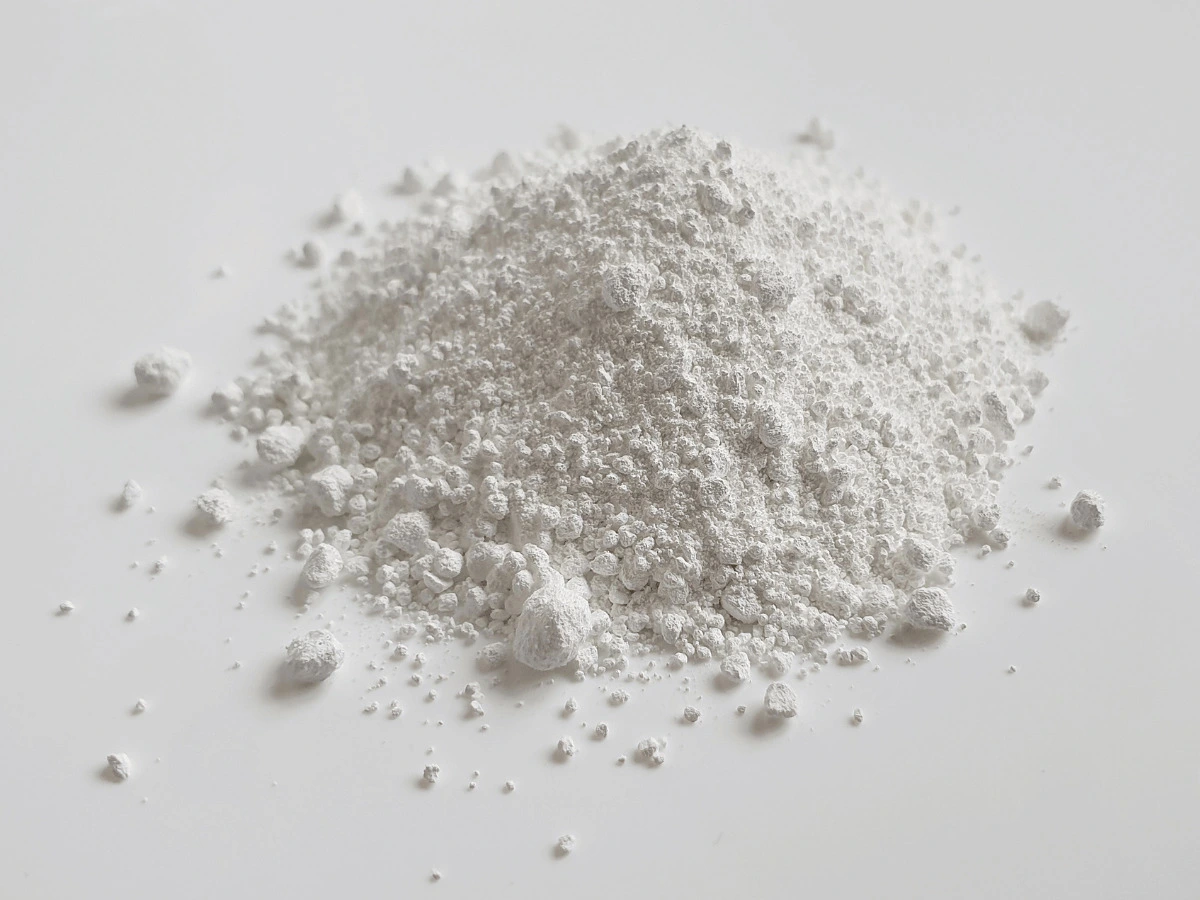
Physical filters sit on the skin’s surface and reflect or scatter UV rays. They’re often favored for sensitive skin types and are considered more environmentally friendly.
Titanium Dioxide: A gentle mineral filter that reflects both UVA and UVB rays. Newer, micronized forms reduce the chalky white cast while still offering strong protection.
Zinc Oxide: Known for its broad-spectrum protection, this mineral is ideal for sensitive skin and is considered reef-safe. It also has soothing properties, which makes it great for calming sun-stressed skin.
Both types of filters can be used alone or combined to create effective, long-lasting sun protection that suits different skin types and lifestyles.
Inactive Ingredients: Enhancing Formulation and Feel
While active ingredients do the heavy lifting in protecting your skin from UV rays, inactive ingredients are what make spray sunscreens feel good, apply evenly, and stay effective throughout the day. These components help improve texture, boost hydration, and enhance your overall experience—making sunscreen something you’ll actually enjoy using.

Carriers & Solvents
These ingredients help the sunscreen spread evenly and feel light on the skin.
Water: Acts as a lightweight base, helping to evenly distribute active ingredients during application.
Alcohol Denat: Acts as a fast-evaporating solvent that helps spray sunscreens spread evenly and dry quickly.
Film Formers & Texture Agents
These ingredients improve how well the product sticks to the skin and help create a smooth, protective barrier.
Acrylates Copolymers: Add water resistance, making the sunscreen stay put during sweating or swimming.
Hexadecene Copolymer: Helps form an even film across the skin, ensuring consistent coverage and protection.

Skin-Conditioning Ingredients
These ingredients help keep your skin hydrated, soothed, and comfortable during sun exposure.
Glycerin: A powerful humectant that draws in moisture, keeping your skin soft and preventing dryness.
Aloe Vera: Known for its soothing and cooling properties, it’s great for calming sun-stressed or sensitive skin.
Silicones (like Dimethicone): Add a silky-smooth texture, form a water-resistant layer, and are non-comedogenic, meaning they won’t clog pores.
Antioxidants
These help protect your skin from environmental stress and boost the overall effectiveness of the sunscreen.
Vitamin E (Tocopherol): A strong antioxidant that fights free radicals, supports skin repair, and helps maintain the stability of the formula.
Green Tea Extract: A natural antioxidant that provides anti-inflammatory and soothing benefits, especially useful for sensitive or sun-exposed skin.
Fragrance (Optional)
Fragrance can enhance the sensory experience of using sunscreen, making it feel more pleasant. But keep in mind, if you have sensitive skin, it’s best to choose a fragrance-free option to avoid irritation.
Ingredient Compatibility & Formulation Tips

Creating a great spray sunscreen isn’t just about picking strong ingredients—it’s about making sure they work well together. Many UV filters are more effective when combined, especially when formulating for broad-spectrum protection and long-lasting stability.
Some chemical filters, like avobenzone, are highly effective at blocking UVA rays, but they can break down quickly in sunlight. To keep them stable, they’re often paired with supportive ingredients like octocrylene, which helps extend their effectiveness.
At the same time, adding mineral filters like zinc oxide can strengthen the protection by physically blocking both UVA and UVB rays. This combo brings out the best of both worlds: lightweight feel from chemical filters and gentle, broad coverage from mineral filters.
A Common Balanced Trio:
One popular and well-balanced formula might include:
Avobenzone – for deep UVA protection
Octocrylene – for UVB protection and stabilization
Zinc Oxide – for added broad-spectrum coverage and soothing benefits
When these ingredients are blended correctly, the result is a more stable, effective, and skin-friendly sunscreen—ideal for everyday wear, even in harsh sun conditions.
Safety, Sensory Appeal, and Consumer Trends
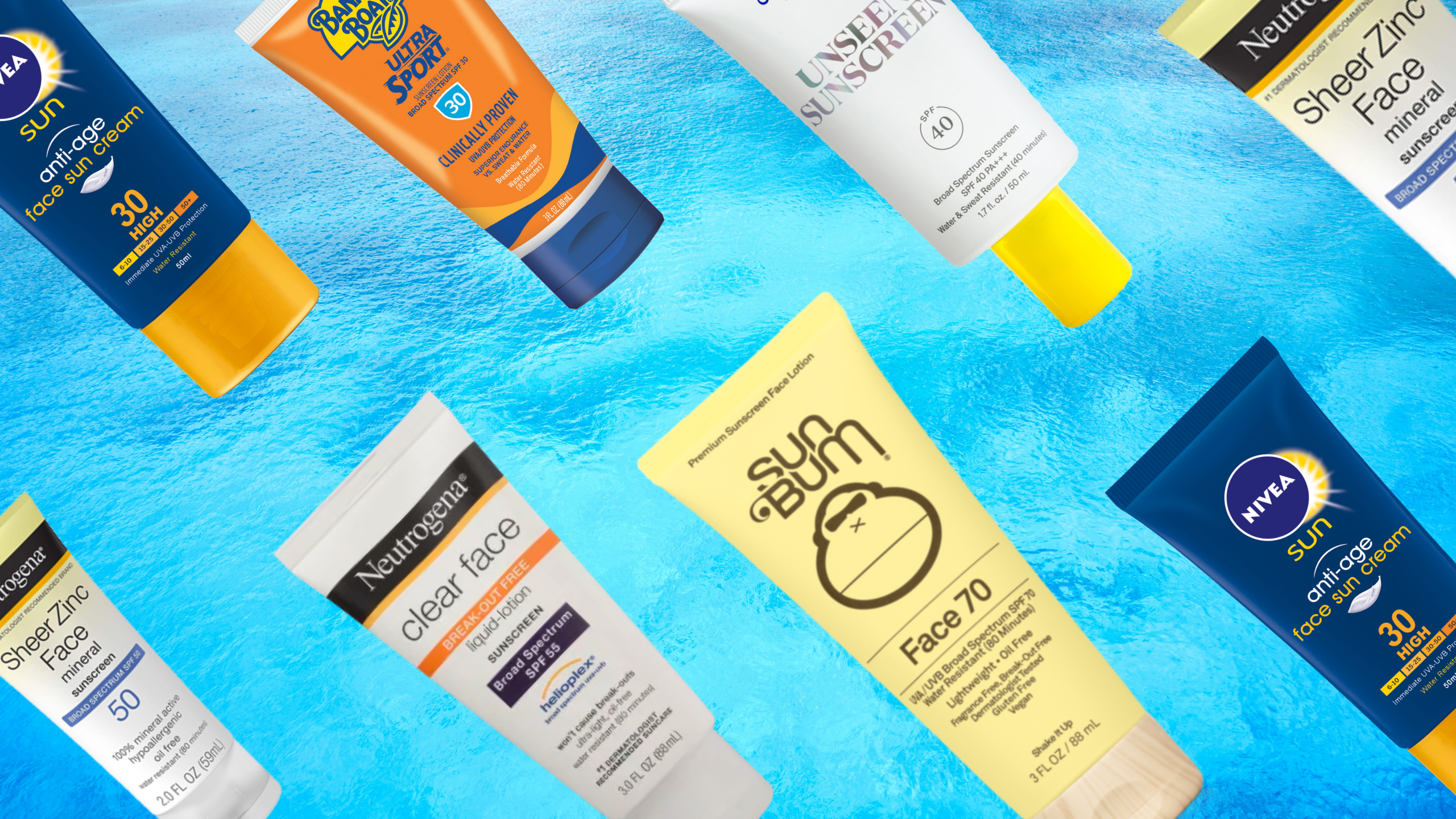
When choosing a spray sunscreen, how it feels on your skin is just as important as how well it protects. Most people want a sunscreen that feels light, non-greasy, and dries quickly. That’s why many spray formulas are designed to be easy to apply and comfortable to wear all day.
Reef-Safe and Skin-Friendly Choices
More and more, people are looking for sunscreens that are both safe for their skin and kind to the environment. Popular features include:
Reef-safe ingredients that don’t harm ocean life
Gentle formulas for sensitive skin
Eco-conscious choices like biodegradable or clean-label ingredients
If you have sensitive skin or care about sustainability, look for these options on the label.
Reef-safe considerations relate to environmental impact rather than ingredient performance.
Why the Label Matters
Before buying, take a quick look at the ingredient list and SPF level. Ingredients like zinc oxide or avobenzone should be listed with their percentage, which tells you how strong the protection is. Also check for labels like broad-spectrum or water-resistant to make sure the product fits your needs.
Conclusion

Spray sunscreens work because of a smart mix of ingredients. Active ingredients protect your skin from the sun, while inactive ones make the spray feel good, dry fast, and keep your skin comfortable. Knowing what each ingredient does helps you choose a product that works well and feels great.
If you’re looking to create or source high-quality spray sunscreen products, Zicail is here to help. We specialize in ingredient-driven, effective formulations that offer both protection and comfort. Contact us today to bring better sun care to your brand.


 EN
 JA
