Discover how panthenol hydrates, soothes, and repairs your skin barrier. Safe for daily use and pairs well with actives like retinol.
You might not hear about it as often as hyaluronic acid or retinol, but panthenol—also known as provitamin B5—deserves a spot in your skincare routine. This multitasking ingredient helps keep your skin hydrated, soothed, and smooth, all while strengthening your skin’s natural barrier.
In this article, we’ll break down exactly what panthenol is, how it works, who it’s best for, and how to use it effectively. You’ll also learn how it compares to other ingredients and why it’s a favorite among dermatologists for calming and repairing the skin.
What Is Panthenol?
Panthenol, often called provitamin B5, is a skin-loving ingredient derived from pantothenic acid, a type of vitamin B. It’s widely used in skincare, haircare, and even some makeup products thanks to its impressive ability to moisturize and soothe.
When applied to the skin, panthenol converts into vitamin B5, which helps your skin retain moisture and stay soft and smooth. Its gentle nature and compatibility with most formulations make it a go-to ingredient for everything from serums and creams to cleansers and masks.
Whether you’re dealing with dryness, sensitivity, or just want that healthy glow, panthenol quietly works behind the scenes to support your skin’s hydration and resilience.
Types of Panthenol: D vs. DL
There are two main forms of panthenol you’ll see in skincare: D-Panthenol and DL-Panthenol. While they may sound similar, they’re not quite the same when it comes to how well they work.
D-Panthenol, also known as dexpanthenol, is the biologically active form. That means your skin can actually use it more effectively. It’s the preferred version in high-quality skincare products because it delivers better hydration, soothing, and barrier-repair results.
DL-Panthenol is a mix of two forms—one active and one inactive. It still has benefits, but only half of it really gets to work on your skin. So, when shopping for products, it’s worth checking the label and choosing ones that specifically list D-Panthenol for the best results.
How Does Panthenol Work on the Skin?
Panthenol is a multitasker when it comes to skin health. First, it acts as a humectant, which means it helps attract water from the environment and pull it into your skin. That’s great news for keeping your skin hydrated and feeling fresh.
It also works as an emollient, helping to seal in moisture and smooth the surface of the skin. Because it can penetrate deep into the skin layers, panthenol doesn’t just sit on top—it helps improve skin elasticity and makes your skin feel softer and more supple over time.
On top of all that, panthenol supports skin barrier repair, encourages wound healing, and even promotes cell regeneration. That’s why it’s often used after peels, lasers, or other skin treatments to help calm and restore the skin.
Panthenol’s Skin Benefits
Panthenol does more than just moisturize—it helps your skin feel calm, smooth, and balanced. Let’s take a closer look at how it benefits different skin concerns.
Hydrates Dry and Flaky Skin: Panthenol acts as a powerful humectant, helping to draw in moisture and lock it into the skin. This keeps dry, rough areas feeling soft and replenished.
Soothes Irritated or Sensitive Skin: If your skin tends to react easily, panthenol can be a lifesaver. Its soothing properties help calm redness, stinging, or discomfort, making it ideal for sensitive skin types.
Reduces Redness and Inflammation: From UV irritation to dermatitis flare-ups, panthenol helps reduce itching, redness, and general inflammation. It’s often used in after-sun products and calming creams for this reason.
Improves Texture and Suppleness: By supporting better hydration and barrier function, panthenol helps smooth rough patches and boost skin elasticity, leaving your complexion more even and soft.
Supports Aging or Dehydrated Skin: As skin ages, it tends to lose moisture more easily. Panthenol helps restore hydration, reinforce the skin barrier, and maintain a plump, youthful look.
Who Should Use Panthenol?
The great thing about panthenol is that it’s suitable for all skin types, whether you’re oily, dry, sensitive, or somewhere in between. Its gentle, non-irritating nature makes it a safe choice for most people looking to improve their skin’s moisture and resilience.
Ideal for Dry or Sensitive Skin
If your skin feels tight, flaky, or easily irritated, panthenol can offer much-needed relief. Its hydrating and calming effects help soothe discomfort and bring balance back to the skin.
Perfect for Post-Procedure Recovery
Just had a chemical peel, laser treatment, or other skin procedure? Panthenol is often recommended for post-treatment care because it helps support healing, reduces redness, and restores the skin barrier.
Great for Stressed or Exposed Skin
If your skin deals with harsh weather, pollution, or even UV exposure, panthenol can help defend against damage and keep it feeling soft and healthy. It’s a go-to ingredient for anyone living in environments that put their skin to the test.
How to Use Panthenol in Skincare
Using panthenol in your routine is easy—and the results are worth it. Whether you’re dealing with dryness, sensitivity, or just want healthier-looking skin, it fits right into your existing lineup.
Choose Leave-On Products for the Best Results
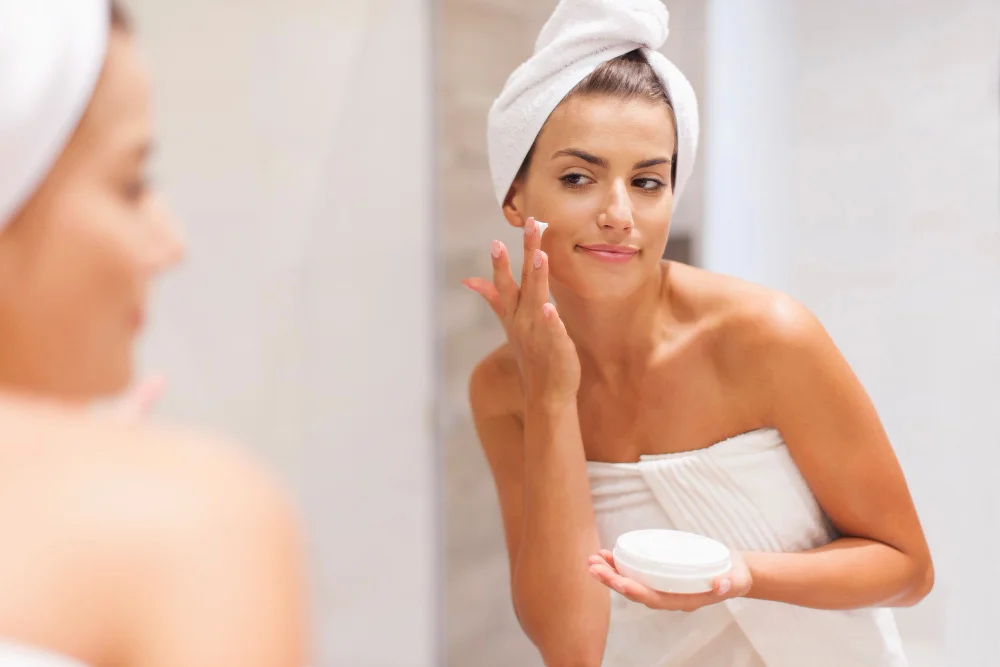
To get the most out of panthenol, look for it in leave-on formulas like creams, serums, or hydrating masks. These give the ingredient more time to absorb and work its magic on your skin.
It Also Works in Cleansers
Even in gentle cleansers, panthenol can provide a nice hydrating and conditioning effect. While rinse-off products aren’t as powerful, they still add a boost of moisture without stripping your skin.
When and How to Apply
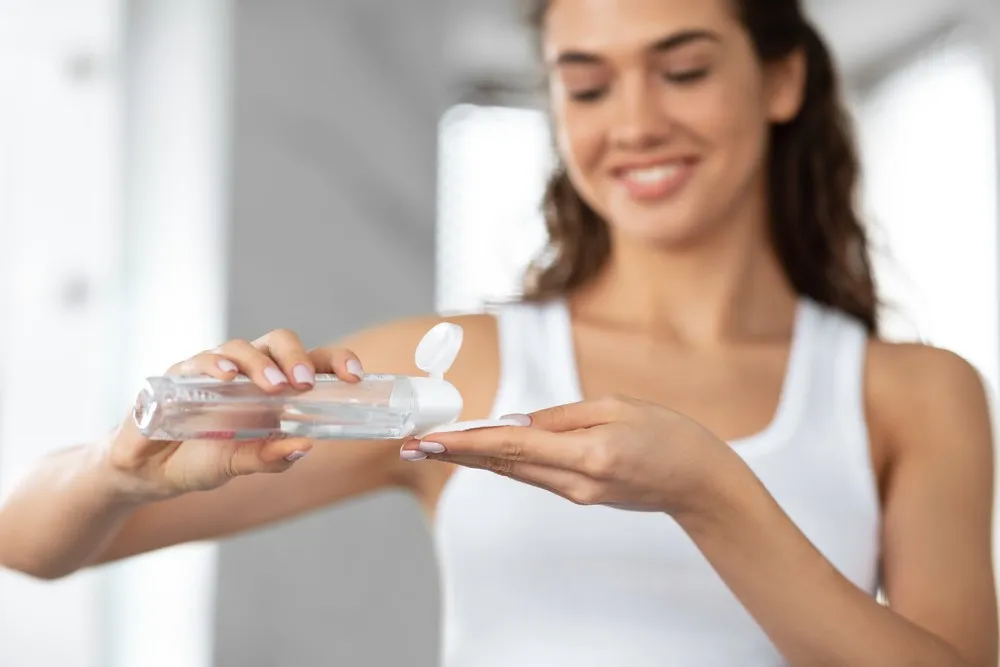
For best results, apply panthenol products after cleansing and toning. This helps your skin absorb the ingredient more effectively, especially if it’s feeling dry or tight.
Safe for Daily Use—Even More Than Once
Panthenol is so gentle that you can use it every day, or even multiple times a day if your skin needs extra care. Morning and night routines are both great opportunities to layer it in.
Recommended Concentration in Products
Not all skincare products use the same amount of panthenol, and that’s okay. What matters is staying within the range that actually delivers results.
Effective Range: 0.5% to 5%
Most products that contain panthenol use it at concentrations between 0.5% and 5%. This is the sweet spot where the ingredient can hydrate, soothe, and support the skin barrier without causing irritation.
Consistency Is Key
Panthenol isn’t a one-time miracle. To see visible improvements in your skin’s texture, hydration, and overall health, it’s important to use it regularly. Over time, it helps your skin feel softer, calmer, and more balanced—especially if you stick with it.
Can You Use Panthenol with Other Actives?
Yes—panthenol is one of the most versatile ingredients in skincare and pairs beautifully with a wide range of actives. Whether your routine includes brighteners, exfoliants, or anti-aging ingredients, panthenol helps support your skin while reducing the risk of irritation.
Retinol: If you use retinol, you know it can sometimes lead to redness, dryness, or flaking. Panthenol is a perfect match here, helping to soothe irritation and restore moisture without interfering with retinol’s effectiveness.
Vitamin C: When combined with vitamin C, panthenol boosts overall hydration and supports collagen production. This makes your brightening and firming routine more effective—and gentler on the skin.
Hyaluronic Acid and Glycerin: These are all humectants, which means they help draw moisture into the skin. Using panthenol alongside hyaluronic acid or glycerin can enhance that hydration, making your skin feel plumper and more refreshed.
Ceramides: Panthenol works well with ceramides to strengthen your skin barrier. Together, they help lock in moisture and keep your skin protected from environmental stress.
Safe With Most Ingredients: The best part? Panthenol doesn’t clash with most other skincare ingredients. It’s gentle, flexible, and plays well in just about any routine—especially if your skin needs extra care or calming support.
Does Panthenol Clog Pores or Cause Acne?
Worried that panthenol might clog your pores or cause breakouts? Good news—it’s considered non-comedogenic, which means it doesn’t block pores on its own.
Non-Comedogenic on Its Own
On its own, panthenol is non-comedogenic, meaning it won’t clog pores or trigger breakouts. It’s lightweight and gentle, which makes it a safe ingredient for daily use—even on problem skin.
Safe for Acne-Prone Skin in the Right Formula
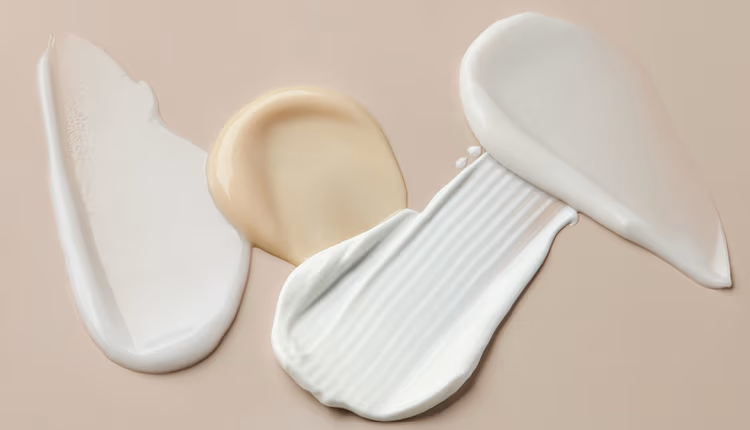
If you’re dealing with acne-prone or oily skin, look for panthenol in lightweight gels, serums, or lotions. When combined with a heavy or occlusive formula, breakouts can still happen—but that’s due to the base, not the panthenol itself.
In fact, its calming and barrier-repairing properties can be helpful in soothing irritated or over-treated acne-prone skin.
Panthenol vs. Hyaluronic Acid
Both panthenol and hyaluronic acid are popular ingredients in hydrating skincare—but they each bring something different to the table.
What They Have in Common
Both ingredients are known for their ability to boost hydration and leave skin feeling soft, smooth, and plump. They’re gentle, well-tolerated, and suitable for nearly all skin types.
What Makes Panthenol Different
Panthenol goes beyond basic hydration. It acts as a humectant, drawing water into the skin, and also as an emollient, sealing in that moisture. Plus, it offers anti-inflammatory benefits, helping to calm redness and irritation—something hyaluronic acid doesn’t do.
What Makes Hyaluronic Acid Different
Hyaluronic acid is strictly a humectant. It can hold up to 1,000 times its weight in water, making it amazing for instant hydration. But it doesn’t provide the same barrier support or calming effects that panthenol does.
Can You Use Them Together?
Absolutely. In fact, using panthenol and hyaluronic acid together can give you the best of both worlds: deep hydration, soothing care, and a strong, healthy skin barrier.
Is Panthenol Safe?
One of the best things about panthenol is how well it works for almost everyone—and how safe it is to use.
GRAS Rating and Dermatologist Approval
Panthenol has earned a GRAS rating (Generally Recognized As Safe), which means it’s been evaluated and approved for use in cosmetics and personal care products. It’s also widely recommended by dermatologists for its gentle, non-irritating nature.
Safe for Daily Use and During Pregnancy
Whether you’re applying it once a day or multiple times, panthenol is safe for daily use. It’s also considered safe during pregnancy, which makes it a great option for expectant mothers looking to soothe and hydrate their skin.
Low Risk of Allergy
While reactions are rare, any ingredient has the potential to cause irritation in very sensitive skin. To be safe, it’s always smart to do a patch test, especially if you’re trying a new product for the first time.
Panthenol in Haircare & Makeup
Panthenol isn’t just a skincare star—it’s also a favorite in haircare and makeup, thanks to its ability to hydrate, soften, and add a healthy-looking glow.
Haircare Benefits
In hair products, panthenol helps improve softness and shine, making strands look and feel smoother. It also helps hair retain moisture, which is especially helpful for dry or damaged hair. You’ll often find it in conditioners, leave-in treatments, and styling products designed to nourish and protect.
How It Works in Makeup
Panthenol shows up in makeup formulations too, especially in products like primers, foundations, and lip balms. It helps add hydration, smooth the texture of the skin, and keep your makeup looking fresh and natural throughout the day.
Whether it’s in your hair serum or your go-to foundation, panthenol quietly works to boost moisture, smoothness, and overall comfort.
Conclusion
Panthenol is a gentle, hard-working ingredient that helps hydrate, soothe, and protect the skin. It’s great for anyone with dry, sensitive, or stressed skin, and it fits easily into any routine. Whether you’re looking for smoother texture or better barrier support, panthenol can help.
Curious about how to include panthenol-rich formulations in your routine or product line? Contact Zicail to explore customized skincare solutions made with trusted, skin-friendly ingredients. We’re here to help you build effective, soothing formulas that your customers—and their skin—will love.
FAQs
Can I use panthenol every day?
Yes, panthenol is gentle enough for daily use—even twice a day if needed. It works well in both morning and night routines without causing irritation.
Is panthenol good for sensitive or acne-prone skin?
Absolutely. Panthenol helps soothe irritation and reduce redness, making it a smart choice for sensitive or acne-prone skin. Just be sure to choose lightweight, non-comedogenic formulas.
Will panthenol help heal sunburn or minor wounds?
Yes, panthenol supports skin repair and healing, which makes it useful for soothing sunburn, small cuts, or post-treatment recovery.
Can panthenol be used after retinol or acids?
Definitely. Panthenol pairs well with retinol, AHAs, and BHAs, helping to calm and hydrate the skin after stronger active ingredients.
What ingredients pair best with panthenol?
Panthenol works great with hyaluronic acid, glycerin, ceramides, vitamin C, and retinol. These combinations boost hydration, barrier support, and overall skin comfort.
Lucy is a Senior Sales Manager with 8 years of experience in the skincare industry, combining market insight with hands-on product knowledge. She works closely with R&D and production teams, tests products in daily routines, and brings a global perspective shaped by frequent overseas market visits.
Note: Lucy is not a medical professional. Her content reflects industry experience, market exposure, and personal testing. For medical advice, please consult a dermatologist.
Orange-peel skin can be caused by enlarged pores, collagen loss, clogged pores, or body dimpling. Learn what helps, what to avoid, and when to seek medical advice.
Oily skin is caused by genetics, hormones, climate, and skincare habits. Learn what triggers excess oil and how to reduce shine with the right routine.
To provide the best experiences, we use technologies like cookies to store and/or access device information. Consenting to these technologies will allow us to process data such as browsing behavior or unique IDs on this site. Not consenting or withdrawing consent, may adversely affect certain features and functions.
Functional
Always active
The technical storage or access is strictly necessary for the legitimate purpose of enabling the use of a specific service explicitly requested by the subscriber or user, or for the sole purpose of carrying out the transmission of a communication over an electronic communications network.
Preferences
The technical storage or access is necessary for the legitimate purpose of storing preferences that are not requested by the subscriber or user.
Statistics
The technical storage or access that is used exclusively for statistical purposes.The technical storage or access that is used exclusively for anonymous statistical purposes. Without a subpoena, voluntary compliance on the part of your Internet Service Provider, or additional records from a third party, information stored or retrieved for this purpose alone cannot usually be used to identify you.
Marketing
The technical storage or access is required to create user profiles to send advertising, or to track the user on a website or across several websites for similar marketing purposes.








 EN
 JA
