

Have you ever wondered what makes your skincare feel so smooth and moisturizing? It might be because of lecithin. This natural ingredient helps your skin stay soft, healthy, and hydrated.
Even though it’s not as famous as some other skincare ingredients, lecithin is in many creams and lotions. It helps your skin feel better and makes other ingredients work more effectively. Let’s take a closer look at why it’s worth paying attention to.
What Is Lecithin?

Lecithin is a natural, fatty substance that plays an important role in your body and skincare. It’s made up of fatty acids and is found in the cells of both plants and animals. In skincare, it’s valued for its ability to hydrate, smooth, and protect the skin.
You’ll often see lecithin sourced from soybeans, which is the most common type used in beauty products. But it can also come from sunflower seeds and eggs.
For cosmetic use, lecithin is usually turned into hydrogenated lecithin, a more stable form that works well in creams, serums, and lotions. It helps blend ingredients smoothly and makes products feel rich and nourishing on your skin.
Key Benefits of Lecithin for Skin

Lecithin might not be the flashiest skincare ingredient, but it does a lot behind the scenes. Here’s how it helps your skin look and feel its best:
- Deep Hydration & Moisture Barrier: Lecithin works as an emollient, helping to soften and smooth your skin. It forms a protective barrier that locks in moisture, making it great for dry, flaky skin. It can also help soothe conditions like eczema, keeping your skin feeling comfortable and hydrated.
- Humectant Properties: In addition to sealing moisture in, lecithin acts as a humectant. This means it draws water into your skin and helps it retain hydration for a longer period, especially in dry or cold weather.
- Supports Collagen Production: Lecithin can boost your skin’s natural collagen production, which is essential for maintaining skin’s elasticity and firmness. It helps to reduce the appearance of fine lines and sagging, keeping your skin looking more youthful.
- Antioxidant Protection: Rich in vitamin E, lecithin acts as an antioxidant, helping to fight free radicals that can damage your skin. It also helps protect your skin from pollution and UV damage, which can cause premature aging and dark spots. This helps keep your skin looking bright and healthy.
- Helps Other Ingredients Work Better: Lecithin forms liposomes, tiny carriers that help deliver active ingredients deeper into your skin. This enhances the effectiveness of other skincare ingredients, like retinol and peptides, making your skincare routine even more powerful.
- Improves Product Texture: Lecithin is also a natural emulsifier, helping to blend oil and water-based ingredients in skincare products. This creates a smooth, creamy texture, making lotions, creams, and serums feel luxurious and easy to apply.
Hydrogenated Lecithin vs. Regular Lecithin

Hydrogenated Lecithin: Stability for Skincare
Hydrogenated lecithin is the preferred choice for most skincare products because it’s more stable. The process of hydrogenation makes it resistant to oxidation and heat, which is essential for maintaining its effectiveness in your skincare routine.
Why It’s Ideal for Skincare Products
Thanks to its stability, hydrogenated lecithin works well in both rinse-off products, like cleansers, and leave-on products, such as lotions and serums.
On the other hand, regular lecithin is less stable and can break down when exposed to air and light. This makes hydrogenated lecithin a better option for long-lasting performance.
Use in Cosmetics & Makeup
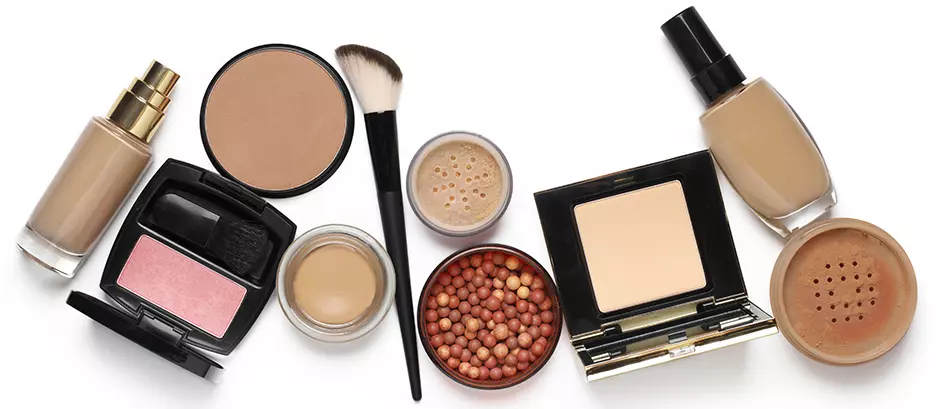
Lecithin is not just a skincare ingredient—it also plays a key role in cosmetics and makeup formulations. Here’s how it helps your favorite beauty products perform better:
Enhances Pigment Dispersion
In makeup, lecithin helps disperse pigments evenly across your skin, creating smooth and consistent color. Whether it’s foundation, eyeshadow, or blush, lecithin ensures that the color stays vibrant and doesn’t clump or streak.
Adds Creaminess to Formulas
Lecithin’s natural ability to emulsify oils and water makes it perfect for adding a rich, creamy texture to makeup products. It helps products glide on smoothly, making them feel luxurious and easy to blend, whether it’s in a lipstick, foundation, or primer.
May Offer Healing Benefits in Color Cosmetics
Lecithin’s skin-soothing properties can also be found in some color cosmetics. It can help nourish and repair skin while delivering color, making your makeup not only look good but feel good too.
Who Should Avoid Lecithin in Skincare?

While lecithin is generally safe for most skin types, there are a few exceptions to keep in mind.
Soy or Egg Allergies
If you have a soy or egg allergy, it’s important to check the source of lecithin in your skincare products. Soy lecithin is the most common type used, but lecithin can also be derived from egg yolk. Be sure to read the labels carefully to avoid any allergic reactions.
Always Do a Patch Test
Even if you’re not allergic to soy or eggs, it’s a good idea to do a patch test before using a new product with lecithin for the first time. Apply a small amount on your wrist or behind your ear and wait 24 hours to see if any irritation occurs.
Avoid Layering with Incompatible Active Ingredients
Lecithin is generally safe for most skincare routines, but it’s always a good idea to avoid layering it with ingredients that may not work well together. For example, combining it with strong exfoliants or acids (like AHAs or BHAs) might lead to irritation for sensitive skin.
Conclusion
Lecithin is a versatile and effective ingredient for your skin. It helps keep your skin hydrated, supports collagen production, and provides protection against environmental damage. With its ability to improve the texture of products and boost the effectiveness of other ingredients, lecithin is a great addition to any skincare routine.
If you’re looking for a gentle yet powerful ingredient for healthier skin, lecithin is definitely worth trying. Contact Zicail today to explore our skincare solutions with lecithin for glowing, nourished skin.


 EN
 JA
