

Grapeseed oil is a natural oil made from the seeds left over after making wine. It’s light, easy to absorb, and has become a popular choice in skincare.
It’s full of vitamin E, antioxidants, and healthy fats that help keep your skin soft, smooth, and protected. Many people use it to moisturize, calm irritation, or add a healthy glow.
What Is Grapeseed Oil?

Grapeseed oil is a natural oil that comes from the tiny seeds of grapes—specifically, the ones left behind after making wine. Instead of being wasted, these seeds are cold-pressed to extract a light, skin-friendly oil packed with nutrients.
What makes grapeseed oil so special is its high content of antioxidants, vitamin E, and healthy fatty acids. These components work together to nourish, protect, and soften your skin.
It’s also lightweight and non-comedogenic, which means it won’t clog pores—making it a great option even for oily or acne-prone skin.
Key Benefits of Grapeseed Oil for Skin
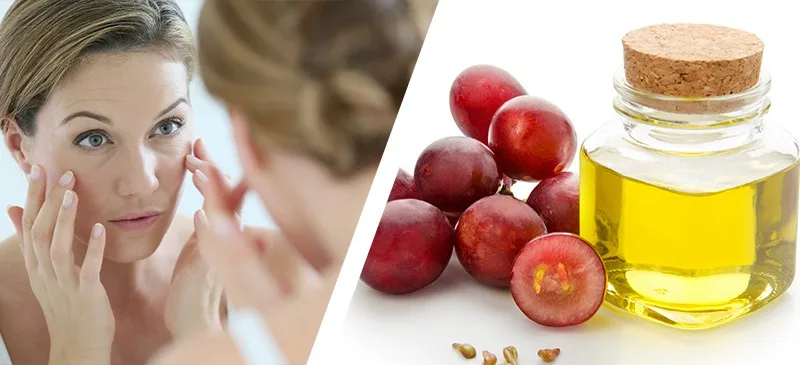
Let’s get into why grapeseed oil has become such a favorite in skincare routines. From fighting breakouts to boosting glow, this oil does a bit of everything.
Fights Acne and Bacteria
Thanks to its natural antimicrobial properties, grapeseed oil can help keep breakouts at bay. It works by targeting the bacteria that cause acne, while also helping to soothe redness and irritation—making it ideal for sensitive or acne-prone skin.
Improves Skin Elasticity and Hydration
One of the standout benefits is how it helps your skin lock in moisture. Grapeseed oil supports hydration without feeling heavy or greasy. With regular use, it can make your skin feel softer, smoother, and more elastic.
Helps Brighten and Even Skin Tone
Rich in proanthocyanidins—a powerful antioxidant—grapeseed oil may help fade dark spots and even out skin tone. Some studies even suggest that taking grapeseed extract orally might improve conditions like melasma, although more research is still needed.
Protects from Environmental Damage
Loaded with antioxidants, this oil helps defend your skin from free radical damage, which contributes to signs of aging. It may also help reduce the stress caused by UV exposure, though it’s not a substitute for sunscreen.
Promotes Wound Healing and Reduces Scarring
Grapeseed oil supports the skin’s natural healing process. It helps strengthen the skin barrier and may reduce the appearance of scars over time, making it a gentle option for post-acne care or irritated skin.
Is Grapeseed Oil Good for All Skin Types?
Great for Acne-Prone, Sensitive, and Oily Skin

Grapeseed oil is a favorite among those with acne-prone or oily skin because it’s non-comedogenic, meaning it won’t clog pores. Its lightweight texture absorbs quickly and helps calm redness and irritation—perfect for sensitive skin that reacts easily to heavier products.
Gentle Enough for Dry or Aging Skin

Even if your skin leans dry or mature, grapeseed oil can still be a great addition. When layered with a moisturizer, it helps seal in hydration and supports a healthy skin barrier. The antioxidants and fatty acids in the oil can also help improve skin texture and elasticity over time.
How to Use Grapeseed Oil in Skincare

There are plenty of easy ways to add grapeseed oil to your routine—whether you like to keep things simple or go full spa mode.
Use It as a Facial Oil or Overnight Serum
Apply a few drops of grapeseed oil directly to clean skin before bed. It absorbs quickly, so you won’t feel greasy, and it works overnight to hydrate and repair.
Mix It with Your Moisturizer or Body Lotion
For a boost of moisture, add a drop or two into your daily face cream or body lotion. This helps seal in hydration and adds a soft, smooth finish.
Blend It with Essential Oils
Want a relaxing, spa-like treatment? Blend grapeseed oil with a few drops of lavender, frankincense, or juniper essential oil. Use it as a massage oil or face mask to leave your skin feeling extra calm and nourished.
Try It in a Double Cleansing Routine
Use grapeseed oil as the first step in your double cleansing routine. It gently breaks down makeup, sunscreen, and excess oil—without stripping your skin.
Consider Oral Grapeseed Extract
Some people take grapeseed extract supplements to support skin from within. It may help with pigmentation issues like melasma, but be sure to consult your doctor before adding new supplements.
How to Choose the Best Grapeseed Oil
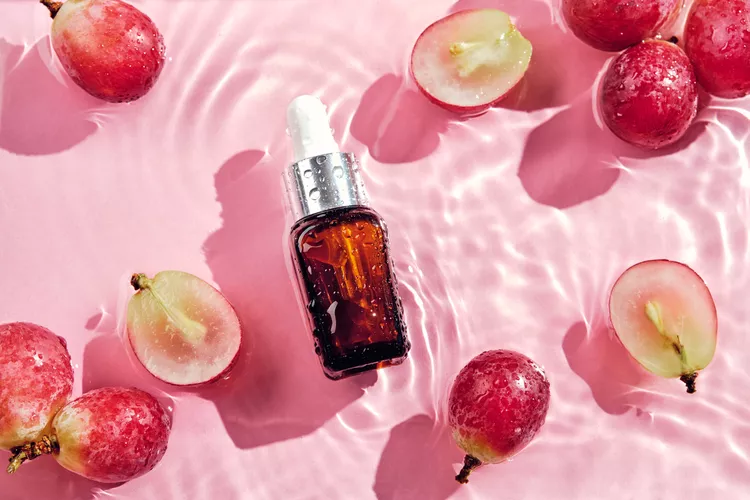
Not all grapeseed oils are created equal. If you want the most skin benefits, here’s what to look for when picking the right one.
- Look for Cold-Pressed and Organic Options: Choose a cold-pressed oil to make sure the nutrients haven’t been damaged by heat or chemicals during extraction. Also, go for organic if you want to avoid any unwanted pesticides or additives—especially important for sensitive skin.
- Avoid Added Fragrances or Fillers: Check the label carefully. You want 100% pure grapeseed oil with no added fragrances, dyes, or fillers. These extras can cause irritation, especially if you have reactive skin.
- Store It Properly: Because it’s high in polyunsaturated fats, grapeseed oil can go bad faster than other oils. Keep it in a cool, dark place—and definitely away from sunlight—to prevent oxidation.
- Use It Within 6 Months: To get the best results, use your oil within six months of opening. If it starts to smell off or feels sticky, it’s probably time to replace it.
Patch Test and Side Effects

Always Do a Patch Test First
Even though grapeseed oil is gentle for most people, it’s still a good idea to do a patch test before using it on your face. Apply a small amount to your inner arm or behind your ear, then wait 24 hours to check for any redness, itching, or irritation.
Be Cautious If You Have Grape Allergies
If you’re allergic to grapes, it’s best to avoid grapeseed oil altogether—both topically and orally. Even though the oil is refined, it may still cause a reaction in sensitive individuals.
Oral Use May Not Be for Everyone
If you’re considering grapeseed extract supplements, be careful if you take blood thinners or have medical conditions related to blood clotting. Always talk to your doctor first before adding it to your routine.
Myths vs Facts About Grapeseed Oil

Let’s clear up a couple of common misunderstandings about grapeseed oil. Knowing the truth can help you use it more confidently in your routine.
Myth: Oils Clog Pores
Fact: Not all oils are the same! Grapeseed oil is non-comedogenic, which means it won’t block your pores. In fact, its light texture makes it a great choice for oily and acne-prone skin.
Myth: Grapeseed Oil Replaces Sunscreen
Fact: While grapeseed oil is packed with antioxidants that help protect against environmental stress, it doesn’t offer true sun protection. It can support your skin after sun exposure, but you’ll still need a proper broad-spectrum sunscreen for full UV defense.
Conclusion

Grapeseed oil is a gentle, nutrient-rich ingredient that offers real value to your skincare routine. From fighting breakouts to boosting hydration and evening out skin tone, it’s a natural multitasker that suits nearly all skin types. With its lightweight feel and antioxidant-packed formula, it’s easy to see why so many people are making it a daily go-to.
Ready to explore how grapeseed oil can work for your skin? Contact Zicail today to discover skincare solutions that blend nature, science, and results. Whether you’re just starting out or looking to refine your routine, we’re here to help you glow with confidence.


 EN
 JA
