

Scars are a part of life, whether from acne, surgery, or an injury. While they eventually heal, many of us want to make them less noticeable. One popular remedy for improving scars is Vitamin E. Known for its moisturizing and healing properties, Vitamin E is often recommended to help fade scars.
But does it really work? The truth is, the results can vary. Some people find it helpful, while others may not see much improvement.
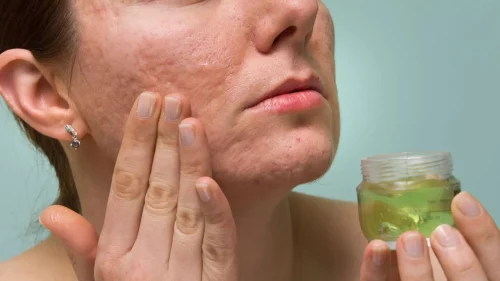
In this article, we’ll show you how to use Vitamin E for scars correctly, talk about its benefits, and share tips to get the best results. Whether you’re dealing with acne marks, surgical scars, or other types, we’ve got the info you need!
Understanding Vitamin E and Its Benefits
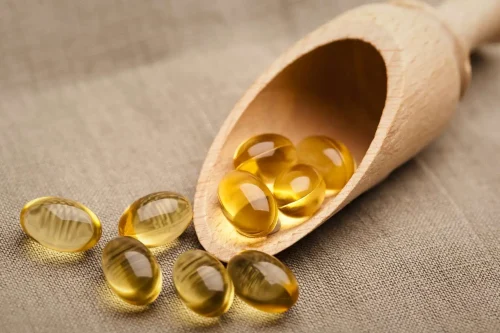
What is Vitamin E?
Vitamin E is a fat-soluble antioxidant that plays a crucial role in protecting your skin from free radical damage and promoting overall skin health. It’s naturally found in various foods like nuts, seeds, and leafy greens, and can also be applied topically to benefit the skin. When used for scar treatment, Vitamin E is most often found in oils or creams.
The main appeal of Vitamin E lies in its ability to nourish and protect the skin. It helps to neutralize harmful molecules that can damage skin cells, which is why it’s commonly used in skin care products.
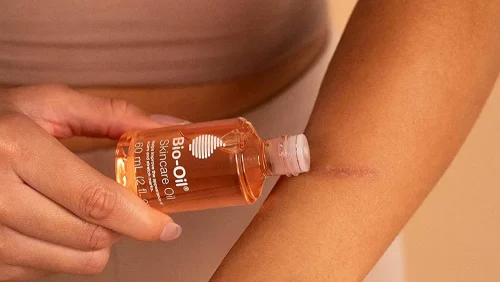
Potential Benefits for Scars
- Moisturizing and Hydration of Scar Tissue
One of the primary benefits of Vitamin E for scars is its moisturizing properties. When applied to scars, Vitamin E helps keep the tissue hydrated, preventing it from becoming dry or stiff.
Hydration is essential for maintaining the flexibility of the skin, which can improve the appearance of scars over time. Well-moisturized skin is less likely to form thick, rigid scar tissue.
- Antioxidant and Anti-inflammatory Properties
Vitamin E is known for its powerful antioxidant properties. It helps to neutralize free radicals that can damage skin cells and impede healing.
Additionally, it has anti-inflammatory effects, which may reduce redness, swelling, and irritation around the scar area. By calming inflammation, Vitamin E can help create a more even and less noticeable scar.
- Skin Regeneration and Improvement in Scar Appearance
Vitamin E may also play a role in promoting skin regeneration. It encourages the production of new skin cells, which could potentially reduce the appearance of scars.
Some studies suggest that Vitamin E may improve texture and color over time, helping scars blend better with surrounding skin.
While results may vary from person to person, consistent use of Vitamin E can help fade scars and make them less noticeable.
Does Vitamin E Really Work for Scars?
Mixed Research Results
When it comes to the effectiveness of Vitamin E for scars, the research results are mixed. Some studies suggest that Vitamin E can help improve the appearance and texture of scars, making them less noticeable over time.
These studies point out that Vitamin E’s moisturizing and antioxidant properties may help hydrate the scar tissue and reduce redness.
On the other hand, other research shows no significant benefit of using Vitamin E on scars. Some studies found that Vitamin E did not have a major impact on scar healing, and in some cases, it didn’t lead to any noticeable improvement.
In fact, there have been instances where Vitamin E caused irritation or worsened the appearance of certain scars, especially for those with sensitive skin. The conflicting findings highlight that Vitamin E’s impact on scars can be unpredictable and varies from person to person.
Skin Sensitivity and Individual Responses
One of the key factors in determining whether Vitamin E will work for your scars is your skin type and how your skin reacts to the oil or cream.
For some people, Vitamin E can be a great solution, offering significant improvement in scar appearance.
However, for others, it can cause redness, itching, or even inflammation. This means that results can be highly individualized.
Factors that influence Vitamin E’s effectiveness include:
- Scar Type: Vitamin E might be more helpful for shallow scars or discoloration but less effective for deeper scars or keloids.
- Skin Sensitivity: People with sensitive skin or conditions like eczema may experience irritation when applying Vitamin E, so it’s important to do a patch test first.
- Scar Age: Older scars may respond less dramatically to Vitamin E compared to newer ones, as the skin’s natural healing ability decreases over time.
How to Use Vitamin E for Scars Correctly

Best Forms of Vitamin E
When choosing Vitamin E for scars, it’s important to know the difference between natural and synthetic forms of Vitamin E. The natural form, known as d-alpha tocopherol, is derived from plant oils and is considered the most bioavailable and effective form for your skin.
On the other hand, synthetic Vitamin E (dl-alpha tocopherol) is made in a lab and contains a mixture of compounds, making it less potent than the natural version.
For scar treatment, d-alpha tocopherol is typically the better choice, as it’s more readily absorbed and offers greater benefits for skin healing.
Step-by-Step Application
To get the best results from Vitamin E, it’s important to apply it correctly:
Cleanse the Scar Area: Start by washing the area around the scar with a mild soap or cleanser to remove dirt and oils. Gently pat the area dry with a clean towel.
Apply a Thin Layer: Take a small amount of Vitamin E oil or cream and apply a thin layer to the scar. You don’t need to use a large quantity—just enough to cover the scar tissue lightly.
Massage Gently: Using your fingertips, gently massage the Vitamin E into the scar tissue in circular motions. This will help the product absorb better and may also promote circulation to the area.
Frequency of Use
For the best results, apply Vitamin E daily to the scar. Consistent use is key, and most experts recommend applying it 2–3 times a day for the first few weeks, gradually reducing the frequency if you see improvement. You may need to wait about 2–3 months before seeing noticeable changes, as scars take time to heal and regenerate. Be patient and keep up with regular applications.
Tips for Enhanced Effectiveness
To maximize the effectiveness of Vitamin E for scars, consider these tips:
Moisturizers: Combine Vitamin E with a good moisturizer to keep the skin hydrated. Hydration is crucial for scar healing, so applying a moisturizer after Vitamin E can help lock in moisture and make the skin more supple.
Sunscreen: Protect your scar from the sun’s harmful rays. UV exposure can darken scars and make them more noticeable. Apply a sunscreen with at least SPF 30 to the scar area, especially when spending time outdoors.
Using Vitamin E as part of a daily skincare routine, combined with moisturizing and sun protection, will give you the best chance of reducing the appearance of your scars over time.
Precautions and Side Effects
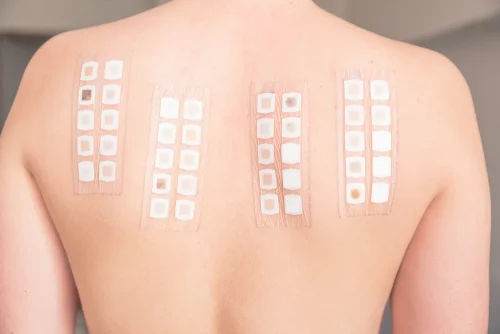
Patch Test
Before using Vitamin E on your scars, it’s highly recommended to conduct a patch test. Apply a small amount of the product to an inconspicuous area of skin, such as the inside of your wrist or elbow. Wait for 24-48 hours to see if any irritation or allergic reactions occur.
If the area becomes red, itchy, or swollen, it’s best to avoid using Vitamin E on your scars, as it may not be compatible with your skin.
Skin Sensitivity and Irritation
While Vitamin E is generally safe for most people, some may experience side effects such as redness, irritation, or contact dermatitis. This is more likely to happen if you have sensitive skin or are prone to allergic reactions.
If you notice any of these symptoms, stop using the product immediately and consult a healthcare professional or dermatologist. It’s always better to be cautious and switch to an alternative treatment if irritation persists.
When to Stop Using Vitamin E
If you experience any form of skin irritation—such as burning, stinging, or itching—it’s important to discontinue use right away. Vitamin E can be very potent, and some people’s skin may react negatively to it.
If symptoms don’t resolve after stopping the application, consider seeking advice from a dermatologist to explore other scar treatments that may be more suitable for your skin type.
Not for Everyone
While Vitamin E has been shown to be effective for many types of scars, it may not work for everyone. Hypertrophic and keloid scars, which are raised and often thicker than normal scars, may not respond well to Vitamin E treatment.
Additionally, people with extremely sensitive skin may find Vitamin E too irritating. If you fall into either of these categories, it’s best to consult with a healthcare professional to find the most effective treatment options for your scars.
FAQs about Using Vitamin E for Scars
Conclusion

In conclusion, Vitamin E is a popular remedy for reducing the appearance of scars due to its healing and hydrating properties. While it may not work for everyone, consistent use can lead to noticeable improvements in scar texture and color, especially when paired with proper skincare practices.
If you’re looking for expert advice or need personalized treatment recommendations, feel free to contact Zicail. Our team is here to provide you with the best solutions for your skincare needs and help you achieve smoother, healthier skin.


 EN
 JA
