

Sensitive skin reacts easily because its barrier is weaker, inflammation happens faster, and even small triggers can cause redness or discomfort. That’s why sensitive skin needs more than mild or “gentle” products. It needs ingredients that actually repair, soothe, and protect.
This guide will help you understand which functional ingredients work best for sensitive skin and why. By knowing what to choose, you can build a routine that keeps your skin calm, strong, and comfortable every day.
Understanding Sensitive Skin Mechanisms

Barrier Dysfunction
Sensitive skin often has low ceramides and an imbalance of essential lipids. This weakens the protective barrier and increases TEWL (transepidermal water loss), making it easier for irritants to enter and harder for skin to stay hydrated.
Inflammatory & Neural Response
Sensitive skin reacts faster because the TRPV1 receptors are more easily activated. This leads to redness, warmth, and that familiar stinging or burning feeling, even when using mild products.
Oxidative Stress
UV rays, pollution, and environmental stressors create free radicals that damage skin cells. This makes the skin flare up more easily and slows down its ability to repair itself.
Microbiome Imbalance
A healthy skin microbiome keeps the skin calm and resilient. When this balance is disrupted, sensitivity becomes more frequent and harder to manage. This is why microbiome-friendly ingredients are becoming a key focus in modern sensitive-skin care.
Key Categories of Functional Ingredients
Barrier Repair & Moisture-Restoring Ingredients

Sensitive skin needs a strong barrier to stay calm. Ingredients like ceramides, glycerin, hyaluronic acid, fatty acids, squalane, and cholesterol help lock in moisture and rebuild damaged skin. These ingredients make the skin stronger and less reactive over time.
Anti-Inflammatory & Soothing Actives
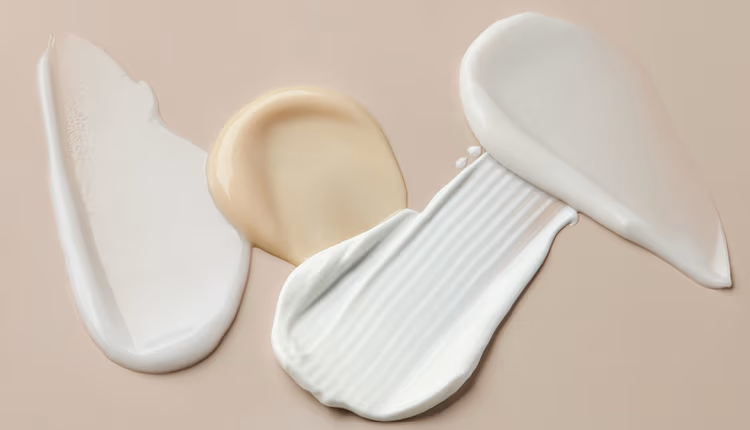
To reduce redness and stinging, look for soothing ingredients like niacinamide, panthenol, oat extracts (1), allantoin, bisabolol, and madecassoside (2).They calm irritation and help the skin feel more comfortable.
Antioxidants for Irritation Reduction
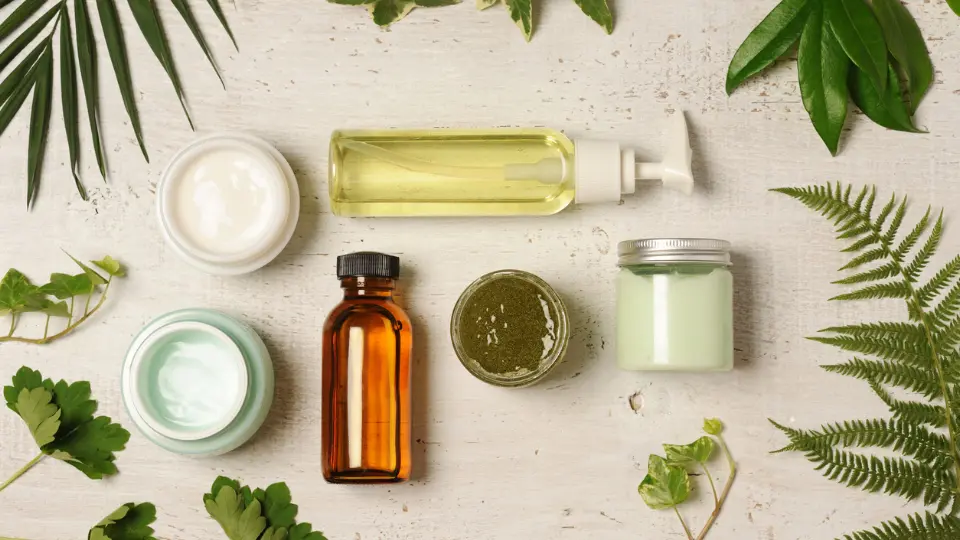
Mild antioxidants such as green tea polyphenols, Centella asiatica, and vitamin E help protect the skin from UV and pollution. These antioxidants reduce irritation and support natural healing.
Microbiome-Friendly & Postbiotic Ingredients
Ingredients like Lactobacillus ferment lysates and prebiotic sugars (3) help balance the skin’s microbiome. A healthy microbiome lowers reactivity and supports better barrier repair over time.
Gentle Alternatives to Strong Actives
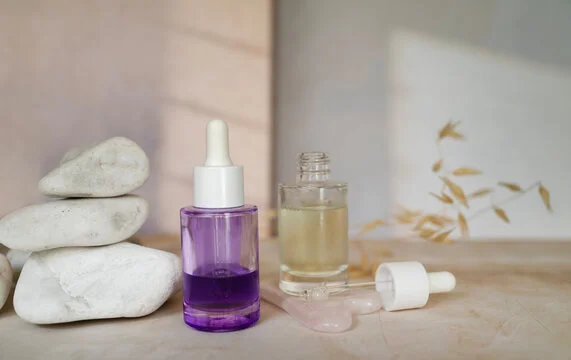
For exfoliation or anti-aging, sensitive skin can choose gentler options like bakuchiol, PHAs (such as gluconolactone), or encapsulated actives. They provide results with a much lower chance of irritation.
New & Emerging Functional Molecules
New ingredients such as barrier-repair peptides, TRPV1-modulating compounds, and neuro-soothing botanical extracts help target sensitivity at its root and keep the skin calm in the long run.
Ingredient Selection & Formulation Considerations
- Keep It Simple: Sensitive skin does best with short, clean ingredient lists. Fewer ingredients mean fewer chances for irritation.
- Avoid Common Irritants: Try to stay away from fragrance, high alcohol, strong acids, and sulfates. These can weaken the skin barrier or cause stinging.
- Watch the Concentration: Even helpful ingredients can irritate if used too strongly. Gentle ranges—like 2–5% niacinamide—are usually safer for sensitive skin.
- Pick the Right Texture: Creams are soothing and protective, while serums are lightweight and absorb quickly. Choose what feels comfortable and doesn’t overload the skin.
- Use Friendly Ingredient Pairings: Some ingredients work better together, like niacinamide with panthenol or ceramides with squalane. These combos help calm and repair the skin more effectively.
Choosing Safe & Effective Products for Sensitive Skin

Check for Clinical Testing and Safety Claims
When shopping for sensitive-skin products, look for proof of safety such as clinical testing, hypoallergenic claims, and patch-test data. These labels show that the formula has been tested on real skin and is less likely to trigger irritation.
Read Ingredient Labels Carefully
Understanding the label helps you make better choices. Ingredients are listed from highest to lowest amount, so early-listed irritants are red flags.
Watch for clues about concentration and avoid known triggers like fragrance, high alcohol, and strong acids. A clean, simple label is usually a safer option.
What Brands (OEM/ODM) Should Look For
If you’re creating products, choosing the right partners matters. Work with suppliers who meet strong quality standards, follow regulatory guidelines, and provide stability testing to ensure the formula stays gentle and effective over time. Good documentation protects both the brand and the end user.
Extra Care for Children’s Sensitive Skin (Age 1–5)
Young children have thinner, more delicate skin, so irritation happens more easily. Choose products with very low irritation potential, simple ingredient lists, and no added fragrance. Minimal, safe formulas help keep their skin calm and protected.
Ready to Create Better Sensitive Skin Products?
If you’re planning to develop gentle and effective skincare for sensitive skin, we’re here to help. Our team can guide you with safe ingredients, clean formulas, and smart OEM/ODM solutions that fit your brand’s needs.

We support everything from formula planning to testing and production, making it easier for you to launch products that customers trust. Tell us what you want to create, and we’ll help bring it to life.
FAQs
Can sensitive skin use active ingredients at all?
Yes. Sensitive skin can use actives, but they must be gentle and used in safe concentrations. Ingredients like niacinamide, panthenol, PHAs, and ceramides are generally well-tolerated.
How long does it take to see improvement with barrier-repair ingredients?
Most people notice better hydration and less redness in 2–4 weeks. Barrier-repair ingredients like ceramides and squalane need consistent use to rebuild strength over time.
Are natural ingredients always safer for sensitive skin?
Not always. Some natural extracts (like essential oils) can be irritating. What matters most is the ingredient’s safety profile, concentration, and purity, not whether it’s natural or synthetic.
Should sensitive skin avoid exfoliation completely?
No, but it should exfoliate gently. PHAs like gluconolactone are mild options that smooth skin without the harsh effects of AHAs or BHAs. Limit use to 1–2 times per week.
How can I test if a new product is safe for my sensitive skin?
Use a patch test: apply a small amount behind the ear or on the inner arm for 24–48 hours. If no redness or stinging appears, it’s usually safe to use on the face. This helps prevent full-face reactions.
References for this information:
(1) PubMed, “Anti-inflammatory properties of oat avenanthramides,” PubMed Database, 2005.
(2) PubMed, “Madecassoside’s skin-soothing and repair effects,” PubMed Database, 2017.
(3) PubMed, “Prebiotic sugars and skin microbiome balance,” PubMed Database, 2017.


 EN
 JA
