

Packaging protects your formula and shapes how customers see your brand. It keeps out light, air, and germs so the product stays safe and works the way it should. At the same time, the look and feel of the bottle or jar help people decide if your brand feels clean, trustworthy, or premium.
Today’s skincare market moves fast. Customers want eco-friendly options, formulas need better protection, and good design helps brands stand out. With so much competition, the right packaging can make your product more appealing from the very first glance.
Understand Your Product Formulation & Use Context

Match Packaging to Your Formula
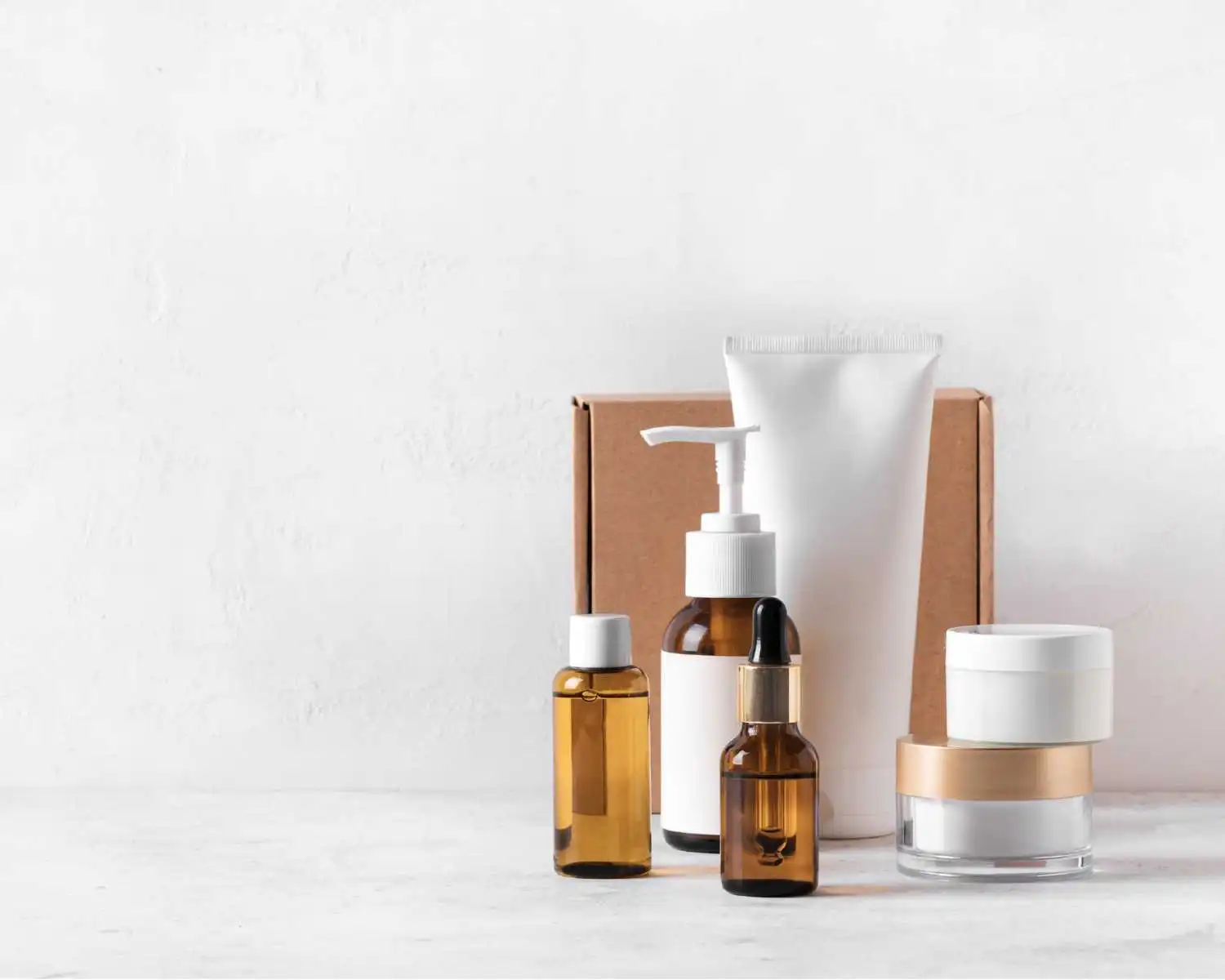
Different formulas need different types of packaging to stay stable and easy to use. Airless pumps are ideal for sensitive creams and serums because they limit air exposure.
Liquids work well in pumps or droppers (1) for clean and controlled dispensing.
Creams and lotions fit best in tubes, jars, or airless pumps (2) to reduce contamination.
Oils and serums often need glass or high-barrier plastic to prevent leaks and protect light-sensitive ingredients.
Choosing packaging that matches your formula’s texture and needs helps keep the product fresh and effective.
Consider How Customers Will Use Your Product
It’s also important to think about how people will use the product in their daily routine. Many skincare users prefer packaging that’s clean, easy, and mess-free.
For everyday moisturizers, pumps or flip caps make application quick.
For travel items, leak-proof and lightweight options are more practical.
For precise treatments, droppers or fine-dose pumps offer better control.
When packaging matches real usage habits, it feels more convenient and gives customers a smoother experience.
Choose Appropriate Materials for Safety and Durability

Compare Common Packaging Materials
The material you choose affects safety, durability, and how well your formula stays protected.
Glass looks premium and works well for oils and serums. It’s non-reactive but heavier and more fragile.
PET plastic is lightweight and durable, often used for lotions and cleansers. It offers good clarity and is more shatter-resistant.
PP plastic is strong, heat-resistant, and widely used for creams and jars. It’s affordable and safe for most formulations.
Metal offers excellent protection against light and air, which makes it ideal for sensitive actives. However, it needs proper lining to avoid reaction with the product.
Each material has its own strengths, so the right choice depends on your formula and how customers will use the product.
Ensure Chemical Compatibility & Barrier Protection
Your packaging must work safely with the ingredients inside. Some active ingredients break down when exposed to light, air, or moisture, so they need high-barrier materials that keep these elements out.
For example, dark or opaque packaging helps protect light-sensitive formulas, while airtight pumps keep oxygen from reducing product effectiveness.
Considering barrier strength early prevents issues like discoloration, separation, or reduced potency—helping your product stay stable from the first use to the last.
Design Packaging to Reflect Brand Identity & Consumer Expectation
Use Visual Elements That Fit Your Brand
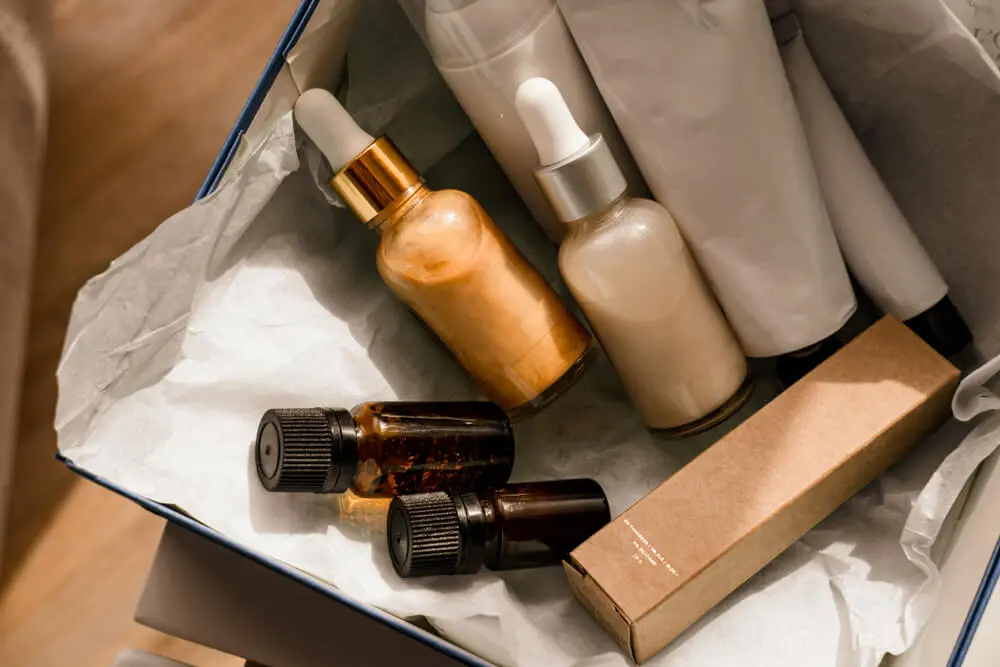
Your packaging should clearly express your brand’s style the moment someone sees it. Details (3) like colour, shape, finish, and texture help people instantly understand whether your product feels clean, natural, premium, or bold. Even small visual choices can shape a customer’s first impression.
Combine Primary and Secondary Packaging
Skincare usually includes two layers of packaging:
Primary packaging (4) — the bottle, jar, or tube holding the formula.
Secondary packaging — the outer box, sleeve, or carton.
Primary packaging focuses on function and protection, while secondary packaging adds extra branding, storytelling, and space for important information. When both layers support each other, the product looks polished and creates a better unboxing and user experience.
Functionality & User Experience

Make Dispensing Easy and Reduce Waste
Good packaging should feel simple and clean to use. Customers love designs that allow easy dispensing (5), prevent mess, and help them use every last drop.
Pumps, droppers, squeeze tubes, and airless systems all offer different levels of control. Choosing the right one makes the product smoother to apply and reduces product waste.
Ensure Durability in Real-Life Conditions
Skincare packaging needs to survive daily handling, shipping, and storage. Strong, well-sealed designs help prevent leaks, cracks, and dents during transport.
Many brands focus on durable packaging that stays intact even when tossed in a bag or stored in a humid bathroom.
When the packaging feels secure and reliable, customers trust the product more and enjoy using it from start to finish.
Sustainability & Regulatory Considerations

Choose Eco-Friendly and Reusable Options
Many customers prefer greener products, so packaging made with recyclable or reusable materials is becoming more popular. Lightweight bottles, refillable jars, and recycled plastics help reduce waste while still keeping the product safe and easy to use.
Follow Packaging and Labeling Standards
Your packaging also needs to follow rules that make products safe and clear for customers. Standards like ISO 22715 guide how labels should list ingredients, warnings, and product details. Meeting these requirements builds trust and keeps your skincare line compliant and professional.
Cost, Sourcing & Scalability
Balance Quality, Cost, and Brand Image
Good packaging should look professional, work well, and still fit your budget. Choosing designs that match your brand while staying practical helps you avoid overspending.
Planning your costs early and choosing simple, reliable materials can keep your product feeling premium without pushing the price too high. Cost-smart choices make your line easier to grow.
Choose Suppliers Who Can Scale With You
As your skincare line expands, you need suppliers who can support both small batches and large orders. Pay attention to lead times, communication, and minimum order quantities.
Reliable sourcing keeps your production steady and reduces the risk of delays. When your supplier can scale with your business, it’s much easier to grow smoothly and meet customer demand.
Testing, Quality Control & Launch Readiness

Test Prototypes Before Final Production
Before launch, try small test batches to make sure your packaging works well. Check for leaks, comfort in use, and how it holds up during shipping. Simple prototype testing helps you catch problems early, such as loose caps, weak pumps, or labels that don’t stick.
Prepare a Pre-Launch Packaging Checklist
A quick checklist makes the final steps easier:
Labels are clear and correct
Caps and pumps work smoothly
Packaging feels consistent across all units
No leaks after shaking or travel simulation
Boxes and inserts fit properly
Product looks clean and aligned for retail or e-commerce
When your packaging passes these checks, you can launch confidently, knowing customers will have a smooth experience from the very first unboxing.
Ready to Create Skincare Packaging That Stands Out?
Choosing the right packaging is a big step in building a strong and trustworthy skincare brand. If you’d like expert support with material selection, design, testing, or custom solutions, we’re here to help.
Contact us today to get tailored packaging ideas, quick samples, and reliable production that grows with your business. Let’s build a product your customers will love from the very first glance.
FAQs
What size packaging should I choose for my skincare line?
Choosing the right size depends on usage frequency, product type, and customer habits. For daily-use items, larger sizes are practical. For treatments or travel-friendly options, smaller sizes are better. Size also impacts cost, shelf impact, and perception.
Can I use the same packaging for all my products?
Technically yes, but it’s often not ideal. Different formulations (e.g., serum vs. cream vs. oil) have varying protection needs and user-expectations. Matching packaging to each product improves user experience and preserves product quality.
How do I decide between standard plastics and more premium materials?
It depends on your brand positioning, target audience, cost constraints, and formula sensitivity. Plastics (like PET or PP) offer lower cost and durability; premium materials (like glass or metal) convey luxury but raise cost and logistics complexity. Balance brand image, budget, and functionality.
What should I ask a packaging supplier before placing an order?
Key questions include minimum order quantity, lead time, material compatibility with your formula, sample availability, quality certifications, and how the packaging performs under shipping and environmental stress. These help you avoid delays or quality surprises.
How do I know if my packaging meets regulatory standards?
You’ll need to check packaging and labeling standards relevant to your markets (for example, ISO 22715 for cosmetics) which specify ingredient lists, batch codes, and material information. Confirm your packaging supplier or regulatory advisor ensures compliance before launch.
References for this information:
(1) Multipack Solutions, “Skincare Packaging Types & Design Guide,” Multipack Solutions Official Blog, 2025.
(2) APackagingGroup, “What Is the Best Packaging for Skin Care Products?” APG Official Blog, 2025.
(3) New High Glass, “Picking the Right Skincare Packaging Ideas,” New High Official Website, 2025.
(4) Sticki Team, “How to Design Skincare Packaging: A Comprehensive Guide,” Sticki Official Website, 2025.
(5) Cocojojo, “How to Choose the Best Packaging for Your Skincare Line,” Cocojojo Official Blog, 2025.


 EN
 JA
