

Many people mix up hair oil and hair serum because they seem similar. But they work in different ways. Hair oil goes deep to nourish and repair your hair from the inside.
Hair serum stays on the surface to smooth, protect, and add shine. Oil feeds your hair, while serum polishes it — and using both can give your hair the best results.
What Is a Hair Oil?
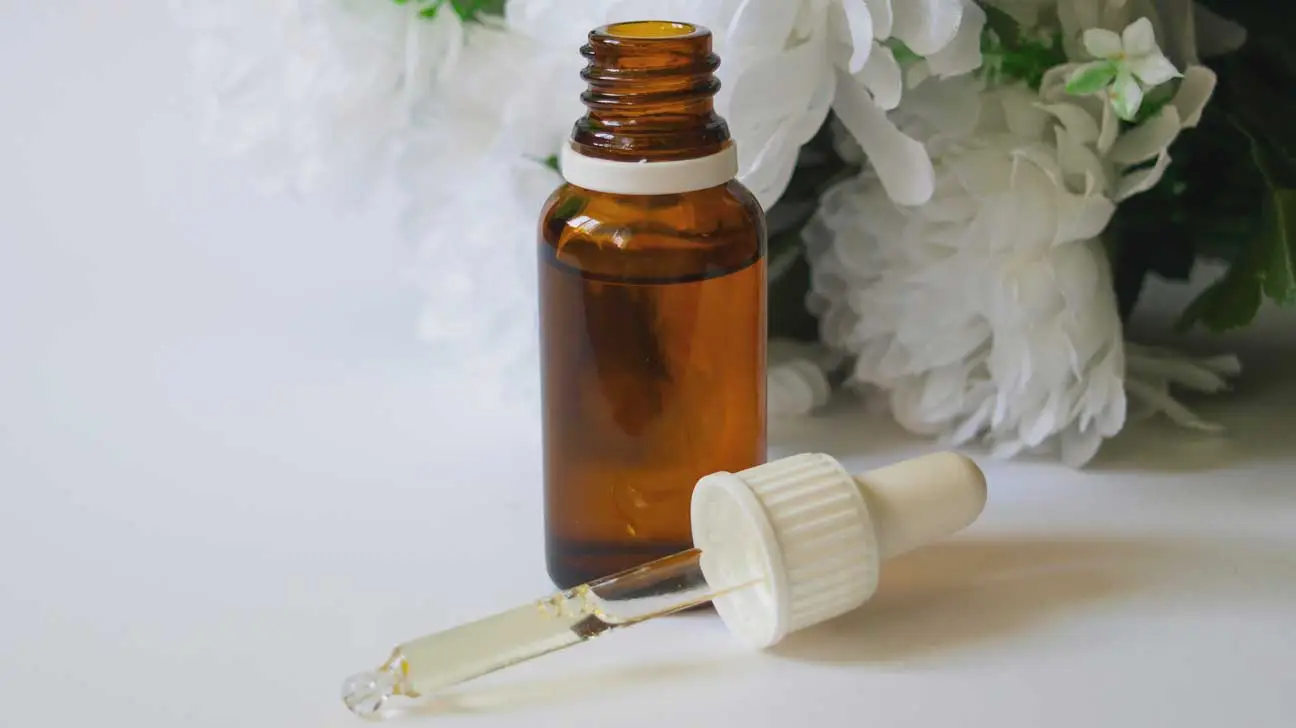
Hair oil is made from natural oils (1) like coconut oil, argan oil, jojoba oil, or almond oil. These oils are full of fatty acids and vitamins that go deep into your hair to nourish, soften, and strengthen it from the inside.
Hair oil helps hydrate dry strands, repair split ends, and add natural shine. It’s best for dry, coarse, or damaged hair (2), but people with fine or oily hair should use only a few drops to avoid greasiness.
What Is a Hair Serum?
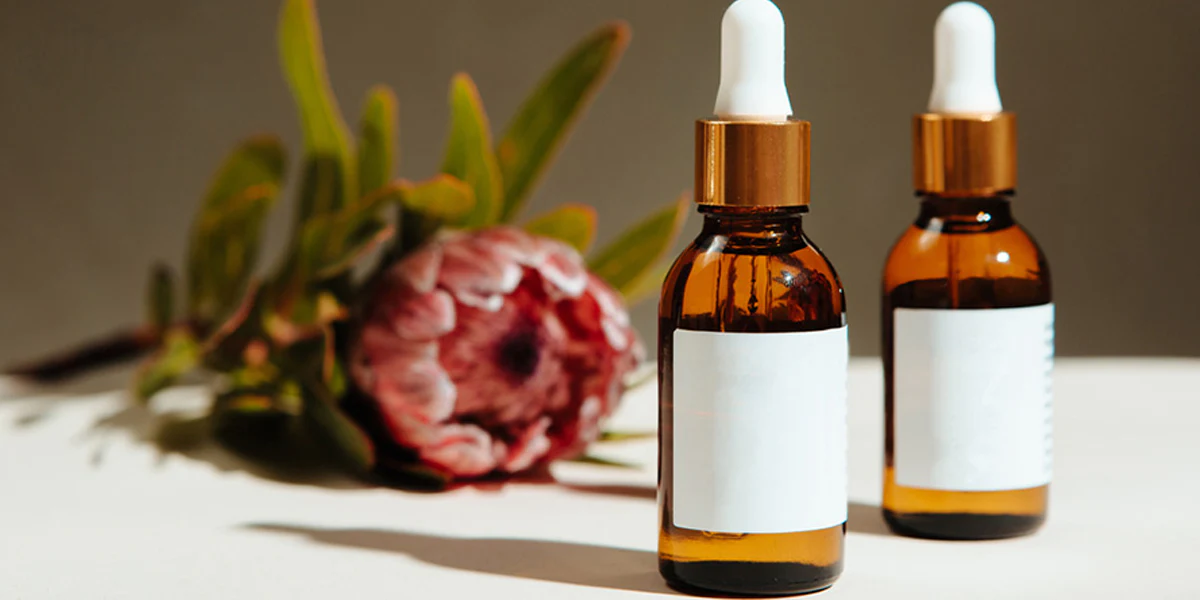
Hair serum is a light, leave-on product made with silicones or film-forming agents. It coats your hair’s surface to smooth, protect, and add shine without making it greasy.
Hair serum helps control frizz, add shine, and protect from heat, making it ideal for fine-to-medium hair (3) or those who often style their hair. But since it works only on the surface, too much serum can make hair feel heavy or coated.
Key Differences: Hair Oil vs. Hair Serum
| Aspect | Hair Oil | Hair Serum |
|---|---|---|
| Texture & Absorption | Thicker; absorbs into hair and scalp for deep nourishment | Light, silky; coats hair surface for smoothness |
| Main Function | Nourishes and repairs from the inside | Protects and polishes from the outside |
| When to Use | Before washing; pre-wash or scalp treatment | After washing; on damp hair or as a finishing step |
| Best For | Thick, coarse, or damaged hair needing deep repair | Fine, frizzy, or heat-styled hair needing light protection |
| Effect | Adds moisture, reduces breakage, strengthens over time | Instantly smooths, adds shine, reduces frizz |
Texture, Absorption & Formulation
While both products make your hair look shiny and healthy, they’re built very differently. Hair oil has a thicker texture and sinks into the hair and scalp to deliver nutrients, while hair serum (4) has a light, silky texture that coats the surface to give instant smoothness and shine. Oils nourish from within, whereas serums protect the outside layer from damage.
Primary Function & Action

Simply put, hair oil nourishes and repairs (5), while hair serum protects and polishes. Oils work deep inside the strand to strengthen and hydrate, making them ideal for long-term repair.
Serums form a protective layer that shields against heat, humidity, and frizz — perfect for a quick, polished look.
Application Timing & Method
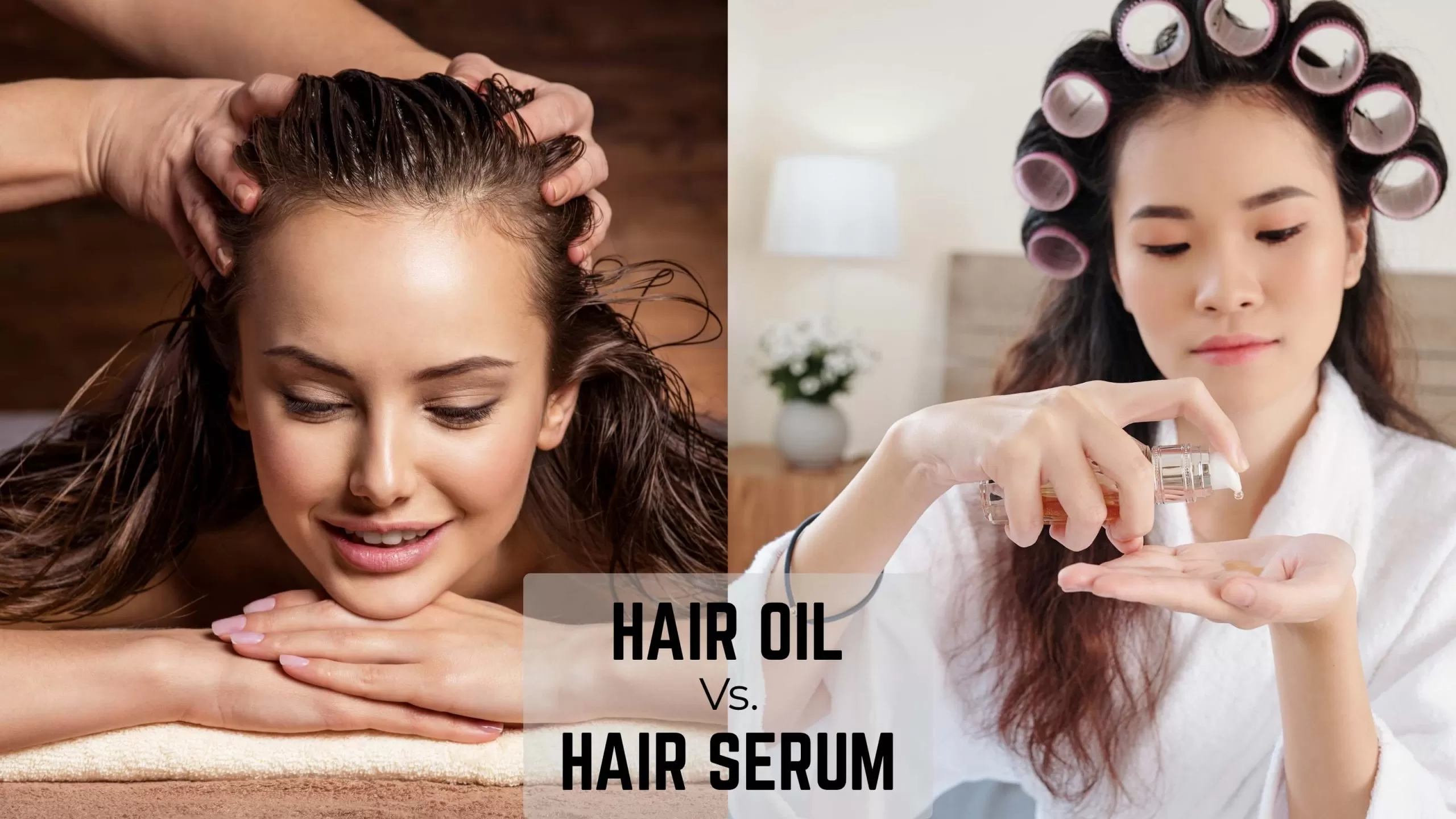
- When to use oil: Apply before washing as a pre-wash treatment, or massage a small amount onto dry ends or scalp for deep hydration and shine.
- When to use serum: Apply after washing on damp hair, or as a finishing touch during styling to smooth frizz and lock in moisture.
Compatibility with Hair Types
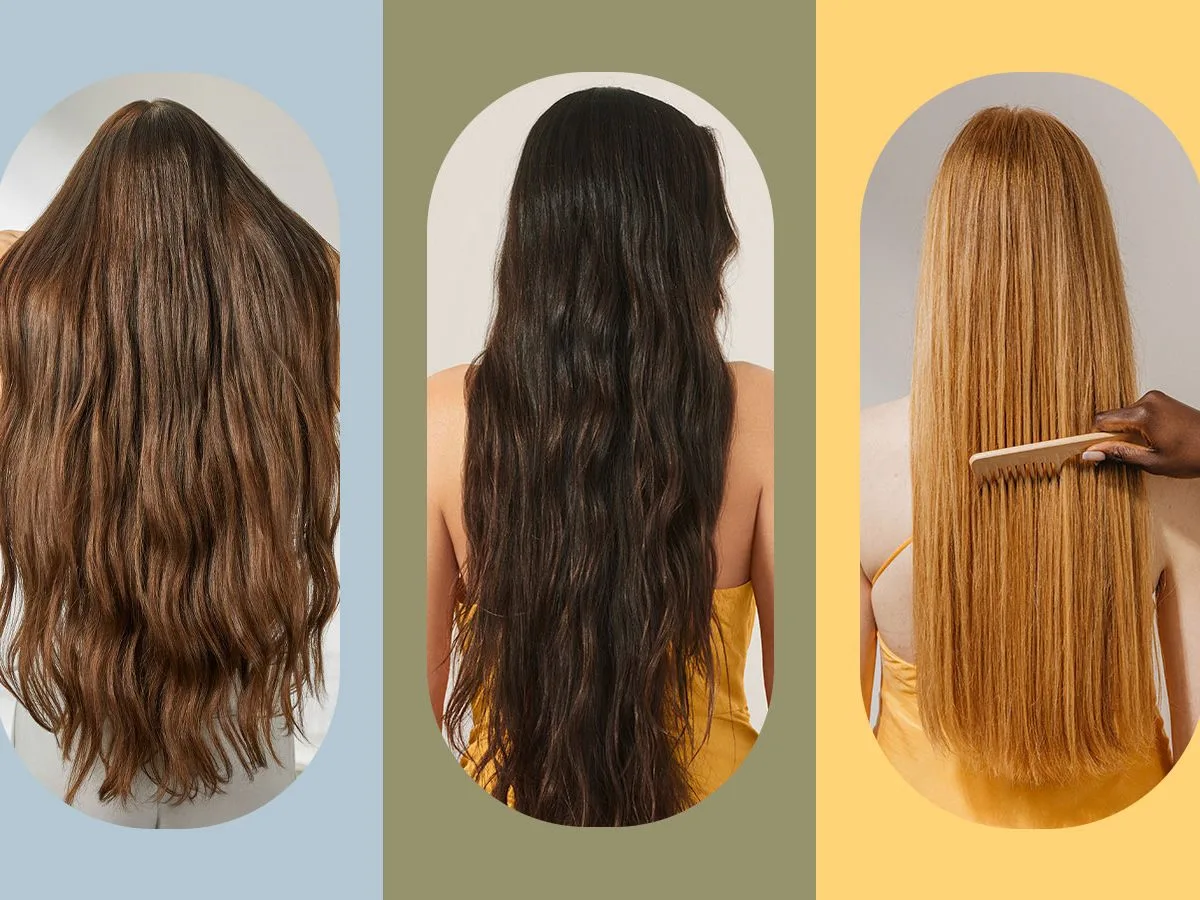
- Hair oils work best for thick, coarse, or damaged hair, which needs deep nourishment and strength.
Hair serums are better for fine, frizzy, or heat-styled hair, adding smoothness and shine without making it heavy.
In short — oil feeds the hair, while serum finishes the look. Using both in the right way can give you healthy, glossy hair inside and out.
How to Choose Between Them

Assess Your Hair Condition
Start by checking what your hair really needs. If it feels dry, rough, or damaged, go for a nourishing hair oil — it repairs from within and restores softness over time. If your main concerns are frizz, dullness, or frequent heat styling, choose a hair serum for instant smoothness, shine, and protection.
Match Your Hair Type
Your hair type also matters. Fine or straight hair usually prefers a lightweight serum that won’t weigh it down. Medium to coarse or curly hair benefits more from oils that add moisture and help control volume and dryness.
Keep It Simple
You don’t need a complicated routine. Use hair oil once or twice a week as a deep treatment and serum before or after styling. This keeps your hair balanced, nourished, and shiny without buildup.
Watch for Warning Signs
If your hair looks greasy or heavy, you may be using too much oil. If it still feels dry or frizzy, your serum might not be enough. Adjust your products until your hair feels smooth, soft, and naturally healthy.
Can You Use Both?
Yes — and It’s Even Better
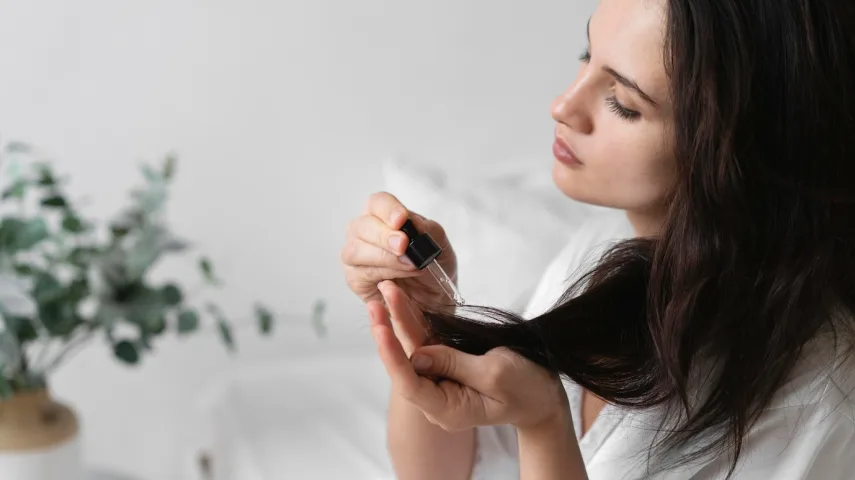
You don’t have to choose between them. In fact, many experts suggest using both hair oil and hair serum together for the best results. Each serves a different purpose: oil nourishes your hair from within, while serum protects it on the outside and adds a polished finish.
A Simple Routine That Works
Try this easy routine:
Hair oil: Apply once or twice a week as a deep nourishment treatment before washing. Massage it into your scalp and ends to restore softness and moisture.
Hair serum: Use daily on damp or dry hair to smooth frizz, add shine, and protect from heat or pollution.
Example by Hair Type
Fine hair: Use a light oil sparingly before shampooing and a small amount of serum after drying.
Thick or curly hair: Massage oil into the scalp and ends weekly, then apply serum to damp hair for smooth, defined curls.
Damaged or color-treated hair: Combine a repairing oil mask weekly with a heat-protecting serum during styling.
Tips to Avoid Problems
Don’t overdo it — too much of either can lead to build-up or make your hair feel heavy. Start with a few drops, focus on the mid-lengths and ends, and wash regularly with a gentle shampoo to keep your hair clean and balanced. Mixing the two isn’t harmful, but it’s best to apply oil first (for repair) and serum later (for shine).
Ingredient Spotlight: What to Look For
Hair Oil Ingredients
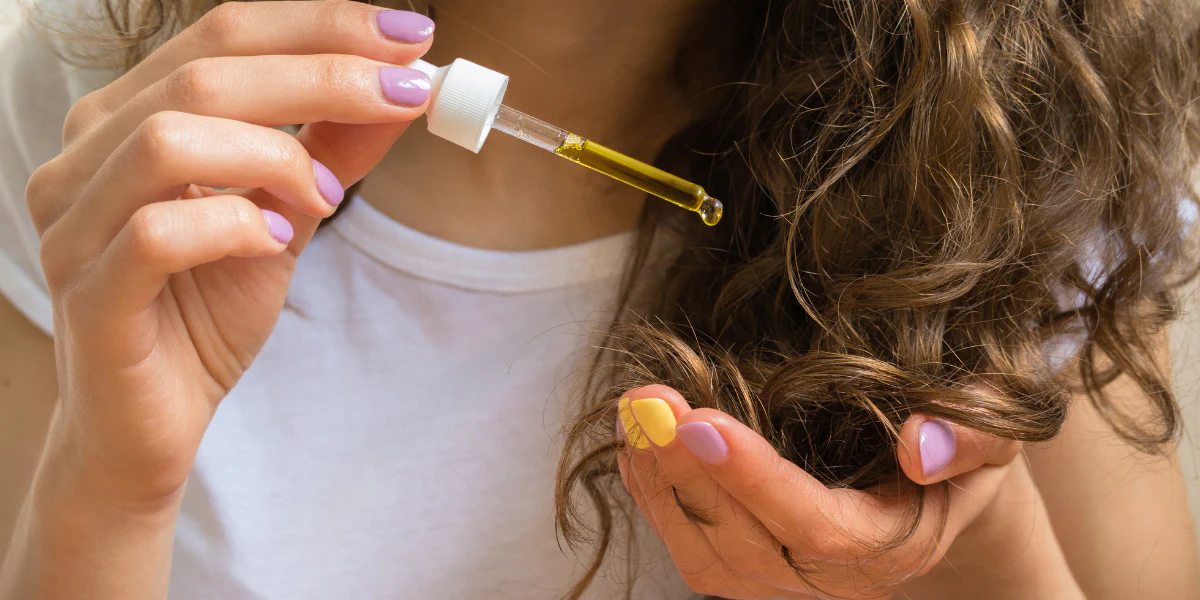
Good hair oils use natural ingredients like argan oil, coconut oil, and jojoba oil. These are rich in fatty acids and vitamins that help moisturize, repair, and add natural shine to your hair.
Hair Serum Ingredients
Most hair serums contain silicones or silicone-free alternatives, along with proteins, heat protectants, and film-forming agents. These ingredients coat your hair to reduce frizz, boost shine, and guard against heat damage.
Watch Out for Labels
Be careful with terms like “oil-in-serum” or “dry oil” — they can be confusing. Check the ingredient list to see whether it’s more nourishing like an oil or styling-focused like a serum.
New Trends
New products now focus on scalp care and clean beauty. These include silicone-free, plant-based serums and oils that care for both your hair and scalp in a lighter, healthier way.
Application Mistakes & Best Practices
Common Mistakes
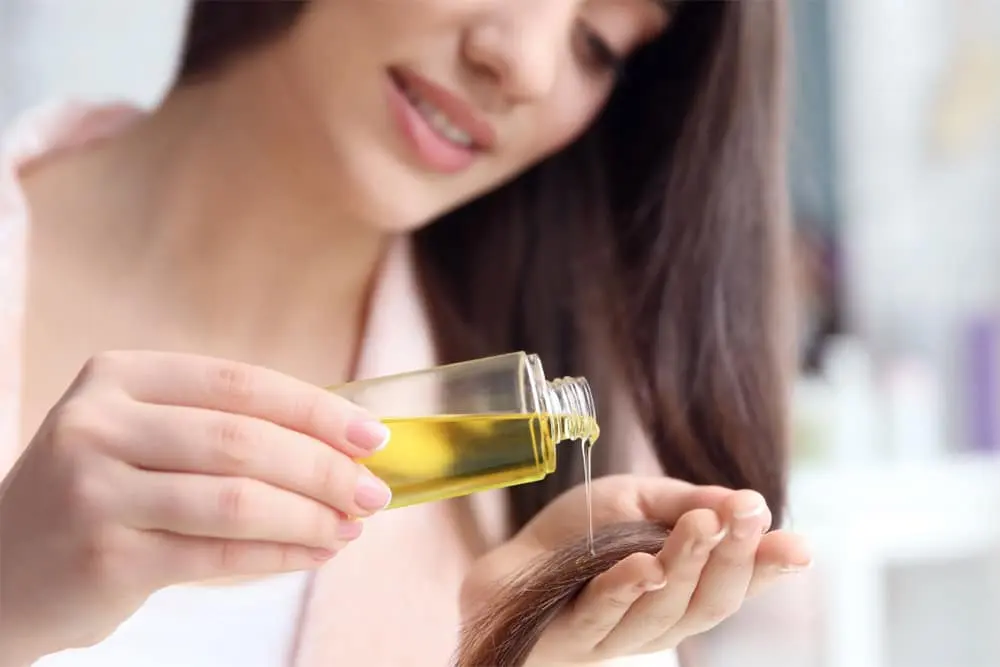
Even the best products can disappoint if you use them the wrong way. Common mistakes include applying oil to the roots when you have fine hair, using too much serum, or not paying attention to timing — like putting oil on freshly washed hair or serum on wet, dripping strands. These habits can make your hair feel greasy, limp, or heavy instead of smooth and shiny.
Best Practice Tips
Start with a small amount: Use just a few drops of oil or serum to avoid buildup.
Focus on mid-lengths and ends: These are the driest parts of your hair and benefit most from the product.
Pick the right timing: Apply oil before styling or overnight for deep repair, and serum after washing or blow-drying for smoothness.
Avoid buildup: Clarify your hair once a week and rotate treatments to keep your scalp healthy.
Addressing Specific Concerns
Color-treated hair: Choose lightweight, sulfate-free products to protect your color.
Scalp dryness: Massage a small amount of oil onto the scalp before shampooing to moisturize.
Heat styling damage: Always use a serum with heat-protective ingredients before blow-drying or using hot tools.
Used the right way, both hair oil and serum can transform your routine — giving you healthy, soft, and glossy hair every day.
Ready to Transform Your Hair?
Healthy, shiny hair starts with the right care — and now you know how to use hair oil and hair serum to bring out your best look. Whether you’re dealing with dryness, frizz, or damage, the perfect balance of nourishment and protection can make all the difference.
Want personalized product recommendations or wholesale partnerships? Our team can help you find or create the ideal haircare formula for your needs. Contact us today to explore custom formulations, private label options, or expert advice on building your own professional haircare line. Your perfect hair solution starts here!
FAQs
Can I use hair oil and hair serum on the same day?
Yes — you can! It’s best to apply hair oil when your hair and scalp need deeper nourishment (e.g., a weekly treatment or on dry lengths) and then use hair serum the same day as a styling step (on damp or dry hair) to add shine and control frizz.
Will using hair oil make my hair grow faster?
Hair oils can support scalp health by providing moisture and nutrients, which can create a better environment for hair growth. However, they don’t magically speed up growth overnight — consistent care and addressing underlying issues (diet, damage, roots) matter too.
Is it okay to use hair serum on wet hair right after washing?
Typically yes — hair serum is designed for use on towel-dried or slightly damp hair so it spreads evenly and works as a protective layer. But applying it to soaking wet hair may dilute its effect and prevent optimal absorption into the hair shaft.
Can hair oil and serum clog my scalp or cause buildup?
Yes — if you use too much or apply to the wrong area (like oily roots), buildup can happen. Oils can weigh down fine hair and serums with heavy silicones can accumulate. It’s important to use small amounts, focus on mid-lengths/ends, and periodically clarify your scalp.
Do I need separate products if my hair is color-treated or heat-styled?
You don’t necessarily need completely separate products, but choosing formulas tailored for color or heat damage helps. For example, a hair oil with reparative ingredients works great for damage, and a hair serum with heat-protectant film-formers is ideal before styling tools. Mixing them smartly gives good results.
References for this information:
(1) Zandu Care, “Hair Oil vs. Serum: Understanding the Ayurvedic Difference,” Zandu Care Official Blog, 2025.
(2) GK Hair, “Is Hair Serum or Oil Better for Your Hair Type?” GK Hair Official Blog, 2025.
(3) L’Oréal Paris, “Hair Serum vs. Hair Oil: What’s the Difference and Which One to Use?” L’Oréal Paris USA Official Website, 2025.
(4) NGLORA, “Difference Between Hair Oil and Hair Serum: Which Is Better for You?” NGLORA Official Blog, 2025.
(5) BondiBoost, “Hair Serums vs. Hair Oils: Understanding the Differences,” BondiBoost Official Blog, 2025.


 EN
 JA
