

Frangipani, also called Plumeria, is a tropical flower known for its soft petals and sweet scent. It grows in warm places like Asia and the Caribbean and has been used for centuries to soothe and heal the skin. The flower is rich in natural oils and antioxidants that help keep the skin soft, calm, and healthy.
Today, more people are turning to natural ingredients, and frangipani for skin is becoming a popular choice. It helps moisturize, reduce redness, and add a relaxing touch to any skincare routine. In this article, we’ll look at how frangipani works, its main benefits, and how to use it safely for glowing skin.
Skin Benefits & Functional Claims

Hydration and Barrier Support
Frangipani helps the skin stay soft and smooth by locking in moisture. It supports the skin’s natural barrier, preventing dryness and flakiness. With regular use, it leaves the skin feeling fresh and well-hydrated.
Soothing and Calming
Frangipani has gentle anti-inflammatory effects that help calm redness and irritation. It’s great for sensitive skin and can ease discomfort caused by sun or pollution. Its light floral scent also helps you relax during your skincare routine.
Acne and Antibacterial Care
The natural antibacterial power of frangipani for skin helps fight acne-causing bacteria. It keeps pores clean without drying the skin, supporting a clearer and smoother look over time.
Wound Healing and Scar Care
Studies show that Plumeria obtusa extract can help wounds heal faster. In one test, a 10% frangipani spray helped full healing within 17 days. Its nutrients support skin repair and help fade marks and scars naturally.
Anti-Aging and Firmness
Frangipani is packed with antioxidants that protect the skin from aging. It helps smooth fine lines, improve elasticity, and keep the skin looking firm and youthful.
Sun and UV Protection
Some studies suggest that frangipani may offer mild UV protection. It helps reduce the effects of sun exposure and keeps the skin from feeling dry or damaged.
Works Well with Other Ingredients
Frangipani pairs well with vitamin C, hyaluronic acid, and niacinamide. Together, they boost moisture, brighten dull skin, and protect against daily stress.
Formulation & Delivery Strategies
Types of Extracts and Oils
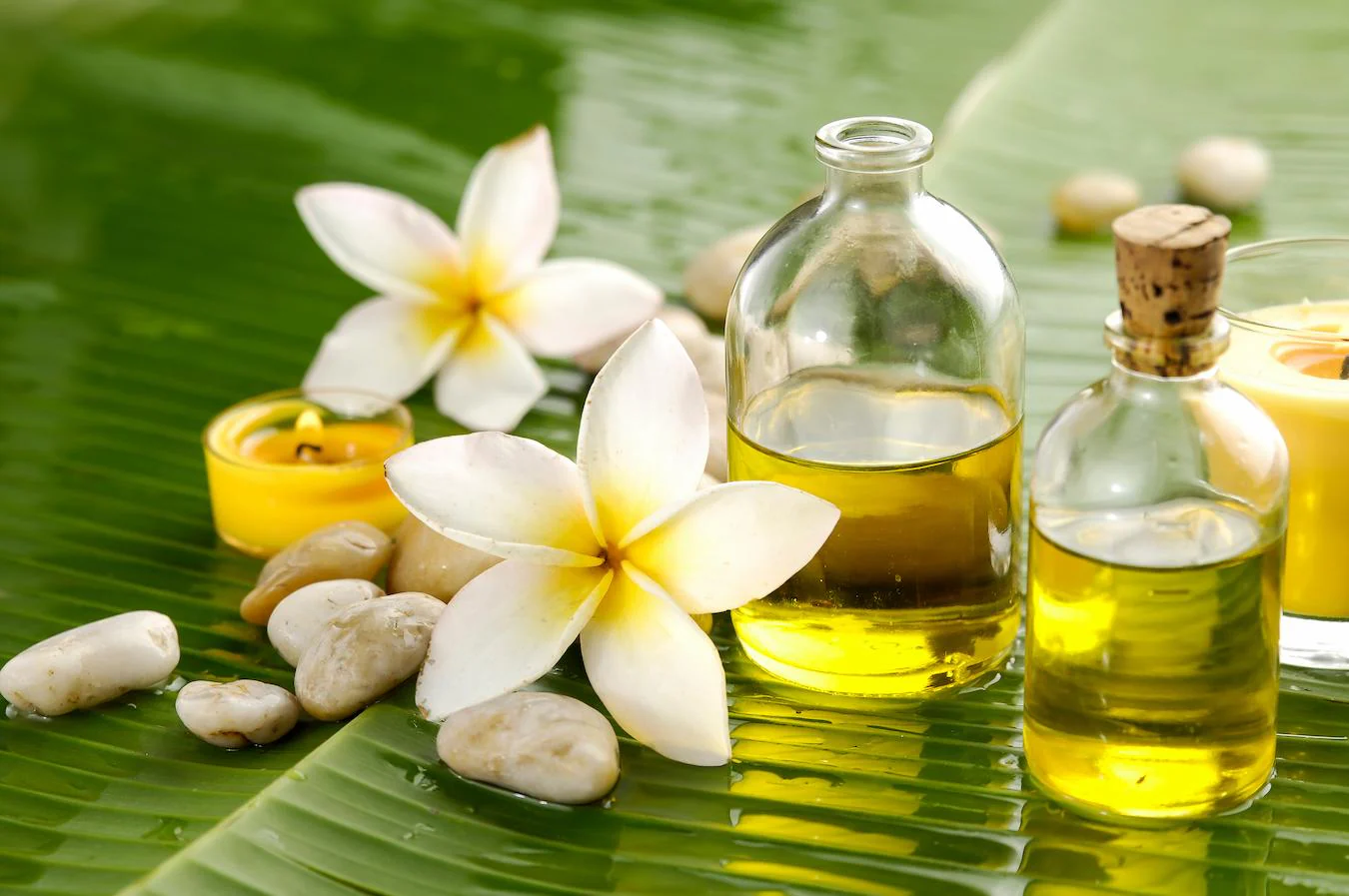
Frangipani can be used in many ways. The essential oil gives a soft scent and helps smooth the skin. The ethanol extract is rich in antioxidants and fits well in creams or serums. The CO₂ extract keeps more of the flower’s active parts, making it great for high-quality skincare formulas.
Stability and Storage
Frangipani extracts are sensitive to air, light, and heat. To keep them fresh, they should be stored in dark bottles and away from sunlight. Adding vitamin E or other natural antioxidants helps protect them from oxidation and keeps their benefits longer.
Concentration and Product Types
Frangipani works well in creams, gels, masks, serums, and sprays. Most products use it at 0.5%–2%, while stronger treatments may use up to 5%–10%. In gel or toner form, it feels light, absorbs quickly, and leaves the skin soft without oiliness.
Compatibility with Other Ingredients
Frangipani blends nicely with hyaluronic acid, niacinamide, and aloe vera. These ingredients boost its hydrating and soothing effects. When mixing with other oils or extracts, it’s best to test the formula to keep it stable and smooth.
Safety, Risks & Usage Guidelines

- Skin Irritation: Frangipani is usually gentle, but some people may get redness or itching if the formula is too strong. Always do a small patch test before using it on your face.
- Latex and Sap: As noted on Wikipedia, frangipani plants have a white sap or latex that can irritate the skin if used raw. Only use purified extracts or skincare products made for cosmetic use. Avoid contact with the eyes or open wounds.
- Sun Sensitivity: There’s no clear sign that frangipani causes sun sensitivity, but it’s still best to use sunscreen if applying it during the day.
- Use for Sensitive Skin or Pregnancy: Pregnant women, children, and people with very sensitive skin should choose mild products with low concentrations. Avoid pure essential oils unless approved by a doctor.
- Patch Test and Safe Use: Start with a low concentration (around 0.5%–1%) and watch your skin’s reaction. Keep the product in a cool, dark place and make sure it includes preservatives to stay safe and fresh.
Practical Tips & Consumer Guide
How to Choose a Quality Frangipani Product
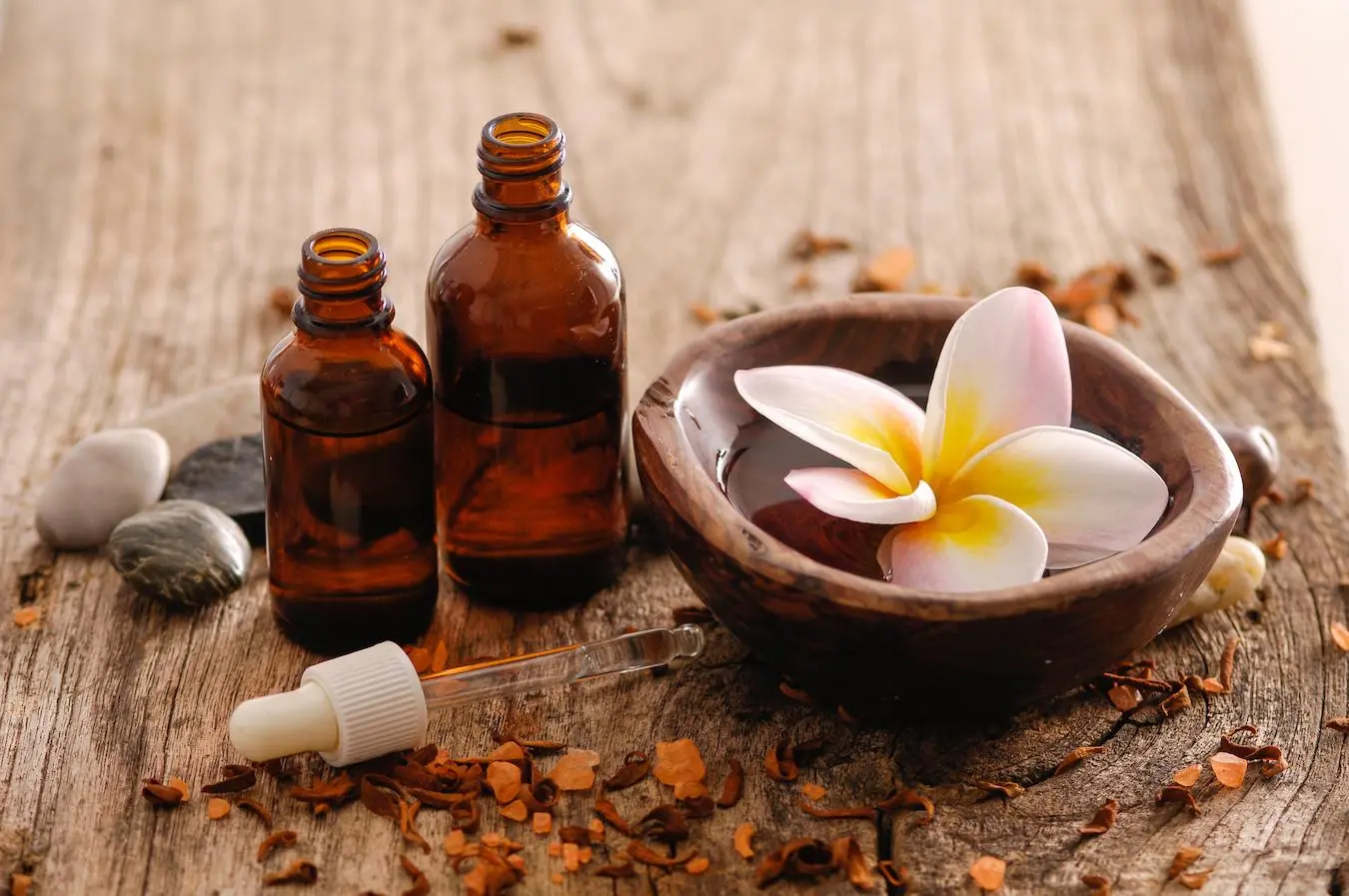
When buying skincare with frangipani, check the ingredient list for Plumeria alba or Plumeria rubra extract. Choose brands that clearly show their ingredient sources and avoid products with too much added fragrance or alcohol. Look for items made with natural extracts instead of only synthetic scents.
How to Use It in Your Routine
Frangipani fits easily into both morning and night routines. In the morning, use a light serum or moisturizer before sunscreen to keep your skin soft all day. At night, apply a richer cream or oil to help your skin repair and stay hydrated. It also layers well with hyaluronic acid or vitamin C, adding extra glow and moisture.
DIY Suggestions
If you prefer natural care, you can make a simple DIY mist by mixing a few drops of frangipani essential oil with distilled water and a little glycerin. Shake well before use. Always test on a small area first, and avoid using pure essential oil directly on your skin without dilution.
What Results to Expect
With regular use, frangipani for skin can help improve hydration, calm irritation, and make your skin look smoother and brighter. Most people start to see gentle improvements after 2–4 weeks. However, results may vary depending on your skin type, product strength, and daily routine.
Ready to Glow with Frangipani for Skin?
Frangipani is more than just a pretty flower — it’s a natural way to keep your skin soft, calm, and healthy. Rich in antioxidants, it helps protect the skin, reduce redness, and add gentle hydration. More skincare brands are choosing frangipani for skin because it’s pure, effective, and feels relaxing to use.

If you want to add frangipani to your skincare line, we can help. We offer high-quality Plumeria extracts and full OEM/ODM skincare services to fit your needs. Contact us today to learn more or request a sample — let’s bring the beauty of nature into your products.


 EN
 JA
