

Botanical oils are natural oils made from plants, like seeds, nuts, or fruits. They’re rich in vitamins and healthy fats that help keep your skin soft, smooth, and protected.
People love these oils today because they fit into the idea of clean beauty — skincare that’s simple, safe, and natural. Using the right botanical oil can help repair your skin barrier and bring back a healthy, glowing look.
How Botanical Oils Work on Skin
Botanical oils do more than make your skin feel soft — they help your skin stay healthy from the inside out. These plant oils work because they act a lot like your skin’s own natural oils.

They Match Your Skin’s Natural Oils
Botanical oils are full of healthy fats like linoleic and oleic acid. These are the same kinds of fats your skin makes to stay smooth and flexible. Oils like jojoba and squalane are especially close to your skin’s natural sebum, so they keep your face balanced without feeling greasy.
They Keep Moisture In
These oils help stop transepidermal water loss, which means less dryness and flaking. A light layer of oil locks in water and helps your skin’s barrier heal. Over time, your skin feels softer, calmer, and stronger.
They Soothe and Protect
Many botanical oils for skin are rich in antioxidants and anti-inflammatory plant compounds. They help calm redness, fight damage from free radicals, and even reduce irritation. Some, like tamanu or sea buckthorn oil, also protect against bacteria and breakouts.
They Need Careful Use
Not every oil suits everyone. Some can spoil if they sit in heat or sunlight, which can cause irritation. Always choose fresh, cold-pressed oils and store them in a cool, dark place.
Key Botanical Oils & Their Skin Benefits
Each botanical oil has its own mix of nutrients that can make a big difference for your skin. Choosing the right one depends on your skin type and what it needs most — moisture, repair, or balance.
Jojoba Oil — Balancing & Non-Greasy

Jojoba oil is famous for being almost identical to your skin’s natural sebum. It absorbs quickly, never feels heavy, and helps balance oil production. Research from Olentium and Orthofyto notes that it’s stable and non-comedogenic, making it perfect for both oily and sensitive skin.
Best for: Oily, combination, or sensitive skin
Use tip: Apply a few drops after cleansing or mix into your daily moisturizer.
Rosehip Oil — Brightening & Restorative

Rich in natural retinoids (vitamin A), rosehip seed oil supports cell renewal and helps fade dark spots and scars. Its high levels of linoleic acid and vitamin C make it a go-to for improving texture and tone.
Best for: Dull, uneven, or mature skin
Use tip: Use at night for repair or blend with your serum for a glow boost.
Argan Oil — Nourishing & Protective

Often called “liquid gold,” argan oil is loaded with vitamin E and essential fatty acids that deeply nourish and soften the skin. It helps reduce roughness and improves elasticity without clogging pores.
Best for: Dry or mature skin
Use tip: Massage 2–3 drops onto damp skin to lock in moisture.
Grapeseed Oil — Lightweight & Clarifying

This oil feels weightless yet powerful. High in linoleic acid and antioxidants, grapeseed oil helps tighten pores, reduce excess shine, and soothe acne-prone skin.
Best for: Oily or acne-prone skin
Use tip: Use as a facial oil or light makeup remover.
Sweet Almond / Apricot Kernel Oil — Gentle & Soothing

Both oils are rich in vitamins A and E and work as mild emollients. They soften and calm the skin, making them great for daily use and sensitive complexions.
Best for: Dry, sensitive, or irritated skin
Use tip: Ideal for massage or as a base for blending other oils.
Squalane (Plant-Derived) — Hydrating & Non-Irritating

Squalane, often derived from olives or sugarcane, mimics your skin’s natural moisture barrier. It hydrates deeply and leaves no greasy feel, while also protecting against environmental stress.
Best for: All skin types, including sensitive
Use tip: Apply 1–2 drops before sunscreen or foundation.
Sea Buckthorn Oil — Vitamin-Rich & Revitalizing
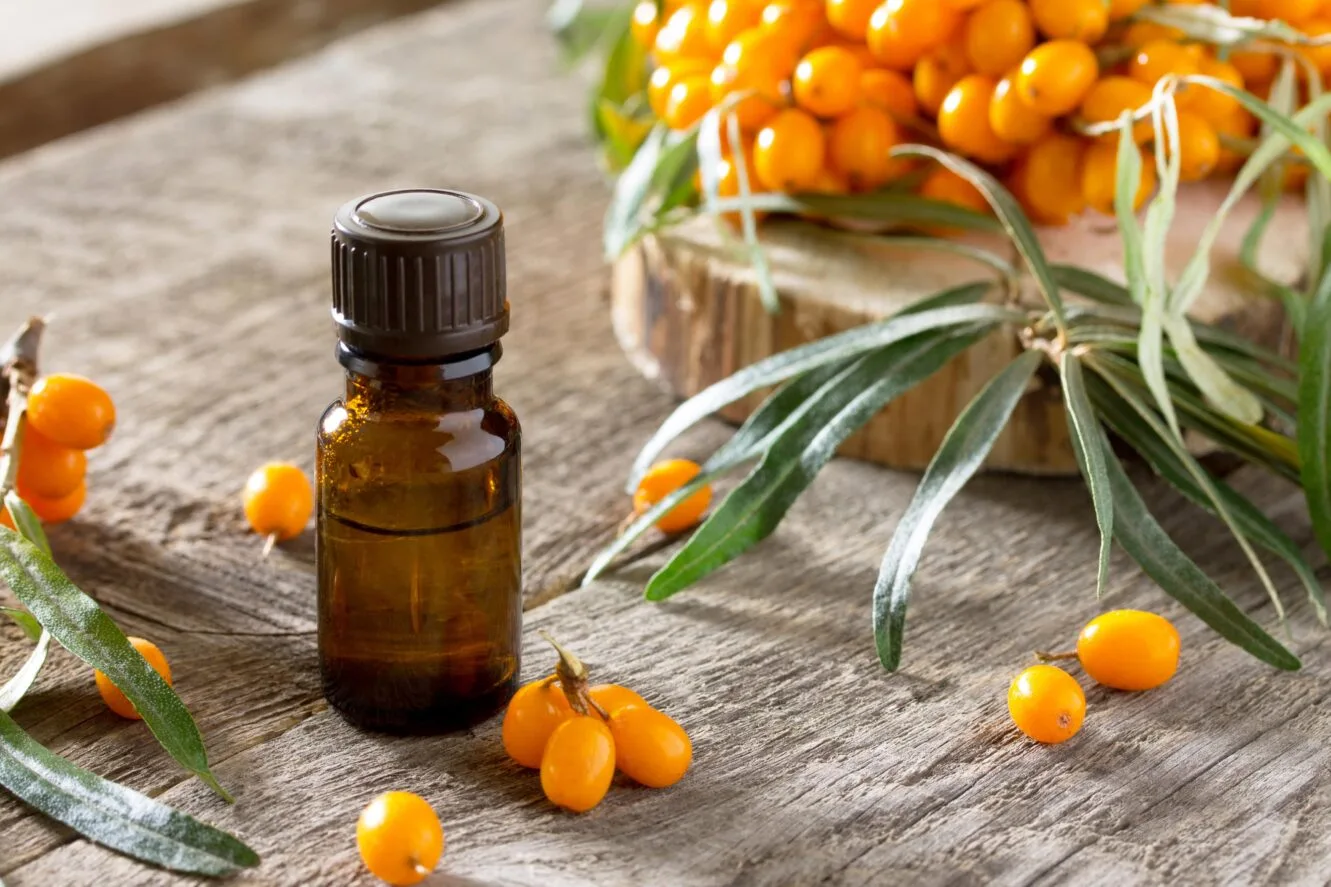
Praised in Vogue, sea buckthorn oil is packed with vitamins A, C, and E, plus rare omega-7 fatty acids. It brightens skin, supports healing, and adds a natural glow.
Best for: Dry, mature, or tired skin
Use tip: Mix a few drops into your night cream for a deeper repair.
Tamanu Oil — Healing & Antibacterial

According to Wikipedia, tamanu oil has strong wound-healing and antimicrobial properties. It can help fade scars and soothe minor irritations or acne marks.
Best for: Blemish-prone or damaged skin
Use tip: Apply directly on small areas or blend with lighter oils to dilute.
Marula Oil — Stable & Silky

Rich in monounsaturated fats and antioxidants, marula oil hydrates and softens while resisting oxidation. It gives a silky feel without clogging pores.
Best for: Normal to dry skin
Use tip: Great as a finishing oil or mixed into makeup for a dewy finish.
Emerging Oils — The New Stars

Lesser-known botanical oils like Kalahari melon oil and prickly pear seed oil are gaining attention for their high linoleic acid and vitamin E content. They offer lightweight hydration and strong antioxidant support.
Best for: Dull or combination skin
Use tip: Try blending a few drops into your facial serum for added protection.
Choosing & Evaluating Quality

When it comes to botanical oils for skin, quality makes all the difference. Good oils keep their natural vitamins and stay fresh longer. Here’s what to look for:
How the Oil Is Made
Cold-pressed oils are made without heat, keeping more nutrients.
CO₂-extracted oils are very pure and stable.
Macerated oils are made by soaking plants in another oil — gentle but less concentrated.
Cold-pressed and CO₂-extracted oils are usually the best for skincare.
Check the Label
Look for words like “cold-pressed,” “virgin,” or “unrefined.” These mean the oil is natural and less processed. Avoid “refined” oils — they may lose the good stuff during production.
Keep It Fresh
Store your oils in dark bottles, away from sunlight and heat. Close the cap tightly after each use. Lighter oils like rosehip spoil faster, while stable ones like jojoba last longer.
Make Sure It’s Pure
Some cheap oils are mixed with fillers. Buy from trusted brands that share lab test results or GC/MS data to prove purity.
How to Use Botanical Oils in Skincare

Adding botanical oils to your routine is easy once you know how they work best. You can use them alone or mix them with other products to boost hydration and glow.
Add Them to Your Daily Routine
Cleansing: Use a few drops of oil to gently remove makeup or dirt. Wipe with a warm cloth for clean, soft skin.
Moisturizing: After washing your face, apply oil while your skin is still damp to lock in water.
Layering: You can also pat a drop of oil over your moisturizer for extra protection and shine.
Single Oils or Blends
You can use one oil by itself or mix a few together.
Single oils like jojoba or squalane are simple and great for sensitive skin.
Blends often mix a carrier oil (like almond) with active oils (like rosehip or tamanu) to balance moisture and add extra nutrients.
Use the Right Amount
Botanical oils are rich, so a little goes a long way. For the face, use 2–4 drops per application. If you’re blending essential oils, keep the total mix below 2% essential oil for safety.
When to Avoid Oils
Skip oils if you have broken skin, open wounds, or are using strong active treatments (like retinol or acids). Give your skin time to heal before adding oils back in.
Patch Test First
Even natural oils can cause allergies for some people. Always do a patch test on your arm or behind your ear before using a new oil on your face. Wait 24 hours to check for redness or itching.
Matching Oils to Skin Concerns
Every skin type has different needs, and the beauty of botanical oils for skin is that there’s one for everyone. Whether your goal is hydration, balance, or repair, the right oil can make a big difference.

Dry or Mature Skin
Dry skin needs deep moisture and protection. Go for rich oils high in oleic acid and vitamin E.
Best oils: Argan, marula, sweet almond, sea buckthorn
Tip: Warm a few drops between your hands and press onto damp skin to seal in moisture.
Oily or Acne-Prone Skin
It may sound strange, but oils can actually help balance oily skin. Lightweight oils that mimic natural sebum reduce overproduction.
Best oils: Jojoba, grapeseed, squalane, rosehip
Tip: Use just 1–2 drops; too much can make the skin feel greasy.
Sensitive or Rosacea-Prone Skin
Choose soothing oils with anti-inflammatory compounds to calm redness and strengthen the barrier.
Best oils: Apricot kernel, almond, squalane, tamanu (in small amounts)
Tip: Always patch test first — even gentle oils can cause reactions for very sensitive skin.
Hyperpigmentation or Uneven Tone
Brightening oils rich in antioxidants and vitamin A help fade dark spots and even out skin tone.
Best oils: Rosehip, sea buckthorn, prickly pear seed oil
Tip: Apply at night for best results, and always pair with sunscreen during the day.
Scarring or Wound Repair
Some oils help skin heal and renew faster, improving texture and fading old scars.
Best oils: Tamanu, rosehip, argan, marula
Tip: Apply directly on small areas or mix with a carrier oil for gentle use.
Special Treatments
Botanical oils aren’t just for your face — they’re great for relaxing treatments too.
Face-oil masks: Leave on for 10–15 minutes, then wipe away excess.
Massage oils: Blend almond or apricot kernel oil for smooth slip and comfort.
Body care: Use marula or argan after showering for soft, glowing skin.
Synergies & Advanced Uses

Once you’re comfortable using botanical oils for skin, you can take things a step further. These oils don’t just work alone — they pair beautifully with other skincare ingredients and new green science trends.
Mixing Oils with Other Actives
Botanical oils can boost the power of your favorite skincare actives.
Vitamin C: Combine with rosehip or sea buckthorn oil to improve glow and fight dullness.
Retinoids: Layer soothing oils like squalane or marula after retinol to reduce dryness.
Ceramides: Blend with argan or jojoba oil to help strengthen the skin barrier.
These combinations help balance strong ingredients and keep the skin calm and nourished.
Oil-in-Water Formulas
Modern skincare often blends oils with water to make lighter, non-greasy textures — like lotions, serums, or creams. In these oil-in-water emulsions, botanical oils form the nourishing part, while water brings hydration. Together, they deliver both comfort and freshness.
Advanced Delivery Systems
New techniques like microemulsions and encapsulation help oils reach deeper layers of skin without feeling heavy. They protect sensitive ingredients (like vitamins or plant extracts) and make the formula more stable and effective.
Green Chemistry & Sustainable Trends
The skincare world is moving toward green chemistry — creating products that are clean, safe, and eco-friendly. Brands now use upcycled oils (made from leftover seeds or fruit peels) and explore novel botanical oils from lesser-known plants. These not only reduce waste but also bring new textures and nutrients to the market.
Limitations, Risks & Myths

Even though botanical oils for skin are full of benefits, they still have limits. Knowing these helps you use them safely and get the best results.
Not a Sunscreen
Botanical oils don’t block UV rays. Some may offer tiny protection, but not enough to replace real sunscreen. Always wear SPF during the day.
Some Oils Can Clog Pores or Irritate Skin
Heavy oils like coconut or wheat germ can clog pores and cause breakouts. Lighter ones like jojoba or grapeseed are better for oily skin. Also, some people may be sensitive to certain oils — always do a patch test first.
Common Myths
“Oils cause acne.” The right oil can actually calm and balance skin.
“All oils are the same.” Each oil has different nutrients and textures.
“Natural means safe.” Even natural oils can spoil or trigger allergies.
More Research Needed
Scientists are still studying how each oil works and how safe long-term use is. More clinical research will help us understand them better.
Ready to Transform Your Skincare Routine?
Now that you know how botanical oils for skin can nourish, protect, and renew your complexion, it’s time to experience the difference for yourself. Whether you’re looking for pure, cold-pressed oils or customized blends for your brand, we’re here to help.

Contact us today to explore our premium selection of botanical oils, get expert recommendations, or start your own private-label skincare line.Let’s bring the power of nature to your skincare — together.


 EN
 JA
