

Butylene glycol is a common ingredient in skincare that helps keep your skin hydrated. It’s a clear liquid that attracts moisture from the air and locks it into your skin, keeping it soft and smooth. Chemically, it has two alcohol groups, which make it great at holding onto moisture.
Butylene glycol can be made from petroleum or from plant-based sources like sugarcane through fermentation. The plant-based version is more eco-friendly. It’s similar to propylene glycol, but it’s often gentler on the skin and less likely to cause irritation, making it ideal for sensitive skin.
Key Functions in Skincare

Butylene glycol is a multi-functional ingredient in skincare, and it does a lot to improve the effectiveness and texture of your products. Here’s how it works:
1. Humectant:
As a humectant, butylene glycol helps attract water from the air and binds it to the skin. This keeps your skin well-hydrated, preventing dryness and giving you a smooth, plump appearance.
2. Solvent:
Butylene glycol acts as a solvent, meaning it helps dissolve and evenly distribute other ingredients in your skincare products. This makes sure all the active ingredients are properly mixed, ensuring the product works as intended and stays stable.
3. Emollient:
It also functions as an emollient, which softens and smooths the skin’s surface. This helps improve the texture of products like creams and lotions, making them feel silky and comfortable on your skin.
4. Penetration Enhancer:
Butylene glycol is a penetration enhancer, which means it helps other active ingredients in your products penetrate deeper into the skin. This makes your skincare products more effective by allowing these ingredients to work better and deliver their benefits where they’re needed most.
5. Viscosity Modifier:
Lastly, butylene glycol is a viscosity modifier. It helps adjust the thickness of products, making them smoother and easier to apply without feeling too heavy or greasy. This gives products like serums, lotions, and gels a more pleasant texture.
In short, butylene glycol plays a big role in improving the performance and feel of skincare products. From hydration to enhancing absorption, it helps make your skincare routine more effective and enjoyable.
Skin Benefits of Butylene Glycol

Butylene glycol is more than just a filler ingredient—it’s packed with skin benefits that help keep your complexion looking fresh and healthy. Here’s how it works:
1. Hydrates and Maintains Skin Moisture Balance
One of the main benefits of butylene glycol is its ability to draw moisture into the skin and keep it there. As a humectant, it helps your skin retain water, preventing dryness and keeping your skin plump and hydrated. This is especially helpful in dry or harsh climates where skin can easily become dehydrated.
2. Enhances the Effectiveness of Other Skincare Ingredients
Butylene glycol acts as a penetration enhancer, meaning it helps other active ingredients in your skincare products absorb deeper into the skin. This makes your products more effective, allowing them to work better and deliver faster results.
3. Improves Skin Texture and Smoothness
Thanks to its emollient properties, butylene glycol helps soften and smooth the skin. It creates a silky-smooth texture, making your skin feel soft and comfortable after applying products. This is particularly helpful in moisturizers and creams, giving them a luxurious feel.
4. Supports Product Stability and Shelf Life
Butylene glycol also plays an important role in the stability of skincare products. It helps prevent formulas from separating or degrading over time, ensuring that your products stay effective and last longer on the shelf.
In short, butylene glycol is a key ingredient in many skincare products because it keeps your skin hydrated, enhances the effectiveness of other ingredients, improves texture, and helps products stay stable. It’s a simple ingredient with big benefits for your skincare routine.
Safety and Side Effects of Butylene Glycol
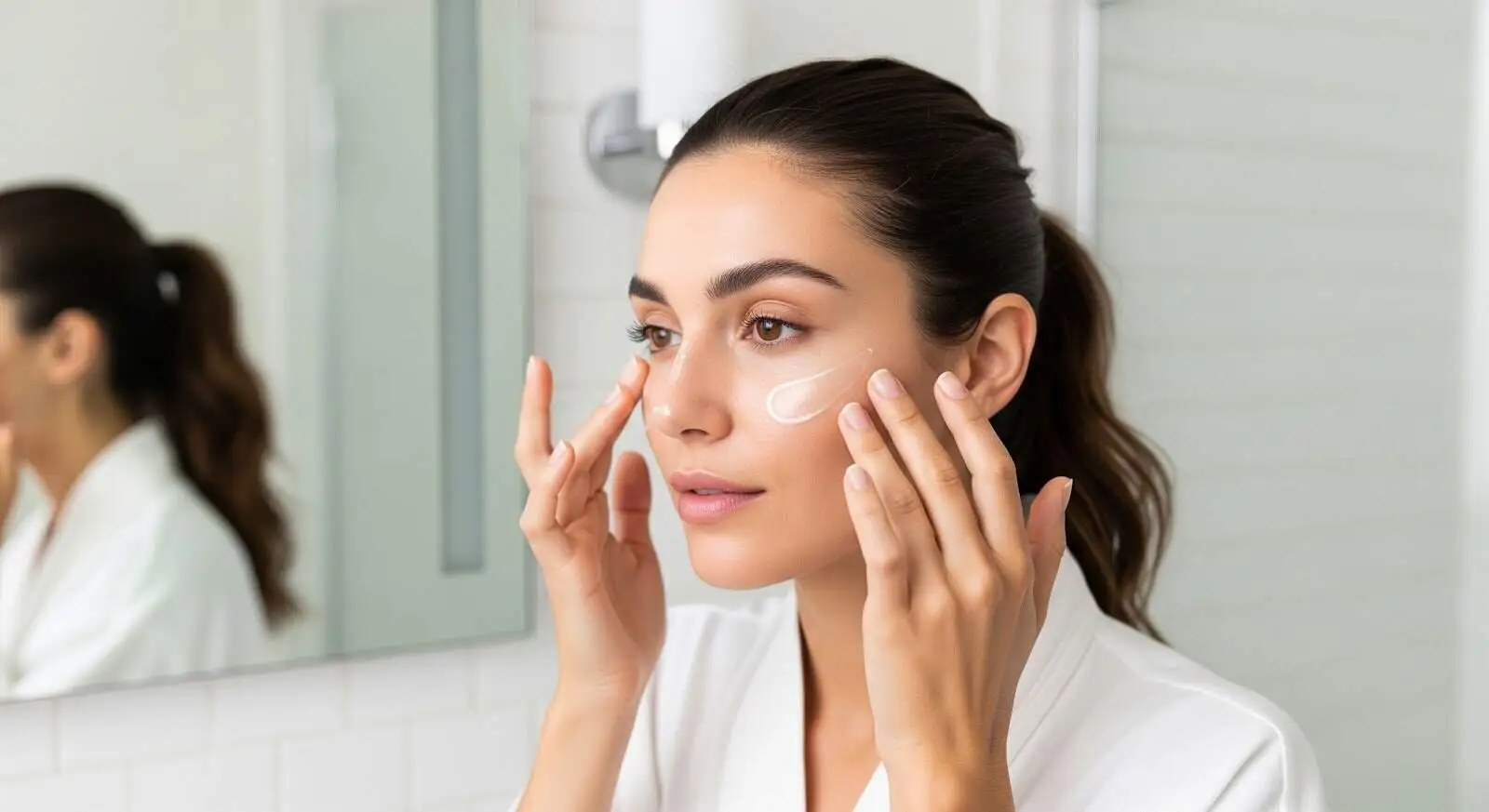
Butylene glycol is generally safe for most people and works well for all skin types. However, like any ingredient, it’s important to be aware of how it may affect your skin.
Generally Safe for All Skin Types
For most people, butylene glycol is gentle and safe to use. It’s commonly found in skincare products like moisturizers and serums, and it hydrates and smooths without causing issues for most skin types.
Rare Cases of Irritation or Allergic Reactions
Though rare, some people may experience irritation or an allergic reaction to butylene glycol. Signs include redness, itching, or a rash. If you have sensitive skin, it’s a good idea to do a patch test before using new products that contain it.
Considerations for Sensitive or Compromised Skin
If you have sensitive or compromised skin, such as from eczema or rosacea, it’s best to use products with butylene glycol cautiously. Consult with a dermatologist if you’re unsure whether it’s right for your skin.
In general, butylene glycol is safe for most people, but always pay attention to how your skin reacts and consult a professional if you have concerns.
Comparison with Propylene Glycol

Butylene glycol and propylene glycol are both used in skincare, but they have some differences. While they work similarly, it’s important to know how they compare.
Differences in Skin Irritation Potential
Propylene glycol is more likely to cause skin irritation, especially for those with sensitive skin. It can lead to redness, itching, or a rash. Butylene glycol, on the other hand, is gentler and has a lower risk of irritation, making it better for sensitive skin.
Similarities in Functions and Applications
Both ingredients are humectants, meaning they draw moisture into the skin, helping it stay hydrated. They also work as solvents, making it easier for other ingredients to blend and stay stable in skincare products. You’ll find both in moisturizers, cleansers, and serums.
Why Butylene Glycol Is Often Preferred in Skincare
Butylene glycol is often preferred in skincare because it’s gentler on the skin and less likely to cause irritation. It provides the same benefits as propylene glycol—hydration and improved texture—without the risk of discomfort. This makes it ideal for products meant for daily use, especially for sensitive skin.
In short, while both ingredients have similar uses, butylene glycol is typically chosen in skincare for its mildness and lower irritation risk.
Incorporating Butylene Glycol into Your Skincare Routine

Butylene glycol is a versatile ingredient that can easily fit into your skincare routine. Here’s how you can make the most of it:
Found in Moisturizers, Serums, Toners, and Sheet Masks
Butylene glycol is commonly found in moisturizers, serums, toners, and sheet masks. It helps hydrate the skin, improve texture, and make products feel smoother.
Ideal for Layering with Other Skincare Products
Butylene glycol works well with other skincare ingredients. It helps active ingredients absorb better, making your whole skincare routine more effective. You can layer it with other products like serums and moisturizers for better hydration.
Tips for Selecting Products Containing Butylene Glycol
Look for products with butylene glycol if you need extra moisture or smoother skin. If you have dry skin, try moisturizers or serums with butylene glycol. For a complete routine, choose toners or sheet masks that work well with other skincare products.
Incorporating butylene glycol into your routine can help keep your skin hydrated and improve its texture, making it a great addition to your skincare products.
Conclusion

Butylene glycol is a gentle and effective ingredient that helps keep your skin hydrated and smooth. It works well in many skincare products, improving texture and enhancing the benefits of other ingredients. It’s safe for most skin types, though it’s always a good idea to patch-test if you have sensitive skin.
If you’re looking for products that hydrate and improve skin texture, try those with butylene glycol. For personalized skincare advice, consult with a dermatologist to find the best options for your skin. Contact Zicail today for expert recommendations and to learn more about the best skincare for you.
FAQs About Butylene Glycol in Skincare
Is butylene glycol safe for sensitive skin?
Yes, butylene glycol is generally considered safe for sensitive skin. It is less likely to cause irritation compared to similar compounds like propylene glycol. However, as with any ingredient, it’s advisable to perform a patch test before using a new product to ensure compatibility with your skin.
Can butylene glycol help with acne?
Butylene glycol itself doesn’t treat acne directly. However, its moisturizing properties can help maintain skin hydration, which is important for overall skin health. Some formulations use butylene glycol to enhance the delivery of other active ingredients that target acne.
Is butylene glycol derived from natural sources?
Butylene glycol can be derived from both petroleum and natural sources. Bio-fermented butylene glycol is produced using plant-based materials like sugarcane, making it a more eco-friendly option.
Does butylene glycol contribute to anti-aging?
While butylene glycol doesn’t directly combat aging signs, its ability to hydrate and improve skin texture can contribute to a more youthful appearance. By maintaining skin moisture, it helps reduce the appearance of fine lines and promotes a smoother complexion.
Are there any concerns about using butylene glycol during pregnancy?
There is limited research on the safety of butylene glycol during pregnancy. A 1985 animal study indicated potential adverse effects, but human data is insufficient. It’s recommended to consult with a healthcare provider before using products containing butylene glycol during pregnancy.


 EN
 JA
