

What Double Cleansing Is
Double cleansing is a two-step face-washing method that uses two different types of cleansers for a more thorough clean.
The first step uses an oil-based cleanser to dissolve makeup, sunscreen, and excess oil. The second step uses a water-based cleanser to remove sweat, dirt, and remaining residue.
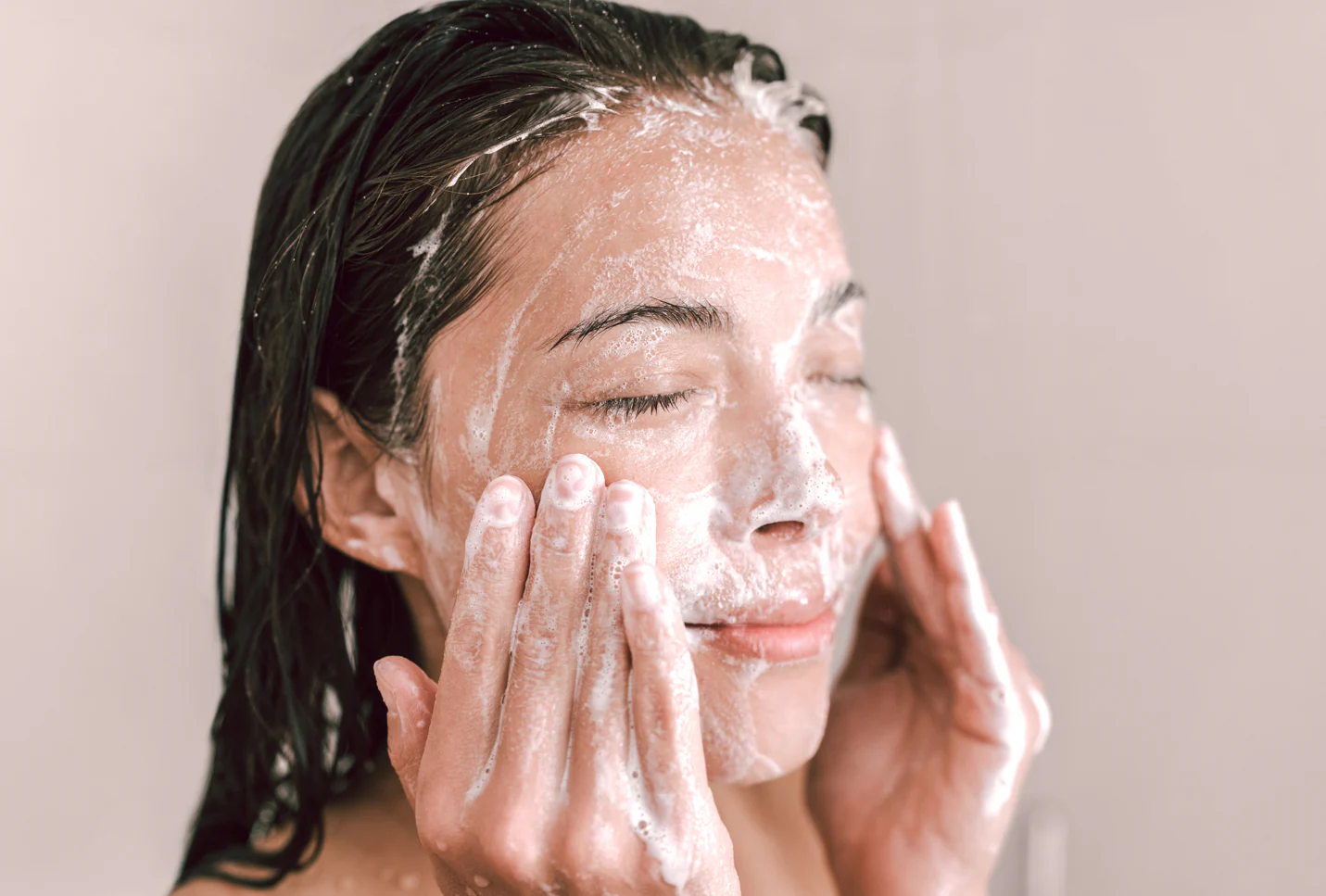
The method became popular through Japanese and Korean skincare routines, where gentle but effective cleansing is seen as the foundation of healthy skin.
It later moved into mainstream skincare because it addresses what a single cleanse often misses—especially long-wear sunscreen and makeup.
Rather than washing your face more, double cleansing is about cleaning smarter within a well-balanced face cleansing routine.
By separating oil-based buildup from water-based impurities, it helps skin feel clean without being stripped.
In the sections ahead, we’ll explain how double cleansing works, who benefits most from it, and how to do it safely for your skin type.
How Double Cleansing Works
Double cleansing works by using two different cleanser types, each designed to remove specific kinds of buildup—in the right order.
Step 1: Oil-Based Cleanser
The first cleanse uses an oil-based cleanser (cleansing oil or balm).
Dissolves makeup, sunscreen, excess oil, and sebum
Loosens oil-soluble debris without harsh scrubbing
Step 2: Water-Based Cleanser
The second cleanse uses a water-based cleanser (gel, foam, or cream).
Removes sweat, dirt, and leftover residue
Leaves skin feeling clean and refreshed
Why the Order Matters: “Like Attracts Like”
In simple terms, like dissolves like.
Oil cleansers attract and dissolve oil-based buildup
Water cleansers remove water-based impurities
If you reverse the order, makeup and sunscreen may not be fully removed, and skin can feel less clean.
Simple takeaway: Double cleansing works because it separates the job into two steps—each cleanser does what it’s best at, without over-stripping the skin.
Main Benefits of Double Cleansing
When done correctly, double cleansing offers practical, skin-friendly benefits—especially if you wear sunscreen or makeup.

More Thorough Clean
Using two cleanser types helps remove both oil-based and water-based impurities.
This means makeup, sunscreen, sebum, sweat, and pollution are more completely washed away than with a single cleanse.
Helps Prevent Clogged Pores & Breakouts
By fully dissolving oil buildup and residue, double cleansing can reduce what’s left behind in pores—one factor that contributes to congestion and breakouts when cleansing is incomplete.
Improves Absorption of Skincare Products
Clean skin absorbs products better within a properly structured skincare routine.
Removing leftover sunscreen and residue helps serums and moisturizers spread and absorb more evenly, so you get more out of the products you apply next.
Cleans Without Over-Stripping (When Done Gently)
When done with mild, skin-appropriate formulas, double cleansing can remove buildup effectively while keeping the skin barrier comfortable and balanced.
Do You Need Double Cleansing? (Who It’s For)
Double cleansing can be helpful—but it’s not a must for everyone.
Whether you need it depends on what you put on your skin and how your skin behaves.
You’re More Likely to Benefit If You:
Wear makeup or sunscreen daily, especially long-wear or waterproof formulas that a single cleanser may not fully remove
Have oily or acne-prone skin, where excess sebum and residue can contribute to clogged pores
Live in urban environments, where pollution and fine particles can settle on the skin and be harder to wash off
In these cases, double cleansing—especially at night—can help ensure skin is truly clean without aggressive scrubbing.
You May Not Need It If You:
Have dry or sensitive skin and don’t wear much makeup or sunscreen
Notice tightness or irritation after cleansing, even with gentle products
Prefer a single, mild cleanser that already removes your daily buildup effectively
Bottom line: Double cleansing works best as a targeted habit—not a daily rule. If your skin feels clean, calm, and comfortable with one gentle cleanse, that may be enough.
How to Double Cleanse (Step-by-Step)
This section focuses only on how to do it correctly, so you can follow it in real life without guessing.
Step 1: Start With Dry Skin (Oil Cleanse)
Use dry hands on a dry face.
Apply a small amount of oil-based cleanser (about a coin-size).
Gently massage over the face for 30–60 seconds, focusing on areas with makeup or sunscreen.
Add a little lukewarm water to emulsify, then rinse thoroughly.
Tip: No scrubbing. Let the cleanser do the work.
Step 2: Cleanse With Water-Based Cleanser
Apply your water-based cleanser to damp skin.
Massage gently for 30–60 seconds.
Rinse with lukewarm water and pat dry with a clean towel.
Your skin should feel clean and comfortable, not tight or squeaky.
When to Double Cleanse
Best time: Evening (PM), especially after wearing sunscreen or makeup.
Morning: Usually not necessary; a single gentle cleanse is enough for most people.
How Often to Do It
Daily at night if you wear makeup or sunscreen.
2–4 times a week if your skin is dry, sensitive, or easily irritated.
Adjust frequency based on how your skin feels—not a fixed rule.
Common Execution Mistakes to Avoid
Using hot water, which can dry out the skin.
Rushing the process or scrubbing aggressively.
Using two harsh cleansers back-to-back.
Skipping moisturizer afterward.
Choosing Products for Your Skin Type
Choosing the right cleansers matters more than the number of steps.
The goal is to clean effectively without stressing the skin barrier.
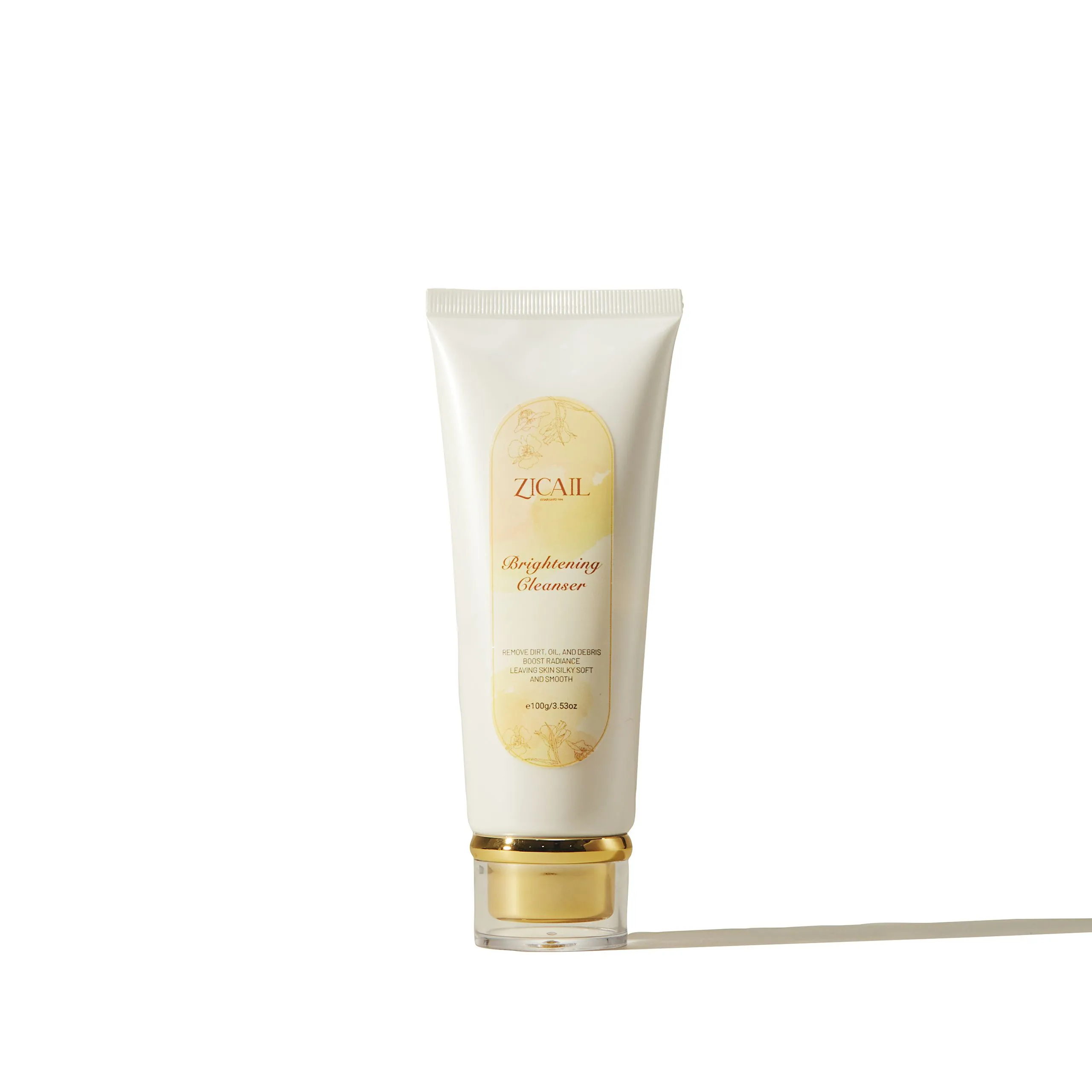
Oily or Acne-Prone Skin
Oil cleanse: Lightweight cleansing oils or gels that rinse clean
Second cleanse: Foaming or gel cleansers with mild surfactants
Look for labels like non-comedogenic and avoid heavy fragrance
These formulas help remove excess oil and buildup without leaving residue behind.
Dry or Sensitive Skin
Oil cleanse: Creamy cleansing oils, balms, or gentle micellar water
Second cleanse: Hydrating, low-foam or cream cleansers
Prioritize barrier-supporting ingredients and fragrance-free formulas
Gentle textures help prevent tightness and irritation during cleansing.
Combination or Normal Skin
Oil cleanse: Lightweight oils or balms
Second cleanse: Mild gel or cream cleansers
Balanced formulas work well across different areas of the face
You can also adjust products by zone—lighter on oily areas, richer on dry ones.
Ingredients & Formulas to Be Cautious With
Harsh sulfates that leave skin feeling tight or squeaky
Strong fragrance or essential oils if your skin is reactive
High-alcohol formulas that can disrupt barrier balance
Professional tip: If your skin feels dry or irritated after cleansing, the cleanser—not the double-cleanse method—is usually the issue.
Common Mistakes & How to Avoid Them
Double cleansing works best when it’s gentle and intentional.
These common mistakes can reduce benefits—or irritate your skin.
Over-Cleansing
Cleansing too often, or double cleansing both morning and night, can strip natural oils.
Fix: Reserve double cleansing for the evening. Keep mornings simple with one gentle cleanse.
Using Two Harsh Cleansers
Pairing a strong oil cleanser with a strong foaming cleanser can disrupt the skin barrier.
Fix: Balance textures—if one step is more active, keep the other mild.
Scrubbing or Rushing
Aggressive massage or rushing through steps increases irritation without improving results.
Fix: Use light pressure and take 30–60 seconds per step.
Hot Water
Hot water can worsen dryness and sensitivity.
Fix: Use lukewarm water for both rinses.
Skipping Moisturizer Afterward
Cleansing resets the skin; skipping moisturizer can leave it vulnerable.
- Fix: Apply moisturizer on slightly damp skin to lock in hydration.
Alternatives to Double Cleansing (Optional)
Double cleansing isn’t required every day.
On lighter makeup days or when skin feels sensitive, these simpler options can be enough.
Simpler Cleansing Options
Single gentle cleanse (micellar water)
Best for minimal makeup or morning routines. Choose fragrance-free formulas.Makeup wipes + water cleanser
Useful for travel or late nights. Use gently—avoid rubbing.Oil wipes + mild cleanser
A lower-friction option for sensitive skin that doesn’t tolerate full oil cleansing.
Quick reminder: If skin feels clean, calm, and comfortable afterward, the routine is doing its job.
When to Seek Professional Advice
Cleansing should support your skin—not cause ongoing problems.
Consider seeing a dermatologist or skincare professional if you notice any of the following:
Persistent irritation, tightness, or dryness that doesn’t improve after switching to gentler products or reducing frequency
Existing skin conditions (such as eczema or rosacea) that flare up after changing your cleansing routine
Unexplained breakouts or rashes that begin after introducing double cleansing and don’t settle within a few weeks


 EN
 JA
