

Pyruvic acid is becoming a popular ingredient in skincare. It’s a natural acid found in fruits and in our bodies. When used on the skin, it helps remove dead cells, clear excess oil, and make skin look smoother and brighter. Many people like it because it gives quick results without too much redness or irritation.
Compared with other acids like glycolic or salicylic acid, pyruvic acid works deeper but is still gentle. It can help with acne, uneven tone, and fine lines, making it great for different skin types. In this article, we’ll explain how pyruvic acid works, what it does for your skin, and how to use it safely for the best results.
How Pyruvic Acid Works on the Skin
Pyruvic acid is a small, water- and oil-soluble molecule, which means it can pass easily through the outer layer of the skin. With a moderate pKa value of about 2.5, it’s slightly stronger than many alpha hydroxy acids (AHAs).

1. Gentle Exfoliation and Skin Renewal
Pyruvic acid loosens the bonds that hold dead skin cells together. Once these cells shed, the surface becomes smoother and brighter. This renewal process also helps fade dark spots and improve uneven texture over time.
2. Antimicrobial and Acne-Fighting Action
It has natural antibacterial properties that help reduce acne-causing bacteria on the skin. By keeping pores clear and reducing inflammation, pyruvic acid can minimize breakouts and calm redness.
3. Oil Control and Sebum Balance
Unlike many AHAs that only work on the surface, pyruvic acid can reach deeper into pores to regulate oil production. This makes it especially effective for oily or congested skin that struggles with shine and clogged pores.

4. Boosting Collagen and Elasticity
Studies show that pyruvic acid can stimulate collagen and elastin production in the dermis. With regular use, it supports firmer, smoother, and more elastic skin — one reason it’s often used in anti-aging treatments.
5. Antioxidant and Anti-Inflammatory Effects
Pyruvic acid also helps protect skin from oxidative stress caused by pollution, UV rays, and daily damage. It soothes inflammation and supports skin repair, promoting a healthier, more even tone.
6. Improving Pigmentation and Brightness
By speeding up cell turnover and slowing melanin buildup, pyruvic acid can lighten mild pigmentation and post-acne marks. Over time, the skin appears more even and radiant.
Comparing Pyruvic Acid to Other Peel Acids
If you’ve ever tried a chemical peel or read product labels, you’ve probably seen acids like glycolic, lactic, salicylic, or TCA. Each acid works in its own way, and knowing their differences helps you choose what’s right for your skin.

| Acid | Main Benefits | Drawbacks | Best For |
|---|---|---|---|
| Glycolic Acid | Smooths rough skin, brightens tone | Can sting or irritate | Dull or uneven skin |
| Lactic Acid | Gently exfoliates, adds hydration | Mild, less effective for acne | Dry or sensitive skin |
| Salicylic Acid | Clears pores, fights acne | Can dry or flake skin | Oily or acne-prone skin |
| TCA | Reduces wrinkles, scars, dark spots | Strong, needs recovery time | Mature or damaged skin |
| Pyruvic Acid | Exfoliates, controls oil, boosts collagen | May sting if too strong | Oily, aging, or uneven skin |
Formulations & Product Use: From Clinic to Home
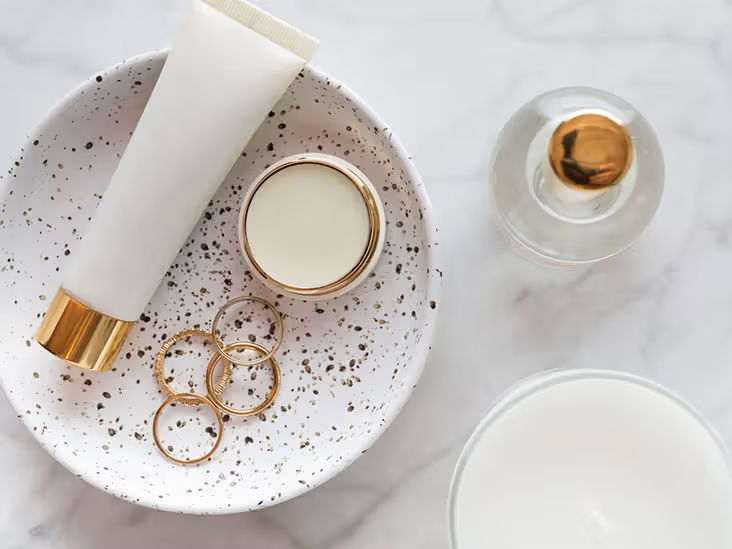
Pyruvic acid comes in many forms. In clinics, dermatologists use strong peel solutions or gels (40–70%) for quick, deep renewal. These are applied for a few minutes, then neutralized. At home, you’ll find gentler serums or toners that help keep skin smooth and bright with regular use.
Common types:
Peels & gels: For professional or advanced users.
Serums & creams: For daily or weekly use.
Buffered systems: Adjusted pH to reduce irritation.
Typical concentration:
Clinic: 40–70% (short contact time).
Home: lower levels, safer for sensitive skin.
Formulation challenges:
Pyruvic acid is strong and a bit unstable. Brands must control pH, buffering, and packaging to keep it effective and gentle.
Smart combinations:
With salicylic acid for oily, acne-prone skin.
With lactic or glycolic acid for smoother texture.
With peptides or hyaluronic acid to repair and hydrate.
Dermatologist tip:
Always start low, use sunscreen daily, and never mix strong acids at once. Pyruvic acid works best when introduced slowly and supported by soothing, barrier-repair products.
How to Use Pyruvic Acid Safely and Effectively
Using pyruvic acid the right way helps you get smooth, bright skin without irritation. Follow these simple steps to stay safe.

1. Check your skin first
Pyruvic acid works well for oily or aging skin. If your skin is dry or sensitive, start slowly. Always do a small patch test and wait 24 hours to see how your skin reacts.

2. Prepare your skin
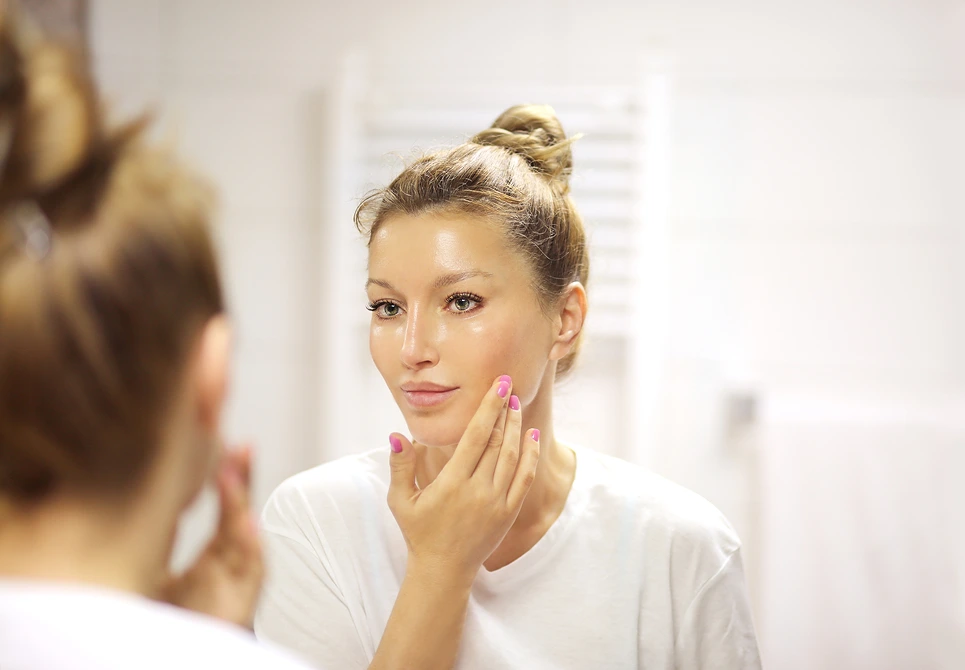
Clean your face well before use. Remove makeup and oil. Protect sensitive areas like your eyes, nose, and mouth with a little cream or petroleum jelly.
3. Apply carefully
Use as directed on the product label. Leave it on for only a few minutes (2–4 minutes for professional peels). Do not use too much or apply more than once in a session.
4. Rinse and neutralize
Rinse your skin well with cool water after use. Some stronger products may need a neutralizer, but for most home peels, water works fine.

5. Soothe and hydrate
After rinsing, apply a gentle moisturizer to calm the skin. Avoid other strong products like retinol or scrubs for a few days.

6. Protect from the sun
Always use sunscreen (SPF 30 or higher). Your skin will be more sensitive after peeling, and sun protection keeps it healthy and bright.
7. Use frequency
Clinic peels: every 2–4 weeks.
Home products: once or twice a week.
Use less often if your skin feels dry or tight.
Ready to Experience the Power of Pyruvic Acid?
Pyruvic acid is a smart skincare ingredient that offers both deep exfoliation and gentle care. It helps remove dead cells, control oil, fade dark spots, and boost collagen, giving your skin a smoother and brighter look. With the right use, it can improve acne, texture, and fine lines without causing strong irritation.
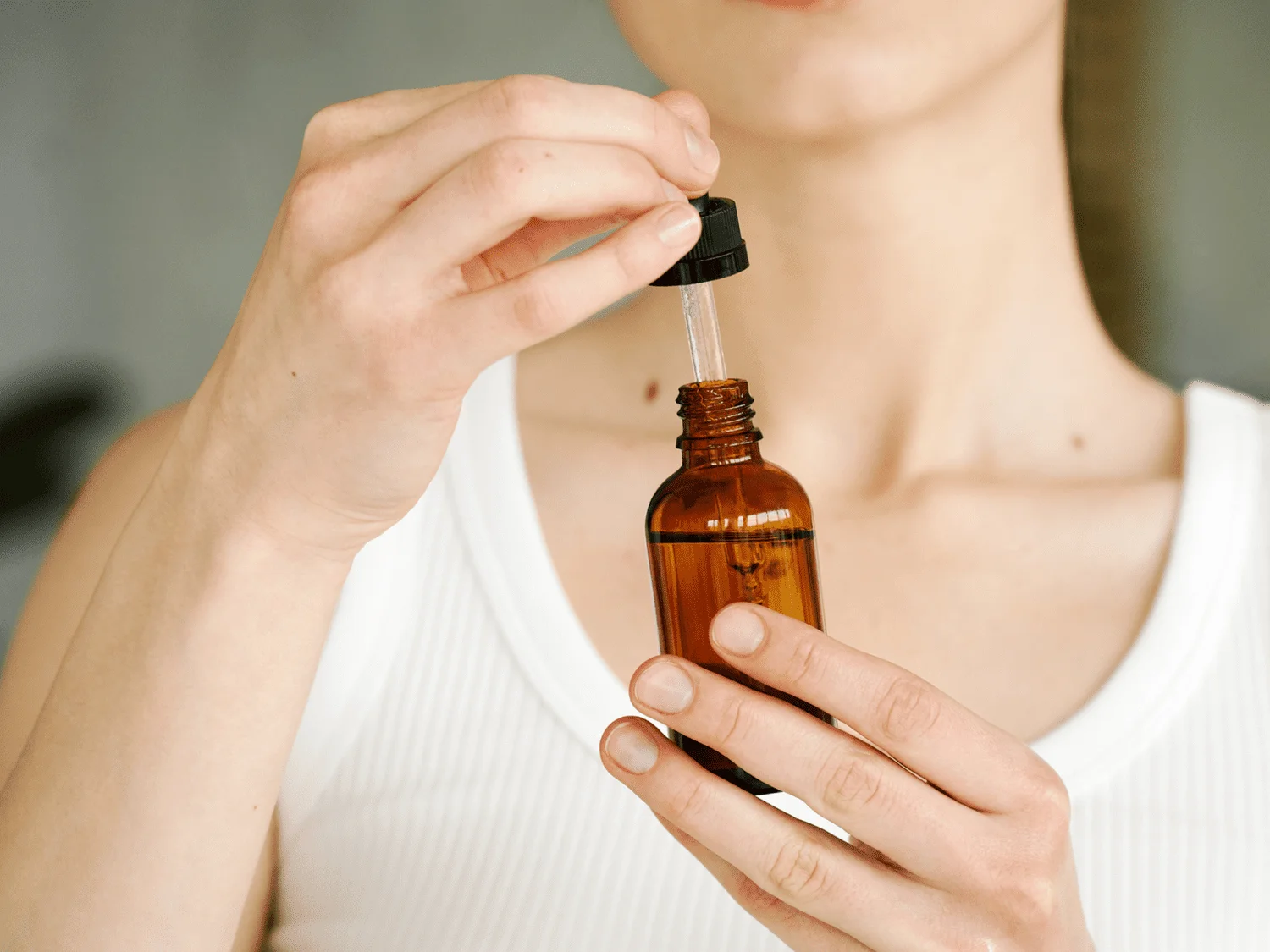
Ready to see the difference? Explore our safe and effective pyruvic acid skincare products designed for visible results and healthy, glowing skin. Contact us today to get expert advice or find the perfect formula for your needs!


 EN
 JA
