

Fermented oils are gaining popularity in skincare because they hydrate and nourish the skin more effectively. The fermentation process breaks the oil into smaller molecules, allowing your skin to absorb it better, leading to a healthy, glowing complexion.
In K-beauty, fermented ingredients like rice and ginseng have been used for centuries to improve skin health. Today, these oils are known for their anti-aging and brightening effects, making them a key part of many skincare routines.
What Are Fermented Oils?

Fermented oils are oils that have been broken down by natural fermentation, making them easier for your skin to absorb. This process helps the oil penetrate deeper, offering better hydration and nourishment for your skin.
Common ingredients used in fermentation include rice, ginseng, and mushrooms. These ingredients are great for the skin on their own, but when fermented, they become even more powerful. Rice brightens the skin, ginseng fights aging, and mushrooms provide deep hydration.
Fermented Oils vs. Unfermented Oils
The main difference between fermented and unfermented oils is how well they absorb into the skin. Fermented oils are broken down into smaller molecules, allowing them to penetrate deeper and work more effectively. They also contain more active ingredients, making them better for addressing issues like aging, dryness, and uneven skin tone.
Key Benefits of Fermented Oils

Enhanced Absorption
Fermented oils are broken down into smaller molecules, allowing them to penetrate deeper into the skin. This means the skin can absorb more nutrients, providing better hydration and nourishment.
Microbiome Support
Fermented oils help maintain a healthy skin microbiome by promoting the growth of beneficial bacteria. This helps reduce inflammation and sensitivity, leading to calmer, healthier skin.
Increased Potency
The fermentation process increases the effectiveness of active compounds in the oil. This means that fermented oils can deliver more powerful results, helping to target specific skin concerns like wrinkles, pigmentation, and dryness.
Antioxidant Properties
Fermented oils are rich in antioxidants, which help protect the skin from environmental stressors like pollution and UV rays. This helps prevent premature aging and skin damage.
Natural Preservation
Fermentation acts as a natural preservative, which can extend the shelf life of the oil without the need for synthetic chemicals. This makes fermented oils a more natural and eco-friendly option in your skincare routine.
How to Incorporate Fermented Oils into Your Skincare Routine

Incorporating fermented oils into your skincare routine is easy and effective. Here’s a simple guide on how to get the most out of these nourishing oils.
Layering Techniques for Best Results
To use fermented oils, start by applying a toner to balance your skin’s pH. Follow up with a serum to target specific concerns, like fine lines or pigmentation.
Finally, apply the fermented oil as the last step in your routine. This helps lock in moisture and enhances the benefits of the other products.
Pairing with Complementary Ingredients
Fermented oils work beautifully when paired with other hydrating and skin-repairing ingredients like hyaluronic acid or ceramides.
Hyaluronic acid helps draw moisture into the skin, while ceramides strengthen the skin barrier, making them a great match for fermented oils that nourish and repair.
Frequency of Use and Patch Testing
For most skin types, you can use fermented oils once or twice daily. However, if you have sensitive skin, start with a patch test before using it on your entire face.
Apply a small amount to your wrist or behind your ear and wait 24 hours to ensure there’s no irritation. This will help you enjoy all the benefits without any unwanted reactions.
Popular Fermented Oil Ingredients
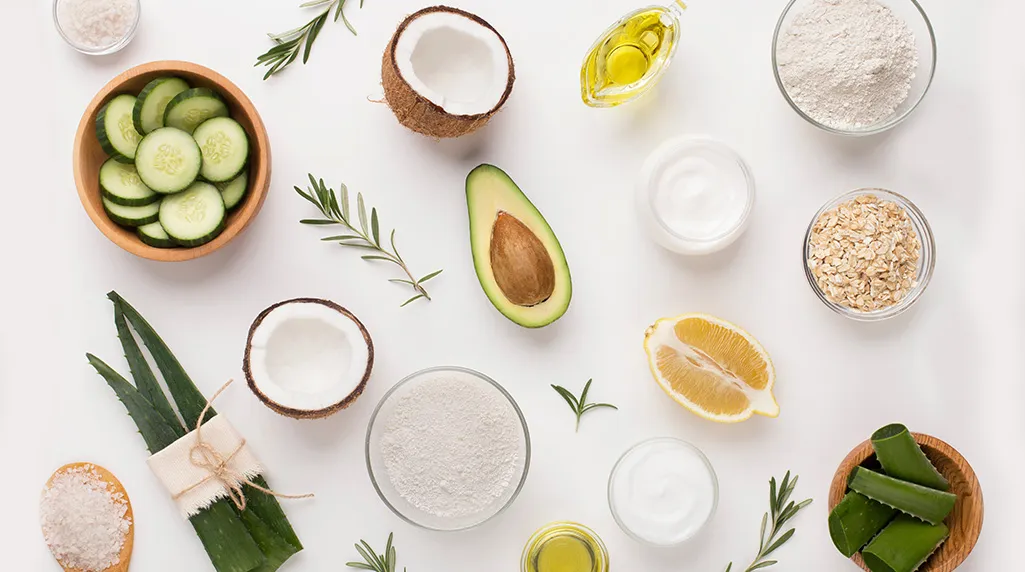
Several fermented oils are known for their amazing skincare benefits. Let’s take a look at some of the most popular ones.
1. Rice Bran Oil
Rice bran oil is packed with vitamins and antioxidants. It helps brighten and hydrate the skin. When fermented, it becomes more effective, providing deeper moisture and anti-aging benefits.
2. Ginseng Extract
Ginseng is great for reducing fine lines and boosting skin elasticity. Fermenting ginseng increases its effectiveness, making it better at fighting aging and giving your skin a healthy glow.
3. Mushroom Extracts
Mushrooms like shiitake and reishi are full of antioxidants. They calm irritated skin and provide deep hydration. When fermented, they help your skin repair itself and look more balanced.
4. Galactomyces Ferment Filtrate
This fermented yeast extract brightens skin, evens out skin tone, and improves texture. It helps other ingredients in your skincare routine work even better.
5. Sake Kasu
Sake kasu is the leftover residue from sake brewing. It’s rich in amino acids and antioxidants, helping to brighten and moisturize the skin. When fermented, it becomes even more hydrating and soothing for a soft, glowing complexion.
Potential Side Effects and Considerations

While fermented oils offer many benefits, it’s important to be aware of a few considerations when incorporating them into your skincare routine.
Possible Irritation for Sensitive Skin Types
If you have sensitive skin, fermented oils may cause irritation or breakouts. It’s always a good idea to patch test any new product to ensure it doesn’t cause any reactions. Start by applying a small amount to a small area of your skin and wait 24 hours to check for any irritation.
Importance of Sourcing and Formulation Quality
Not all fermented oils are created equal. The quality of the ingredients and the fermentation process matters. Low-quality oils may not deliver the same benefits, or worse, may cause skin irritation. Always choose products from reputable brands that source their ingredients responsibly and ensure good formulation practices.
Consulting with Dermatologists if Unsure
If you’re unsure about using fermented oils, especially if you have existing skin concerns or conditions, it’s always best to consult with a dermatologist. They can help you determine if fermented oils are suitable for your skin type and recommend the best products for your specific needs.


 EN
 JA
