

Xylitol, a natural sugar alcohol, is becoming a popular ingredient in skincare. Known for its ability to hydrate the skin, it attracts moisture from the air and helps keep your skin plump and moisturized.
In addition to hydration, xylitol supports the skin barrier and helps maintain a healthy microbiome. It’s also great for sensitive skin and is now commonly found in products like moisturizers, serums, and cleansers. Xylitol is definitely worth adding to your skincare routine for smoother, healthier skin.
What is Xylitol?
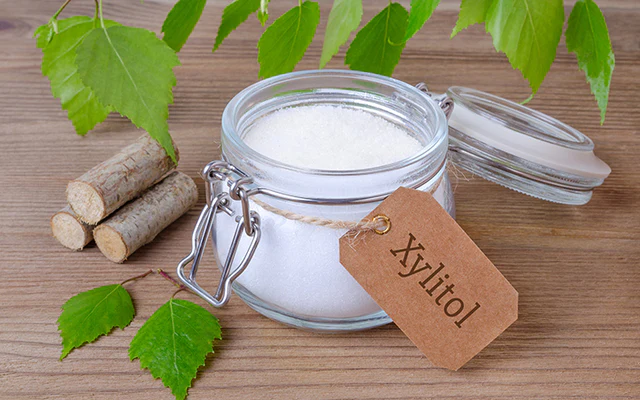
Xylitol is a sugar alcohol found naturally in fruits, vegetables, and plants. It occurs in strawberries, bananas, birch wood, and corn cobs, among others. While it’s commonly used as a sugar substitute, it’s also valuable in skincare.
In skincare, xylitol acts as a humectant, meaning it attracts moisture to the skin and helps keep it hydrated. It also helps strengthen the skin barrier, protecting the skin from environmental stress.
Key Benefits of Xylitol in Skincare

- Hydration & Moisture Retention: Xylitol acts as a powerful humectant, drawing moisture to your skin and locking it in. By preventing transepidermal water loss (TEWL), it helps keep your skin plump, hydrated, and looking healthy.
- Strengthens Skin Barrier: Xylitol supports the production of filaggrin, a key protein for the skin’s barrier function. This helps improve moisture retention and shields your skin from environmental stressors, keeping it strong and protected.
- Antimicrobial Properties: Xylitol helps reduce acne-causing bacteria like P. acnes, without stripping your skin’s natural oils. It also helps maintain a balanced skin microbiome, making it especially beneficial for breakout-prone skin.
- Anti-Aging Effects: Xylitol promotes collagen production, which improves skin firmness and helps soften fine lines. As an antioxidant, it also protects your skin from free radicals that accelerate aging, helping you maintain a youthful appearance.
- Soothing & Calming: Xylitol has soothing properties that help calm redness and irritation, making it perfect for post-treatment care after exfoliation or sun exposure, leaving your skin feeling refreshed and comfortable.
How Xylitol Works on the Skin
Xylitol as a Humectant and Antimicrobial Agent
Xylitol works as a humectant, drawing moisture into the skin and keeping it hydrated. It also helps prevent water loss, ensuring your skin stays moisturized and healthy.
Additionally, xylitol has antimicrobial properties, which help reduce acne-causing bacteria without stripping the skin’s natural oils.
Hydration and Elasticity
Xylitol boosts the skin’s hydration and helps improve elasticity, making the skin firmer and reducing the appearance of fine lines. It also supports collagen production, which keeps the skin looking youthful.
Safety Considerations: Why Patch Testing is Important
While xylitol is generally safe for most skin types, it’s a good idea to patch-test products if you have sensitive skin. This simple test ensures you won’t experience any irritation or allergic reactions.
Xylitol in Skincare Products: Best Uses
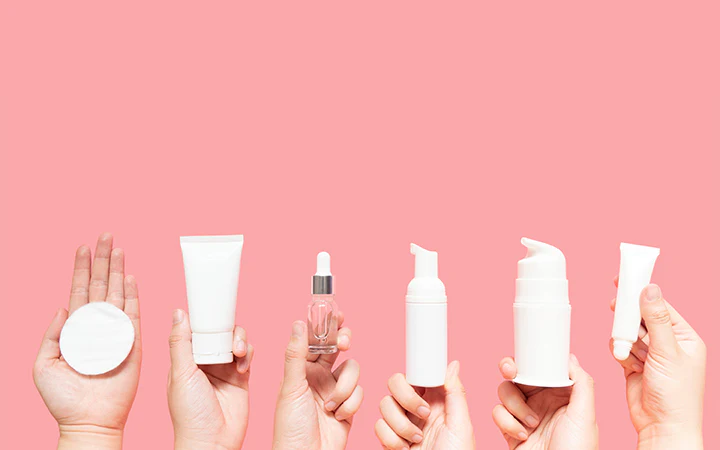
- Moisturizers: Xylitol is great for dry and sensitive skin. It helps keep your skin hydrated and soft by attracting moisture and locking it in.
- Cleansers: In cleansers, xylitol helps maintain your skin’s moisture balance while removing impurities, leaving your skin feeling fresh without drying it out.
- Sunscreens: Xylitol in sunscreens boosts hydration and helps protect your skin from the drying effects of UV exposure, keeping it moisturized and shielded.
- Masks and Serums: When used in masks and serums, xylitol targets specific skincare concerns, improving hydration and skin texture, especially for issues like dryness or fine lines.
- Recommended Product Types: Look for moisturizers, cleansers, sunscreens, and masks with xylitol to boost hydration and improve skin health.
How to Incorporate Xylitol into Your Skincare Routine

Facewash:
Start your routine with a gentle, hydrating cleanser that contains xylitol. It will help remove impurities while maintaining your skin’s moisture balance, leaving your skin feeling fresh and hydrated without any dryness.
Moisturizer:
For the next step, choose a non-greasy, hydration-focused formula. A moisturizer with xylitol will help lock in moisture and keep your skin plump and soft throughout the day, making it ideal for dry or sensitive skin.
Sunscreen:
When selecting a sunscreen, opt for a lightweight, moisturizing formula with xylitol. It will help protect your skin from UV exposure while ensuring it stays hydrated and protected from the drying effects of the sun.
Combination with Other Ingredients:
Xylitol works well with many other skincare ingredients, such as hyaluronic acid and glycerin, both of which enhance hydration. When used together, these ingredients provide a boost in moisture retention, leaving your skin feeling nourished and healthy.
Potential Side Effects and Considerations
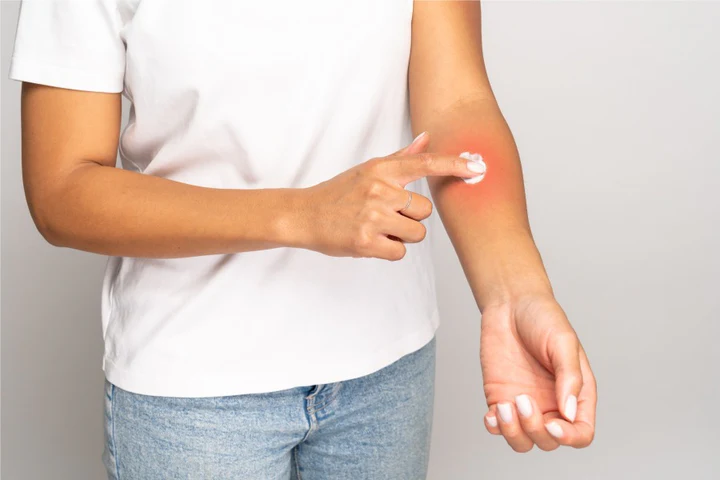
Patch Testing:
Before using a product with xylitol, it’s always a good idea to patch-test. This is especially important if you have sensitive skin.
By testing a small amount of product on a discreet area, you can ensure your skin won’t react negatively to it. This simple step helps prevent any potential irritation or allergic reactions.
Rare Side Effects:
While xylitol is generally safe for most skin types, in rare cases, it may cause mild irritation for those with extremely sensitive skin.
If you notice any discomfort or redness after applying a product with xylitol, it’s best to discontinue use and consult with a dermatologist.
Xylitol in Excess:
While xylitol is safe for topical use, ingesting it in large amounts can cause digestive issues. However, using it on your skin poses no such risks. Just avoid swallowing products containing xylitol.
Conclusion
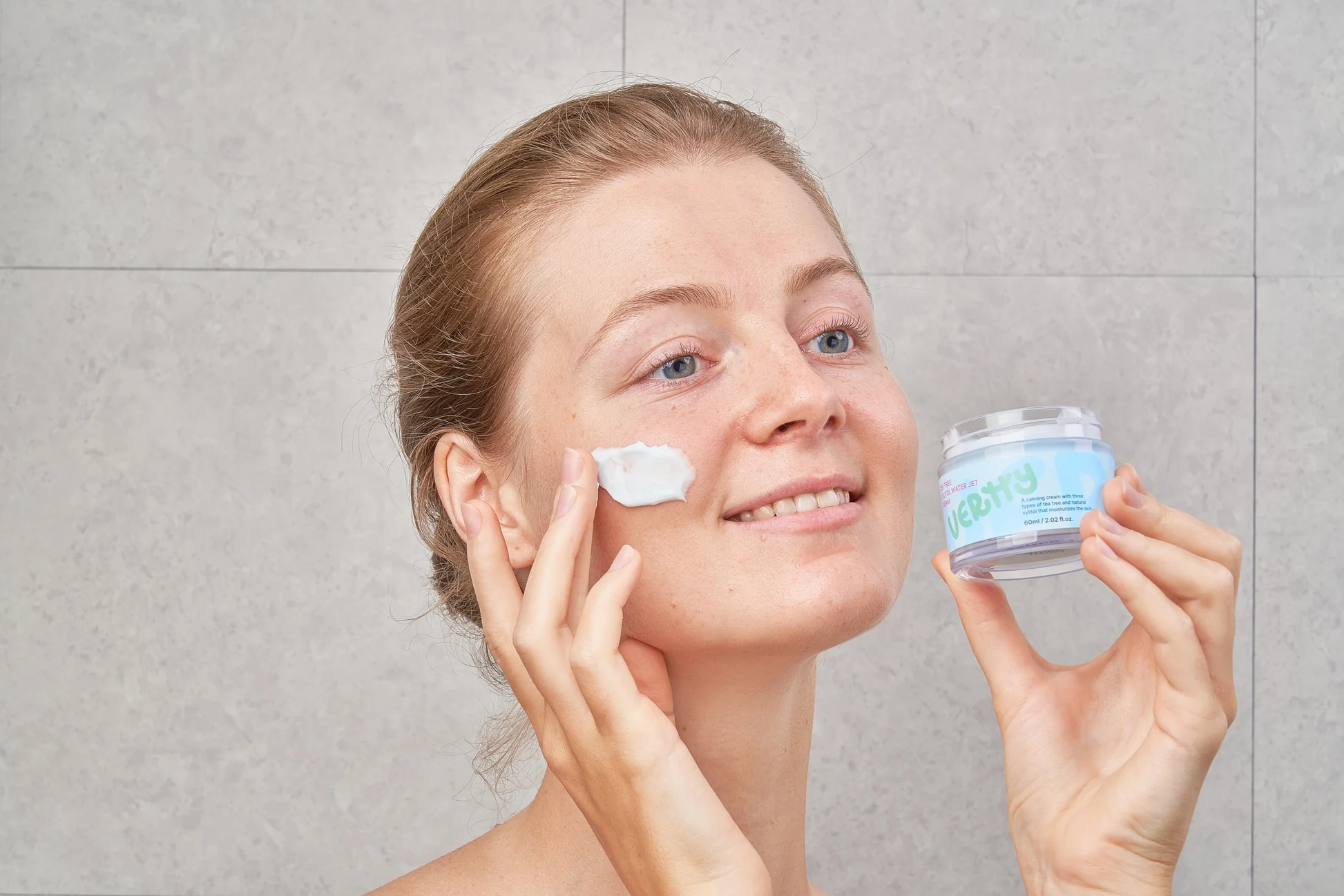
Xylitol is a valuable skincare ingredient with many benefits. It helps hydrate the skin, support the skin barrier, and fight acne-causing bacteria. It also improves skin elasticity, making it an excellent choice for keeping your skin firm and youthful.
To achieve healthier, hydrated skin, try products with xylitol. Whether in moisturizers, cleansers, or sunscreens, it can improve your skin’s appearance. Explore Zicail’s products and find the best xylitol-based skincare for your needs.
FAQs About Xylitol in Skincare
What is xylitol and how does it work in skincare?
Xylitol is a sugar alcohol found in fruits and vegetables. In skincare, it acts as a humectant, drawing moisture to the skin and locking it in. It also supports the skin barrier, helps reduce acne-causing bacteria, and has anti-aging benefits.
Is xylitol safe for all skin types?
Yes, xylitol is generally safe for most skin types, including sensitive skin. However, if you have extremely sensitive skin, it’s always a good idea to patch-test before using products containing xylitol.
Can xylitol help with acne?
Yes, xylitol has antimicrobial properties that help reduce acne-causing bacteria on the skin’s surface. It helps maintain a balanced skin microbiome, which can be beneficial for those prone to breakouts.
Does xylitol have anti-aging benefits?
Yes, xylitol can help with anti-aging by promoting collagen production, improving skin elasticity, and softening fine lines. It also acts as an antioxidant, protecting the skin from free radicals that can cause premature aging.
How do I incorporate xylitol into my skincare routine?
You can find xylitol in various skincare products like moisturizers, cleansers, sunscreens, and serums. Look for products that focus on hydration and barrier protection to enjoy its full benefits.


 EN
 JA
