

Choosing sunscreen isn’t just about SPF numbers or picking your favorite brand—it’s also about finding the right format that fits into your routine. And when it comes to convenience and comfort, sunscreen sticks and sprays are two of the most popular options on the market today.

Each has its own strengths: one is compact and precise, while the other is fast and easy to apply. So how do you decide between them? In this article, we’ll break down everything you need to know about sunscreen stick vs. spray to help you make the best choice for your skin and lifestyle.
What Is a Sunscreen Stick?

A sunscreen stick is a solid form of sunscreen that you apply by swiping it directly onto your skin. It’s made with a wax or oil base, so it glides on smoothly and stays in place. No squeezing or spraying—just twist, swipe, and go.
Sunscreen sticks are best for small or delicate areas like the face, ears, or tattoos. Their solid format allows more controlled application, which many people find helpful for precise use and quick touch-ups.
Advantages of Sunscreen Sticks
- Targeted Application: Sunscreen sticks excel at providing precise coverage. They’re perfect for your face, nose, and ears, where extra attention is needed.
- Portability: Their compact size makes them great for on-the-go use. Toss one in your bag, and you’re ready for any adventure—no spills or mess!
- Controlled Amounts: You can easily control how much you apply, minimizing waste and encouraging thoughtful use.
Drawbacks of Sunscreen Sticks
- Coverage Limitations: While they’re fantastic for small areas, applying them to larger sections can be time-consuming and may lead to uneven coverage.
- Potential Greasiness: Some users find sticks to feel heavy or greasy, especially in hot weather.
- Rubbing-In Requirement: You often need to rub the product in for even coverage, which may only be convenient for some.
What Is a Sunscreen Spray?

A sunscreen spray is a liquid sunscreen that comes in an aerosol or pump bottle. It sprays out as a fine mist, which makes it quick and easy to apply. The formula usually includes alcohol or silicone to help it dry fast without feeling heavy.
Sprays are best for covering large areas, like your arms, legs, or back. They’re super handy for beach days, outdoor activities, or touch-ups on the go.
Advantages of Sunscreen Sprays
- Quick and Convenient: Spray sunscreens are perfect for busy lifestyles. You can cover your body in seconds, making them ideal for the beach or outdoor activities.
- Easy Application in Hard-to-Reach Areas: Sprays are great for applying sunscreen on your back or other tricky spots without assistance.
- Lightweight Feel: Many users appreciate the light, non-greasy finish sprays provide, making them feel more comfortable in warm weather.
Drawbacks of Sunscreen Sprays
- Inhalation Risks: One concern with sprays is the potential for inhaling the product, especially for children and pets. Always apply in well-ventilated areas!
- Uneven Coverage: Ensure even application can be tricky, which might lead to missed spots—nobody wants to discover a sunburn later!
- Environmental Impact: Some spray sunscreens use aerosol propellants or additional packaging, which may raise environmental concerns for certain users. Non-aerosol or refillable options are also available.
Sunscreen Stick vs. Spray: Key Differences
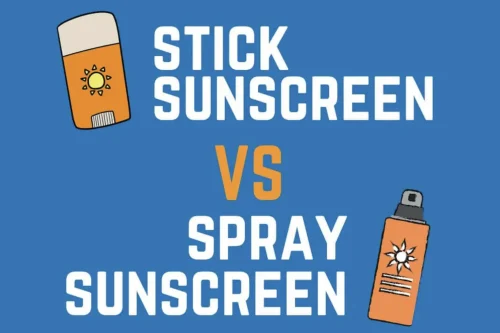
Both sunscreen sticks and sprays do a great job at protecting your skin—but they work a little differently. Whether you care more about easy application, skin sensitivity, or eco-friendliness, knowing their differences can help you pick what fits your lifestyle best.
Here’s a quick side-by-side comparison to make your decision easier:
| Feature | Sunscreen Stick | Sunscreen Spray |
|---|---|---|
| Application | Swipe directly on skin | Spray over large areas |
| Coverage | Best for small spots | Great for full-body coverage |
| Skin Type | Often preferred for sensitive areas | May feel less suitable for very sensitive skin |
| Feel | Thicker, can feel greasy | Light, dries quickly |
| Reapplication | Lasts longer, but still needs touch-ups | Needs more frequent reapplication |
| Environment | No aerosol, less impact | Aerosol can affect air quality |
| Travel-Friendly | Compact and TSA-approved | May be restricted on flights |
Application
Sunscreen sticks allow precise, controlled application for small or delicate areas like the face, nose, and ears.
Sunscreen sprays are faster to apply and work best for covering large body areas quickly.
Coverage
Sunscreen sticks are best for targeted coverage on smaller areas such as the face, hairline, or tattoos.
Sunscreen sprays are better suited for full-body coverage, especially during outdoor activities.
Skin Type
Sunscreen sticks are often chosen for sensitive or acne-prone areas because their solid texture allows more controlled application and reduces the chance of product spreading into the eyes.
Sunscreen sprays may feel lighter on the skin but can cause dryness or irritation if they contain alcohol or fragrance.
Feel (Texture & Finish)
Sunscreen sticks tend to feel thicker on the skin and may leave a more noticeable finish.
Sunscreen sprays usually dry quickly and leave a lighter, less noticeable feel.
Reapplication
Thanks to their thicker texture, sticks may stay on longer, especially in water or during sweating. However, they still require reapplication every 2 hours like any sunscreen.
Sprays may wear off faster, so reapplication is especially important after swimming, sweating, or towel drying.
Environmental Impact
Sunscreen sticks typically use non-aerosol packaging and are often available in recyclable formats, which some users prefer for environmental reasons.
Spray sunscreens—especially aerosol versions—may involve propellants and additional packaging, which has led some consumers to consider non-aerosol or alternative formats.
Portability & Travel
Sticks are TSA-approved, spill-proof, and easy to carry in your bag or pocket. They’re great for travel or keeping in the car for quick touch-ups.
Sprays may be restricted on flights, especially if they’re aerosol-based or larger than 100ml. They’re also bulkier to carry around.
Choosing Between Stick and Spray: 5 Quick Checks

Still unsure which sunscreen format is right for you? Don’t worry—choosing between a stick and spray really comes down to your personal habits and lifestyle.
Here are five simple things to keep in mind before you buy:
Skin Type
Your skin type matters.
If you have dry skin, go for a stick that contains moisturizing ingredients like shea butter or oils.
For oily or acne-prone skin, sprays with a lightweight, oil-free formula are often more comfortable.
If your skin is sensitive, many people prefer mineral-based sunscreen sticks because the solid format offers more controlled application and is easier to apply around delicate areas.
Activity Level & Location
What you’re doing and where you’re going can affect your choice.
Planning a beach day or outdoor workout? A spray might be easier for quick, full-body coverage.
On the other hand, if you’re just running daily errands or need spot protection during a hike, a compact stick is perfect for touch-ups on the go.
Ease of Reapplication
Reapplying sunscreen is key—especially when you’re sweating, swimming, or spending hours outside.
Sprays are great for fast reapplication, especially on large areas like your arms or legs.
Sticks work well for reapplying to the face, ears, or small areas without making a mess.
Environmental Awareness
Want to be kind to the planet too?
Look for reef-friendly formulas that avoid certain UV filters restricted in specific regions.
Sunscreen sticks often use non-aerosol packaging, which some consumers prefer when considering packaging waste. If you prefer sprays, non-aerosol formats and recyclable materials are available as well.
Travel Needs
If you travel often, keep size and airline rules in mind.
Sticks are TSA-approved, leak-proof, and super easy to toss in your bag.
Sprays—especially aerosols—can be restricted in carry-on luggage and are usually bulkier, so check the rules before you fly.
When to Use Each: Use Case Scenarios
Not sure when to grab a stick or spray? Let’s break it down with some everyday examples to help you decide what works best in different situations.
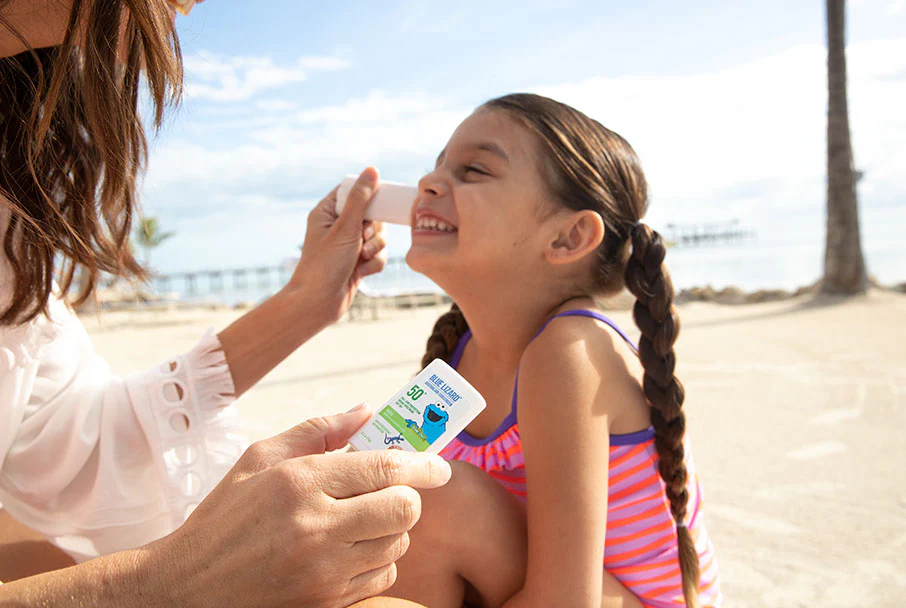
When to Use a Sunscreen Stick
Sunscreen sticks shine in everyday use, especially for small or sensitive areas. They’re perfect for:
Daily facial protection—easy to apply and won’t run into your eyes.
Touch-ups on the nose, ears, or around the eyes.
Kids and toddlers, since they’re less messy and more controlled.
People with sensitive or acne-prone skin, thanks to gentle formulas.

When to Use a Sunscreen Spray
Sprays are your go-to when you need quick, even coverage—especially when you’re short on time or out and about. Great for:
Outdoor sports or beach days, when full-body coverage is a must.
Applying sunscreen to your back or shoulders without help.
Quick reapplication during hikes, workouts, or between swims.
Can You Use Both Together?
Absolutely! In fact, many people do. A smart combo is to use a stick for your face and other small areas, and a spray for your body. This gives you precise protection where it matters and fast coverage everywhere else—the best of both worlds!
Format Trends in Modern Sunscreen Products

Sunscreen formats have expanded in recent years, reflecting changes in usage habits and product design. As skincare continues to evolve, sun protection products are getting smarter, more skin-friendly, and better for the planet. Here are a few exciting trends to keep an eye on:
Hybrid Sunscreens Are on the Rise
Some sunscreen products are now designed to combine features from different formats, such as the precision of a stick with the spreadability of a spray or lotion.
These hybrid formats aim to offer flexibility in application rather than replace traditional options. For users who switch between face and body use or different activities, hybrid designs can be a practical alternative.
Mineral Formulas with Skincare Benefits
Some mineral sunscreens now include additional skincare ingredients such as antioxidants, humectants, or barrier-supporting components.
These additions are intended to improve skin comfort during wear, especially for users with sensitive or easily irritated skin. However, their primary role remains sun protection, not replacing a full skincare routine.
Eco-Friendly and Reef-Safe Options
Some brands are adjusting sunscreen packaging and ingredient choices in response to regional regulations and consumer preferences. This may include non-aerosol packaging, recyclable materials, or formulas that avoid certain UV filters restricted in specific locations.
These changes reflect differences in regulatory standards and user priorities rather than a single universal standard for all products.
Conclusion
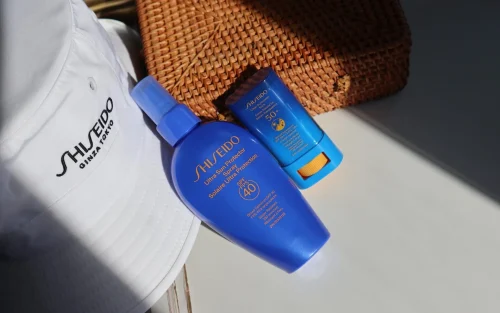
At the end of the day, there’s really no one-size-fits-all sunscreen. Both sticks and sprays offer great protection—you just need to pick the one that suits your skin type, routine, and preferences. Whether you like the mess-free control of a stick or the speed of a spray, the most important thing is to use sunscreen consistently.
Looking for sun protection that checks all the boxes—skin-friendly, effective, and eco-conscious? Zicail offers a range of sunscreen solutions to fit your everyday needs. Feel free to reach out to our team for personalized product advice or to explore our latest formulations. We’re here to help you stay protected, wherever life takes you!


 EN
 JA
