

Protecting your skin from the sun is important for keeping it healthy and avoiding damage. UV rays can cause sunburn, premature aging, and even increase the risk of skin cancer, so using sunscreen is a must.
One of the best ingredients for sun protection is zinc oxide. Unlike chemical UV filters, zinc oxide forms a protective layer on the skin’s surface that reflects and scatters UV rays. In this guide, we’ll explain how zinc oxide works and why it’s a great choice for protecting your skin.
What Is Zinc Oxide?
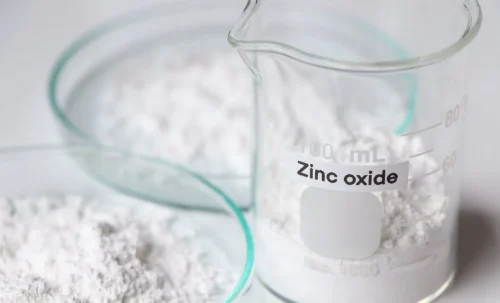
Zinc oxide is a natural mineral compound that’s been trusted for centuries in skincare, especially when it comes to sun protection. You’ll often find it as the main active ingredient in mineral (or physical) sunscreens—the kind that forms a barrier on your skin rather than soaking into it.
What makes zinc oxide different from chemical sunscreen filters is how it works.
While chemical sunscreens absorb into your skin and then absorb UV rays (turning them into heat), zinc oxide sits on top of the skin and reflects UV rays away like a mirror.
This physical action is why zinc oxide starts protecting your skin immediately after application—no wait time needed.
Because it doesn’t penetrate the skin, it’s often chosen for sensitive skin, acne-prone skin, and even baby sunscreens. It’s gentle, effective, and a go-to for those who want a more natural and skin-friendly approach to sun care.
How Zinc Oxide Works in Sunscreen

It Stays on the Skin’s Surface
Zinc oxide doesn’t soak into your skin. Instead, it sits on top like a light, invisible layer. This is why it’s called a mineral or physical sunscreen.
Because it stays on the surface, it’s less likely to irritate your skin—great for people with sensitive or acne-prone skin.
It Reflects and Scatters UV Rays
Zinc oxide acts like a mirror for your skin. It reflects and scatters UVA and UVB rays, stopping them before they can do any harm.
UVA rays cause aging and dark spots
UVB rays cause sunburn
Zinc oxide protects you from both, which is called broad-spectrum protection.
It Works Right Away
No need to wait! Once you apply zinc oxide sunscreen, it starts working immediately. That’s different from chemical sunscreens, which need time to absorb and activate.
Think of It Like a Mirror Shield
Imagine your skin is covered with tiny mirrors.
These mirrors bounce sunlight away so it doesn’t reach your skin. That’s how zinc oxide keeps you safe from sun damage.
Key Benefits of Zinc Oxide in Sunscreen

Broad-Spectrum UV Protection
One of the biggest reasons people love zinc oxide is its broad-spectrum protection. It blocks both UVA rays, which lead to premature aging, and UVB rays, which cause sunburn. With zinc oxide, you get all-around defense to help keep your skin looking and feeling healthy.
Photostable & Long-Lasting
Not all sunscreen ingredients hold up well in the sun—but zinc oxide does. It’s photostable, which means it doesn’t break down when exposed to sunlight. This makes it a reliable choice for long hours outdoors, whether you’re hiking, swimming, or just enjoying the sunshine.
Safe for Sensitive Skin
Have sensitive skin? Zinc oxide is one of the gentlest sun protection ingredients out there. It’s less likely to cause irritation and is often recommended for those with eczema, rosacea, or other skin conditions.
Acne-Friendly & Non-Comedogenic
If you have oily or acne-prone skin, zinc oxide can be a great choice. It’s non-comedogenic, which means it won’t clog pores. Plus, it has anti-inflammatory properties that help soothe redness and calm breakouts.
Immediate & Reliable Protection
No need to wait around—zinc oxide starts working right after you apply it. This instant protection makes it super convenient, especially when you’re in a hurry to head outside.
Eco-Friendly & Reef Safe
Non-nano zinc oxide is commonly used in sunscreen formulas designed to meet reef-related regulations in certain regions.
For this reason, it is often selected in products marketed as reef-conscious or reef-aware.
It’s also free from harmful ingredients like oxybenzone and octinoxate, which are known to damage marine life.
Zinc Oxide vs. Chemical Sunscreens

Not all sunscreens work the same way. The biggest difference comes down to how they protect your skin from the sun. Let’s break it down:
How They Work
Zinc oxide acts like a shield. It sits on top of your skin and reflects UV rays away.
Chemical sunscreens soak into your skin and absorb UV rays, turning them into heat.
When They Start Working
Zinc oxide gives immediate protection as soon as you apply it.
Chemical sunscreens usually need 15–30 minutes to start working.
Skin Sensitivity
Zinc oxide is gentle and calming, ideal for sensitive, acne-prone, or reactive skin.
Chemical sunscreens can sometimes cause stinging or irritation, especially around the eyes.
Pore-Friendliness
Zinc oxide is non-comedogenic, meaning it won’t clog your pores.
Some chemical formulas may cause breakouts in oily or acne-prone skin.
Eco Impact
Zinc oxide (especially non-nano) is reef safe and better for the environment.
Many chemical sunscreens contain ingredients like oxybenzone and octinoxate, which can harm coral reefs.
Choosing the Right Zinc Oxide Sunscreen

Not all zinc oxide sunscreens are the same. To get the best results, it’s important to pick one that fits your skin type, lifestyle, and needs. Here are a few simple tips to help you choose the right one:
Check the SPF Level
For everyday use, go for an SPF 30 or higher.
If you’re spending lots of time in direct sunlight—like at the beach or on a hike—SPF 50 or more gives you extra protection.
Pay Attention to the Formula
Look for sunscreens that are:
Non-comedogenic (won’t clog pores)
Oil-free, especially if you have oily or acne-prone skin
Hypoallergenic, which is great for sensitive skin
These types of formulas feel lighter and are less likely to cause irritation or breakouts.
Look for Water Resistance
If you’ll be swimming, sweating, or just out in the heat, choose a sunscreen labeled water-resistant. Some zinc oxide sunscreens are formulated to be water-resistant for up to 80 minutes, but be sure to reapply afterward.
Bonus Ingredients Can Help
Some zinc oxide sunscreens include soothing and nourishing extras like:
Aloe vera to calm the skin
Vitamin C to brighten and protect
Antioxidants to fight free radicals
These extras can give your skin even more support while you’re out in the sun.
Do a Patch Test First
Even though zinc oxide is gentle, it’s always smart to test a small amount on your skin first—especially if you have allergies or very sensitive skin. That way, you can feel confident it works well for you.
How to Use Zinc Oxide Sunscreen Properly

To get the most out of your zinc oxide sunscreen, it’s important to apply it the right way. Here’s a simple step-by-step guide to make sure your skin stays protected.
Start with Clean Skin
Before applying sunscreen, make sure your skin is clean and dry. Wash off any sweat, oil, or makeup so the sunscreen can sit evenly on the surface and do its job properly.
Apply Generously
A little goes a long way—but not too little! For good coverage:
Use about ¼ teaspoon for your face and neck
Use about one shot glass worth (around 1 oz) for your entire body
Make sure to cover often-missed spots like the ears, back of the neck, and tops of your feet.
Reapply Regularly
Zinc oxide is long-lasting, but it’s still important to reapply every 2 hours—especially if you’re sweating, swimming, or towel drying. Reapplying helps maintain a strong protective layer.
Layering Considerations
Zinc oxide can be used alone or layered with other products, but applying too many layers may affect film uniformity. For consistent protection, it’s best to stick to one primary sunscreen format. If you’re using zinc oxide, stick with mineral-only products for the best results.
Common Myths & Misunderstandings
There’s a lot of talk about zinc oxide sunscreen, and not all of it is true. Let’s clear up a few common myths so you can feel confident using it.
Myth: Zinc oxide leaves a heavy white cast
Fact: Older formulas used to, but not anymore. Today’s micronized or non-nano zinc oxide blends much better into the skin. Many sunscreens now have sheer, lightweight formulas that are nearly invisible—no chalky look!
Myth: It dries out your skin
Fact: While zinc oxide itself is a dry mineral, most sunscreens now include moisturizing ingredients like aloe vera, shea butter, or vitamin E. These help keep your skin soft and hydrated while staying protected.
Myth: It’s only for babies or sensitive skin
Fact: It’s true that zinc oxide is great for sensitive skin, but it’s not just for kids. It works well for all skin types, including oily, dry, and acne-prone skin. Anyone can benefit from its gentle and effective protection.
When Should You Use Zinc Oxide Sunscreen?

Sunscreen isn’t just for sunny beach days—it should be part of your everyday routine. Here’s when to use zinc oxide sunscreen for the best protection:
Use It Daily—Yes, Even Indoors
UV rays don’t take days off. They can pass through clouds and windows, which means your skin is still exposed even when you’re inside or it’s overcast. Applying zinc oxide sunscreen every morning helps protect your skin from daily sun damage.
Apply Before Sun Exposure
For best results, put on your sunscreen 15–30 minutes before heading outside. This gives you enough time to apply it evenly and make sure you’ve covered all exposed areas.
Reapply After Sweating or Swimming
Even if your sunscreen is water-resistant, it won’t last forever. Be sure to reapply after swimming, sweating, or towel drying. If you’re outdoors for a long time, reapply every 2 hours to stay fully protected.
Conclusion

Zinc oxide sunscreen is a great choice for anyone looking for strong, gentle, and reliable sun protection. It gives broad-spectrum coverage, works right after you apply it, and is safe for all skin types and ages. It is also widely used in formulations designed to align with specific regulatory and environmental preferences.
Looking for a sunscreen that’s safe, effective, and eco-friendly? Zicail is here to help. We offer skin-friendly products that protect you and the planet. Reach out to us today to explore our range of zinc oxide sunscreens and find the perfect match for your skincare routine. Your skin—and the earth—will thank you.


 EN
 JA
