

Resveratrol is an antioxidant found in foods like red wine, grapes, and dark chocolate. It helps protect the skin from damage caused by free radicals that speed up aging.
This ingredient is becoming popular in skincare for its anti-aging benefits. Resveratrol helps improve skin health, reduce fine lines, and promote a more youthful appearance.
What Is Resveratrol?

Resveratrol is a polyphenol antioxidant, a type of compound found naturally in certain plants. It plays a key role in protecting plants from environmental stressors like UV radiation and infection.
When used in skincare, it works in a similar way, helping to protect the skin from harmful free radicals that cause aging and damage.
You can find resveratrol in a variety of natural sources, including grapes, berries, and dark chocolate. It’s also present in peanuts and Japanese knotweed, a plant known for its high resveratrol content.
These foods and plants are rich in this powerful antioxidant, making resveratrol a natural option for boosting skin health.
Why Resveratrol Is Good for Your Skin

Resveratrol offers several skin benefits that make it a standout ingredient in modern skincare.
Fights Free Radical Damage
Every day, your skin faces environmental stressors like UV rays, pollution, and cigarette smoke. These can create free radicals that speed up skin aging. Resveratrol helps neutralize these free radicals, reducing oxidative stress and keeping your skin protected and healthier over time.
Anti-Aging Properties
One of resveratrol’s biggest strengths is its anti-aging power. It supports the skin’s natural collagen and elastin production, which helps keep your skin firm and smooth. With regular use, it can reduce fine lines and improve elasticity, making your skin look more youthful. It’s also great for slowing down both natural and environmental aging.
Calms Inflammation and Redness
Resveratrol has soothing effects that can help reduce redness, puffiness, and irritation. If you have sensitive or reactive skin, this ingredient can offer relief and help your skin feel more balanced and calm.
Hydrates and Smoothens Texture
Dealing with dry patches or rough skin? Resveratrol may help. It supports the skin’s natural barrier, improving hydration and leaving your skin feeling softer and looking smoother over time.
Best Ingredients to Combine with Resveratrol

To maximize the benefits of resveratrol, pairing it with other powerful skincare ingredients can enhance its effects. Here are some of the best combinations:
Resveratrol + Hyaluronic Acid
When combined, resveratrol and hyaluronic acid offer a powerful combination of hydration and antioxidant defense.
This pairing is ideal for mature or dehydrated skin, as it helps lock in moisture while protecting against environmental stressors. Together, they keep your skin looking plump and healthy.
Resveratrol + Vitamin E
Both resveratrol and vitamin E are strong antioxidants, and when used together, they boost each other’s protective properties.
This duo is great for strengthening the skin barrier and calming redness, making it perfect for those with sensitive skin or irritation.
Resveratrol + Glycolic Acid
Glycolic acid is an exfoliator that helps remove dead skin cells, allowing resveratrol to penetrate deeper into the skin for better results. This combination can promote radiance and smoothen texture.
However, it’s important to use SPF daily when using glycolic acid, as it can make the skin more sensitive to the sun. For those with sensitive skin, it’s best to alternate between these ingredients to avoid irritation.
How to Use Resveratrol in Your Skincare Routine

To get the most out of resveratrol, it’s important to know when and how to use it in your skincare routine.
When to Apply
Resveratrol is best applied at night. This is because it’s light-sensitive, and nighttime use helps preserve its potency while it works to repair your skin as you sleep.
What Forms to Use
You can find resveratrol in various forms, such as serums, moisturizers, and night creams. Serums typically offer the most concentrated form of the ingredient, while moisturizers and night creams provide added hydration and protection.
Where It Fits in Your Routine
Start by cleansing your skin to remove dirt and impurities. If you use an exfoliant or toner, apply those first. Then, apply your resveratrol serum (if using), followed by your moisturizer or night cream. This ensures the resveratrol has time to penetrate deeply before sealing it in with other products.
Frequency of Use and Layering Tips
For most skin types, using resveratrol nightly is ideal. If you have sensitive skin, you may want to start with every other night and gradually increase use.
If you’re combining resveratrol with other active ingredients, be mindful of layering. For example, avoid using it with products that contain strong exfoliants or acids on the same night to prevent irritation.
Can Eating Resveratrol-Rich Foods Help?

You might be wondering—can you boost your skin just by eating foods that contain resveratrol? The answer is: yes, but with limits.
Resveratrol is found in a variety of foods, including red wine, grapes, peanuts, and dark chocolate. These can be great additions to a balanced diet, offering general antioxidant support for your body, including your skin.
However, when it comes to visible skincare results, eating these foods isn’t enough on its own. You’d need to consume large amounts of resveratrol to get the same effect you’d get from a topical product.
That’s why applying it directly to your skin—through serums or creams—is much more effective for targeting fine lines, dullness, and skin damage.
So while adding resveratrol-rich foods to your meals is a nice bonus, the real skincare benefits come from using it topically as part of your daily routine.
Is Resveratrol Safe for Everyone?
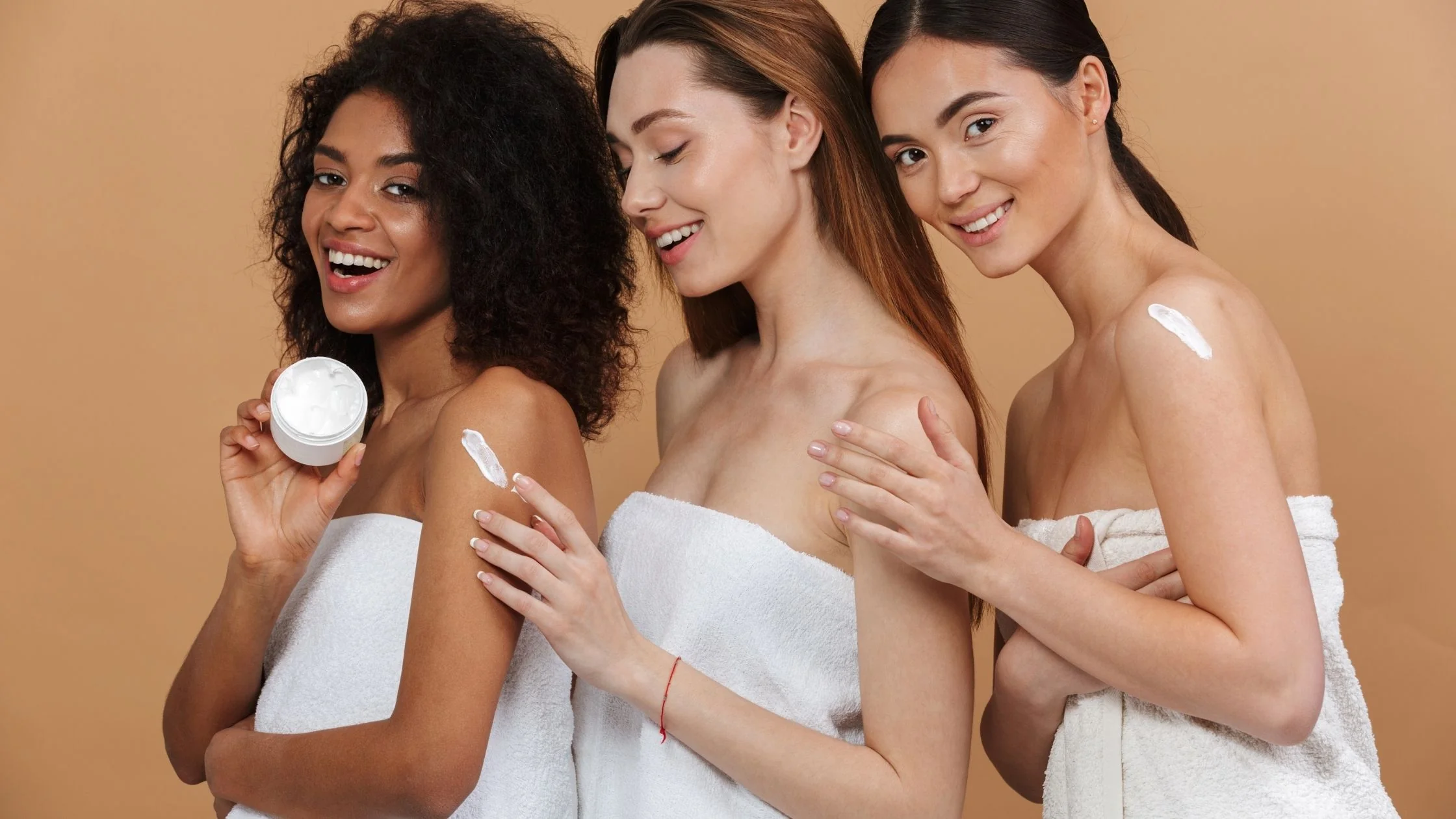
In general, resveratrol is safe for most skin types. It’s a natural ingredient, and many people use it without any issues. Whether you have oily, dry, or combination skin, resveratrol is typically well-tolerated and can be a great addition to your skincare routine.
Potential Interaction with Blood Thinners
However, if you’re taking blood thinners such as Coumadin, aspirin, or ibuprofen, it’s important to be cautious when using resveratrol supplements.
There is some evidence that resveratrol may interfere with these medications, so it’s always a good idea to consult your healthcare provider before adding it to your routine.
Patch Test Advice for New Users
For those new to resveratrol or any active ingredient, it’s recommended to patch test first. Apply a small amount of product to an inconspicuous area (like behind your ear or on your wrist) and wait 24 hours to ensure there’s no reaction.
Conclusion

Resveratrol offers many benefits for your skin, from protecting against free radicals to reducing fine lines and improving skin texture. It’s an excellent choice for both anti-aging and skin protection in your routine.
To get the best results, use resveratrol consistently and pair it with ingredients like hyaluronic acid or vitamin E. For expert advice and product recommendations, contact Zicail and let us help you achieve healthier, more youthful skin.


 EN
 JA
