

When it comes to healthy, glowing skin, polyphenols are one of nature’s best-kept secrets. Found in tea, grapes, berries, and many other plants, these powerful antioxidants protect your skin from daily stress, calm irritation, and even slow down signs of aging.
In this guide, we’ll explore everything you need to know about polyphenols for skin—the science, the benefits, and the best ways to add them to your routine.
What Are Polyphenols? Botanical Origins & Types
If you’ve ever sipped green tea, enjoyed a handful of berries, or poured yourself a glass of red wine, you’ve already met polyphenols. These are natural compounds found in plants, famous for their ability to protect and repair our bodies—especially our skin.
At their core, polyphenols are plant-based chemicals with strong antioxidant powers. That means they help fight free radicals, the unstable molecules that speed up aging and damage skin cells. Scientists group polyphenols into a few main families:
Phenolic acids – found in coffee, fruits, and whole grains.
Flavonoids – a big group that includes catechins from green tea and anthocyanins from blueberries.
Tannins – the reason red wine tastes a little dry or bitter, but also why it’s full of skin-loving benefits.
Ellagitannins – special polyphenols in foods like pomegranates and walnuts, known for calming inflammation.
Chemically speaking, polyphenols all share a similar structure, but what makes them exciting is how differently they act once inside our bodies. For skin, they can calm redness, brighten dullness, and even help fight signs of aging.
How Polyphenols Work: Mechanisms for Skin Health
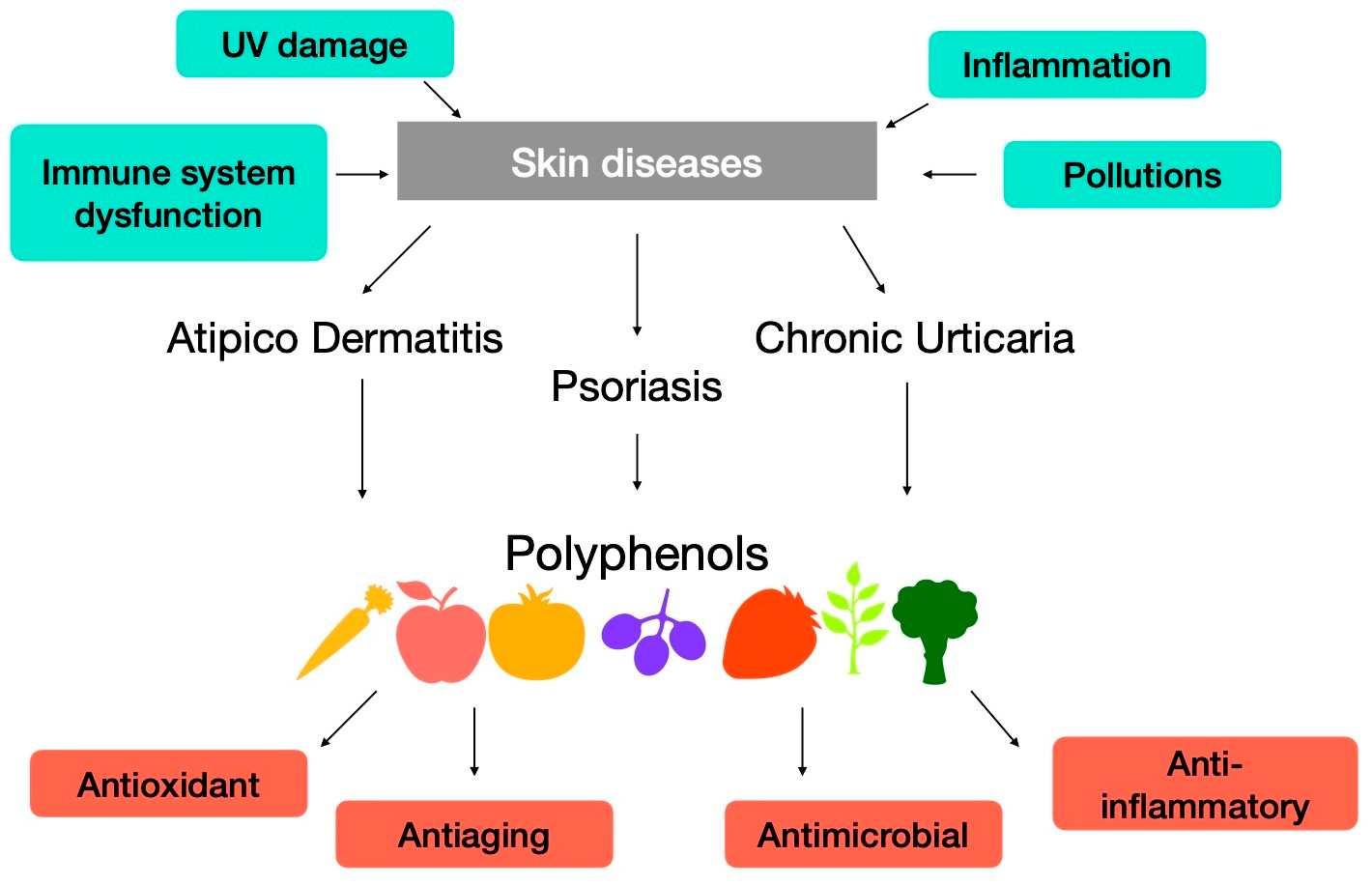
So how exactly do polyphenols help your skin? Think of them as multitasking bodyguards that protect, calm, and repair at the same time. Here’s how they work:
1. Antioxidant Activity
Polyphenols are best known as antioxidants. Every day, our skin is attacked by free radicals—unstable molecules from sun exposure, pollution, and even stress.
Left unchecked, these molecules damage skin cells and speed up aging. Polyphenols step in to neutralize free radicals, helping to defend against oxidative stress and keeping your skin healthier for longer.
2. Anti-Inflammatory & Immune Support
Beyond fighting free radicals, polyphenols also calm the skin. Studies show they can reduce inflammation by blocking certain chemical messengers, like cytokines (IL-1β, TNF-α), that trigger redness and irritation.
This makes them especially useful in soothing conditions such as dermatitis, acne, or even vitiligo. In short, they help your skin stay balanced and less reactive.
3. UV Protection & Collagen Boost
Another bonus? Polyphenols act like a natural sun shield. They help absorb harmful UV rays and protect skin cells from DNA damage.
Some types even encourage collagen production, which supports firmness and reduces the look of fine lines. This is why polyphenols are often highlighted in anti-aging skincare—they not only protect but also help repair.
Skin Benefits Backed by Research

Scientists and dermatologists have studied polyphenols for years, and the results are impressive. Here’s what the research shows:
Anti-aging: Polyphenols help smooth fine lines, reduce wrinkles, fade age spots, and improve skin elasticity. They give skin a firmer, more youthful look.
Brightening & pigmentation: Certain polyphenols, like those from tea or artichoke, calm stressed skin and even out tone, making the complexion brighter and clearer.
Acne & sebum control: Green tea polyphenols, especially EGCG, fight bacteria, lower oil production, and reduce inflammation, which helps keep breakouts under control.
Barrier & sensitivity relief: Oat-derived polyphenols (avenanthramides) soothe irritation, reduce redness, and ease itching. They strengthen the skin barrier, making it less reactive.
Dermatological support: Research also shows polyphenols may help with conditions like dermatitis, fungal infections, alopecia, and even offer protection against skin cancer.
Popular Sources & Cosmetic Uses
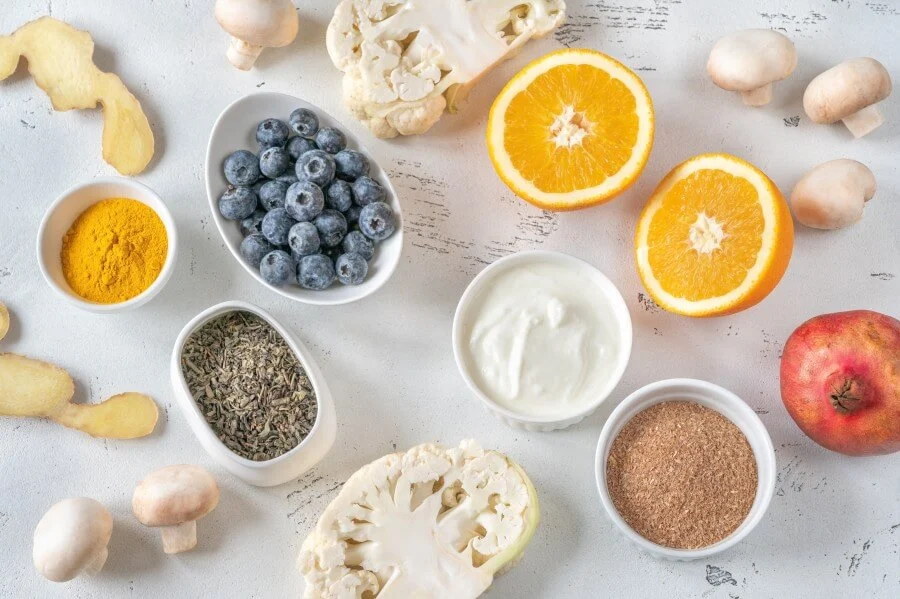
You don’t have to look far to find polyphenols—they’re in many everyday plants and foods. Some of the richest sources include green and black tea, grapes, pomegranate, artichoke, rosemary, oats, and berries. These foods aren’t just healthy to eat—they’re also powerful when used in skincare.
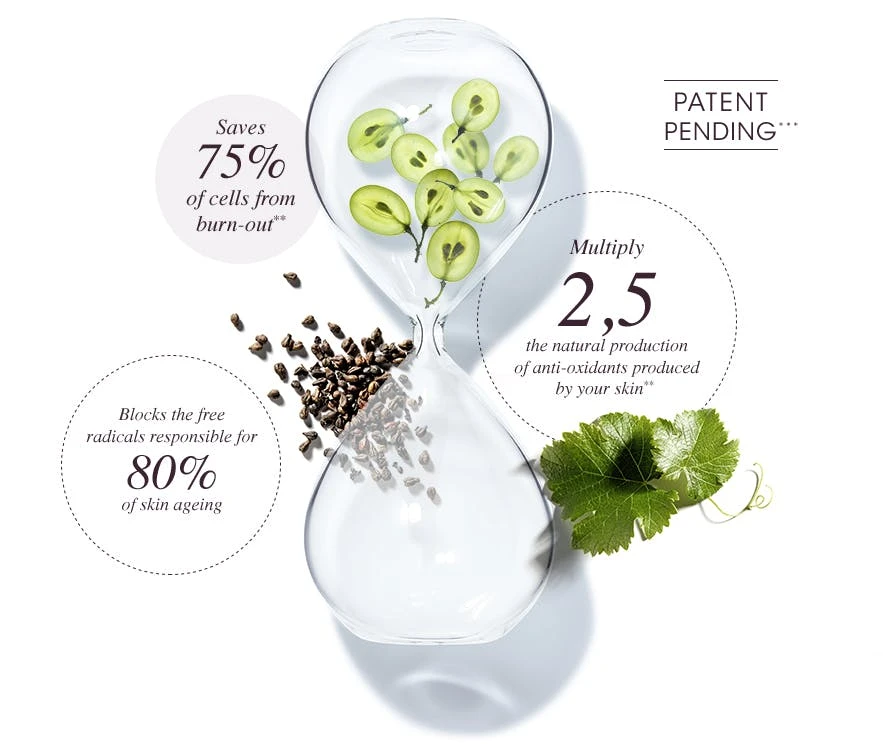
One famous example is vinotherapy, a treatment that uses grape seed polyphenols. Brands like Caudalie have even patented their grape-based extracts because of their strong antioxidant benefits.
In skincare products, polyphenols show up in creams, serums, and masks. When applied topically, they work as an antioxidant shield, helping defend skin against pollution, UV rays, and daily stress.
Many modern formulas combine polyphenols with other actives, like vitamin C or hyaluronic acid, for an even bigger boost.
How to Incorporate Polyphenols Effectively

Adding polyphenols to your routine can be simple, but a few smart choices make them work even better:
Topical application
Skincare products like serums and creams deliver polyphenols straight to your skin. Look for stable formulas and pair them with SPF to boost protection against sun damage.
Dietary sources
Drinking tea, eating berries, grapes, or pomegranate, and adding colorful fruits and veggies to your meals gives your body more polyphenols. Just remember: absorption can be limited, so diet is a support, not a substitute for skincare.
Usage tips
Layer polyphenol serums with hydrating or moisturizing products for best results. Always patch test if you’re trying a strong extract, and be consistent—small amounts every day work better than occasional heavy use.
Conclusion

Polyphenols are plant-based protectors that keep skin healthy. They fight aging, calm irritation, brighten tone, and help defend against daily damage. Adding them through food or skincare is an easy way to support glowing, balanced skin.
If you’re ready to explore how polyphenols can be part of your skincare line, contact Zicail. We specialize in high-quality formulations backed by science, helping brands bring effective, nature-inspired products to market. Let’s create solutions that your customers will trust and love.


 EN
 JA
