

Inulin is becoming a popular ingredient in skincare—and for good reason. It’s a natural prebiotic, which means it feeds the good bacteria on your skin. This helps keep your skin’s microbiome (its invisible layer of healthy bacteria) balanced and strong.
When your microbiome is in good shape, your skin is better protected, more hydrated, and less prone to irritation. That’s why more people are turning to inulin for a gentle, effective way to support their skin’s overall health.
What Is Inulin in Skincare?

Inulin is a prebiotic—a type of plant-based fiber that feeds the good bacteria living on your skin. By keeping these helpful microbes strong, inulin supports a healthy skin barrier and helps your skin stay balanced and protected.
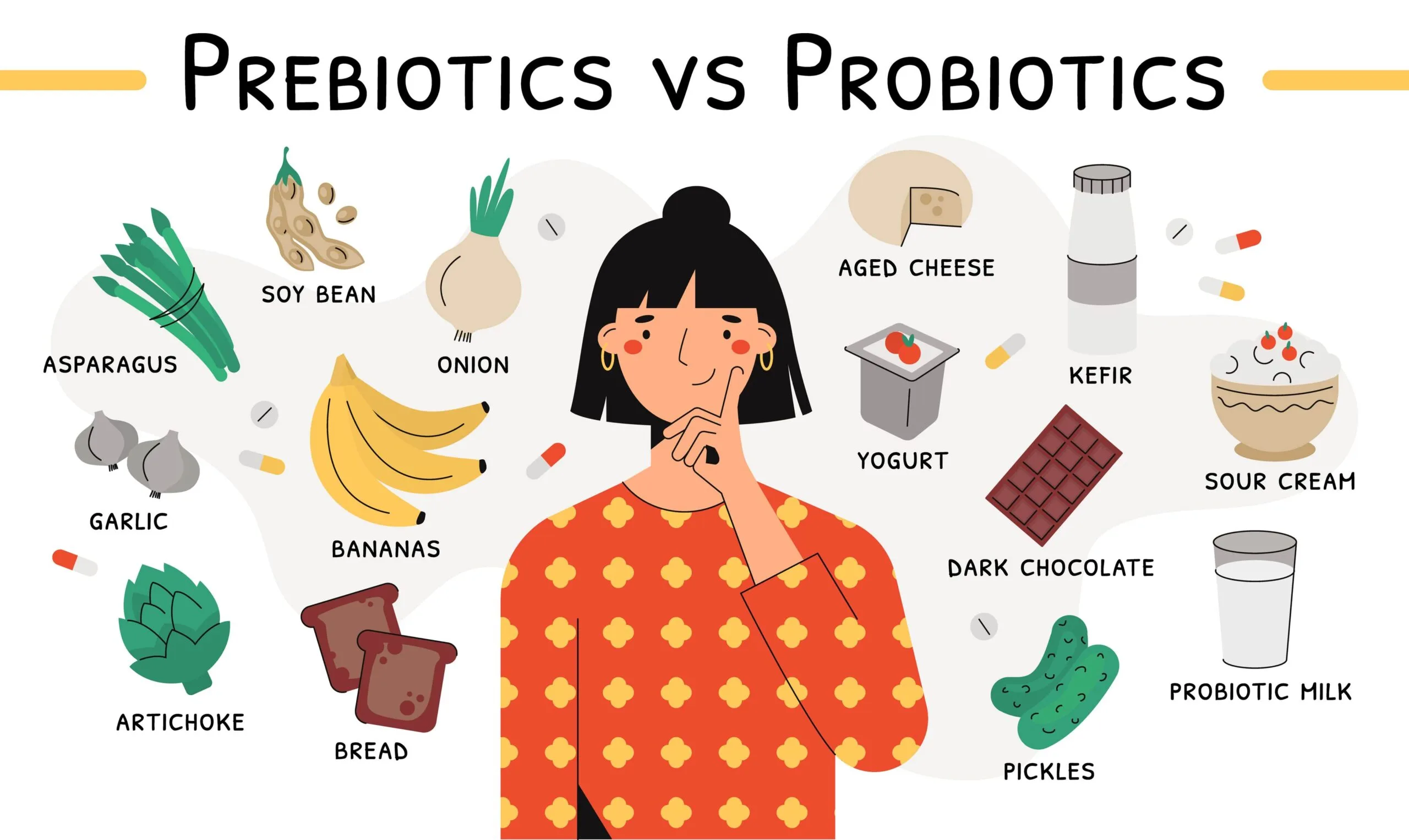
It’s naturally found in plants like chicory root, garlic, asparagus, and even bananas. In skincare, inulin is added to products like serums, moisturizers, and masks to boost your skin’s natural defenses.
It also works well with other calming or hydrating ingredients, making it a great choice for most skin types—especially sensitive or acne-prone skin.
Inulin vs Probiotics: What’s the Difference?
Prebiotics Feed, Probiotics Live
You’ve probably seen both prebiotics and probiotics in skincare—but they’re not the same. Prebiotics, like inulin, act as food for the good bacteria on your skin. Probiotics, on the other hand, are live bacteria that support your skin’s microbiome directly.
Why Most Skincare Doesn’t Use Live Probiotics
The truth is, most skincare products don’t actually contain true probiotics. That’s because preservatives used to keep products fresh can kill live bacteria, making them ineffective in most formulations.
How Inulin Mimics Probiotic Benefits
This is where inulin shines. It delivers probiotic-like benefits without the stability problems. By feeding your skin’s natural good bacteria, it helps create a balanced microbiome—no refrigeration or special handling required. It’s an easy, effective way to support your skin’s health daily.
How Inulin Supports the Skin Microbiome
Your Skin Has Its Own Ecosystem
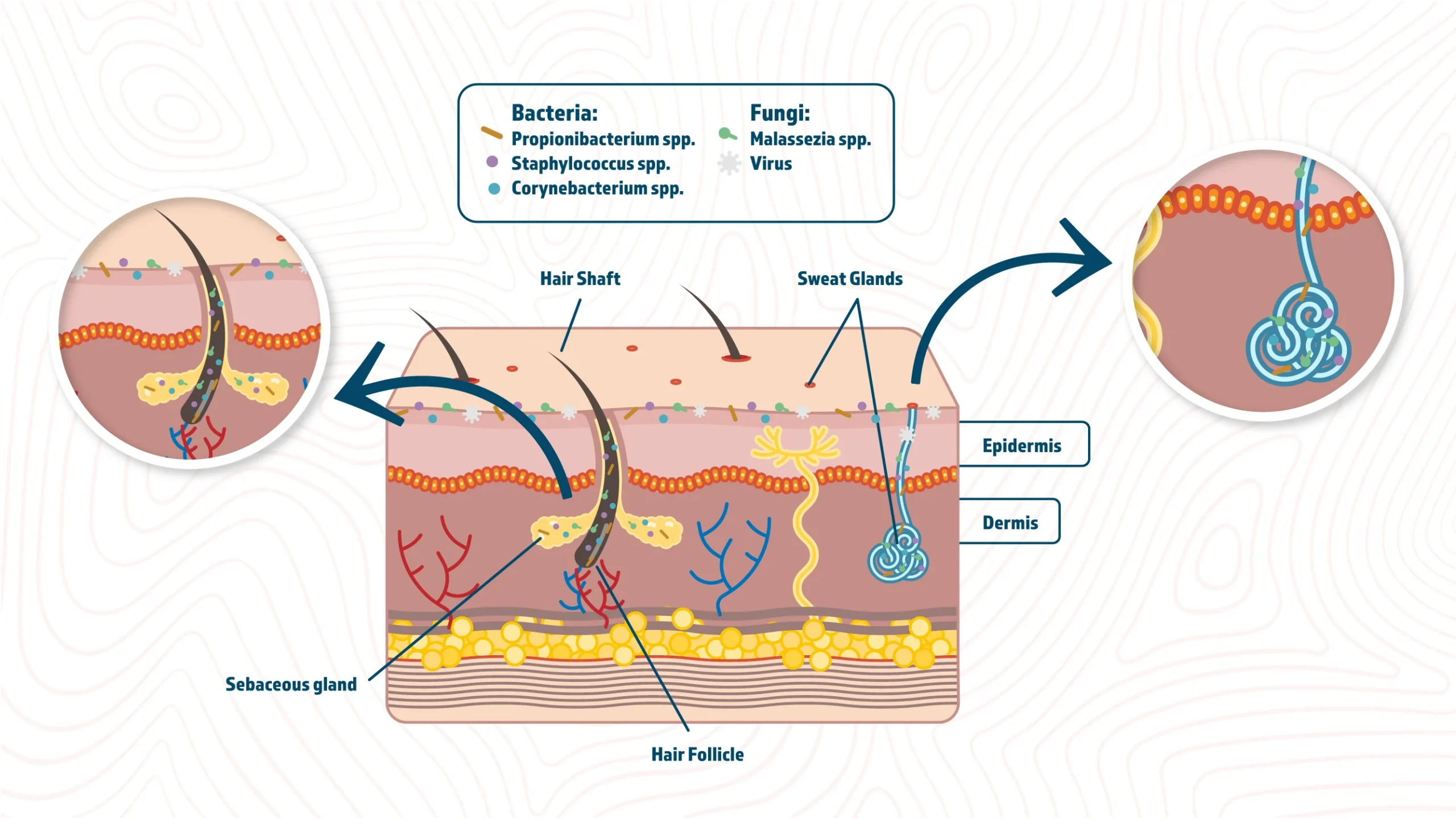
Just like your gut, your skin is home to billions of bacteria—some good, some bad, and some neutral. Together, they form what’s called the skin microbiome, a protective layer that helps defend your skin against harmful invaders and keeps it functioning properly.
Inulin Feeds the Good Bacteria
Inulin acts like a snack for the good bacteria living on your skin. It gives them the energy they need to grow and thrive. When these good microbes are well-fed, they help keep the bad bacteria in check, leading to a stronger, more balanced skin barrier.
Why Balance Matters
When your microbiome is out of balance—meaning there’s more bad bacteria than good—it can show up as acne, inflammation, or sensitivity. But by consistently using skincare with inulin, you’re helping restore that balance and giving your skin the support it needs to stay calm, clear, and healthy.
Top Benefits of Inulin in Skincare

1. Rebalances and Supports the Skin Barrier
A strong skin barrier is your first line of defense. Inulin helps keep things in balance by preventing bad bacteria from taking over and giving the good ones what they need to thrive. This strengthens your skin’s natural defenses, making it more resilient against environmental stressors and irritation.
2. Deep Hydration
Dry skin? Inulin works as a humectant, meaning it draws moisture from the air into your skin. It also helps reduce water loss, keeping your skin soft, smooth, and plump. That extra hydration can go a long way in maintaining a glowing, healthy-looking complexion.
3. Soothes and Calms Irritated Skin
If your skin feels angry, red, or reactive, inulin can help. By restoring microbiome balance and reducing water loss, it helps calm inflammation and soothe sensitivity. It’s especially helpful for skin that’s been stressed by harsh products or environmental changes.
4. Works for All Skin Types
Whether your skin is oily, dry, acne-prone, or sensitive, inulin is gentle enough for daily use. It’s plant-derived and free from harsh chemicals, making it a safe addition to just about any routine. Even if your skin is easily upset, inulin plays nice.
Where You’ll Find Inulin in Skincare
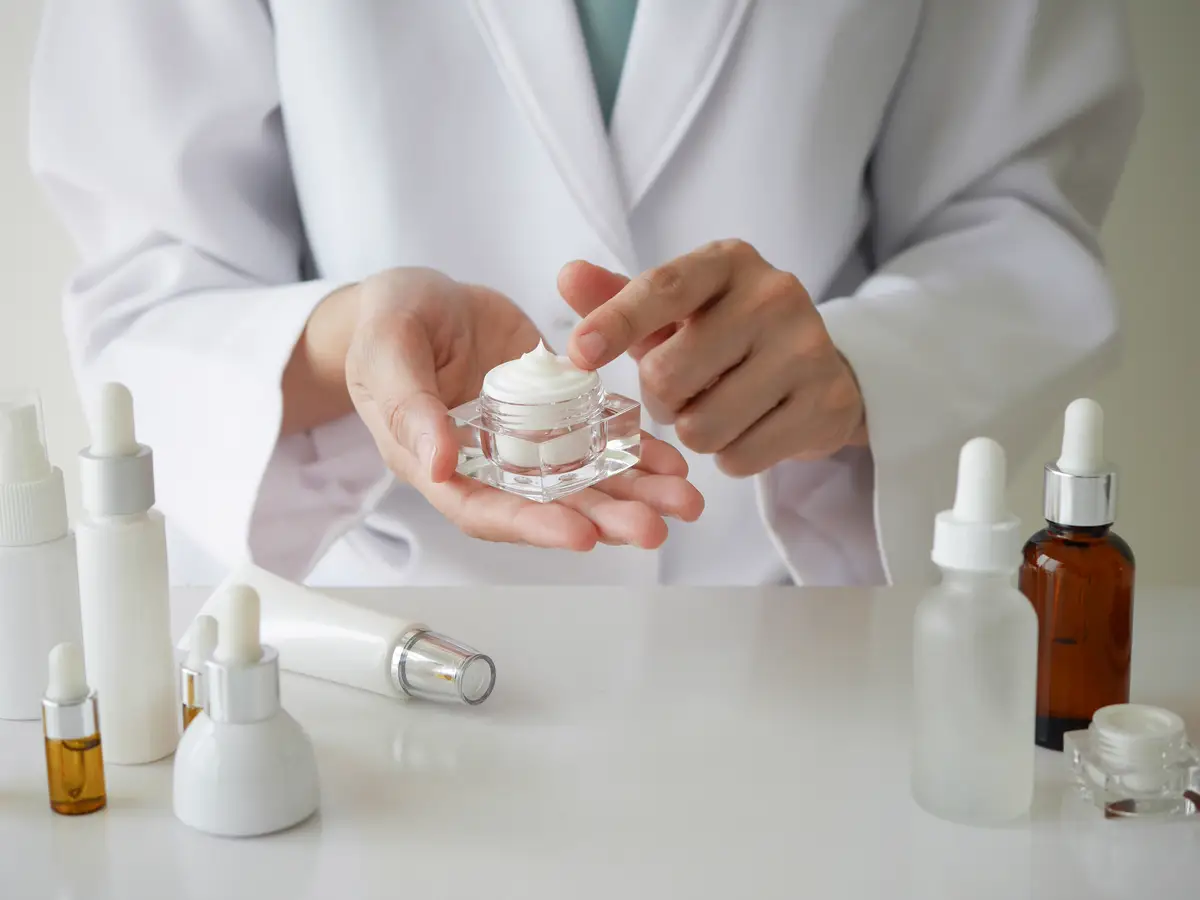
- Common Products: You’ll find inulin in many skincare products like serums, boosters, and moisturizers. These are often made to help with hydration, calming, and balancing your skin.
- Works Well with Other Ingredients: Inulin works even better when combined with other actives. It helps your skin stay calm so ingredients like vitamin C, niacinamide, or retinoids can do their job without causing irritation.
- How to Pair It: Try using inulin with niacinamide to reduce redness, or with retinoids to help ease dryness. It’s a great way to make your routine more gentle and effective.
How to Use Inulin in Your Routine

When to Apply
The ideal time to use inulin is right after cleansing. This is when your skin is clean and ready to absorb beneficial ingredients. Apply your inulin-based product before moisturizer, so it can work closely with your skin’s natural barrier and help prep your skin for the rest of your routine.
Make It a Daily Habit
Inulin is safe and gentle for daily use, even twice a day. Whether it’s in a serum, essence, or booster, you can use it in your morning and evening routine. With regular use, you’ll start to notice smoother, calmer skin and fewer signs of irritation or dryness.
How to Layer with Other Ingredients
One of the best things about inulin is how well it plays with others. You can layer it with popular actives like:
Niacinamide – for extra redness reduction and skin barrier support
Vitamin C – to brighten and protect without irritation
Hyaluronic acid – for a double boost of hydration
Retinoids or exfoliating acids – inulin can help reduce dryness or peeling
If you’re using strong actives, apply the inulin product first to help your skin stay balanced and better tolerate potent ingredients.
A Tip for Ultra-Sensitive Skin
Even though inulin is very mild, everyone’s skin is different. If you’re prone to reactions, always patch test a new product before applying it to your whole face.
Dab a small amount behind your ear or on your jawline, wait 24 hours, and check for any signs of irritation. Better safe than sorry—especially if your skin is already stressed.
Is Inulin Right for Your Skin?

Great for Most Skin Types
If your skin is sensitive, dry, or acne-prone, inulin could be a great addition to your routine. It’s gentle, calming, and helps support your skin’s natural balance, making it ideal for those who deal with irritation or breakouts.
Even if your skin is combination or normal, inulin can help keep your microbiome strong and your skin barrier healthy.
Any Side Effects?
In general, inulin is very well tolerated. Since it’s a plant-based ingredient, most people won’t experience any irritation. However, as with any new skincare ingredient, a patch test is always a smart idea—especially if your skin is highly reactive or prone to allergies.
Clean and Conscious Skincare
Looking for a cleaner routine? You’re in luck. Inulin is plant-derived, making it a popular choice in clean, vegan, and eco-friendly skincare lines. It’s often sourced from chicory root and works well in formulas that skip harsh chemicals, making it a great match for conscious beauty lovers.
Conclusion
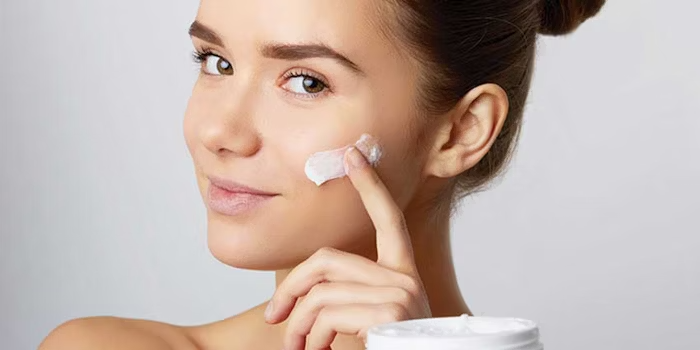
Inulin is a gentle and effective ingredient that helps keep your skin healthy. It supports your microbiome, adds hydration, and soothes irritation, making it great for all skin types—especially if your skin is dry, sensitive, or acne-prone.
Want to give inulin a try? Contact Zicail to explore our inulin-based skincare products. We’re here to help you build a routine that keeps your skin calm, balanced, and glowing.
FAQs About Inulin in Skincare
Is inulin good for acne-prone skin?
Yes! Inulin helps balance the skin microbiome, which can reduce the growth of bad bacteria linked to breakouts. It also calms inflammation, making it a gentle choice for acne-prone skin.
Can I use inulin with retinol or acids?
Absolutely. Inulin works well with strong actives like retinol, AHAs, or BHAs. It helps soothe the skin and reduce dryness or irritation that these ingredients might cause.
Is inulin safe for sensitive skin?
Yes, inulin is very gentle and often recommended for sensitive or reactive skin. It supports a healthy barrier and helps reduce redness and irritation.
Does inulin really hydrate the skin?
It does! Inulin acts as a humectant, meaning it draws moisture into the skin and helps keep it soft and hydrated over time.
What’s the difference between inulin and probiotics?
Inulin is a prebiotic—it feeds the good bacteria on your skin. Probiotics are live bacteria, but they’re rarely used in skincare due to stability issues. Inulin helps support your skin’s natural flora without needing live cultures.


 EN
 JA
