
Retinol vs Tretinoin: Benefits, Risks & Usage Guide
Retinol is a gentler, OTC vitamin A derivative with slower results, while tretinoin is prescription-strength, faster, but more irritating. Choose based on skin type.
I’m Emma, and I’ve worked in the skincare industry for 6 years. Today, I’m a Sales Manager, supporting customers while staying closely involved in what truly makes a product work—its formula, ingredients, and real-world performance.
Before moving fully into sales, I spent an extended period working with our R&D team, which gave me a strong foundation in formulation logic and ingredient functions. I’m especially interested in how different skin types react differently to the same product, and I’ve spent years studying common skin concerns—like dryness, sensitivity, oiliness, acne-prone skin, and uneven texture—and the practical ways people can adjust routines to improve them. Inside our company, I also help colleagues from other departments build realistic, effective skincare plans based on their actual skin conditions and daily habits.
My clients are mainly based in Southeast Asia and the Middle East, so I’ve become very familiar with what customers and end-users in these regions care about—climate-driven needs, texture preferences, and the product positioning that tends to work best in those markets.
Skincare is also part of my daily life. I keep my own routine consistent, test products with a careful eye, and share my personal skincare experiences and small “best practice” tips with our team.
In my free time, I like reading professional, evidence-based skincare and dermatology articles to keep improving my knowledge—especially resources from the American Academy of Dermatology (AAD) and Dermascope.
Note: I’m not a medical professional. My writing is based on industry experience, product knowledge, and continuous learning. For persistent or serious skin issues, please consult a dermatologist.

Retinol is a gentler, OTC vitamin A derivative with slower results, while tretinoin is prescription-strength, faster, but more irritating. Choose based on skin type.


Discover how murumuru butter hydrates, soothes, and protects skin. Learn its benefits, usage tips, and how it compares to other butters like shea.

Fatty acids support skin barrier, hydration, and repair. Learn the types, benefits, safety tips, and how to use them for healthy, glowing skin.
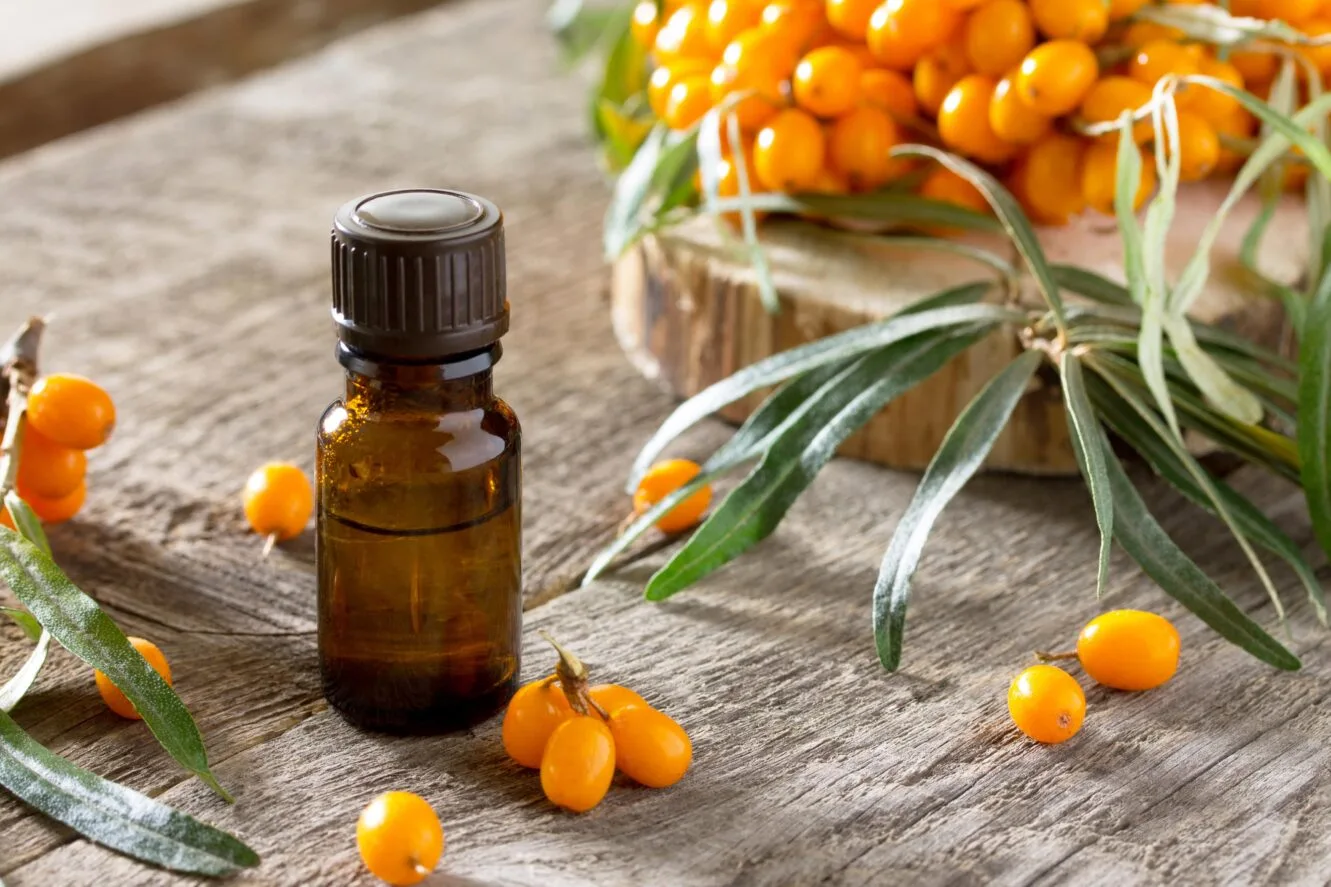
Explore the skin benefits of sea buckthorn oil, including hydration, anti-aging, and healing properties. Learn how to incorporate it into your skincare routine.

Discover how oleic acid nourishes dry skin, combats aging, and which oils are best for your skin type. Learn benefits, risks, and expert tips.

Discover how moringa oil nourishes, hydrates, and rejuvenates your skin. Learn its benefits, uses, and how to incorporate it into your skincare routine.
WhatsApp us