Essence vs Serum: Key Differences & Which You Need
Essence hydrates and preps the skin, while serum delivers targeted treatment. Learn the key differences, correct order, and whether you actually need both.
I’m Emma, and I’ve worked in the skincare industry for 6 years. Today, I’m a Sales Manager, supporting customers while staying closely involved in what truly makes a product work—its formula, ingredients, and real-world performance.
Before moving fully into sales, I spent an extended period working with our R&D team, which gave me a strong foundation in formulation logic and ingredient functions. I’m especially interested in how different skin types react differently to the same product, and I’ve spent years studying common skin concerns—like dryness, sensitivity, oiliness, acne-prone skin, and uneven texture—and the practical ways people can adjust routines to improve them. Inside our company, I also help colleagues from other departments build realistic, effective skincare plans based on their actual skin conditions and daily habits.
My clients are mainly based in Southeast Asia and the Middle East, so I’ve become very familiar with what customers and end-users in these regions care about—climate-driven needs, texture preferences, and the product positioning that tends to work best in those markets.
Skincare is also part of my daily life. I keep my own routine consistent, test products with a careful eye, and share my personal skincare experiences and small “best practice” tips with our team.
In my free time, I like reading professional, evidence-based skincare and dermatology articles to keep improving my knowledge—especially resources from the American Academy of Dermatology (AAD) and Dermascope.
Note: I’m not a medical professional. My writing is based on industry experience, product knowledge, and continuous learning. For persistent or serious skin issues, please consult a dermatologist.

Essence hydrates and preps the skin, while serum delivers targeted treatment. Learn the key differences, correct order, and whether you actually need both.

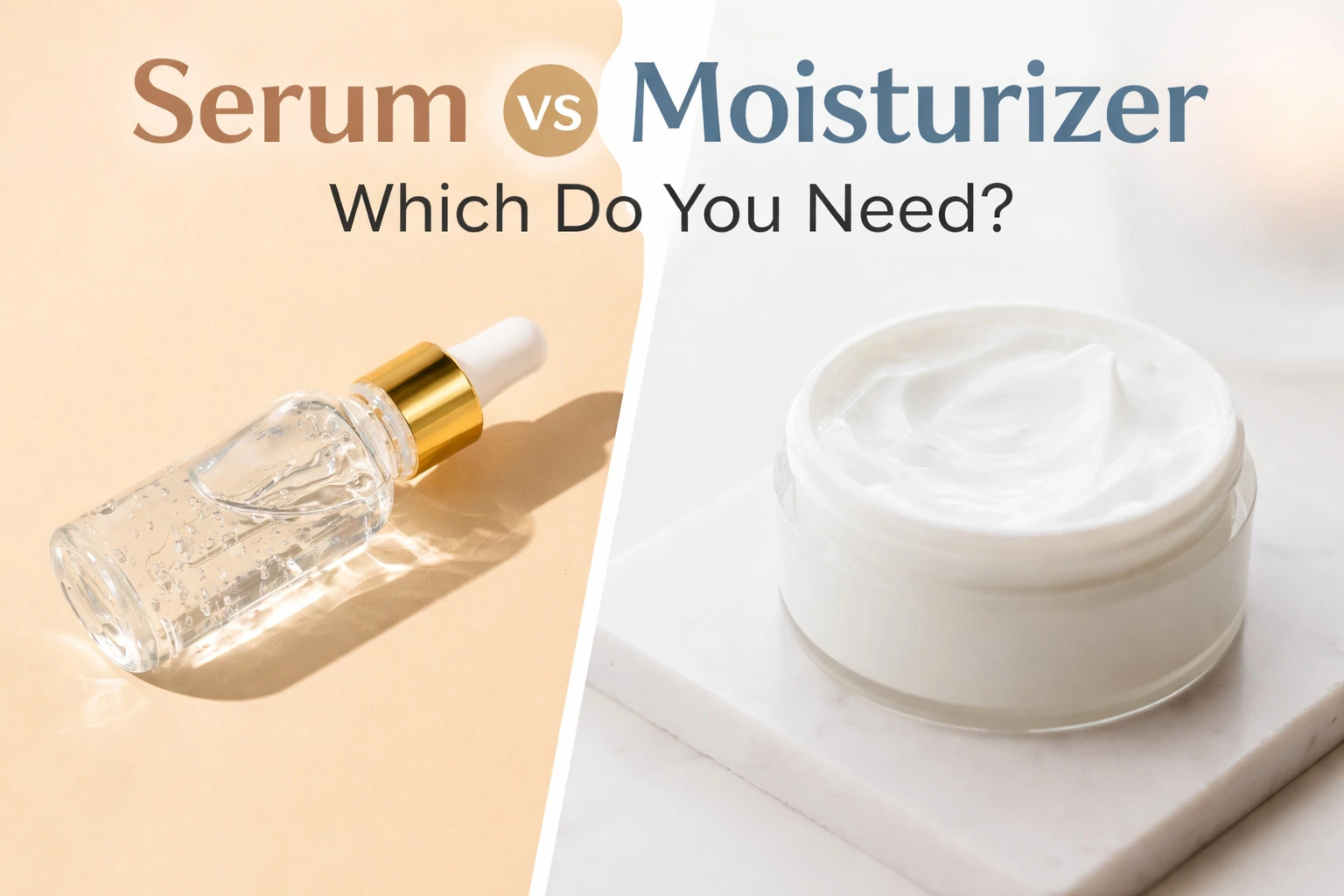
Serums target specific skin concerns with concentrated actives, while moisturizers seal hydration and support the skin barrier. Most routines benefit from using both in the correct order.
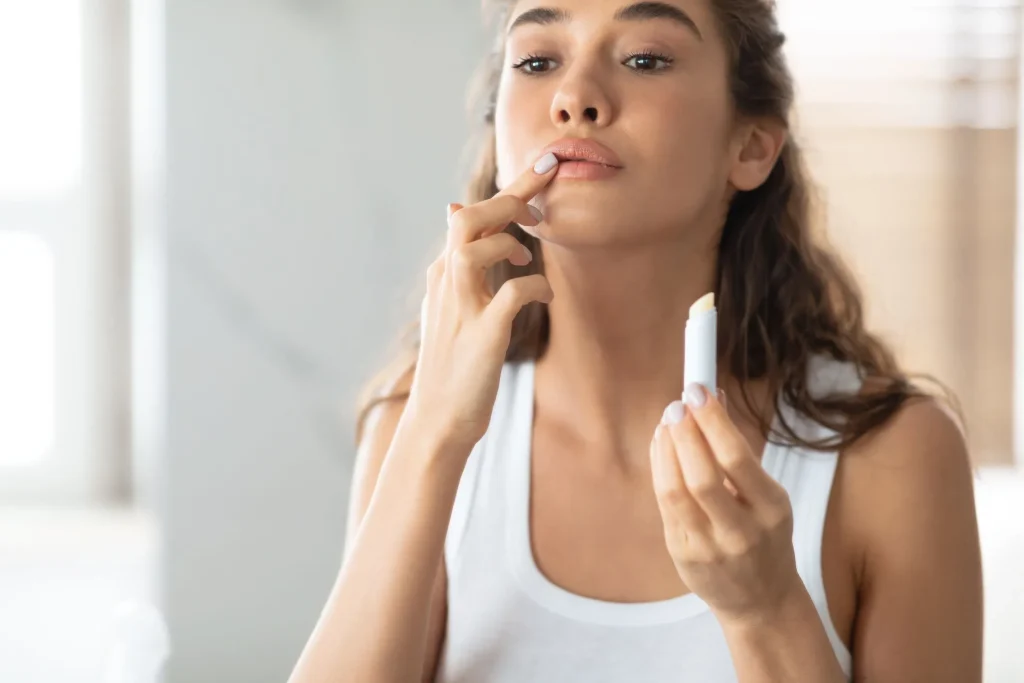
Yes — lip balm does expire. Depending on formula and use, it typically lasts 1-3 years; after that it may lose effectiveness, change texture/odor or pose microbial risk.
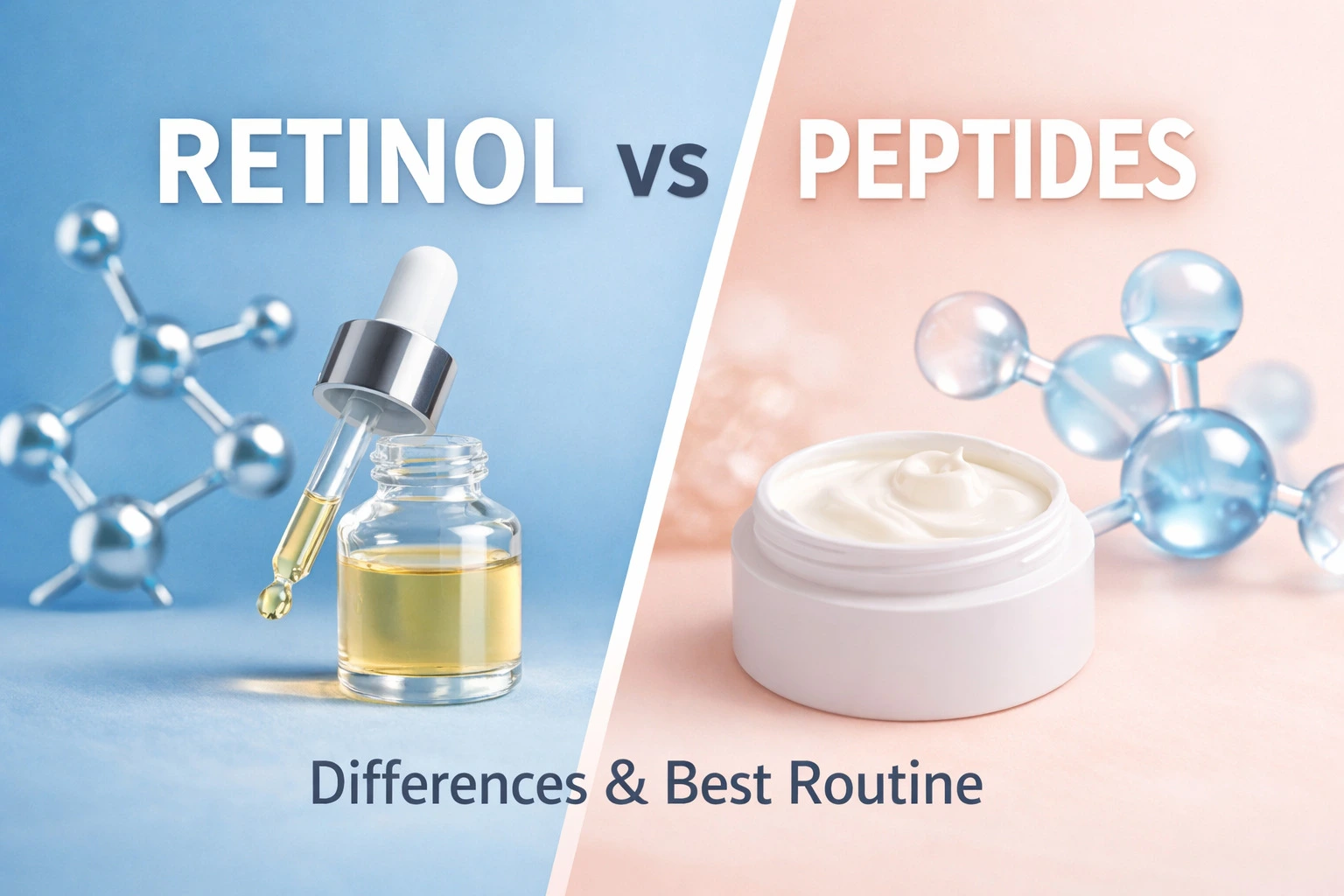
Retinol smooths wrinkles and spots faster but may irritate. Peptides support firmness and barrier gently. Both ingredients are widely used for anti-aging, collagen support, and improving skin texture. Choose by goals, tolerance, and routine.
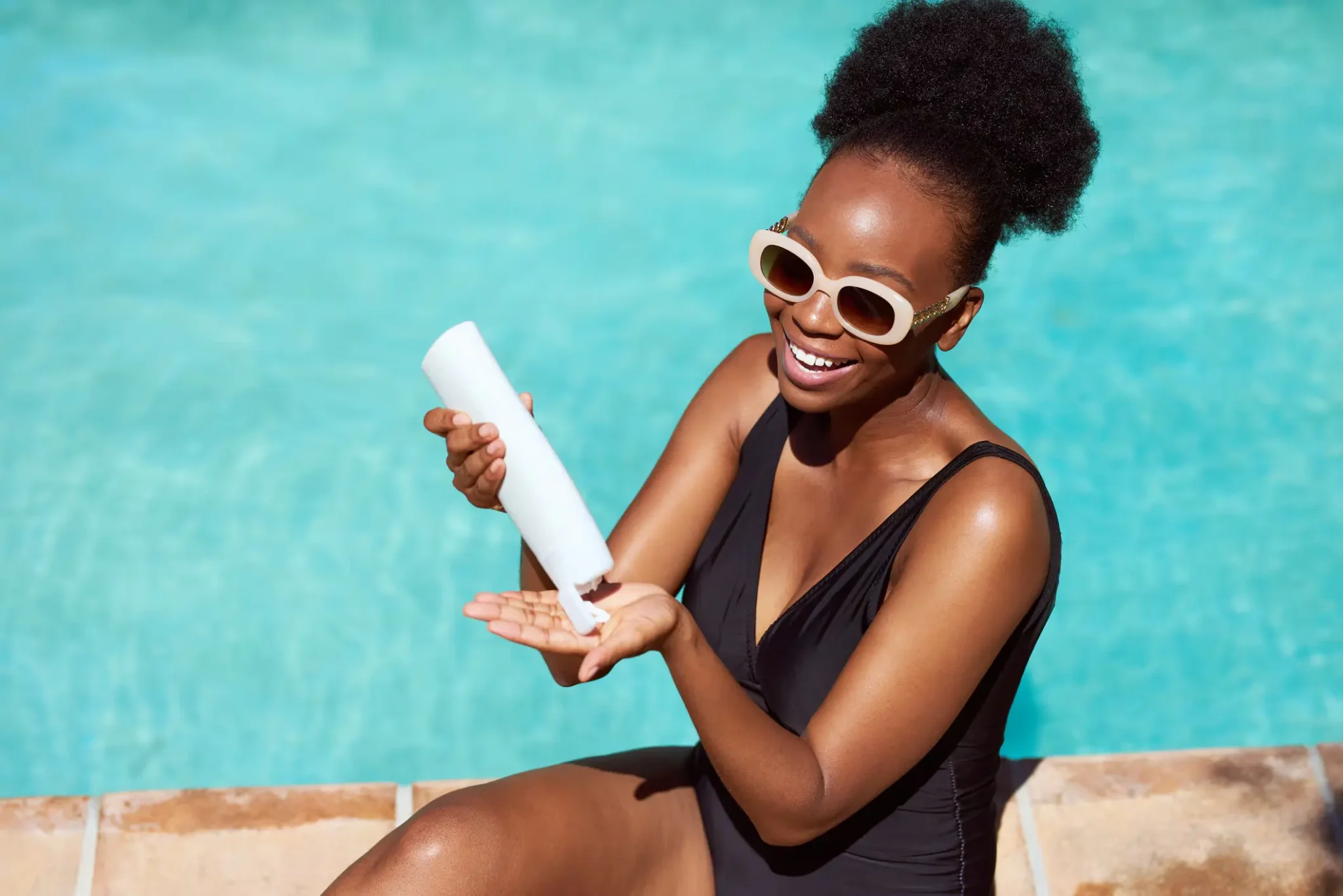
Your face looks darker after sunscreen due to under-application, missed UV/visible-light protection, oxidation, or irritation. Correct use and the right formula prevent darkening.

Explore 14 leading skincare and cosmetic manufacturers in China, including OEM/ODM capabilities, product focus, and export experience.
WhatsApp us