

What Is Aloe Vera and Why Is It Used for Skin?

Aloe vera is a green plant with thick, fleshy leaves. Inside those leaves is a clear gel that people have used for centuries to help with skin problems. It’s known for being cooling, soothing, and moisturizing, which is why it’s often used for things like sunburn, dry skin, and small cuts.
The gel is full of good stuff like vitamins, water, and antioxidants that help protect and repair the skin. Most skincare products use the clear inner gel of the aloe leaf, not the yellow part near the skin, which can be too strong. From ancient times to now, aloe vera has stayed popular because it’s gentle, natural, and easy to use.
Top Skin Benefits of Aloe Vera

Moisturizing and Soothing Dry Skin
Aloe vera is made up of about 98% water, which makes it a great natural hydrator. It absorbs quickly into the skin, helping to lock in moisture without feeling greasy.
If your skin feels tight or flaky, applying aloe vera gel can instantly soothe and soften it, making it ideal for both dry and oily skin types.
Healing Minor Burns and Sunburn
One of the most popular uses for aloe vera is treating minor burns and sunburns. Its cooling effect helps reduce redness and discomfort, while its healing properties support skin repair. Applying chilled aloe gel a few times a day can help speed up recovery and bring fast relief.
Treating Acne and Reducing Scars
Thanks to its anti-inflammatory and antibacterial properties, aloe vera can help calm inflamed pimples and prevent breakouts from getting worse.
It also supports collagen production, which may help fade acne scars over time. For best results, dab a small amount of aloe gel directly onto affected areas.

Calming Eczema and Psoriasis
Aloe vera’s moisturizing and anti-itch effects make it helpful for managing skin conditions like eczema and psoriasis.
It can relieve dryness, irritation, and flaking, especially when used regularly. Just be sure to do a patch test first, as sensitive skin may still react to natural ingredients.
Fading Fine Lines and Sun Damage
The antioxidants in aloe vera—like vitamins C and E—can help repair sun damage and protect the skin from early signs of aging. With regular use, aloe may help improve skin texture, reduce fine lines, and support a more even tone.
Soothing Rosacea and Insect Bites
If you deal with red, irritated skin from rosacea or bug bites, aloe vera’s cooling and calming nature can help. It reduces swelling and itching, and helps your skin feel more comfortable. Keep some chilled aloe gel on hand in warmer months for quick relief.
Fighting Fungal or Bacterial Skin Infections
Aloe vera contains natural antifungal and antibacterial compounds, making it useful for treating things like ringworm or minor skin infections.
While it’s not a replacement for medication, applying aloe a few times a day can support the healing process and help keep skin clean.
How to Use Aloe Vera on Your Skin
Using aloe vera on your skin is simple, but choosing the right form—and knowing how to apply it—can make a big difference.

Fresh aloe vs. store-bought gel: which is better?
If you have access to an aloe vera plant, fresh gel straight from the leaf is a great option. It’s pure, natural, and free of any added chemicals. Fresh aloe also gives you more control—you know exactly what’s going on your skin.
That said, store-bought aloe vera gel is more convenient, especially for daily use or when you’re short on time.
Just make sure to choose a product that lists “aloe vera” as the first ingredient and avoid those with alcohol, artificial fragrances, or added colors, as they can dry or irritate your skin.
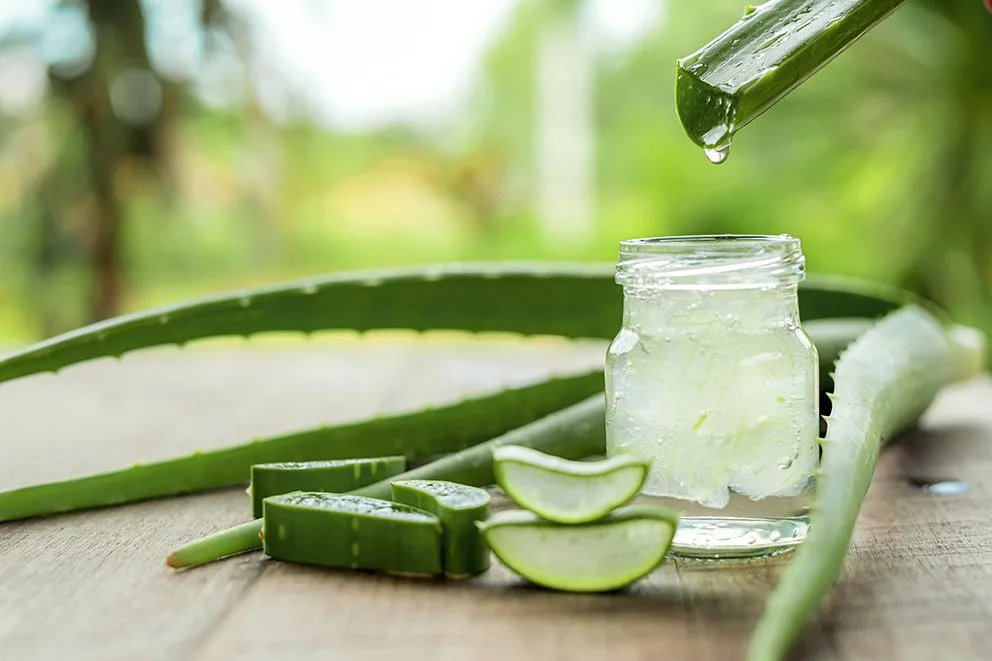
Step-by-step guide to extracting aloe gel from a live plant
Use a clean, sharp knife to cut a thick leaf from the base of the aloe plant.
Let the leaf sit upright for 10–15 minutes to allow the yellow latex to drain out—this part can irritate the skin and should be discarded.
Rinse and pat the leaf dry, then trim off the spiky edges on both sides.
Slice the leaf open lengthwise and scoop out the clear gel using a spoon.
Store the gel in a clean container and keep it in the refrigerator for up to 2 weeks. You can also freeze it in ice cube trays for easy use.

How often can you use aloe vera on your face?
You can safely use aloe vera on your face once or twice a day, depending on your skin type and goals.
For example, if you’re using it as a moisturizer or to calm irritation, once daily after cleansing is enough. If you’re treating acne spots, sunburn, or dry patches, applying a small amount two to three times a day is usually fine.
As always, start with a patch test before using aloe vera regularly, especially if you have sensitive skin. Watch for signs of irritation, and if all goes well, aloe vera can become a gentle and reliable part of your skincare routine.
Things to Watch Out for: Risks and Side Effects
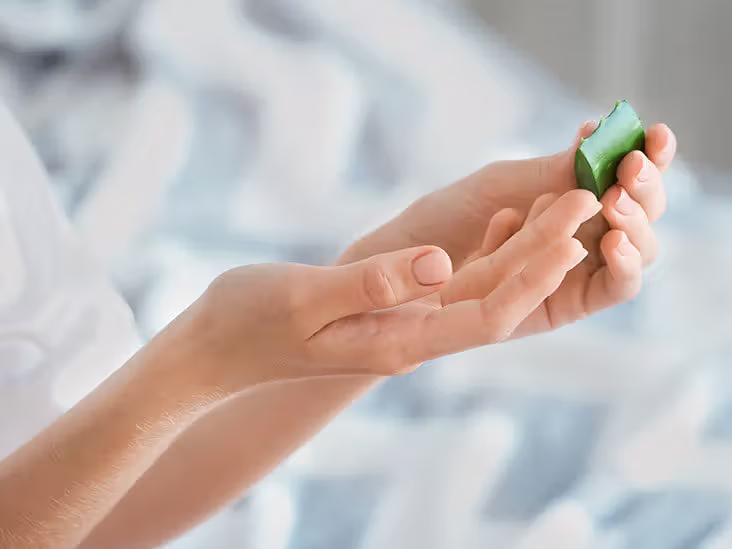
Aloe vera is safe for most people, but it’s still smart to be careful—especially if you have sensitive skin or allergies.
- Patch testing: how and why: Before using aloe vera on your face, do a patch test. Apply a small amount to your wrist or behind your ear and wait 24 hours. If there’s no itching or redness, you can safely use it on larger areas.
- Common reactions: itching, burning, rashes: Some people may feel a bit of itching or stinging when using aloe vera. If your skin gets a rash, hives, or starts burning, stop using it right away. These may be signs of an allergy.
- When not to use aloe: Avoid using aloe vera on deep wounds, serious burns, or infected skin. It’s best for small cuts and mild skin problems. For anything more serious, talk to a doctor first.
- Who should avoid it: If you’re allergic to plants like lilies, tulips, or garlic, you might also react to aloe vera. Always check how your skin responds before using it regularly.
Conclusion

Aloe vera is a gentle and natural way to care for your skin. It can help with dryness, acne, sunburn, and even eczema. It’s easy to use and works well for many people, but don’t forget to test it on a small area first, just to be safe. If your skin doesn’t improve or gets worse, it’s a good idea to talk to a doctor.
Still not sure if aloe vera is right for your routine? Or dealing with stubborn skin issues that won’t go away? Contact Zicail—our skincare team is here to help you find the right solution based on your unique skin needs. Let’s talk and create a plan that works for you!


 EN
 JA
