

Acai is no longer just a smoothie bowl favorite. This small purple berry is now making its way into skincare, and people can’t stop talking about it. Why? Because it’s packed with nutrients that help the skin look healthier and younger.
In today’s beauty world, many people prefer natural and clean ingredients. Acai fits right in. It’s rich in antioxidants, vitamins, and healthy fats that protect and refresh the skin, making it a perfect match for modern skincare trends.
What Is Acai?
Acai (pronounced ah-sigh-ee) comes from the Euterpe oleracea palm tree, which grows in the Amazon rainforest. The tree produces small, dark purple berries that have been used for centuries by local communities as both food and medicine.
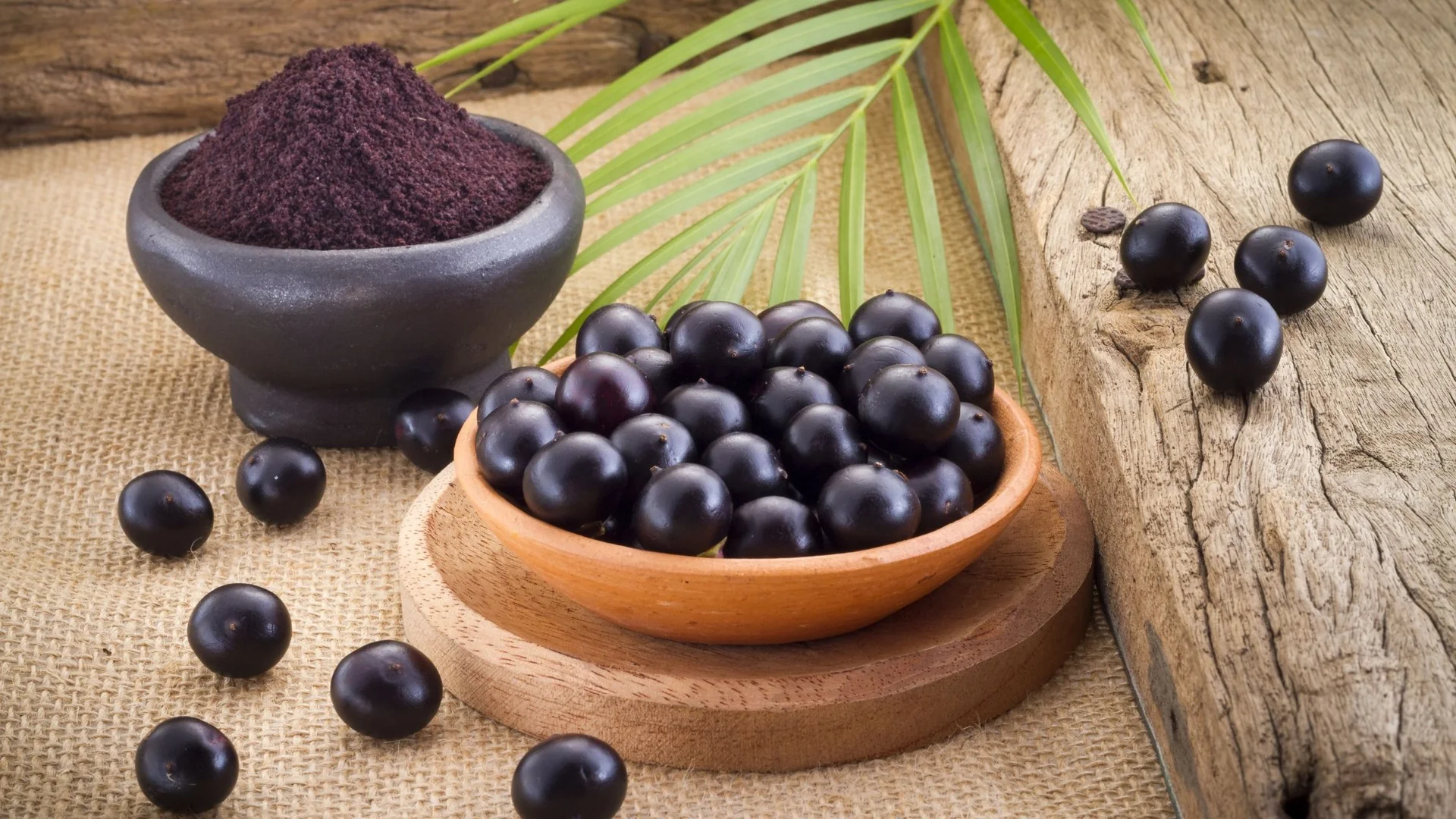
In skincare, different parts of the berry can be used. The pulp is often made into powders or extracts, while the seeds are pressed to create acai oil. You’ll find acai in many forms, such as oil, freeze-dried powder, or concentrated extracts, depending on the type of product.
What makes acai so special is its nutrient profile. It’s rich in anthocyanins and polyphenols (powerful antioxidants), plus vitamins A, C, and E that help protect and repair the skin.
Acai also contains essential fatty acids like omega-3, 6, and 9, which support hydration and strengthen the skin barrier.
Key Skincare Benefits of Acai
Acai is more than just a trendy fruit—it brings real benefits when used in skincare. Here are the main ways it can help your skin:

Anti-aging and wrinkle reduction: The antioxidants in acai fight free radicals, which are one of the main causes of fine lines and wrinkles. This helps skin stay firm and youthful.
Brightening and evening skin tone: Vitamins C and E in acai support a more even skin tone and can reduce the look of dark spots, giving your skin a healthy glow.
Hydration and barrier support: The fatty acids in acai oil lock in moisture and keep the skin barrier strong, which is key for smooth, soft skin.
Acne and oil control: Acai’s natural anti-inflammatory effects can calm redness and irritation, while its nutrients help balance oil production.
Protection from pollution and oxidative stress: Acai acts like a shield, helping skin defend itself against daily stressors such as sun exposure, smog, and other environmental damage.
Acai in Skincare: Forms & Applications

Topical Forms
Acai appears in many skincare products such as serums, creams, masks, oils, and cleansers. Serums are great for delivering concentrated antioxidants, while oils help deeply hydrate and protect the skin barrier.
Formulation Challenges
Even though acai is powerful, it can be tricky to work with. Its antioxidants are sensitive and may lose strength over time. That’s why formulators focus on stability, penetration, and concentration to ensure the skin actually receives the benefits.
Oral vs. Topical Use
Acai isn’t just for skincare products—it’s also enjoyed in smoothies, powders, and supplements. Eating acai boosts antioxidants from the inside, while topical application works directly on the skin. Both can support skin health, but topical products often provide quicker, more visible results.
How to Choose & Use Acai Skincare

Reading Ingredient Labels
When shopping for acai skincare, always check the ingredient list. Look for terms like acai extract, acai oil, or Euterpe oleracea. The closer it is to the top of the list, the higher the concentration in the product.
Ideal Pairings
Acai works even better when combined with other ingredients. Pair it with vitamin C for extra brightening, hyaluronic acid for hydration, and always use it alongside sunscreen for full protection.

Type Guidance
Dry skin: Acai oil or creams can deeply moisturize and repair the barrier.
Oily or acne-prone skin: Lightweight serums or gels with acai can calm redness and help balance oil.
Sensitive skin: Look for gentle formulas without fragrance, paired with soothing ingredients.
Frequency & Expectations
Most acai products can be used daily, but start slowly if you have sensitive skin. Remember, acai supports healthy, glowing skin, but results take time—don’t expect overnight changes.
Risks & Safety Considerations

- Possible Allergies or Sensitivity: Although acai is natural, some people may still experience allergic reactions or irritation. Always do a patch test before trying a new product.
- Oxidation Risks in Formulations: Acai is rich in antioxidants, but these can lose strength if the formula isn’t stable. Look for products in dark or air-tight packaging to keep them fresh and effective.
- Overuse or High Concentrations: Using too much or products with strong concentrations may lead to redness, dryness, or breakouts. Start with gentle formulas and build up slowly.
- Interaction with Other Actives: Acai generally pairs well with most ingredients, but be careful when combining it with strong acids or retinoids. If unsure, introduce one new active ingredient at a time to avoid irritation.
Ready to Try Acai Skincare?
Acai is more than just a trend—it’s a powerful natural ingredient that can support healthy, glowing, and youthful-looking skin. Whether you’re looking for antioxidant-rich serums, hydrating creams, or nourishing oils, acai can be a great addition to your skincare line.

Looking to source high-quality acai skincare products or ingredients? Contact us today to learn more about our formulations, custom options, and how we can help you bring acai’s benefits to your customers.


 EN
 JA
