

Picking between sunscreen gel and cream can be tricky. Both protect your skin, but they feel and work differently. Texture matters because it changes how sunscreen sits on your skin. The right texture makes it easier to use every day.
If you’re in a hot or humid place, a gel feels light and fresh. In dry or cool weather, a cream keeps skin soft and moisturized. This guide will show you how to choose the best one for your skin and lifestyle.
What Are Gel and Cream Sunscreens?
Sunscreens come in many textures, but gels and creams are two of the most common. They both protect your skin from UV rays, yet they use different bases and ingredients — which is why they feel and perform differently on your skin.
Definition and Makeup of Gel Formulas
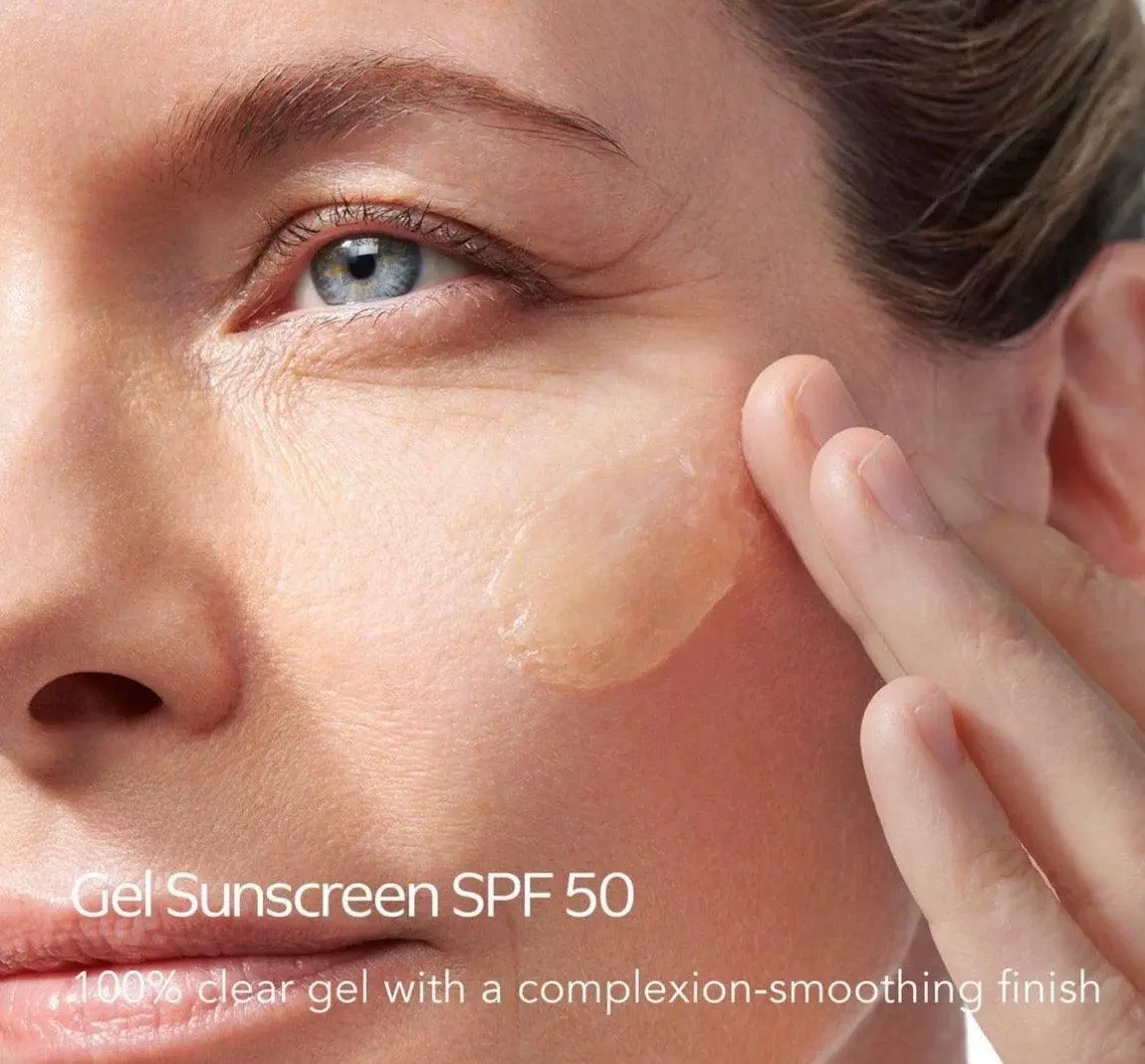
Gel sunscreens are usually water-based or contain a mix of water and lightweight alcohols. They have a clear, cool texture that spreads easily and sinks in fast.
They often include:
Water or hydrogel base for a fresh, non-greasy feel
Humectants like glycerin to keep skin hydrated
Silicones or polymers to smooth the surface and help even coverage
Definition and Makeup of Cream Formulas

Cream sunscreens are usually oil-based and have a thicker, richer texture. They create a smooth film that locks in moisture while protecting against UV rays.
They often include:
Emollients like oils, butters, or fatty acids for softness
Occlusives such as dimethicone or petrolatum to reduce water loss
Moisturizing agents like ceramides or hyaluronic acid
Key Differences Between Gel and Cream Sunscreens
| Aspect | Gel Sunscreen | Cream Sunscreen |
|---|---|---|
| Texture, Absorption & Finish | Light and watery; absorbs fast; cool, matte finish. | Thicker and richer; slower absorption; soft, dewy look. |
| Hydration & Occlusivity | Light hydration; doesn’t seal moisture; ideal for oily skin. | Deep moisture and protection; prevents dryness; best for dry skin. |
| Breathability & Pore Impact | Lightweight and breathable; less likely to clog pores or cause breakouts. | Creates a thicker barrier; may clog pores on oily or acne-prone skin. |
| Makeup Compatibility | Absorbs fast; non-greasy; works well under makeup. | Can cause pilling; doubles as moisturizer + sunscreen. |
| Water & Sweat Resistance | Not highly water-resistant; best for daily indoor or mild outdoor use. | More durable; ideal for long wear, outdoor, or water activities. |
| UV Protection (SPF & Coverage) | Equal SPF when applied properly; people often use too little due to light texture. | Equal SPF protection; thicker texture ensures more even coverage. |
Texture, Absorption and Finish
Gel sunscreens have a light, watery texture that absorbs quickly and leaves a cool, matte finish.
Cream sunscreens are thicker and richer, absorbing more slowly and leaving a soft, dewy feel.
Hydration and Occlusivity
Gels provide light hydration through water and humectants but don’t seal in moisture.
Creams offer deeper hydration by helping prevent water loss throughout the day.
Breathability and Pore Impact
Gel sunscreens are lightweight and less likely to clog pores or cause breakouts.
Cream sunscreens form a thicker barrier, which may feel heavier on oily or acne-prone skin.
Compatibility with Makeup and Layering
Gel sunscreens work perfectly under makeup. Their quick absorption and non-greasy finish help foundation stay in place without slipping.
Cream sunscreens can make layering trickier since their richer base may cause makeup to move or pill. However, they can double as a moisturizer + sunscreen combo, saving you a step in your morning routine.
Water Resistance, Sweat Resistance, Durability
Many gel sunscreens are not highly water-resistant — they’re made for comfort and freshness rather than endurance.
Cream sunscreens often perform better for long wear, outdoor activities, or water exposure because their thicker film stays on the skin longer. Always check the label for “water-resistant” if you plan to swim or sweat.
UV Protection Equivalence (SPF, Broad Spectrum)
In terms of SPF and UV coverage, both gels and creams can protect equally well if applied in the right amount. The key difference lies in user behavior — people tend to apply too little gel because it feels so light.
No matter the texture, applying enough sunscreen (about a nickel-sized amount for the face) and reapplying every two hours ensures proper protection.
Skin Type and Condition Matching

Oily and Acne-Prone Skin
If your skin gets oily or breaks out, gel sunscreen is a great choice. Gel sunscreen is generally a good choice for oily and acne-prone skin.
Dry and Mature Skin
If your skin feels tight or flaky, choose a cream sunscreen. Cream sunscreens are well suited for dry or mature skin because they provide richer moisture and barrier support. Pick ones with ceramides, shea butter, or hyaluronic acid.
Sensitive or Reactive Skin
If your skin is easily irritated, check the ingredients. Avoid sunscreens with alcohol, fragrance, or oxybenzone, which can sting.
Mixed-Skin or Seasonal Switching
Your skin can change with the weather — and your sunscreen can too. In summer, use a gel to stay cool and fresh. In winter, switch to a cream for added moisture.
Climate, Season and Usage Context

Hot, Humid Climates Favor Gel
In hot or tropical climates, gel sunscreens shine. Their light, cooling texture feels refreshing and doesn’t melt off easily when you sweat.
Water-based gel sunscreens help reduce the sticky feeling that richer cream formulas can cause in humid conditions. They absorb quickly, help control shine, and feel comfortable even in warm, humid conditions.
Dry, Cold Climates Favor Creams
If you live somewhere with cold winds or low humidity, your skin needs more moisture. Cream sunscreens help by forming a soft, protective layer that locks in hydration.
Their emollient base shields against dryness and irritation caused by indoor heating or harsh weather. They’re ideal for winter months, mountain areas, or anytime your skin feels rough or tight.
Indoor vs Outdoor, Exercise, Water Exposure
Indoor or office settings: Both gels and creams work. Pick what feels best under makeup or with your skincare routine.
Outdoor activities or sports: Cream sunscreens usually last longer and resist sweat or water better. Look for “water-resistant” on the label.
Workout or high-sweat routines: Gel sunscreens feel lighter and won’t drip, but reapply often for lasting protection.
Body vs Face Usage
You don’t have to use the same texture everywhere. Many people use gel on the face for a weightless finish and cream on the body for deeper moisture.
Formulation Considerations and Ingredients
Emollients, Humectants, and Occlusives
Emollients soften skin (common in creams).
Humectants pull in water for light hydration.
Occlusives seal in moisture.
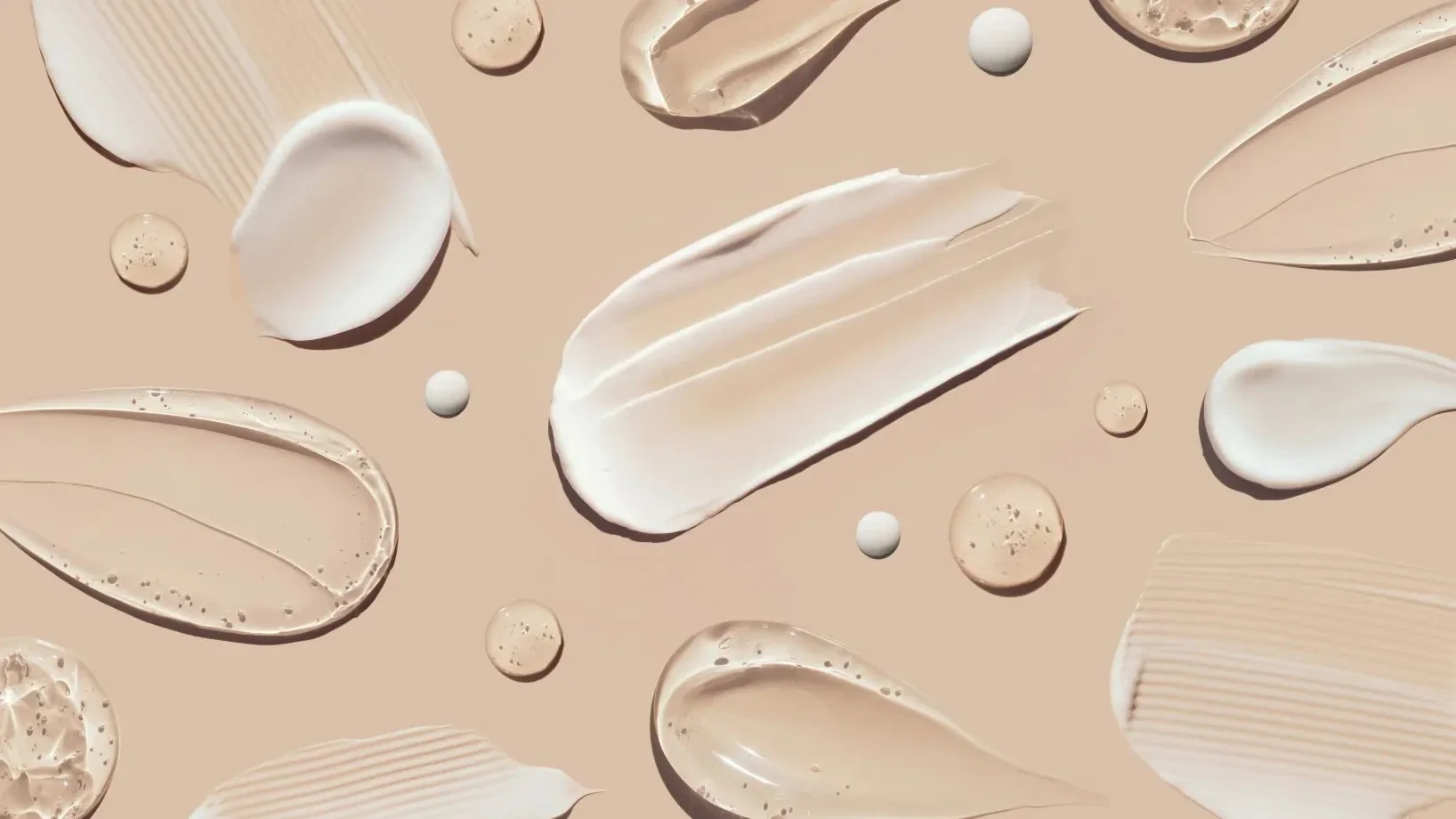
Gels use more humectants for a light feel, while creams mix all three for deeper hydration.
Active UV Filters
Chemical filters absorb UV rays and feel light — often used in gels.
Physical filters like zinc oxide reflect rays and are gentler, common in creams.
Both protect well; choose what feels best for your skin.
Additives: Antioxidants, Niacinamide, Ceramides
Antioxidants fight UV damage.
Niacinamide soothes skin.
Ceramides lock in moisture.
These turn sunscreen into part of your skincare routine.
How to Test and Choose

Patch Test and Wear Test
Before using a new sunscreen, do a patch test on your arm or behind your ear. Wait 24 hours to check for any redness or irritation.
If it’s fine, wear it for a full day on your face or neck to see how it feels — smooth, sticky, or drying. This helps you avoid products that don’t suit your skin.
Observe Finish, Feel and Rebound Oiliness
After applying, see how your skin reacts:
Gel sunscreens feel light and fresh.
Cream sunscreens feel soft and dewy.
If your skin turns oily again after a few hours, the formula may not balance your moisture well. Gels usually stay matte longer in humid weather.
Quantity
Use enough product to get the SPF on the label:
Two finger lengths for face and neck
One ounce (about a shot glass) for the whole body
Apply evenly and reapply every two hours, or sooner if you’re sweating or swimming.
Ready to Find Your Perfect Sunscreen?
Not sure whether a gel or cream sunscreen fits your skin best? We’re here to help you choose the formula that keeps your skin protected, hydrated, and comfortable every day.

Contact us today to get expert guidance or customized product recommendations that suit your skin type, climate, and lifestyle.


 EN
 JA
