

Honey is getting really popular in skincare—and it’s easy to see why. People love how it helps with things like acne, dry skin, and even making your skin look brighter and healthier.
In this article, we’ll show you why raw honey is good for your skin, which types work best, how to use it, and some easy ways to add it to your routine at home.
What Makes Honey Good for Skin?

Honey isn’t just sweet—it’s smart. Let’s look at the key reasons why it works so well in skincare.
It’s a Natural Humectant
Honey acts as a natural humectant, which means it pulls moisture from the air into your skin. Even better, it helps your skin lock in that moisture, keeping it hydrated longer. This is great for dry, flaky, or dehydrated skin that needs a little extra help.
Rich in Antioxidants, Enzymes, and Nutrients
What makes raw honey stand out is its high level of antioxidants, along with enzymes and vitamins that feed your skin. These nutrients help protect against environmental damage, support healing, and promote a more even, healthy-looking complexion.
Antibacterial and Anti-Inflammatory Powers
Thanks to its natural antibacterial and anti-inflammatory properties, honey is also ideal for calming irritation and fighting acne. It helps reduce redness, clear out pores, and soothe troubled or sensitive skin—without harsh chemicals.
Top Skin Benefits of Honey

Honey isn’t just a sweet treat—your skin loves it too. Let’s go over the key ways it can make your skin look and feel healthier.
- Deep Hydration and Moisture Lock: Honey acts as a moisture magnet, drawing hydration into your skin and helping it stay there. It’s perfect for dry or dull skin that needs a soft, dewy glow—without any heavy creams.
- Fights Acne and Breakouts: Thanks to its natural antibacterial powers, honey helps keep acne-causing bacteria in check. It also calms inflammation, so your breakouts look less red and feel less irritated.
- Soothes Sensitive Skin: Dealing with eczema, psoriasis, or just general skin sensitivity? Honey’s anti-inflammatory properties can help reduce itchiness, redness, and discomfort—gently and naturally.
- Speeds Up Healing and Skin Repair: Whether it’s a small cut, a scratch, or a healing pimple, honey supports your skin’s natural repair process. It encourages cell regeneration and helps skin recover faster.
- Anti-Aging Benefits: Loaded with antioxidants, honey helps fight off free radicals—the culprits behind fine lines and premature aging. Regular use may leave your skin looking smoother, plumper, and more youthful.
- Fades Scars and Brightens Skin: Honey has gentle lightening properties that can help reduce the appearance of acne scars and dark spots over time. It also improves overall tone, giving your skin a healthy, even glow.
- Natural Sunburn Relief: Sunburned skin? Honey’s cooling and soothing effect can calm that burning sensation while helping damaged skin heal more quickly.
- Gentle Exfoliation and Pore Cleansing: Honey contains natural enzymes that help slough off dead skin cells. It also cleans out pores without drying you out, leaving skin smoother and more refreshed.
Best Types of Honey for Skin (And How to Choose)

Not all honey is created equal—especially when it comes to skincare. Depending on your skin concerns, some types work better than others. Here’s a quick guide to help you pick the right one.
1. Manuka Honey
If you’re dealing with breakouts or acne-prone skin, Manuka honey is a game changer. It’s known for its strong antibacterial properties and is even used in medical settings to treat wounds. It helps clear up acne, reduce inflammation, and speed up healing.
2. Lavender Honey
For those with eczema, psoriasis, or generally sensitive skin, lavender honey offers a soothing touch. It has calming properties that may help ease redness, irritation, and itchiness—perfect for stressed-out skin.
3. Orange Blossom Honey
Looking to brighten up your skin? Orange blossom honey is rich in antioxidants, which help fight dullness and promote a more radiant, even-toned complexion. It’s a great choice if you’re focused on glow and clarity.
4. Thyme Honey
Thyme honey isn’t as well-known, but it’s a hidden gem for inflammatory skin conditions. It contains natural compounds that can help calm flare-ups and reduce redness, making it ideal for acne and irritation.
5. Raw Honey vs. Pasteurized Honey
Always choose raw honey when it comes to skincare. Why? Raw honey hasn’t been heated or filtered, so it keeps all the beneficial enzymes, antioxidants, and nutrients your skin loves.
Pasteurized honey, on the other hand, loses many of those natural benefits during processing—and may contain additives or sugar syrups that don’t belong on your face.
How to Use Honey for Skincare

Honey is super versatile—it’s not just what you use, but how you use it that makes a difference. Here are some simple, skin-friendly ways to make honey part of your routine.
- Spot Treatment for Pimples and Irritation: Got a stubborn breakout or inflamed spot? Dab a bit of raw honey directly on the area and let it sit for 10–15 minutes before rinsing. Its antibacterial and calming properties help reduce redness and speed up healing.
- All-Over Honey Face Mask: For a quick glow-up, apply a thin layer of honey all over your face after cleansing. Let it sit for 15–20 minutes, then rinse with warm water. Your skin will feel softer, smoother, and more hydrated.
- Customize with Natural Mix-Ins: Mix honey with ingredients like yogurt (for soothing), clay (for oil control), or oats (for calming and gentle exfoliation) to create a mask tailored to your skin’s needs.
- Gentle Exfoliator: Mix honey with a little baking soda to make a gentle scrub. It helps remove dead skin cells and unclog pores without irritating your skin.
- Natural Makeup Remover: Combine honey with coconut, jojoba, or olive oil to create a simple makeup remover. Massage it onto your skin to break down makeup and impurities, then rinse thoroughly.
- Lip Balm for Chapped Lips: Honey is a natural remedy for dry, cracked lips. Apply a tiny amount directly to your lips and let it sit for a few minutes—or mix it with a little beeswax or oil for a quick DIY balm.
- Honey Bath Soak: Add about ¼ cup of raw honey to a warm bath. It’s a great way to soften and hydrate your skin while you relax. Bonus: it smells amazing.
- DIY Honey Body Scrub: Mix honey with sugar or sea salt to create a gentle scrub for rough areas like elbows, knees, and feet. Massage in circular motions, then rinse for smooth, glowing skin.
Bonus: Other Bee-Based Skincare Superstars
Honey isn’t the only bee-made beauty booster out there. If you’re into natural skincare, you might want to get familiar with propolis and royal jelly—two other bee-derived ingredients that can give your skin an extra glow.
Propolis: Nature’s Healing Resin

Propolis is often called “bee glue” because it’s used by bees to seal their hives, but for skin, it’s a powerful antimicrobial and anti-inflammatory agent.
It’s great for helping skin heal from acne, minor wounds, or irritation. Propolis is also rich in antioxidants, making it a solid choice if you’re looking to protect your skin barrier and fight off environmental stress.
Royal Jelly: Moisture and More
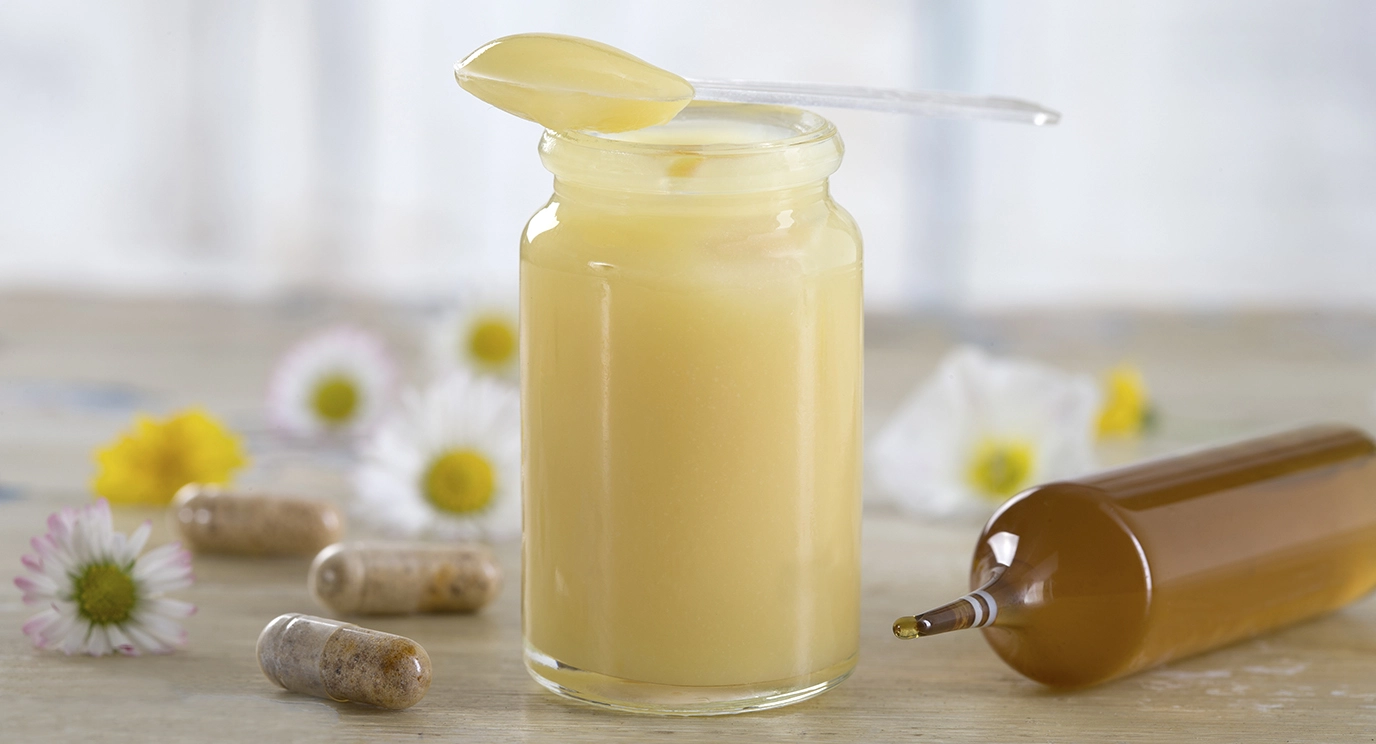
Royal jelly is the nutrient-rich substance bees feed to their queen—and your skin might love it too. It’s known for delivering deep hydration and is said to support collagen production thanks to its unique fatty acids. If your skin needs extra moisture or you’re looking to boost elasticity, royal jelly might be worth trying.
Precautions and Patch Testing

Even though honey is natural and gentle, it’s not for everyone. If you’re allergic to pollen, bee stings, or bee products, it’s best to avoid using honey on your skin. It could cause irritation or an allergic reaction.
Before trying honey on your face or body, it’s smart to do a patch test. Just apply a small amount of honey to the inside of your wrist or behind your ear. Wait 24 hours to see if you get any redness, itching, or swelling. If nothing happens, you’re good to go!
And here’s one more tip: always rinse honey off your skin completely—especially before bed. Leaving honey on overnight can attract dust or bacteria, which may lead to clogged pores or irritation.
Conclusion

Honey is a natural skincare hero. It hydrates, helps heal breakouts, and gives your skin a radiant glow—all in one. With its antibacterial and anti-inflammatory properties, honey works wonders for a variety of skin issues, from dryness to acne.
Not only is honey affordable compared to expensive skincare products, but it also offers high-reward results. Why not give it a try and let honey transform your skin? If you’re looking for more skincare tips or want to explore high-quality skincare options, contact Zicail today to find the best solutions for your skin!


 EN
 JA
