

What Fatty Alcohols Are
Fatty alcohols are waxy, oil-derived ingredients commonly used in skincare to improve texture, stability, and overall skin feel.
Despite the word “alcohol” in the name, they behave very differently from the drying alcohols many people try to avoid.

In ingredient lists, fatty alcohols usually appear as names like:
Cetyl alcohol
Stearyl alcohol
Cetearyl alcohol (a blend of cetyl and stearyl)
Behenyl alcohol
These ingredients are solid or semi-solid, not fast-evaporating liquids.
Instead of drying the skin, they help products feel smoother, creamier, and more comfortable during use.
“Alcohol” in the Name ≠ Drying Alcohol
In skincare, the word alcohol can describe very different substances.
Drying alcohols (like alcohol denat or ethanol) are small, fast-evaporating liquids
Fatty alcohols are larger, solid or semi-solid molecules with a creamy, moisturizing feel
Instead of evaporating from the skin, fatty alcohols stay on the surface, helping products spread smoothly and feel comfortable.
This is why they’re often found in creams and lotions—not toners or quick-drying formulas.
What They Do in a Formula
Fatty alcohols are included in skincare formulas for practical performance reasons, not as fillers. Their role is mainly about how a product feels, spreads, and stays stable over time.
Emollient Feel (Soft, Smooth Slip)
Fatty alcohols act as emollients, meaning they help soften the skin’s surface.
They fill in tiny gaps between dry skin cells
This creates a smoother, more even feel when you apply the product
They also reduce drag, so creams and lotions spread more easily
This is why products with fatty alcohols often feel creamy rather than watery or greasy.
Thickener + Stabilizer (Formula Support)
Fatty alcohols also help control a product’s structure.
They thicken formulas without making them stiff or sticky
They help oil and water stay blended, preventing separation over time
This improves shelf stability and keeps texture consistent from first use to last
For brands, this means a product that looks, feels, and performs the same every time you open it.
Fatty Alcohols vs. “Drying” Alcohols
Not all alcohols in skincare act the same. The confusion comes from the shared word “alcohol,” even though these ingredients behave very differently on skin.

Drying (Solvent) Alcohols
Examples include alcohol denat., ethanol, and isopropyl alcohol.
Lightweight and fast-evaporating
Help formulas feel quick-drying or less greasy
Can be drying or irritating for some people, especially with frequent use or on sensitive skin
These alcohols are often used in toners, acne treatments, or lightweight sunscreens where fast evaporation is desired.
Fatty Alcohols
Examples include cetyl, stearyl, cetearyl, and behenyl alcohol.
Waxy, non-volatile, and slow-moving
Soften skin and improve texture rather than evaporating
Support comfort and stability in creams and lotions
They stay on the skin and help products feel smooth—not tight or dry.
Why “Alcohol-Free” Labels Can Be Confusing
Many products labeled “alcohol-free” simply mean they contain no drying solvent alcohols.
They may still include fatty alcohols—and that’s often a good thing for comfort and texture.
Skin Benefits You’ll Actually Notice
When fatty alcohols work well in a formula, the benefits tend to be subtle but practical—the kind you feel during daily use rather than dramatic, overnight changes.
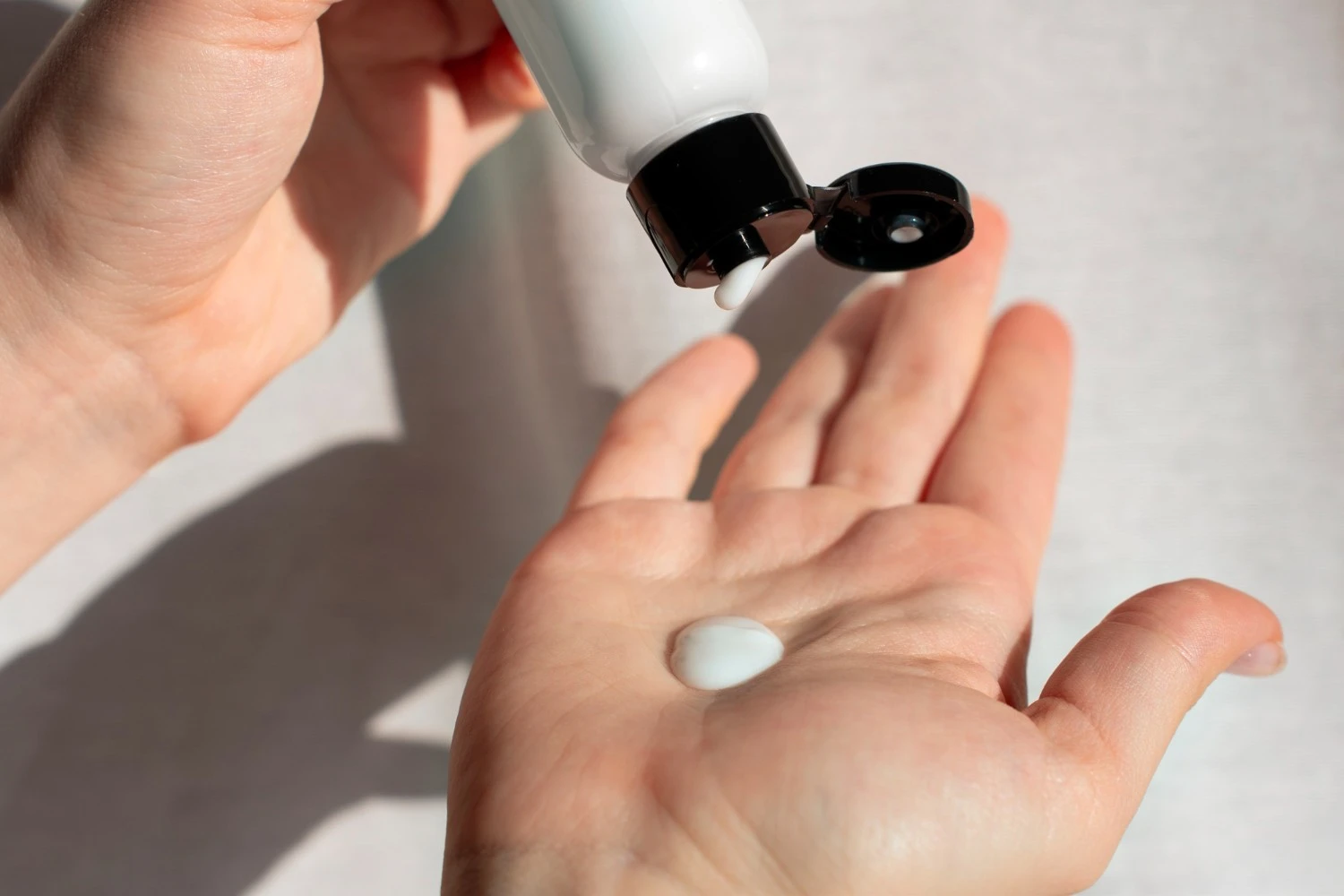
Less Tightness After Cleansing
Products that contain fatty alcohols often feel less stripping, especially cleansers and moisturizers used after washing.
Skin feels more comfortable, not squeaky
Reduced “tight” or dry sensation after cleansing
Particularly helpful for dry or dehydration-prone skin
This comfort matters for long-term barrier health.
Smoother Texture and Better “Cream Comfort”
Fatty alcohols improve how products sit on the skin.
Creams spread more evenly and smoothly
Skin feels softer to the touch
Makeup often applies more easily on top
This is why many people describe these formulas as creamier and more cushioning, without feeling greasy.
Support in Barrier-Focused Moisturizers
Fatty alcohols are commonly used in barrier-repair or comfort-focused products.
Help reinforce a smoother skin surface
Work well alongside humectants and ceramides
Especially useful in dry or cold climates, where skin loses moisture faster
They don’t “repair” the barrier on their own, but they help create the conditions skin needs to stay comfortable.
Overall, fatty alcohols don’t create dramatic results—but they improve comfort, texture, and day-to-day wear, which is why they’re widely used in moisturizing formulas.
The Real Concerns (Who Might Not Love Them)
While fatty alcohols work well for many people, they’re not universally perfect. The key is knowing who might need to be more cautious—and why.
A) Acne-Prone or Congestion-Prone Skin
Fatty alcohols are not automatically pore-clogging, but texture matters.
Some acne-prone skin does better with lighter lotions or gel-creams
Others tolerate fatty alcohols without any issues
What usually matters more than the fatty alcohol itself is the full formula, including:
Heavy oils or waxes
Strong occlusives
How many rich layers are used together
If breakouts appear after switching products, look at overall richness—not just one ingredient.
B) Sensitive Skin or Contact Allergy (Rare but Real)
A small number of people can develop contact allergy to certain fatty alcohols, most often cetearyl alcohol.
Possible signs include:
Persistent itching
Redness or rash in areas where the product is applied
Symptoms that don’t fade with continued use
This is different from a brief tingling sensation. Ongoing irritation is a sign to stop using the product and reassess.
In general, most people tolerate fatty alcohols well. For acne-prone or reactive skin, choosing lighter formulas and watching for persistent irritation matters more than avoiding the ingredient category outright.
How to Read Labels Without Overthinking
Ingredient lists can look intimidating, but you don’t need to analyze every line. A few simple cues are usually enough.
Where Fatty Alcohols Appear on the INCI List
If you see cetyl, stearyl, cetearyl, or behenyl alcohol listed mid-to-late in the ingredient list:
They’re usually present for texture and formula support
The amount is typically moderate
They’re unlikely to dominate how the product behaves on skin
When fatty alcohols appear very high on the list, the formula is often richer—something to note if your skin prefers lighter textures.
Focus on Format, Not Just Ingredients
For acne-prone or congestion-prone skin, product format matters more than the ingredient name.
Gel-creams and lotions tend to feel lighter and rinse or absorb more cleanly
Butters and very rich creams are more likely to feel heavy, regardless of whether they contain fatty alcohols
If your skin breaks out easily, choosing the right texture is often more effective than avoiding fatty alcohols altogether.
How to Decide for Your Skin Type (Simple Rules)
You don’t need to avoid or seek out fatty alcohols by default. Use your skin type—and how it reacts—to guide the decision.

Dry or Dehydrated Skin
Fatty alcohols are often a plus.
Help improve comfort and reduce tightness
Support barrier-friendly formulas
Work well in creams and lotions used daily
For dry skin, these ingredients often make products feel more wearable and soothing.
Sensitive or Eczema-Prone Skin
Fatty alcohols are often tolerated, but individual reactions vary.
Many barrier-focused products include them
If your skin reacts easily, a simple patch test is a smart step
Watch for ongoing redness or itching, not brief tingling
Tolerance matters more than ingredient categories.
Oily or Acne-Prone Skin
Fatty alcohols are not automatically “bad.”
Choose lighter formats like gel-creams or lotions
Avoid layering multiple rich products at once
Pay attention to how the full routine feels over time
If congestion appears, adjust texture and layering before blaming a single ingredient.


 EN
 JA
