How to Use Vitamin C Serum: AM Routine & Tips

Apply vitamin C serum to clean, dry skin (usually AM), then moisturize + SPF. Start 2–3x/week, increase as tolerated, and store airtight/dark.

Key Takeaways

  • Vitamin C works with consistency, not intensity. Regular use and proper application matter more than chasing the strongest formula.

  • Morning use is usually the most effective. Apply vitamin C in the AM and always follow with sunscreen for best results.

  • Start slow and build up. Begin a few times a week, then increase as your skin tolerates it.

  • Texture and routine fit matter. Choose a serum your skin can use comfortably every day.

  • Storage affects performance. Keep vitamin C away from light, air, and heat to maintain effectiveness.

  • If irritation or pilling happens, adjust—not quit. Most issues come from frequency, layering, or formula fit, not vitamin C itself.

What “Using Vitamin C Serum” Actually Means

Using a vitamin C serum isn’t a one-time fix. Results come from consistent use and proper application

Think of vitamin C like daily exercise for your skin. Skipping days or applying it inconsistently makes results harder to see, even if the serum itself is well-formulated.

Most people notice improvements over weeks

Pick the Right Vitamin C Serum (Fast Chooser)

You don’t need to analyze every ingredient list to get this right. Focus on tolerance, texture, and how it fits your routine.
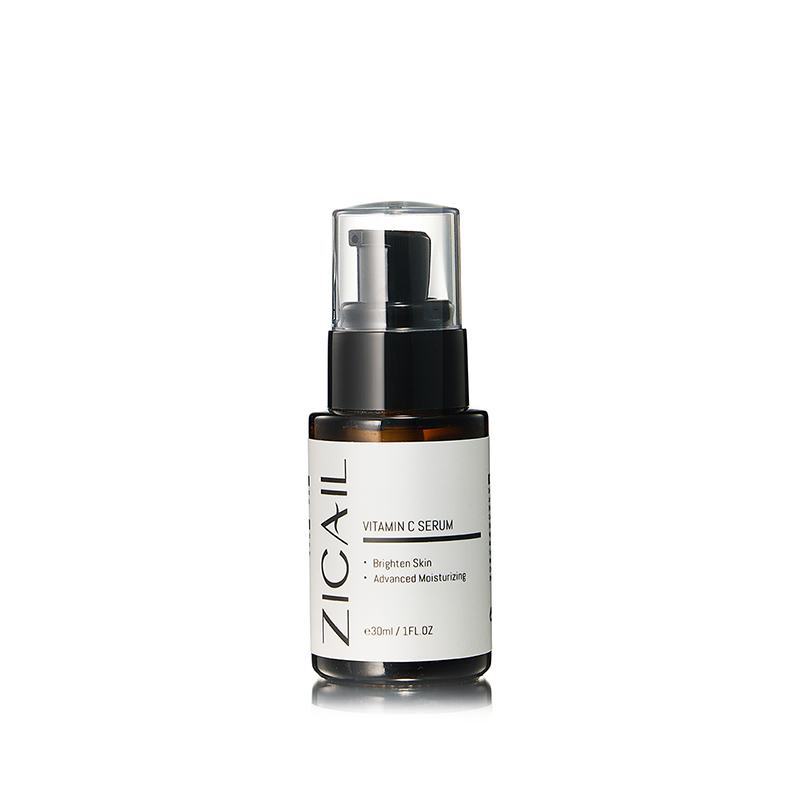
Vitamin-C-Serum - How to Use Vitamin C Serum: AM Routine & Tips 2026 - Zicail

Sensitive Skin or First-Time Users

Start gentle and slow.

  • Choose milder vitamin C forms or lower strengths

  • Use fewer actives in the same routine

  • Increase frequency only if skin stays comfortable

Comfort comes first—irritation cancels progress.

Oily or Acne-Prone Skin

Texture matters most.

  • Look for watery or gel-like serums

  • Avoid heavy, occlusive finishes that feel greasy

  • Apply thin layers and let each step absorb

If breakouts happen, reassess texture before blaming vitamin C itself.

Dry Skin

Vitamin C works best with support.

  • Pair the serum with a moisturizer to reduce tightness

  • Don’t rely on the serum alone for hydration

  • Apply moisturizer after the serum to seal it in

Hydrated skin tolerates vitamin C better and looks smoother over time.

Quick tip: The “right” vitamin C serum is the one your skin tolerates daily. Consistent use beats chasing the strongest formula.

How Often to Use (Beginner → Daily Plan)

Vitamin C works best when your skin has time to adjust. Starting slowly helps reduce irritation and makes long-term use more sustainable.
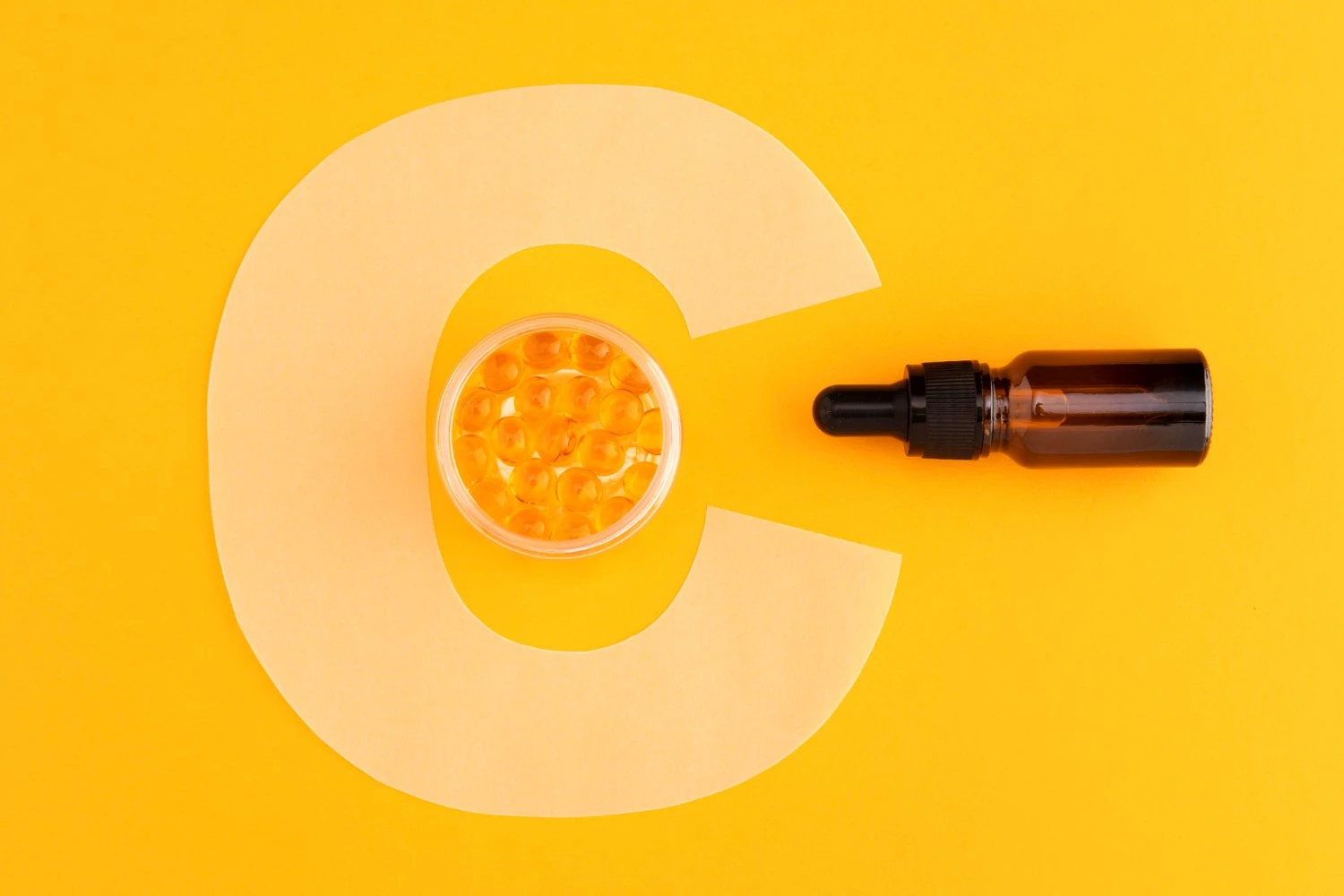
Vitamin C serum concept amber dropper bottle and vitamin C capsules on a bright yellow background representing antioxidant skincare benefits - How to Use Vitamin C Serum: AM Routine & Tips 2026 - Zicail

A Simple Ramp-Up Schedule

Week 1–2

  • Use 2–3 mornings per week

  • Apply to clean, dry skin

  • Watch how your skin feels the rest of the day

Week 3–4

  • Increase to every other morning if skin stays comfortable

  • Mild tingling that fades quickly can be normal at first

Maintenance

  • Use daily in the morning if well tolerated

  • Consistency matters more than using it twice a day

When to Pause or Scale Back

Reduce frequency or stop temporarily if you notice:

  • Stinging or burning that doesn’t fade within minutes

  • Ongoing redness or irritation

  • Peeling or increased sensitivity

Let skin recover, then restart at a lower frequency.

The Best Order in a Routine (AM Step-by-Step)

Vitamin C fits best into a simple morning routine. The goal is good contact with skin, then protection for the day.

Woman holding a vitamin C serum bottle and fresh orange slice symbolizing antioxidant vitamin C skincare and brightening benefits - How to Use Vitamin C Serum: AM Routine & Tips 2026 - Zicail

Recommended Order

  1. Cleanse
    Start with clean, dry skin.

  2. Hydrating toner (optional)
    Use only if it suits your skin. This step isn’t required.

  3. Vitamin C serum
    Apply a thin, even layer to the face and neck.

  4. Moisturizer
    Helps reduce dryness and improve comfort.

  5. Sunscreen
    Essential when using vitamin C in the morning.

Do You Need a Wait Time?

Usually, no.

  • Apply the next step once the serum feels lightly absorbed

  • Wait a minute only if you notice pilling or product rolling

Keeping the routine simple improves consistency.

How Much to Apply (and Avoid Eye Stinging)

  • Use about 2–3 drops for the face, plus a small amount for the neck

  • Spread gently—don’t rub aggressively

  • Avoid the lash line and corners of the eyes

If stinging occurs, apply slightly farther from the eye area or reduce the amount used.

Apply vitamin C after cleansing and before moisturizer, then always finish with sunscreen. Use enough to cover skin evenly—but not so much that it migrates or irritates.

Can You Use Vitamin C at Night?

Yes—you can use vitamin C at night. However, for most people, morning use delivers the most benefit.

Why Morning Use Is Usually Preferred

Vitamin C provides antioxidant support, helping skin better handle daily environmental stress like UV exposure and pollution. Using it in the morning—followed by sunscreen—makes this protection more practical and efficient.

For many routines, this AM pairing offers the best return on effort.

When Nighttime Use Makes Sense

Night use can be a good option if:

  • Your skin doesn’t tolerate vitamin C well under sunscreen or makeup

  • Your mornings are already crowded with other active products

  • You prefer a simpler AM routine

Vitamin C still supports skin health at night—it just won’t provide daytime antioxidant backup.

What You Can (and Shouldn’t) Pair It With

Vitamin C can fit into many routines, but smart pairing helps reduce irritation and improve consistency.

Woman comparing multiple vitamin C serum bottles illustrating how to choose and use vitamin C serum in a skincare routine - How to Use Vitamin C Serum: AM Routine & Tips 2026 - Zicail

Easy, Low-Risk Pairings

These ingredients generally work well with vitamin C and help improve comfort:

These combinations are especially useful if vitamin C feels drying on its own.

Vitamin C + Niacinamide

In real-world routines, this pairing is usually fine.

  • Modern formulas are designed to work together

  • Order and skin comfort matter more than ingredient myths

  • If irritation occurs, separate them or reduce frequency

There’s no need to avoid this combo by default.

Vitamin C with Retinoids or Exfoliating Acids

These pairings can be effective—but are easier to tolerate when separated.

  • Use vitamin C in the morning

  • Use retinoids or AHA/BHA at night

This approach helps limit irritation while still allowing each ingredient to do its job.

Troubleshooting: When Vitamin C “Doesn’t Work”

If vitamin C isn’t giving the results you expected, the issue is usually how it’s used or how it fits into your routine—not the ingredient itself.

Stinging or Burning

This often means the formula is too strong, used too often, or applied to a compromised skin barrier.

What to do:

  • Reduce frequency or pause use

  • Focus on moisturizing and barrier repair

  • Restart slowly once skin feels calm

Persistent burning is a sign to stop and reassess.

Pilling or Product Rolling

Pilling is usually a routine issue, not a vitamin C problem.

Common causes include:

  • Too many layers applied too quickly

  • Mismatch between silicone-heavy products

  • Using more serum than needed

Using thinner layers and allowing brief absorption time often solves this.

Breakouts After Starting Vitamin C

Most breakouts aren’t a true vitamin C allergy.

More likely reasons:

  • Formula texture is too rich

  • Occlusives or oils don’t suit your skin type

  • Layering multiple heavy products

Switching to a lighter serum often helps.

No Visible Results

Vitamin C works gradually.

Lack of results is often due to:

  • Inconsistent use

  • Skipping daily sunscreen

Uneven tone and dark spots won’t improve without proper UV protection.

When vitamin C doesn’t seem to work, adjusting strength, frequency, texture, or routine fit is usually more effective than giving up on the ingredient altogether.

Oxidation & Storage (Make Your Serum Last)

Vitamin C is effective—but also easy to degrade. How you store and handle your serum directly affects how well it works over time.

How to Store Vitamin C Serum

To slow oxidation:

  • Keep the bottle tightly closed when not in use

  • Store it in a cool, dry place, away from direct light and heat

  • Avoid leaving it open or storing it in hot, sunny bathrooms

Some formulas use airless pumps or dark bottles to help with stability, but storage habits still matter.

Signs Your Serum May Be Past Its Prime

Vitamin C serums often change as they oxidize.

You may need to replace it if:

  • The color turns dark brown or rusty

  • The texture or smell changes noticeably

  • It begins to irritate skin when it didn’t before

An oxidized serum is usually less effective and more likely to cause irritation.

Quick Routine Examples (AM)

Use these ready-to-follow examples based on your skin and schedule. No extra steps, no explanations—just copy what fits you.

Applying vitamin C serum to the face with a dropper showing proper use of vitamin C serum in a daily skincare routine - How to Use Vitamin C Serum: AM Routine & Tips 2026 - Zicail

Simple AM (busy)
Cleanse → Vitamin C → SPF

Dry Skin AM
Cleanse → Vitamin C → Moisturizer → SPF

Acne-Prone AM
Gentle cleanse → Light vitamin C → Non-greasy SPF

Sensitive Skin AM
Moisturizer (buffer, if needed) → Vitamin C (less often) → SPF

FAQs

Can I use vitamin C serum every day?

Yes, if your skin tolerates it well. Many people work up to daily morning use. If irritation appears, reduce frequency and build back slowly.


Vitamin C serum should go before moisturizer. Apply it to clean skin, then use moisturizer to seal it in and improve comfort.

Yes, but it’s usually better to separate them. Most people use vitamin C in the morning and retinol at night to reduce irritation.

A mild, short-lived tingle can be normal, especially for new users. Ongoing stinging or burning means the formula or frequency may be too strong for your skin.


Hydration and brightness may improve within a few weeks. Changes in dark spots or uneven tone usually take several weeks to months with consistent use and daily sunscreen.

 
Picture of Lucy

Lucy

Lucy is a Senior Sales Manager with 8 years of experience in the skincare industry, combining market insight with hands-on product knowledge. She works closely with R&D and production teams, tests products in daily routines, and brings a global perspective shaped by frequent overseas market visits. Note: Lucy is not a medical professional. Her content reflects industry experience, market exposure, and personal testing. For medical advice, please consult a dermatologist.

Table of Contents

Like this post? Share it on:

Related Articles for You

en_USEN
Rose-Makeup-Remover

Get Wholesale Prices & Custom Requests