

If you’ve ever searched for natural skincare remedies, you’ve probably come across witch hazel. It’s often talked about as a go-to solution for oily skin, acne, and redness—and you’ll see it in everything from toners to facial cleansers. Loved for its natural astringent properties, witch hazel has earned a solid spot in the skincare routines of people looking for gentler, plant-based options.
But is it really as great as it sounds? In this article, we’ll take a closer look at what witch hazel does, how it works on different skin types, and when it’s actually helpful—or not. Think of this as your honest, no-fluff guide to deciding whether witch hazel is good for your skin.
What is Witch Hazel?

Key Skin Benefits of Witch Hazel
 Witch hazel has been a trusted remedy for generations, offering an impressive range of benefits for different skin concerns. Let’s dive into its most notable uses and where it truly shines.
Acne Control
One of the most popular uses for witch hazel is managing breakouts. Thanks to its natural astringent and anti-inflammatory properties, it may help reduce excess oil, calm irritated skin, and shrink the look of active pimples. It also works to gently cleanse the skin, which can help keep pores from getting clogged.
Temporary Pore Minimizing
Witch hazel can create a temporary tightening effect on the skin, which helps minimize the appearance of pores. While it won’t make them disappear permanently (nothing can), it can give your skin a smoother, more refined look—especially useful before applying makeup or heading out for the day.
Soothes Skin
Dealing with itchy bug bites, mild sunburn, or razor burn? Witch hazel can offer quick relief. Its anti-inflammatory nature helps calm irritation and reduce redness, making it a handy remedy for occasional skin flare-ups.
Oil Balancing
If your skin often feels too oily—or too dry—witch hazel may help bring things back into balance. It works to regulate sebum production, which can be helpful for those with oily or combination skin types.
Short-Term Redness Relief
Have sensitive skin that flares up easily? Witch hazel may help reduce temporary redness and inflammation, especially after exposure to heat, shaving, or minor skin reactions. Just remember, it’s best used occasionally—not every day—to avoid over-drying.
Potential Drawbacks of Witch Hazel

While witch hazel can offer some great short-term benefits, it’s not always the best fit for everyone—especially if used too often or on sensitive skin. Here are a few things to watch out for:
High Tannin Content
Witch hazel naturally contains tannins, which give it its well-known astringent effect. But in higher concentrations, these tannins can be irritating or sensitizing, especially for people with reactive or easily inflamed skin.
Alcohol Concerns
Many over-the-counter witch hazel products are distilled with alcohol, usually containing around 14–15% ethanol. While that might not sound like a lot, alcohol can dry out your skin and potentially damage its natural barrier over time.
Barrier Damage
Using witch hazel regularly—especially alcohol-based versions—can weaken your skin’s protective barrier. This may lead to increased dryness, irritation, or even more breakouts, as your skin tries to compensate by producing extra oil.
Not Great for Sensitive Skin
If you deal with rosacea, eczema, or very dry skin, witch hazel might actually make things worse. Its drying effect and natural compounds can trigger flare-ups or worsen existing skin conditions, so it’s best used cautiously or avoided altogether in these cases.
How to Use Witch Hazel Effectively

Using witch hazel in your skincare routine can bring some great benefits—if you use it correctly. Let’s talk about how to make the most of it while avoiding potential pitfalls.
Guidelines for Short-Term or Occasional Use
Witch hazel works best when used for specific, short-term needs, rather than as a daily go-to product. For example:
- Apply it as a spot treatment for oily areas like your T-zone.
- Use it sparingly to soothe bug bites, minor rashes, or sunburn.
- Dab a small amount under your eyes to temporarily reduce puffiness before an event or meeting.
Avoid overuse, as witch hazel’s tannins and alcohol content (in most formulations) can dry out your skin and disrupt its natural barrier.
Combining Witch Hazel with Other Ingredients
To amplify the benefits of witch hazel, try pairing it with hydrating or soothing ingredients. This way, you balance its astringent effects while minimizing potential irritation:
- Hyaluronic Acid: Use after witch hazel to lock in moisture and keep skin hydrated.
- Aloe Vera: Blend it with aloe to enhance soothing effects, especially for redness or irritation.
- Rosewater: Mix with rosewater for a gentle, calming toner suitable for occasional use.
This strategy allows you to enjoy the perks of witch hazel without risking dryness or sensitivity.
When to Avoid Using Witch Hazel
While witch hazel has its perks, it’s not for everyone or every situation:
- For Acne: Though it can reduce oil and redness temporarily, witch hazel is not a substitute for proven acne treatments like benzoyl peroxide or salicylic acid. Overuse might worsen acne by drying out the skin.
- Sensitive Skin: If your skin tends to react easily, avoid witch hazel toners or products with alcohol, as they can exacerbate redness and irritation.
- Daily Toner Replacement: Witch hazel doesn’t deliver the hydration and barrier-repair benefits of a well-formulated toner with ingredients like niacinamide or ceramides.
Knowing when to skip it can save your skin from unnecessary stress.
Natural Alternatives to Witch Hazel
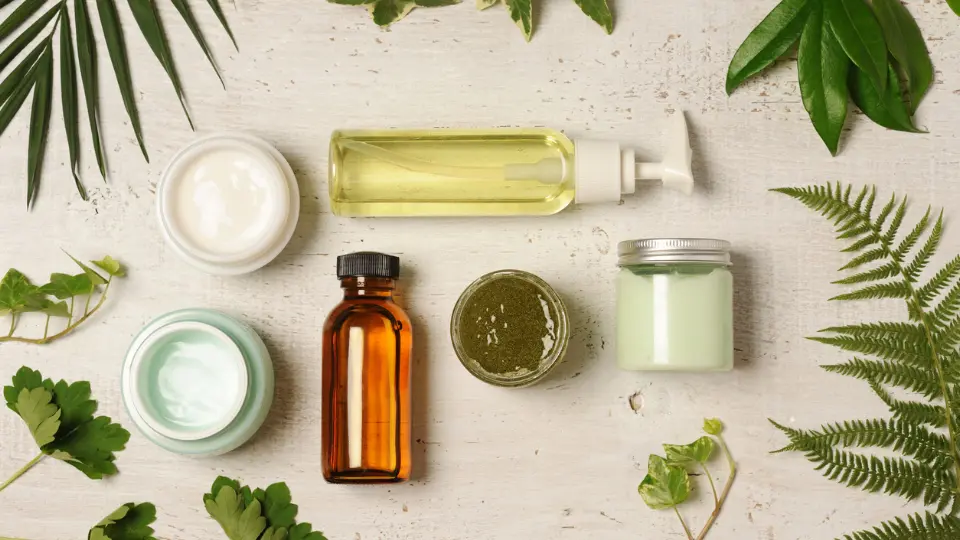
If witch hazel isn’t the right match for your skin—or if you’re just looking to mix things up—there are several gentle, plant-based alternatives that can offer similar benefits without the potential downsides. Here are a few worth trying:
Niacinamide (for Oil and Pore Care)
Niacinamide, also known as vitamin B3, is a superstar ingredient for controlling oil production and reducing the appearance of pores. It’s gentle, effective, and safe for most skin types—even sensitive skin. Plus, it supports your skin’s barrier over time rather than drying it out.
Aloe Vera (for Soothing)
Known for its cooling and hydrating properties, aloe vera is a great option for calming irritated or sunburned skin. It’s lightweight, non-greasy, and can be used daily to soothe redness and discomfort without the risk of over-drying.
Centella Asiatica (Anti-Inflammatory)
Also called “cica” in skincare, Centella Asiatica is rich in compounds that help reduce inflammation and promote healing. It’s especially good for sensitive or damaged skin, making it a solid alternative if you’re avoiding stronger astringents.
Green Tea Extract (Antioxidant-Rich & Calming)
Loaded with antioxidants, green tea extract helps protect skin from environmental stress while also reducing redness and irritation. It’s a calming, lightweight ingredient that works well in toners, serums, and moisturizers.
Conclusion

Witch hazel can be good for your skin when used carefully and in the right situations. It may help with oil control, breakouts, and calming irritation. But it’s not something you want to use every day, especially if you have sensitive or dry skin. Always patch-test first, and try to choose an alcohol-free version when possible.
If you’re thinking about adding witch hazel—or other gentle ingredients—to your skincare line, Zicail can help. We offer custom skincare solutions and expert support to create products that are both safe and effective. Contact Zicail today to get started!


 EN
 JA
