

Dark spots and uneven skin tone are common and can be frustrating to fade. Many people turn to brightening ingredients to help, but not all of them work the same way.
Glycolic acid and alpha arbutin are two popular options. They each target pigmentation differently, so knowing how they work helps you choose the one that fits your skin needs best.
What Is Glycolic Acid?

Glycolic acid is an alpha hydroxy acid (AHA) (1) made from sugarcane. It has a very small molecule size, which helps it absorb well into the skin and makes it a strong and effective exfoliating ingredient.
It works by loosening dead skin cells on the surface. This helps brighten dull skin, smooth rough texture, and speed up cell turnover. Over time, it can also help fade dark spots and improve the look of pores.
You’ll commonly see glycolic acid in:
Most everyday products contain 2%–10%, while stronger at-home peels can go higher.
What Is Alpha Arbutin?

Alpha arbutin is a skin-brightening ingredient (2) made from natural sources like bearberry leaves and cranberries. It’s a safer and more stable form of arbutin, and it works as a gentle alternative to strong bleaching agents.
Alpha arbutin is usually found in:
Serums
Spot-treatment gels
Most products contain 1%–2%, which is the ideal range for safe and effective brightening.
Glycolic Acid vs Alpha Arbutin
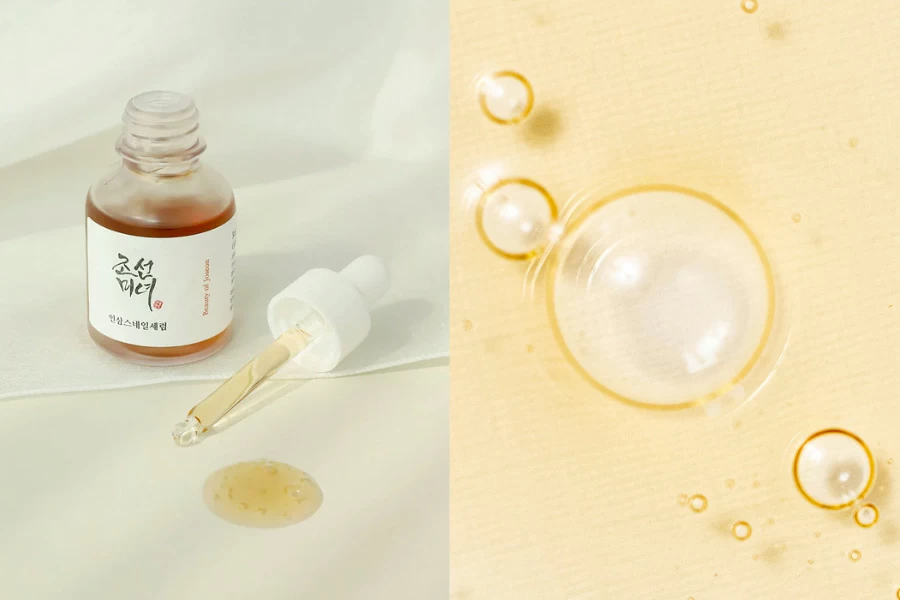
| Category | Glycolic Acid | Alpha Arbutin |
|---|---|---|
| How it works | Exfoliates dead skin cells, improves texture and brightness | Inhibits tyrosinase to reduce melanin and fade dark spots |
| Speed of results | Faster: 1–2 weeks for brighter, smoother skin | Slower: 4–8 weeks to fade dark spots |
| Best for skin types | Normal, oily, combination | All skin types, including sensitive |
| Best for concerns | Texture, dullness, clogged pores, post-acne marks | Dark spots, sunspots, melasma, uneven tone |
| Irritation risk | Higher; may irritate dry or sensitive skin | Very low; gentle and well-tolerated |
| Research support | Proven to boost cell turnover and smooth texture | Proven to reduce hyperpigmentation through melanin control |
| Price & availability | Wide price range; from toners to strong peels | Mid-range; mostly serums and creams |
| Formulation notes | Needs low pH; stronger and more active | Needs stable packaging to prevent breakdown |
Mechanism Comparison
Glycolic acid works by exfoliating the skin, clearing away dead cells to reveal a smoother, brighter surface.
Alpha arbutin works by inhibiting tyrosinase, the enzyme that triggers melanin production. One acts on texture and surface brightness, while the other directly targets pigment formation.
Speed of Visible Results
Glycolic acid usually acts faster, with smoother texture and a brighter look in about 1–2 weeks.
Alpha arbutin often takes 4–8 weeks to noticeably fade dark spots because it works within the melanin cycle.

Skin-Type Suitability & Irritation Risk
Glycolic acid is stronger and may irritate dry or sensitive skin. It’s best for:
Oily or combination skin
Textured or rough skin
Clogged or enlarged pores
Post-acne marks
Alpha arbutin is gentle and suits a wide range of skin types, including sensitive skin. Best for:
Dark spots and sunspots
Melasma
Uneven tone or dullness
People who cannot tolerate acids
Evidence & Clinical Support
Studies show glycolic acid effectively boosts cell turnover and smooths texture, while alpha arbutin helps reduce hyperpigmentation through controlled tyrosinase inhibition. Clinical research confirms its brightening ability without harsh irritation.
Cost, Availability & Formulation
Glycolic acid products range from affordable toners to high-strength peels. They often require careful formulation because of their low pH.
Alpha arbutin serums tend to sit in a stable mid-price range but rely on good packaging and stable formulas to prevent ingredient breakdown. Both are easy to find, but the right choice depends on your skin goals and tolerance.
Can They Be Used Together?
Yes, glycolic acid and alpha arbutin can be used together. Glycolic acid exfoliates the skin, helping it look smoother, while alpha arbutin reduces pigment and fades dark spots. When combined, you get both clearer texture and better brightening.
For layering, use glycolic acid first at night, then apply alpha arbutin. Glycolic acid is usually used 2–3 times a week, while alpha arbutin can be used once or twice a day because it’s gentle.
Since glycolic acid is stronger, pay attention to irritation. If your skin feels red or sensitive, reduce how often you use it. And always wear sunscreen during the day.
Simple routine idea:
Night: Cleanser → Glycolic acid → Alpha arbutin → Moisturizer
Morning: Cleanser → Alpha arbutin → Moisturizer → Sunscreen
Ready to Find the Right Brightening Formula?
If you’re building a skincare line or need help choosing the best ingredients for your product, we’re here to support you. Whether you want a gentle brightening serum, an exfoliating formula, or a targeted dark-spot solution, our team can help you create a product that fits your customers’ needs.

Contact us today to get expert guidance, custom formulations, and reliable manufacturing support for your next skincare project.
FAQs
Can I start with both ingredients at the same time if I’m new?
Yes, you can—but it’s best to start slowly. Introduce one ingredient first (for example, use glycolic acid once a week) and once your skin tolerates it, add in alpha arbutin. This helps you monitor irritation and build up tolerance.
Does one ingredient work better for darker skin tones?
Not necessarily “better,” but there are nuances. People with darker skin may be more prone to post-inflammatory hyperpigmentation, so a gentler start (like alpha arbutin) may be safer. Then if texture or buildup is also an issue, you can incorporate glycolic acid carefully.
If I’m already using a retinoid or vitamin C, can I add these too?
Yes—but sequencing and spacing matter. For example: retinoid at night, glycolic acid on a different night, alpha arbutin in the morning. Avoid stacking too many actives in one session to minimize irritation and risk of sensitivity.
How long until I should see visible improvements with each?
With glycolic acid you may notice smoother texture and brighter skin in about 1–2 weeks, provided it’s consistent. With alpha arbutin, fading of dark spots normally takes 4–8 weeks, sometimes longer depending on depth of pigmentation.
Is there any downside to using these ingredients long-term?
When used correctly, they’re generally safe—but long-term you must keep using daily sun protection (especially with exfoliants like glycolic acid) to avoid reversing gains. Also, formulas can lose potency (especially with alpha arbutin) if not stored properly. It’s smart to reassess your routine every few months.


 EN
 JA
